

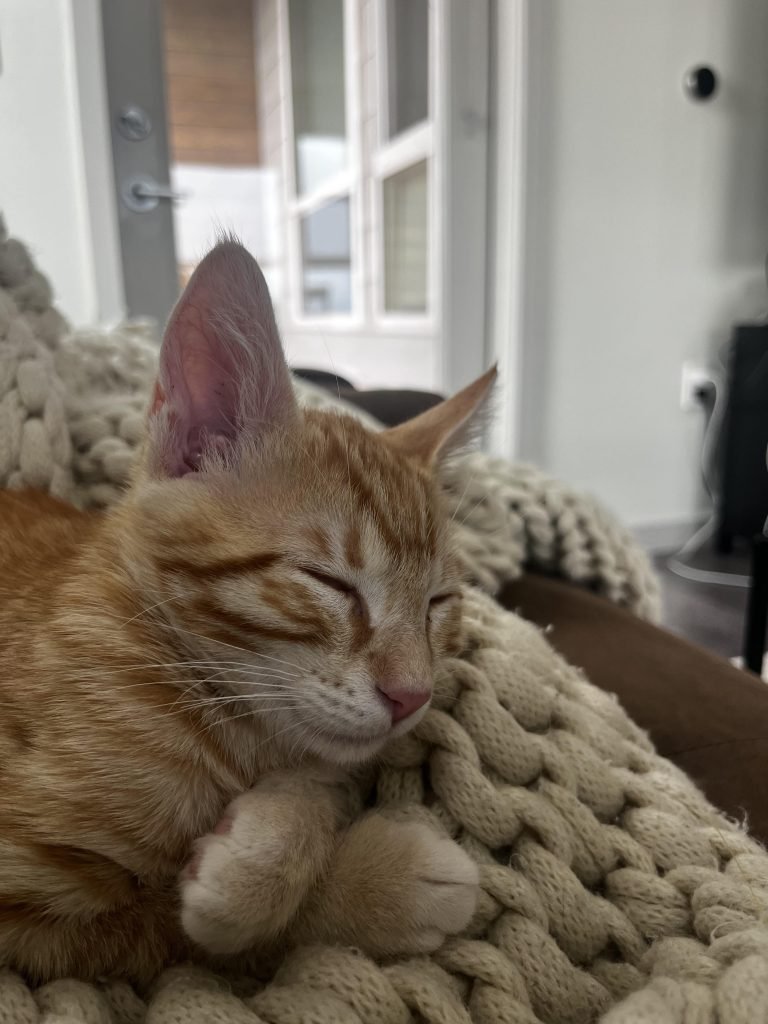
Have you ever wondered if your cat really needs a furry friend? You might think cats prefer being alone, but the truth could surprise you.
Understanding whether your cat benefits from having a companion can change the way you care for them. Keep reading, and you’ll discover key insights that could make your cat’s life happier and healthier. Your cat’s well-being might depend on what you learn next.

Credit: www.companionanimalpsychology.com
Social Nature Of Cats
Cats often get the reputation of being solitary creatures, but their social nature is more complex than you might think. Some cats thrive on interaction, while others prefer solitude. Understanding your cat’s social needs can change how you care for them and improve their happiness.
The Balance Between Independence And Companionship
Cats value their independence, but that doesn’t mean they don’t enjoy company. Many cats form strong bonds with other cats or even humans. Have you noticed your cat seeking out your attention after a long nap? That’s a sign they appreciate social connection.
However, forcing your cat into social situations can cause stress. Observe how your cat reacts to others around them. Their comfort level will tell you whether they want more friends or just quiet time.
How Cats Communicate Socially
Cats use body language, vocalizations, and scent to communicate with friends. Tail position, ear movement, and even the way they blink can signal their mood. Paying attention to these cues helps you understand if your cat feels safe and happy in social settings.
When cats live together, you might see them grooming each other or sleeping side by side. These behaviors show trust and friendship. Does your cat display these signs with other pets or people in your home?
Signs Your Cat Might Enjoy A Feline Friend
- They become bored or restless when alone for long periods.
- Your cat shows curiosity or interest in other cats during walks or visits.
- They seek out your attention but still seem lonely or anxious when you’re busy.
Adding a feline friend can enrich your cat’s life, but it’s important to introduce them carefully. Think about how your cat behaves when meeting new animals and plan slow, supervised introductions.
Signs Of Loneliness
Recognizing when your cat feels lonely is key to ensuring their happiness and well-being. Cats can’t tell you directly, but their behavior often reveals a lot. Understanding these signs helps you decide if your furry friend could benefit from a companion or more interaction.
Changes In Appetite
A lonely cat might eat less or suddenly lose interest in their favorite treats. You might notice they skip meals or seem distracted during feeding times. Have you seen your cat ignore food or eat much less than usual lately?
Excessive Vocalization
Some cats meow or yowl more when they feel lonely. This can be their way of calling out for attention or companionship. If your usually quiet cat starts making more noise, it could be a sign they want company.
Increased Sleeping Or Hiding
Lonely cats often withdraw by sleeping more or hiding in unusual places. They may avoid common areas where people or other pets gather. Notice if your cat spends long hours alone in corners or under furniture.
Destructive Behavior
Scratching furniture or knocking things over can sometimes mean your cat is bored or lonely. These actions might be attempts to get your attention or release pent-up energy. Have you seen new destructive habits that weren’t there before?
Overgrooming
Pay attention if your cat suddenly licks or chews their fur excessively. Overgrooming can be a sign of stress and loneliness, sometimes leading to bald patches. This behavior often increases when cats feel isolated.
Seeking Constant Attention
Your cat may follow you everywhere or cling to you more than usual if they feel lonely. They want to fill the void of companionship by being close to you. Do you find your cat demanding more petting or playtime than before?
Benefits Of Feline Companionship
Having a second cat can change the dynamics of your home in surprising ways. Feline companionship offers more than just a playmate for your cat—it can contribute to their emotional and physical well-being. Understanding these benefits helps you decide if adding a friend is right for your furry family member.
Improved Social Interaction And Reduced Loneliness
Cats are often seen as solitary animals, but many enjoy social interaction with their own kind. When your cat has a companion, they have someone to groom, play, and cuddle with, which reduces feelings of loneliness. Have you noticed your cat staring out the window or sleeping all day when alone? A friend might change that behavior.
Enhanced Mental Stimulation And Play
Two cats can keep each other mentally sharp through interactive play and curiosity-driven activities. Watching cats chase, pounce, and explore together stimulates their brains and prevents boredom. Without this stimulation, cats can become lethargic or develop unwanted habits like scratching furniture.
Emotional Support During Stressful Times
Just like humans, cats can experience stress from changes such as moving homes or new family members. A feline friend can provide comfort during these times, offering reassurance through companionship. Think about your own stress relievers—sometimes having someone there makes all the difference.
Encouragement Of Healthy Exercise
Feline friends often motivate each other to stay active. Whether it’s a sudden chase around the house or a gentle wrestling match, this activity helps maintain a healthy weight. If you struggle to engage your cat in exercise, a companion might naturally encourage more movement.
Learning And Adapting Through Observation
Cats learn from each other’s behaviors. A shy or nervous cat may become more confident by observing a bold companion. Do you see your cat imitating the actions of other pets or even humans? This social learning can improve their adaptability to new environments and situations.
Choosing The Right Companion
Choosing the right companion for your cat is important for their happiness. Not all cats enjoy the company of others. Some prefer to be alone, while others thrive with a friend. Understanding what fits your cat’s personality and lifestyle helps you make the best choice.
Adding a new pet can bring joy, but it can also cause stress. Careful consideration of your cat’s traits ensures a smooth introduction. It creates a peaceful home and a strong bond between pets.
Considering Personality
Each cat has a unique personality. Some cats are shy and cautious. Others are bold and playful. Matching personalities helps avoid conflict. A calm cat may not enjoy a very active friend. Two playful cats often get along well.
Observe how your cat behaves with other animals. Do they hide or approach? This gives clues about their comfort level. Choose a companion with a similar or complementary temperament. Patience is key during introductions to build trust.
Age And Activity Level
Age affects how cats interact. Kittens have lots of energy and curiosity. Older cats may prefer quiet and rest. Pairing a young cat with an older one can cause stress. Both cats might feel unsettled by different activity levels.
Match cats with similar energy. Playful cats enjoy companions who like to play too. Sedate cats usually do better with calm friends. This balance helps both cats feel secure and happy.
Introducing A New Cat
Introducing a new cat to your home needs careful planning. Cats are territorial and may feel stressed by sudden changes. A slow and gentle introduction helps both cats feel safe and comfortable. Patience is key to building a peaceful relationship.
Gradual Introduction
Start by keeping the new cat in a separate room. Let them explore this space with their food, water, and litter box. Allow your current cat to sniff the door and get used to new smells. Swap bedding between cats to share scents.
After a few days, allow them to see each other through a baby gate or cracked door. Watch their reactions closely. Positive signs include curiosity and calm behavior. Negative signs might be hissing or growling. Increase their time together slowly over several days.
Monitoring Interactions
Supervise all face-to-face meetings at first. Keep sessions short and end on a good note. Look for body language like relaxed ears and soft eyes. Interrupt any aggressive behavior immediately.
Provide plenty of separate resources like food bowls and litter boxes. This reduces competition and stress. Give each cat space to retreat if needed. Over time, they may start to groom or play together.
Alternatives To Feline Friends
Not every cat has the chance to share their space with a feline friend. But does that mean they’re missing out on companionship? There are plenty of ways you can keep your cat entertained and emotionally fulfilled without adding another pet to your home. Let’s look at some smart alternatives that can brighten your cat’s life and keep loneliness at bay.
Interactive Toys
Interactive toys are a fantastic way to engage your cat’s curiosity and energy. Toys that move, make noise, or respond to your cat’s touch mimic the excitement of playing with a real companion.
- Laser pointers can encourage your cat to chase and pounce, tapping into their natural hunting instincts.
- Battery-operated toys that move unpredictably can keep your cat intrigued for hours.
- Puzzle feeders challenge your cat mentally while rewarding them with treats.
My cat once spent an entire afternoon captivated by a feather wand toy that I waved around. It was clear she was having fun and getting exercise without needing another cat around. What toys does your cat seem to enjoy the most?
Human Interaction
Even if you can’t add a feline friend, you can still be your cat’s favorite companion. Your attention and affection go a long way toward keeping your cat happy.
- Set aside daily play sessions to strengthen your bond and give your cat some exercise.
- Offer gentle petting or brushing to soothe and comfort your cat.
- Talk to your cat in a calm voice; cats often respond well to your tone and presence.
I’ve noticed that when I take a few minutes each evening to sit quietly with my cat, she becomes more relaxed and affectionate. Could your cat benefit from more quality time with you?
Common Misconceptions
Many people believe they fully understand what cats need socially, but there are several common misconceptions about whether cats require friends. These misunderstandings can lead to decisions that don’t actually benefit your feline companion.
Let’s clear up some myths that might influence how you care for your cat and how you think about their social life.
Not All Cats Are Solitary By Nature
People often say cats are loners who prefer to be alone. While some cats do enjoy solitude, many thrive in the company of other cats or even different pets. My own cat surprised me by choosing to cuddle with her new feline housemate after only a few days.
So, it’s worth asking yourself: does your cat show interest in other animals, or do they avoid them? This can help you decide if a companion might be a good idea.
Adding A Friend Doesn’t Automatically Solve Behavior Problems
Some owners bring in another cat hoping it will fix issues like scratching or meowing. However, introducing a new pet can sometimes increase stress, especially if the personalities clash.
Observe your cat’s reactions carefully before making a decision. Sometimes, providing more toys or playtime is a better way to address behavioral concerns.
Every Cat’s Social Needs Are Unique
It’s a mistake to assume all cats want or need a friend just because they’re the same species. Some cats prefer human interaction over feline companionship, while others are more social.
Think about your cat’s past experiences and current behavior. Are they playful around other cats at the vet or shelter? This can guide your choice on whether to introduce a new friend.
Human Interaction Can Be As Important As Feline Company
While cats can bond deeply with other cats, your attention often matters just as much or more. Regular play, grooming, and petting sessions can fulfill many social needs.
Ask yourself if you can dedicate enough quality time to your cat before deciding to add another pet to your home.

Credit: www.companionanimalpsychology.com
When Professional Help Is Needed
Sometimes, cats need more than just a friendly companion at home. Professional help is necessary when signs of stress or aggression appear. Experts can assess your cat’s behavior and offer the right guidance. This support helps improve your cat’s well-being and social skills.
Recognizing Signs That Require Professional Attention
Look for sudden changes in behavior or mood. Aggression, hiding, or constant meowing may signal problems. Eating less or more than usual can also indicate stress. These signs show your cat might need expert care.
Types Of Professionals Who Can Help
- Veterinarians check for medical causes behind behavior changes.
- Animal behaviorists specialize in understanding cat behavior.
- Cat trainers teach social skills and reduce anxiety.
What To Expect From Professional Help
Experts start with a detailed evaluation. They observe your cat’s interactions and environment. Then, they create a plan tailored to your cat’s needs. This may include behavior modification techniques and environmental changes.
Benefits Of Seeking Professional Advice
- Improved social skills and reduced aggression.
- Better mental health and happiness for your cat.
- Peace of mind for you as a pet owner.
- Guidance on introducing new friends safely.

Credit: www.companionanimalpsychology.com
Frequently Asked Questions
Do Cats Benefit From Having Friends?
Yes, cats can benefit from having friends. Social interaction reduces stress and boredom. It promotes mental and physical health.
Can Cats Live Happily Alone Without Companions?
Cats can live happily alone if given enough attention and stimulation. Some cats prefer solitude and enjoy independent play.
How To Introduce A New Cat Friend Safely?
Introduce new cats slowly in neutral territory. Use scent swapping and supervised meetings. Patience helps reduce stress and aggression.
What Signs Show Cats Need Social Interaction?
Signs include excessive meowing, destructive behavior, or lethargy. Social cats seek play and companionship from humans or other pets.
Conclusion
Cats can enjoy having a friend, but it depends on their personality. Some cats love company and playtime with others. Some prefer to be alone and feel calm by themselves. Watching your cat’s behavior helps you know what they need.
Giving attention and care is most important for their happiness. Friends can bring joy but are not always a must. Each cat is unique, so trust your pet’s feelings. Helping your cat feel safe and loved matters the most.
