


Have you ever wondered if your indoor cat really needs flea prevention? You might think that keeping your furry friend inside is enough to protect them from fleas.
But the truth might surprise you. Fleas can find their way into your home in more ways than you expect, putting your cat at risk. If you want to keep your beloved pet safe, comfortable, and itch-free, it’s important to understand why flea prevention matters—even for indoor cats.
Keep reading to discover what you need to know to protect your cat and your home from these pesky invaders.
Flea Risks For Indoor Cats
Many cat owners believe that indoor cats are safe from fleas. But fleas can still find a way inside your home, putting your furry friend at risk. Understanding how fleas reach indoor cats helps you protect your pet better.
How Fleas Enter Your Home
Fleas often hitch a ride on people’s clothing or shoes after being outside. They can also come in on other pets, like dogs or outdoor cats visiting your home. Even wildlife or rodents that sneak into basements or attics can bring fleas inside.
Signs Your Indoor Cat Might Have Fleas
It’s easy to miss fleas on an indoor cat because they groom themselves well. Look for constant scratching, red skin spots, or tiny black specks in their fur. If your cat suddenly seems restless or loses hair, fleas could be the cause.
Health Risks Fleas Pose To Indoor Cats
Fleas don’t just cause itching; they can lead to serious health problems. Your cat might develop allergic reactions or skin infections from flea bites. Fleas can also transmit tapeworms or cause anemia, especially in young or sick cats.
How To Prevent Fleas For Your Indoor Cat
- Regularly check your cat’s fur for fleas or flea dirt.
- Use vet-recommended flea prevention treatments even if your cat stays indoors.
- Keep your home clean by vacuuming carpets, furniture, and pet bedding frequently.
- Limit contact with outdoor animals that might carry fleas.
Have you ever caught fleas on your indoor cat unexpectedly? It’s a wake-up call that flea prevention is necessary no matter where your cat lives. Staying alert and proactive can keep your indoor cat comfortable and flea-free.
How Fleas Enter Homes
Fleas are tiny but tough pests that can sneak into your home even if your cat never steps outside. Understanding how fleas enter homes is key to protecting your indoor cat. You might think your cozy apartment is safe, but fleas have clever ways to hitch a ride right inside.
On People’s Clothing And Shoes
Fleas can cling to your clothes or shoes after you’ve been outside, especially in grassy or wooded areas. They don’t jump on you immediately but wait for the right moment to move to a warm host—like your cat. Have you ever noticed tiny bites after visiting a friend’s house with pets? That’s fleas catching a free ride.
Through Other Pets
If you have other pets that go outdoors, they can bring fleas inside without you realizing it. Even a quick trip outside can be enough for fleas to latch onto your dog or another cat. Once inside, these pests quickly find your indoor cat, making prevention essential no matter where your pets roam.
From Visitors And Secondhand Items
Visitors who have pets or have been outdoors might unknowingly bring fleas into your home. Fleas can also arrive on secondhand furniture, rugs, or bedding. Always check and clean new or used items thoroughly before adding them to your living space.
Signs Of Flea Infestation
Fleas can affect indoor cats even without outdoor exposure. Early detection helps prevent severe infestations. Watch for clear signs on your cat and in your home. Noticing these symptoms quickly is important for your pet’s health.
Common Symptoms
- Frequent scratching and biting at the fur
- Red or irritated skin, especially around the neck and tail
- Small black specks (flea dirt) on the skin or bedding
- Hair loss in patches due to constant scratching
- Visible fleas moving through the fur
Behavioral Changes
- Restlessness and difficulty sitting still
- Increased grooming beyond normal habits
- Signs of discomfort or distress
- Less interest in playing or interacting
- Hiding more than usual

Credit: raleighncvet.com
Health Implications For Cats
Understanding the health risks fleas pose to indoor cats helps you decide if prevention is necessary. Fleas don’t just cause itching—they can trigger serious health problems that impact your cat’s quality of life. Let’s look closely at the main health concerns fleas bring to your indoor feline friend.
Allergic Reactions
Some cats develop flea allergy dermatitis, a painful skin condition caused by an allergic reaction to flea saliva. Even a single flea bite can lead to intense itching, redness, and hair loss.
If your cat scratches or grooms excessively, it might be more than just boredom. Allergic reactions can cause open sores, which increase the risk of infections.
Have you noticed your cat constantly scratching in spite of being indoors? It might be worth checking for fleas and considering preventive measures.
Disease Transmission
Fleas are carriers of several diseases that can affect cats, such as bartonellosis (cat scratch fever) and tapeworms.
Even indoor cats can be exposed if fleas hitch a ride on your clothing or other pets. Once inside, these pests can easily multiply and spread.
Ignoring flea prevention could mean exposing your cat to parasites and illnesses that are much harder to treat than simply preventing fleas in the first place.
Flea Prevention Strategies
Fleas can be a hidden problem for indoor cats. These tiny pests can enter homes through shoes, bags, or even other pets. Prevention is essential to keep cats healthy and comfortable. Simple strategies can reduce the risk of flea infestations.
Regular Cleaning
Clean your home often to stop fleas from settling. Vacuum carpets, rugs, and furniture thoroughly. Dispose of vacuum bags or empty canisters outside. Wash pet bedding and blankets in hot water weekly. Keep clutter low to reduce flea hiding spots. Clean cat resting areas daily to remove flea eggs.
Safe Pest Control
Choose flea control products made for cats. Use treatments recommended by your veterinarian. Avoid harsh chemicals that can harm pets and humans. Check labels for safety and proper usage. Consider natural options like diatomaceous earth in safe amounts. Treat all pets in the household to prevent flea spread.
Credit: nexgardforpets.com
Effective Flea Treatments
Effective flea treatments keep your indoor cat safe and comfortable. Fleas can cause itching and skin problems even inside the home. Treating fleas quickly stops their spread and protects your pet’s health. There are two main types of flea treatments: topical solutions and oral medications. Both have benefits and can fit different needs.
Topical Solutions
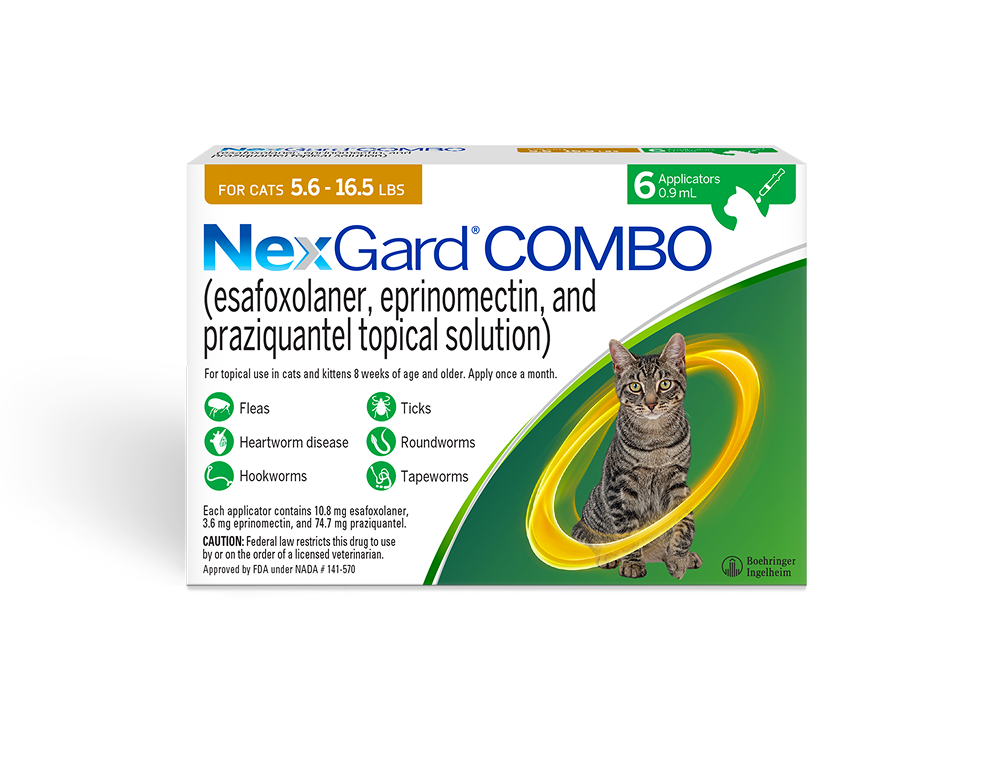
Topical flea treatments are liquids applied directly to your cat’s skin. Usually placed at the back of the neck to prevent licking. These solutions kill fleas and stop eggs from hatching.
- Easy to use once a month
- Water-resistant after drying
- Works fast to kill adult fleas
- Often combined with other parasite protection
Topical treatments create a protective layer on the skin. They spread through natural oils and reach fleas quickly. Choose products made for cats only. Follow instructions carefully for safe use.
Oral Medications
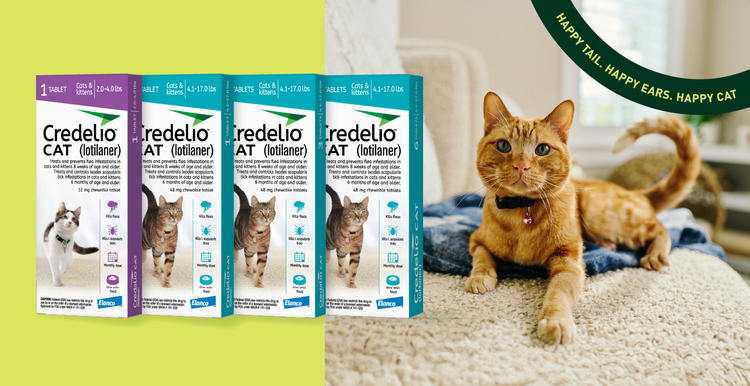
Oral flea medications come as tablets or chewables your cat swallows. They work from inside the body to kill fleas after they bite.
- Easy to give with food
- Long-lasting protection
- Does not wash off with bathing
- Some treat other parasites too
Oral meds begin working within hours. They stop flea eggs from developing and reduce flea populations quickly. Always use medicines prescribed by your vet. Keep the correct dosage for your cat’s weight and age.
Natural Alternatives
Natural alternatives offer a gentle way to protect your indoor cat from fleas without relying on harsh chemicals. These options often come with fewer side effects and can be easily integrated into your daily routine. But how effective are they, and can they really keep those pesky fleas at bay?
Herbal Remedies
Herbs like rosemary, lavender, and eucalyptus have natural flea-repellent properties. You can make a simple spray by boiling these herbs in water, letting it cool, and then spraying it lightly on your cat’s fur and bedding.
Some cat owners swear by sprinkling dried herbs around the home, especially near your pet’s favorite resting spots. It’s important to monitor your cat’s reaction, as some herbs might cause allergies or irritation.
Essential Oils
Essential oils such as cedarwood and peppermint are known to repel fleas effectively. However, cats are sensitive to many essential oils, so use them with caution and always dilute properly.
Instead of applying oils directly on your cat, try diffusing them in the room or adding a few drops to your vacuum cleaner bag to reduce flea populations in your living space. Have you checked if your cat shows any discomfort when exposed to these scents?
Credit: my.elanco.com
Consulting A Veterinarian
Consulting a veterinarian is essential for deciding if indoor cats need flea prevention. These professionals provide expert guidance tailored to your cat’s unique situation. Their knowledge helps prevent unnecessary treatments or missed risks.
Professional Advice
Veterinarians understand flea behavior and cat health deeply. They assess your cat’s lifestyle and environment carefully. This helps determine if flea prevention is necessary. They also consider any health issues that might affect treatment choices.
Tailored Treatment Plans
Each cat needs a plan designed for its needs. Vets suggest the safest and most effective products. They consider age, weight, and medical history. This ensures flea prevention works well without harming your cat.
Frequently Asked Questions
Do Indoor Cats Get Fleas Without Outdoor Exposure?
Indoor cats can get fleas even without outdoor access. Fleas can hitch a ride on humans, other pets, or items brought inside. Regular flea prevention helps keep indoor cats safe from infestations and related health issues.
How Often Should Indoor Cats Have Flea Prevention?
Indoor cats typically need flea prevention every month or as recommended by a vet. Consistent treatment ensures any accidental flea exposure is controlled before it becomes a problem.
Are Flea Treatments Safe For Indoor Cats?
Yes, flea treatments designed for cats are generally safe when used correctly. Always choose vet-approved products and follow dosage instructions to avoid side effects.
Can Fleas Survive Inside A Clean Home?
Fleas can survive indoors, especially in carpets, bedding, or furniture. A clean home reduces flea risks but doesn’t eliminate the need for prevention on cats.
Conclusion
Indoor cats can still get fleas, so prevention matters. Fleas can enter through windows, shoes, or other pets. Regular flea checks keep your cat healthy and happy. Choose safe, vet-approved treatments to protect your pet. Prevention helps avoid itching, allergies, and infections.
Keeping your home clean reduces flea risks too. Small steps make a big difference in flea control. Protect your indoor cat with simple, steady care.
