

Facing the possibility that your beloved cat might be nearing the end of its life is heartbreaking. You want to be sure—how do you know if your cat is dying?
Recognizing the signs early can help you provide comfort and make important decisions. You’ll learn the key changes to watch for and what they mean. Understanding these signs will give you the clarity and peace of mind you need to support your furry friend in their final days.
Keep reading to find out what to look for and how to respond with love and care.
Physical Signs Of Decline
Recognizing physical signs of decline in a cat can be difficult but important. These signs often reveal when a cat is nearing the end of life. Observing subtle changes helps provide timely comfort and care. Physical symptoms show how the body weakens and prepares to shut down.
Weight Loss And Muscle Wasting
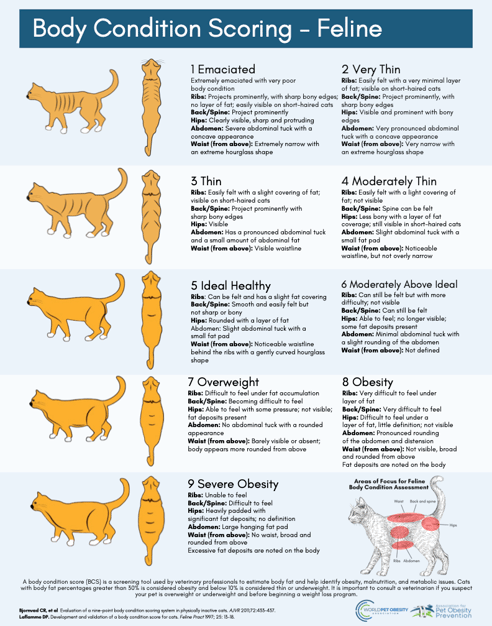
One clear sign is noticeable weight loss. Cats lose muscle mass and look thinner than usual. Their bones may become more visible under the skin. This happens because the body stops absorbing nutrients well. Muscle wasting makes moving and jumping harder for the cat.
Changes In Coat Condition
The coat loses its shine and becomes dull or rough. Cats may stop grooming themselves properly. You might see patches of missing fur or mats forming. Skin can look dry or flaky. These changes show the cat is too weak to maintain its normal hygiene.
Lethargy And Weakness
The cat spends most of the time sleeping or resting. Energy levels drop, and even small movements require effort. The cat might avoid playing or interacting with people. Weakness can cause unsteady walking or difficulty standing. This shows the body is slowing down significantly.
Credit: www.preventivevet.com
Behavioral Changes
Changes in behavior often signal that a cat is nearing the end of life. Cats may act differently because of pain or discomfort. These shifts can be subtle or quite clear, but they usually show sadness or weakness. Watching your cat closely can help notice these changes early. Understanding these behaviors can prepare you for what lies ahead.
Hiding More Often
Cats usually find quiet, safe places to hide when they feel unwell. They might stay in dark corners or under furniture. This behavior protects them from stress and danger. A cat that hides more than usual may be trying to avoid pain or fear. Notice if your cat avoids family members or stays out of sight for long periods.
Loss Of Interest In Play
Play is a sign of a happy and healthy cat. When a cat stops playing, it may mean it feels weak or tired. Toys and games that once excited your cat might now be ignored. This loss of interest can happen slowly or suddenly. It shows the cat has less energy and motivation.
Altered Sleep Patterns
Cats sleep a lot, but changes in their sleep routine can be a warning. A cat near death may sleep much more or less than usual. They might seem restless or have trouble finding a comfortable spot. Sometimes, they wake up confused or disoriented. These sleep changes indicate discomfort or illness affecting their body.
Appetite And Thirst Variations
Changes in your cat’s appetite and thirst can signal serious health issues, including the possibility that they may be nearing the end of their life. Paying close attention to these variations helps you respond quickly and provide the care your cat needs. Understanding what to look for can make a difficult time a little more manageable.
Decreased Appetite
If your cat suddenly stops eating or shows little interest in food, it’s a red flag. Cats often hide pain or discomfort, but a clear drop in appetite can indicate illness or organ failure. I once noticed my cat refusing her favorite treats and meals; it was subtle but persistent, prompting a vet visit that revealed a serious condition.
Watch for these signs:
- Ignoring favorite foods
- Eating only small amounts
- Frequent pawing at the mouth or drooling
Ask yourself: Has your cat’s eating pattern changed suddenly or gradually? Sudden loss is more urgent, but gradual decline still needs attention.
Increased Thirst Or Dehydration
Sometimes your cat may drink more water than usual, which can be a sign of kidney problems, diabetes, or other health issues. On the other hand, dehydration occurs when your cat drinks less or can’t retain fluids properly, which can be equally dangerous.
Look out for:
- Drinking water excessively or frequently
- Dry gums or sunken eyes
- Less frequent urination or very dark urine
Have you noticed your cat’s water bowl emptying faster or staying full despite heat or activity? These clues are important to share with your vet immediately.
Respiratory And Cardiovascular Indicators
Respiratory and cardiovascular signs reveal much about a cat’s health. These systems work together to keep oxygen flowing and the heart beating strong. Changes here often signal serious problems. Watching for these signs helps detect if a cat is nearing the end of life.
Breathing Difficulties
Breathing changes show distress in cats. Rapid, shallow breaths or long pauses between breaths are warning signs. Labored breathing with open mouth or noisy gasps indicates severe trouble. Blue or pale gums suggest low oxygen levels. A cat struggling to breathe needs urgent attention.
Heart Rate Irregularities
Normal cat heartbeats range from 140 to 220 beats per minute. Too fast or too slow beats can mean heart failure. Irregular rhythms or skipped beats often indicate serious heart issues. Weak pulse or cold limbs point to poor blood circulation. These signs show the heart may be failing.
Digestive System Issues
Digestive system issues often signal serious health problems in cats nearing the end of life. The digestive tract is sensitive and shows distress quickly. Changes in eating, drinking, and bathroom habits can reveal underlying pain or disease. Careful observation helps in understanding your cat’s condition better.
Vomiting And Diarrhea
Frequent vomiting or diarrhea weakens cats rapidly. It leads to dehydration and loss of essential nutrients. These symptoms might occur alongside lethargy and refusal to eat. Persistent vomiting or diarrhea means the digestive system is failing. Watch for:
- Repeated episodes over a short time
- Blood in vomit or stool
- Severe weakness or collapse
These signs require immediate veterinary attention to ease your cat’s discomfort.
Constipation Concerns
Constipation in a dying cat causes pain and distress. It can make the abdomen hard and swollen. Cats might strain without producing stool or pass only small amounts. Look for:
- Decreased appetite or refusal to eat
- Hiding or restless behavior
- Visible discomfort when trying to use the litter box
Chronic constipation may indicate severe organ failure or dehydration. Prompt care can improve comfort and quality of life.

Credit: www.reddit.com
Pain And Discomfort Signals
Recognizing pain and discomfort in your cat is crucial when you suspect they might be nearing the end of their life. Cats are masters at hiding their pain, which can make it hard for you to know how they truly feel. Paying close attention to subtle signals can help you provide comfort and seek timely veterinary care.
Vocalizations Of Pain
Has your cat started making unusual sounds? Cats in pain often vocalize differently—this could mean louder meows, growls, or even hissing when touched or moved.
Some cats may emit soft, plaintive cries or whimpering, which is a clear indication that something is wrong. You might notice your usually quiet cat suddenly becoming more vocal, especially during moments of distress.
Pay attention to changes in their typical sounds. Are they more frequent or intense? These vocal changes can be a direct way your cat tells you they’re hurting.
Sensitivity To Touch
Have you noticed your cat flinching or pulling away when you pet them? Increased sensitivity to touch often signals pain or discomfort.
They might avoid being picked up, or react negatively when you touch certain areas like their abdomen, joints, or back. This kind of behavior isn’t just stubbornness—it’s your cat’s way of protecting themselves from pain.
Observe where your cat allows you to touch and where they don’t. Avoid forcing contact and instead, try to find gentle ways to comfort them. This awareness can make a big difference in easing their suffering.
Seeking Veterinary Care
Seeking veterinary care is a crucial step when you suspect your cat may be nearing the end of life. Professional guidance can provide clarity and comfort during this difficult time. Knowing when and how to reach out to a vet can make a significant difference in your cat’s quality of life and your peace of mind.
When To Contact A Veterinarian
If you notice sudden changes in your cat’s behavior or health, it’s time to call a veterinarian. Signs like severe lethargy, difficulty breathing, loss of appetite for more than 24 hours, or unresponsive behavior should never be ignored.
Don’t wait for symptoms to worsen. Early intervention can help manage pain and improve comfort. Ask yourself: Is your cat hiding excessively, showing signs of pain, or having trouble moving? These are urgent signals to seek professional help.
Preparing For The Vet Visit
Preparing for the visit can reduce stress for both you and your cat. Bring a list of symptoms you’ve observed, noting when they started and how they have changed.
Also, gather your cat’s medical history and any medications they’re taking. This helps the vet make a quicker and more accurate assessment.
Consider bringing a familiar blanket or toy to comfort your cat during the trip. Planning your questions in advance ensures you don’t forget important concerns during the appointment.
Emotional Support For Pet Owners
Facing the reality that your cat may be nearing the end of its life is incredibly hard. Emotional support is crucial during this time to help you process your feelings and make compassionate decisions. You’re not alone, and understanding how to manage your emotions can bring some comfort amid the uncertainty.
Coping With Anticipatory Grief
Anticipatory grief happens before your cat actually passes away. It’s normal to feel sadness, anxiety, and even guilt as you watch your pet’s health decline. Recognizing these emotions can help you handle them more effectively.
Try to be present with your cat without rushing the inevitable. Spend quiet moments together, which can provide peace for both of you. Have you noticed how sometimes just stroking their fur can ease your mind?
Writing down your feelings or talking openly with someone you trust can also ease the burden. Remember, it’s okay to cry and feel vulnerable. These feelings are part of your love for your pet.
Support Networks And Resources
You don’t have to go through this alone. Many communities and online groups offer understanding and advice from people who have been where you are now.
- Local pet loss support groups
- Online forums and social media communities
- Professional counselors specializing in pet grief
- Veterinary staff who can provide guidance and reassurance
Sometimes, sharing stories about your cat’s unique quirks and personality helps create a sense of connection. How might reaching out to others change your experience during this difficult time?
Finding these networks early can prepare you emotionally and offer practical tips for your cat’s care. Don’t hesitate to seek help—your well-being matters as much as your pet’s.

Credit: www.petscare.com
Frequently Asked Questions
What Are Common Signs Your Cat Is Dying?
Common signs include loss of appetite, extreme lethargy, difficulty breathing, and hiding. Changes in behavior, unresponsiveness, and weakness also indicate serious health issues that may signal the end of life.
How Can You Comfort A Dying Cat?
Provide a quiet, warm space with familiar bedding. Offer gentle petting and stay close. Ensure access to water and soft food, and maintain a calm, stress-free environment.
When Should You Take A Cat To The Vet?
Visit the vet if your cat shows severe weakness, labored breathing, seizures, or unresponsiveness. Early professional care can ease suffering and provide guidance on end-of-life decisions.
Can A Cat’s Eating Habits Indicate Nearing Death?
Yes, a dying cat often loses appetite or stops eating entirely. This is a natural part of the dying process and signals serious health decline.
Conclusion
Watching your cat closely helps you notice signs of serious illness. Changes in behavior or appetite can signal trouble. Speak with a vet for advice and support. Gentle care and comfort matter most during this time. Every moment with your cat is precious and valuable.
Trust your feelings and act with kindness always.
