

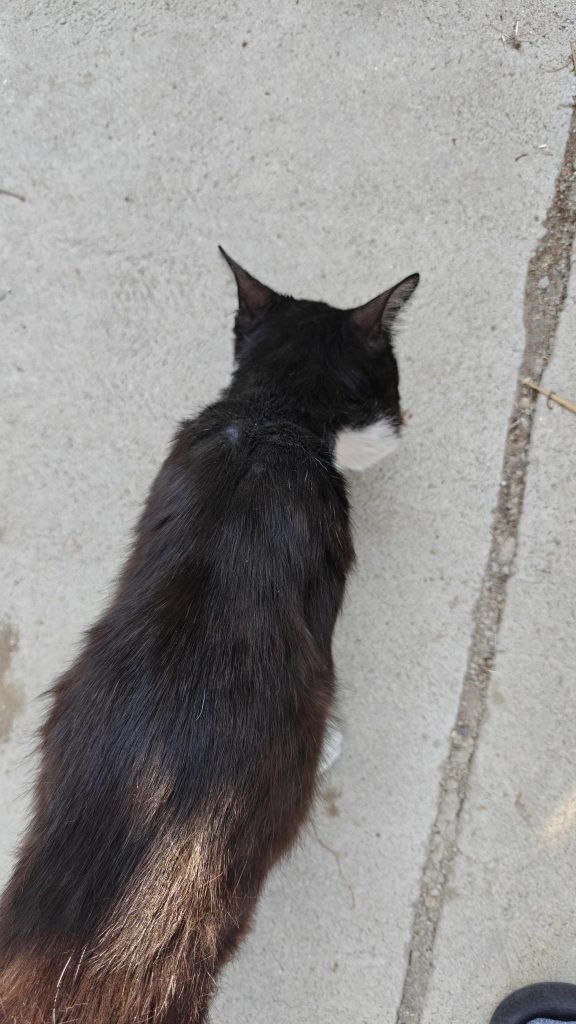
Have you ever come across a stray cat that looks hurt or unwell? Seeing an animal in pain can pull at your heartstrings and leave you wondering what to do next.
That stray cat needs medical attention, and your quick actions could make all the difference. You’ll learn how to recognize the signs of illness or injury in stray cats, what steps you should take to help them, and why your care matters more than you might think.
Keep reading—this could be the moment you save a life.
Identifying Signs Of Illness In Stray Cats
Stray cats often hide their pain well. Spotting illness early can save their lives. Knowing the signs helps you act fast. Watch carefully for changes in how they behave and look.
Behavioral Changes
Ill stray cats may act differently than usual. They might:
- Hide more than before
- Move slowly or seem weak
- Avoid food or water
- Be less social or avoid people
- Meow more or less than usual
- Show signs of confusion or disorientation
These changes tell you something is wrong inside.
Physical Symptoms To Watch
Look for clear signs on the cat’s body. Common symptoms include:
- Runny eyes or nose
- Dirty or matted fur
- Visible wounds or swelling
- Labored breathing or coughing
- Weight loss or bloated belly
- Limping or trouble walking
- Vomiting or diarrhea
These symptoms need medical care quickly.

Credit: www.gofundme.com
Approaching A Stray Cat Safely
Approaching a stray cat safely is crucial, especially when the cat needs medical attention. Stray cats can be frightened or defensive, making careful handling necessary for both your safety and the cat’s well-being. Understanding how to get close without causing stress can make a big difference in gaining the cat’s trust and ensuring it receives the care it needs.
Tools And Gear For Safe Handling
Having the right tools can protect you and the cat during the approach. A sturdy cat carrier is essential for transporting the cat safely once you’ve gained its trust. Thick gloves can shield your hands from scratches or bites.
Other useful items include:
- A towel or blanket to gently wrap the cat if it becomes scared or aggressive.
- A humane trap if the cat is too wild to approach directly.
- Soft treats or food to lure the cat closer.
Remember, rushing without preparation can lead to injury or missed chances to help the animal.
Building Trust With The Cat
Patience is key when building trust with a stray cat. Move slowly and speak softly to avoid startling it. Avoid direct eye contact at first, as cats can perceive this as a threat.
Spend time sitting quietly nearby, allowing the cat to observe you without pressure. Offering food consistently in the same spot can encourage the cat to associate you with positive experiences. Have you noticed how a calm presence can change an animal’s behavior?
Once the cat seems more comfortable, try extending a hand slowly for it to sniff. Never force contact; let the cat decide when it’s ready. This gentle approach increases your chances of safely helping the stray cat get the medical attention it needs.
Initial Care And First Aid
When you find a stray cat that needs medical attention, the moments right after rescue are crucial. Initial care and first aid set the stage for the cat’s recovery and help prevent infections and worsening conditions. You don’t have to be a vet to provide effective care, but you do need to act carefully and calmly.
Cleaning Wounds
Cleaning wounds is often the first step in helping an injured stray cat. Use lukewarm water and a mild antiseptic solution to gently rinse the affected area. Avoid harsh soaps or alcohol, which can irritate the skin and delay healing.
Pat the wound dry with a clean cloth or gauze—never rub, as this can cause more damage. If you see dirt or debris, try to remove it carefully with tweezers sterilized by boiling water. This simple care can dramatically reduce the risk of infection before you get professional help.
Addressing Common Injuries
Stray cats often suffer from injuries like cuts, scrapes, and minor burns. You can apply a thin layer of antibiotic ointment to these areas to protect them. Be cautious not to use human medication without vet approval, as some ingredients can be toxic to cats.
For swelling or bruises, cold compresses applied for short periods can reduce pain and inflammation. If the cat has a limp or seems unable to move properly, keep it confined in a comfortable, quiet space to prevent further injury.
Have you ever wondered how to tell if a cat’s injury needs immediate professional care? Signs like heavy bleeding, deep wounds, or difficulty breathing require urgent vet attention. Your prompt and gentle actions in these first moments can mean the difference between life and death for a stray cat in need.

Credit: www.reddit.com
When To Seek Professional Help
Knowing when to get professional help is vital for a stray cat’s health. Stray cats often hide pain or injuries. Acting fast can save their life. Watch for clear signs of distress or severe illness. Early care prevents worsening conditions. Veterinary experts offer the right treatment and support. Understanding emergency signs and locating nearby clinics ensures timely aid.
Recognizing Emergency Situations
Look for these urgent signs:
- Heavy bleeding or deep wounds
- Breathing difficulties or choking
- Unconsciousness or seizures
- Severe limping or broken bones
- Extreme weakness or collapse
- Persistent vomiting or diarrhea
- Sudden blindness or eye injury
- Signs of poisoning or toxic exposure
- Heatstroke or hypothermia symptoms
These conditions need immediate veterinary care. Do not delay or try home remedies.
Finding Nearby Veterinary Clinics
Search for emergency vet clinics in your area. Use online maps or local directories. Community animal shelters often have vet contacts. Call ahead to confirm services and hours. Note clinics open 24/7 for emergencies. Keep phone numbers saved for quick access. Transport the cat safely with a secure carrier. Early professional help improves the cat’s chance for recovery.
Transporting The Cat To A Vet
Transporting a stray cat to the vet can be challenging, especially if the cat is frightened or injured. Your goal is to make the trip as safe and calm as possible for both you and the cat. Proper preparation can reduce stress and prevent injury during the journey.
Preparing A Safe Carrier
Choose a sturdy carrier that is well-ventilated and secure. Avoid using open boxes or bags, as the cat might escape or get hurt. Line the bottom with a soft towel or blanket to provide comfort and absorb any accidents.
Before placing the cat inside, let it get familiar with the carrier by leaving it open in a quiet area. You might add a small piece of clothing with your scent to help the cat feel safer. If the cat is aggressive or scared, use a towel to gently wrap and carry it into the carrier without hurting or alarming it further.
Ensuring A Stress-free Journey
Keep the carrier covered with a light cloth or towel to block out overwhelming sights and sounds. Speak softly to the cat during the trip to offer reassurance. Avoid sudden movements or loud noises that can increase anxiety.
Plan your route to minimize travel time and avoid heavy traffic whenever possible. Have water and a small towel handy in case the cat needs attention during the ride. Ask yourself: how can you turn this stressful experience into a calmer one for the cat?

Credit: www.reddit.com
Post-treatment Care And Monitoring
After a stray cat receives medical treatment, the journey to full recovery is just beginning. Post-treatment care and monitoring play a crucial role in ensuring the cat heals properly and avoids any setbacks. By paying close attention to their environment and health progress, you can make a real difference in their recovery outcome.
Creating A Comfortable Recovery Environment
Your stray cat needs a quiet and safe space to recover. Choose a warm, draft-free area away from loud noises and other pets. Soft bedding can make a big difference in comfort and encourage rest, which is essential for healing.
Keep food, water, and a litter box close by to minimize the cat’s need to move around too much. This setup helps reduce stress and promotes better rest. Have you thought about how your home layout might affect the cat’s recovery speed?
Lighting is another factor to consider. A dim environment mimics nighttime and supports natural sleep cycles, aiding the cat’s recovery. Avoid disturbing the cat unnecessarily; gentle handling only when needed builds trust and eases stress.
Monitoring Health Progress
Regular observation is key to spotting any signs of complications early. Check the cat’s appetite, energy levels, and behavior daily. Sudden changes could indicate pain, infection, or other issues that require immediate attention.
Track the healing of wounds or surgical sites carefully. Look for redness, swelling, or discharge. Taking photos can help you notice subtle changes over time and share accurate information with a vet if needed.
- Record the cat’s temperature if possible, as fever may signal infection.
- Note any coughing, sneezing, or breathing difficulties.
- Ensure the cat uses the litter box normally to monitor digestion and urinary health.
Have you prepared a simple checklist or journal to keep all this information organized? It can be a lifesaver during follow-up vet visits and helps you stay proactive in your cat’s care.
Resources For Stray Cat Care
Finding the right resources can make a huge difference when a stray cat needs medical attention. You might feel overwhelmed, but help is closer than you think. Knowing where to turn can speed up the process and improve the cat’s chances of recovery.
Local Animal Shelters And Rescues
Local shelters and rescue groups often have the experience and connections to provide immediate medical care for stray cats. Many operate low-cost or free veterinary clinics, which can be a lifesaver if you’re worried about expenses.
Reach out to shelters near you and ask about their policies for stray cats in need of treatment. Some organizations also offer fostering programs, allowing you to care for the cat at home while it recovers. Have you checked if your city has a trap-neuter-return (TNR) program? These can be crucial for managing stray populations humanely.
Online Communities And Support Networks
Online groups dedicated to animal rescue can connect you with people who have faced similar challenges. Websites and social media platforms host forums where you can ask for advice, find recommendations for vets, and sometimes even get financial help.
These communities often share tips on safely capturing and transporting a stray cat, which can be tricky if the cat is scared or injured. Have you considered posting a clear photo and description of the cat online? It might help reunite the animal with its owner or attract local volunteers willing to assist.
Frequently Asked Questions
How To Identify If A Stray Cat Needs Medical Attention?
Look for visible injuries, limping, lethargy, or abnormal behavior. Check for discharge from eyes or nose. Sudden weight loss or poor coat condition are also signs.
What Should I Do If I Find A Sick Stray Cat?
Approach gently to avoid stress. Provide water and food. Contact a local animal rescue or veterinarian for medical help promptly.
Can Stray Cats Transmit Diseases To Humans?
Yes, stray cats may carry diseases like ringworm, toxoplasmosis, or cat scratch fever. Always handle with care and wash hands afterward.
How Can I Safely Transport A Stray Cat To The Vet?
Use a secure pet carrier or box with ventilation. Line with a soft cloth for comfort. Avoid sudden movements to keep the cat calm.
Conclusion
Stray cats often suffer silently and need help quickly. Acting fast can save their lives and ease pain. Taking a stray cat to a vet is a kind choice. Small efforts from you can make a big difference. Every stray deserves care, warmth, and a safe place.
Together, we can give stray cats a better chance. Caring for them shows our kindness and respect for life. Let’s stay aware and ready to help these animals.
