

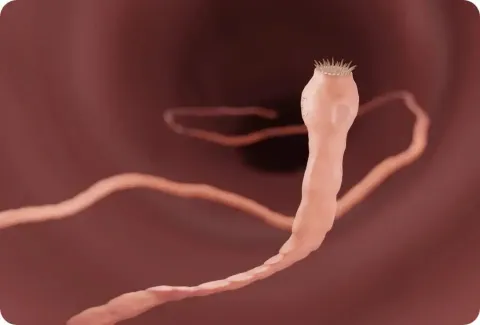
Have you ever noticed tiny white grains near your cat’s rear or in their stool? Those could be tapeworm segments, and if you’re wondering how your cat got them, you’re not alone.
Understanding how cats get tapeworms is important for keeping your furry friend healthy and happy. You’ll discover the surprising ways tapeworms find their way into your cat’s body and what signs you should watch for. Keep reading to protect your pet and prevent these unwelcome visitors from making themselves at home.
Common Causes Of Tapeworms In Cats
Tapeworms are common parasites in cats. Understanding how cats get tapeworms helps in prevention. Several causes lead to tapeworm infections. These causes involve the cat’s environment and behavior. Recognizing these causes can keep your cat healthy and parasite-free.
Flea Infestations
Fleas are the main carriers of tapeworm eggs. When cats have fleas, they risk swallowing infected ones. Fleas live on cats and lay eggs in fur. A flea infestation increases tapeworm chances. Controlling fleas reduces tapeworm risks significantly.
Hunting And Consuming Prey
Cats that hunt small animals face tapeworm risks. Rodents and birds can carry tapeworm larvae. Eating these prey animals passes the parasites to cats. Outdoor cats are especially vulnerable to this cause. Preventing hunting lowers tapeworm infection chances.
Ingesting Infected Fleas
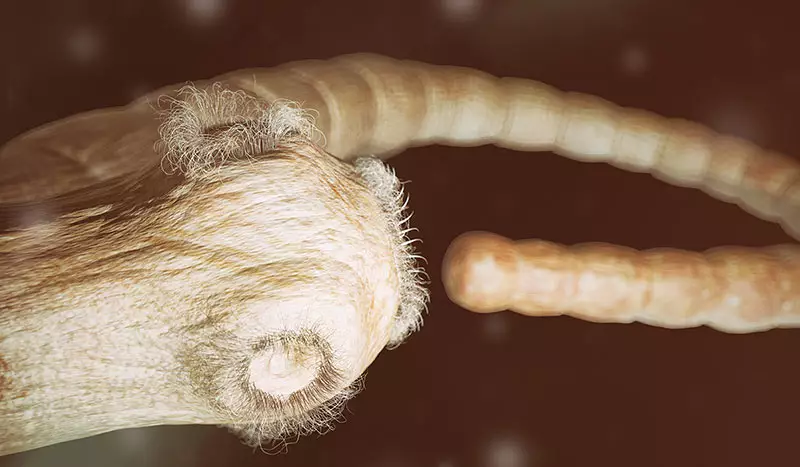
Tapeworm eggs hatch inside fleas. Cats get tapeworms by eating these fleas. Grooming or biting at fleas leads to ingestion. Even a few infected fleas can cause tapeworms. Keeping fleas off cats is crucial to avoid this cause.
Credit: bowwowinsurance.com.au
Signs Your Cat Has Tapeworms
Noticing the signs your cat has tapeworms early can save you from bigger health issues later. These parasites are sneaky, often hiding inside your pet without obvious symptoms. However, some clues can alert you that a visit to the vet is necessary.
Visible Worms In Feces
One of the clearest signs of tapeworms is seeing small, white, rice-like segments in your cat’s feces or around their anus. These segments can sometimes move, which might catch your eye during litter box cleaning. If you spot these, don’t ignore them—your cat likely needs treatment.
Changes In Appetite
Have you noticed your cat suddenly eating more or less than usual? Tapeworms can cause discomfort and digestive issues, leading to an increase or decrease in appetite. Pay attention if your cat’s eating habits shift without any other obvious reason.
Weight Loss And Poor Coat Condition
Even if your cat is eating normally, tapeworms can steal vital nutrients, causing weight loss. You might also notice their fur becoming dull, dry, or patchy. These subtle changes often indicate your cat isn’t absorbing nutrients properly.
Health Risks Of Tapeworms For Cats
Tapeworms pose more than just a nuisance to your cat—they can seriously affect their health. Understanding the risks helps you spot signs early and take action before things get worse. Are you aware of what these parasites can do inside your cat’s body?
Digestive Issues
Tapeworms attach themselves to your cat’s intestines, causing irritation and discomfort. You might notice your cat vomiting or having diarrhea more often than usual. These symptoms can make your cat lose interest in food and affect their overall mood.
Nutritional Deficiencies
Since tapeworms absorb nutrients from your cat’s food, your furry friend may not get enough vitamins and minerals. This can lead to weight loss despite a healthy appetite. Have you seen your cat looking thinner or less energetic without a clear reason?
Potential For Severe Complications
In some cases, tapeworms can cause intestinal blockages or infections if left untreated. This might require emergency veterinary care. Ignoring early symptoms can lead to pain and serious health issues, so monitoring your cat closely is crucial.

Credit: harmonypetclinic.com
Effective Prevention Strategies
Preventing tapeworm infections in cats is essential for their health and comfort. Effective prevention strategies focus on controlling fleas, managing the environment, and maintaining regular health checks. These steps reduce the chances of tapeworm exposure and keep your cat happy and safe.
Regular Flea Control
Fleas are the main carriers of tapeworm larvae. Controlling fleas stops the spread of tapeworms. Use flea treatments recommended by your vet. Apply these treatments consistently, especially during warm months. Check your cat’s fur often for signs of fleas. Keep your home clean by vacuuming floors and furniture regularly. This removes flea eggs and larvae from your living space.
Safe Environment Management
Keep your cat’s surroundings clean and safe to prevent tapeworms. Remove rodent nests and limit your cat’s hunting outside. Rodents can carry tapeworm larvae and infect your cat. Dispose of pet waste quickly to reduce parasites around your home. Avoid feeding raw or undercooked meat to your cat. This meat might contain tapeworm larvae and cause infection.
Routine Vet Check-ups
Regular vet visits help catch tapeworm infections early. Your vet can recommend the right deworming schedule for your cat. Routine checks include stool tests to detect parasites. Early treatment stops tapeworms from causing serious health issues. Keep all vaccinations and parasite controls up to date. This supports your cat’s overall health and immunity.
Treatment Options For Infected Cats
Dealing with tapeworms in cats can feel overwhelming, but knowing the right treatment options makes a big difference. Getting your feline friend back to health involves a mix of medications, natural care, and careful follow-up. Let’s look at how you can tackle this issue effectively and safely.
Prescription Medications
Veterinarians usually prescribe medications that kill tapeworms quickly. These drugs often come as tablets or injections and work by targeting the parasite inside your cat’s intestines.
Common medications include praziquantel and epsiprantel. They are safe and highly effective when given as directed. Have you noticed small segments near your cat’s tail or in their litter box? That’s often a sign your vet might prescribe these meds.
Natural Remedies
Some pet owners look for natural ways to support tapeworm treatment. While these remedies aren’t substitutes for vet-prescribed drugs, they can help improve your cat’s overall gut health.
- Adding pumpkin seeds to your cat’s diet may help expel tapeworms.
- Probiotics support healthy digestion and can strengthen your cat’s immune system.
- Regular grooming reduces flea exposure, which is a common tapeworm carrier.
Have you tried any natural approaches with your pet? Remember, always discuss these with your vet first to avoid interfering with prescribed treatments.
Follow-up Care
After treatment, keeping an eye on your cat is crucial. Tapeworms can reappear if fleas are not controlled or if your cat continues to hunt rodents.
Schedule follow-up vet visits to check your cat’s progress. Maintain a flea control plan and keep your cat’s environment clean. Your attention here is key to preventing future infections.
What steps are you taking to protect your cat long term? Small daily habits can make a huge difference in your pet’s health.
Tips For Cat Owners
Keeping your cat safe from tapeworms means more than just regular vet visits. You have to be proactive in everyday care and aware of how tapeworms spread. Here are some practical tips that you can start using today to protect your furry friend.
Maintaining Hygiene
Cleanliness is key in preventing tapeworm infections. Regularly clean your cat’s litter box and living areas to reduce the risk of parasite eggs spreading.
Wash your hands after handling your cat, especially before eating. This simple habit helps stop parasites from transferring to you or other pets.
Check your cat’s fur and skin often for fleas, which are common carriers of tapeworm larvae. Flea control is one of the best defenses.
Monitoring Outdoor Activities
Outdoor cats face higher risks of catching tapeworms because they interact with fleas, rodents, and other animals. Watch where your cat wanders and try to limit unsupervised roaming.
If your cat hunts or eats small animals, it’s more likely to get tapeworms. Observe their behavior and discourage hunting if possible.
Consider creating a safe outdoor space, like a catio, where your cat can enjoy fresh air without exposure to common tapeworm carriers.
Educating On Risks And Prevention
Do you know which signs might indicate a tapeworm infection? Teaching yourself about symptoms helps you act quickly if your cat gets infected.
Talk to your vet about regular deworming schedules and flea control plans tailored to your cat’s lifestyle. Staying informed is your best defense.
Share what you learn with family or friends who also have cats. The more people aware of the risks, the safer all your pets will be.

Credit: www.reddit.com
Frequently Asked Questions
How Do Cats Get Tapeworms From Fleas?
Cats get tapeworms by ingesting infected fleas during grooming. Fleas carry tapeworm larvae, which develop inside the cat’s intestines. This is the most common way cats become infected with tapeworms. Regular flea control can prevent this transmission effectively.
Can Outdoor Cats Catch Tapeworms More Easily?
Yes, outdoor cats have higher tapeworm risk due to exposure to fleas and small animals. Hunting rodents or birds can transmit tapeworm larvae. Keeping outdoor cats flea-free reduces their chances of tapeworm infection significantly.
What Are Common Symptoms Of Tapeworms In Cats?
Tapeworm symptoms include weight loss, scooting, and visible rice-like segments near the cat’s anus. Cats may also scratch their rear excessively. If you notice these signs, consult a vet for diagnosis and treatment.
How Can I Prevent Tapeworms In My Cat?
Prevent tapeworms by controlling fleas and limiting hunting behavior. Use vet-recommended flea treatments regularly. Maintain a clean environment and schedule routine veterinary checkups to detect and treat infections early.
Conclusion
Cats get tapeworms mainly by eating fleas or small animals. Fleas carry tapeworm eggs that infect cats when swallowed. Keeping your cat free of fleas helps prevent tapeworms. Regular vet visits catch and treat infections early. Clean living spaces reduce the chance of flea infestations.
Watch your cat’s behavior for signs like weight loss or itching. Treating tapeworms quickly keeps your cat healthy and happy. Simple steps protect your cat from this common parasite. Stay alert and care for your cat every day.
