

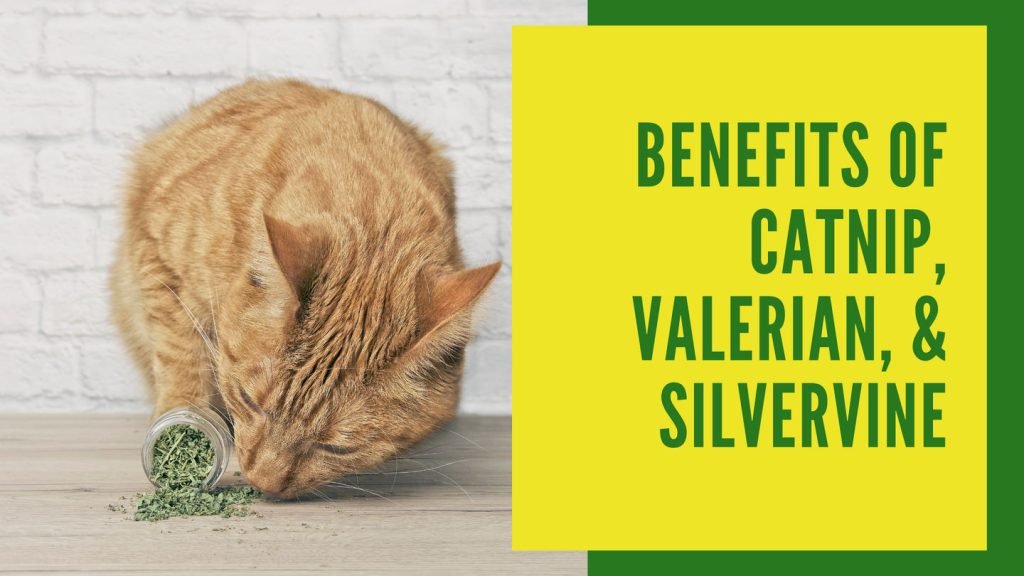
Have you ever wondered if catnip is really necessary for your feline friend? You might have seen cats go wild over those little green leaves and thought, “Does my cat need this to be happy?” Understanding whether catnip is a must-have or just a fun extra can help you make the best choices for your cat’s well-being.
Keep reading, because what you learn here could change the way you care for your furry companion—and make playtime even more exciting for both of you.
Credit: paradepets.com
What Is Catnip
Catnip is a fascinating plant that often sparks curiosity among cat owners. You might have seen your cat suddenly become playful or relaxed after coming into contact with it. But what exactly is catnip, and why does it have such a strong effect on cats?
What Is Catnip?
Catnip, scientifically known as Nepeta cataria, is a member of the mint family. It grows wild in many parts of the world and has heart-shaped, green leaves with tiny white or purple flowers.
The active ingredient in catnip is called nepetalactone. This natural oil is what triggers behavioral changes in cats, such as excitement, rolling, or calmness.
How Does Catnip Affect Cats?
Not all cats react to catnip—about 50% to 70% have a sensitivity to it. This response is hereditary, meaning some cats simply won’t respond no matter how much catnip they get.
When your cat sniffs or rubs against catnip, nepetalactone binds to receptors in their nose. This stimulates sensory neurons, leading to temporary changes in mood and behavior.
Is Catnip Safe For Your Cat?
Catnip is safe and non-addictive for cats. Most cats enjoy it in moderation and show no signs of harm.
However, giving your cat too much catnip at once can cause mild stomach upset. It’s best to offer it occasionally to keep your cat’s reaction fresh and enjoyable.
Different Forms Of Catnip
- Fresh leaves:Cats often prefer fresh catnip for sniffing and rubbing.
- Dried catnip:Commonly used in toys or sprinkled on scratching posts.
- Catnip sprays:Convenient for applying to specific areas or toys.
- Catnip-filled toys:Combine playtime with the catnip effect.
Have you noticed your cat’s favorite way to enjoy catnip? Trying different forms could reveal new ways to keep your feline friend engaged.
How Catnip Affects Cats
Catnip has a unique effect on many cats. It triggers a response that involves both their senses and behavior. Understanding how catnip affects cats helps pet owners decide if it suits their furry friends. The impact varies from cat to cat, depending on genetics and sensitivity.
Sensory Reactions
Catnip contains a compound called nepetalactone. This chemical binds to receptors in a cat’s nose. It stimulates sensory neurons that connect to the brain. Cats often sniff, lick, or chew catnip to experience this effect.
The reaction feels like a strong smell or taste sensation. Some cats may drool or paw at the catnip. Their pupils can dilate, and their ears may move forward. This sensory stimulation lasts for about 10 to 15 minutes.
Behavioral Changes
Catnip can cause playful and excited behavior. Cats may run, jump, or roll around more than usual. Some become more vocal, meowing or purring loudly. Others may seem relaxed and calm after the initial excitement.
Not all cats react the same way. About 30% of cats show no response at all. This difference is due to genetics. The behavioral changes usually fade after a short time. Cats often lose interest until they are exposed again later.
Benefits Of Catnip For Cats
Catnip offers more than just a fun reaction from your feline friend. Understanding its benefits can help you decide if it’s a worthy addition to your cat’s routine. From calming effects to stimulating activity, catnip provides a range of advantages that support your cat’s well-being.
Stress Relief
Catnip acts as a natural relaxant for many cats. If your cat gets anxious during thunderstorms or vet visits, offering catnip might help soothe their nerves. I noticed my cat instantly calmed down after a few minutes of playing with catnip, making stressful situations easier for both of us.
Using catnip in a controlled way can reduce your cat’s stress without medication. Have you ever seen your cat roll around and purr after sniffing catnip? That’s their body releasing tension and feeling more at ease.
Exercise And Play
Catnip encourages playful behavior, which is vital for your cat’s physical health. When my cat chases catnip-filled toys, she gets bursts of energy that help keep her active and fit. This natural motivation to move can prevent obesity and boredom.
Try sprinkling a little catnip on scratching posts or inside puzzle toys to boost your cat’s interest. What creative ways can you find to use catnip to get your cat moving more throughout the day?
Potential Risks Of Catnip
Catnip can be a fun treat for many cats, but it’s important to understand that it’s not without risks. While most cats respond happily to catnip, some may experience unwanted effects, especially if given too much or if they are particularly sensitive. Knowing these potential risks helps you keep your feline friend safe and happy.
Overconsumption Issues
Giving your cat too much catnip can cause problems. Some cats might become overly excited or aggressive, which can lead to stress or even injury. Others may experience mild stomach upset, including vomiting or diarrhea.
It’s a good idea to limit catnip sessions to short bursts and observe how your cat reacts. Have you noticed your cat acting unusually hyper or unsettled after catnip play? That could be a sign to cut back.
Sensitivity Variations
Not all cats respond to catnip the same way. About 30% to 50% of cats don’t react at all due to genetic differences. Meanwhile, some cats may be extremely sensitive, displaying intense behaviors that could become overwhelming.
Understanding your cat’s unique sensitivity can help you decide if catnip is a good option. Have you ever seen your cat freeze, drool, or act strangely after smelling catnip? Those signs show a high sensitivity that may require careful monitoring.
Alternatives To Catnip
Cats do not always respond to catnip. Some cats lack sensitivity to it. Finding alternatives can keep your cat happy and active. These options provide new smells and activities that stimulate your pet’s senses.
Other Herbal Options
Some herbs work like catnip for cats. Silver vine and valerian root are popular choices. These plants create a similar playful effect. You can buy them as dried leaves or sprays. Try small amounts first to see your cat’s reaction.
These herbs offer variety. They keep your cat curious and entertained. Natural herbs are safe when used properly. Always supervise your cat during playtime with new herbs.
Interactive Toys
Toys engage your cat’s mind and body. Puzzle feeders challenge cats to find treats. Wand toys encourage chasing and jumping. Balls and laser pointers stimulate hunting instincts.
- Choose toys with different textures and shapes.
- Rotate toys to keep interest high.
- Use toys daily for exercise and fun.
Interactive play strengthens your bond. It helps your cat stay healthy and happy.

Credit: www.embracepetinsurance.com
When To Offer Catnip
Knowing when to offer catnip can make a big difference in how your cat enjoys this playful treat. Timing and age play key roles in ensuring your feline friend gets the most out of their catnip experience. Let’s look at how you can decide the best moments to introduce or reintroduce catnip to your cat’s routine.
Age Considerations
Young kittens, especially those under 3 to 6 months old, often don’t react to catnip. Their sensitivity to the active compounds, like nepetalactone, usually develops as they grow. If you offer catnip too early, you might not see any response, so it’s better to wait until your kitten is a little older.
Older cats generally enjoy catnip more, but keep in mind some cats are naturally indifferent. Have you noticed your cat’s reaction to catnip before? If not, it’s worth testing when they reach around six months old to see if they respond.
Frequency And Timing
Offering catnip every day can actually reduce its effect. Your cat’s sensitivity fades with constant exposure, so it’s best to limit how often you use it. Try giving catnip a few times a week instead of daily to keep your cat excited and interested.
Timing also matters. Many cats enjoy catnip during playtime or when they need a mood boost. Watch your cat’s behavior to find their favorite moments. Do they become more playful in the morning or evening? Offering catnip during these times can enhance their enjoyment.
Remember, a little catnip goes a long way. Start with small amounts and see how your cat reacts before offering more. This helps avoid overstimulation and keeps the experience positive.
Understanding Your Cat’s Response
Understanding how your cat reacts to catnip helps you use it wisely. Each cat’s response varies. Some cats become playful and lively. Others may seem relaxed or ignore it completely. Knowing these reactions can guide your use of catnip. It ensures your cat enjoys it without stress or discomfort.
Observing Reactions
Watch your cat closely after offering catnip. Look for changes in behavior such as:
- Rolling on the floor
- Purring or meowing more
- Increased playfulness
- Sniffing or licking the catnip
- Calm or sleepy behavior
Some cats may show no interest. This is normal. About 30% of cats do not react to catnip. Reactions usually last 5 to 15 minutes. After that, your cat may lose interest and need a break.
Adjusting Usage
Use catnip in small amounts. Give it occasionally to keep your cat excited. Overuse can make your cat bored or less responsive. Try these tips:
- Offer catnip once or twice a week
- Use fresh or dried catnip for variety
- Introduce catnip in toys or scratching posts
- Stop use if your cat shows signs of stress
Adjust based on your cat’s mood and health. Every cat is different. Careful use makes catnip a fun and safe treat.

Credit: www.animalhumanesociety.org
Frequently Asked Questions
Do All Cats React To Catnip?
No, about 50-70% of cats respond to catnip. Sensitivity is inherited genetically and varies by cat. Kittens and older cats may not react at all.
Is Catnip Safe For Cats To Consume?
Yes, catnip is safe and non-toxic. Small amounts can stimulate play and relaxation. Avoid excessive use to prevent mild stomach upset.
How Often Should Cats Have Catnip?
Limit catnip exposure to a few times weekly. Frequent use can reduce its effects. Rotate with other toys to keep cats interested.
Can Catnip Help With Cat Anxiety?
Catnip can temporarily calm some cats but isn’t a cure. Effects vary by cat. Consult a vet for persistent anxiety issues.
Conclusion
Cats enjoy catnip differently, and not all need it to be happy. Catnip can bring fun and calm, but some cats don’t react at all. Use catnip in small amounts to see how your cat feels. It’s a safe way to add play and relaxation.
Remember, every cat is unique and may or may not like catnip. Knowing your cat’s preferences helps keep them happy and healthy. Simple and gentle, catnip can be a nice treat, not a must-have.
