

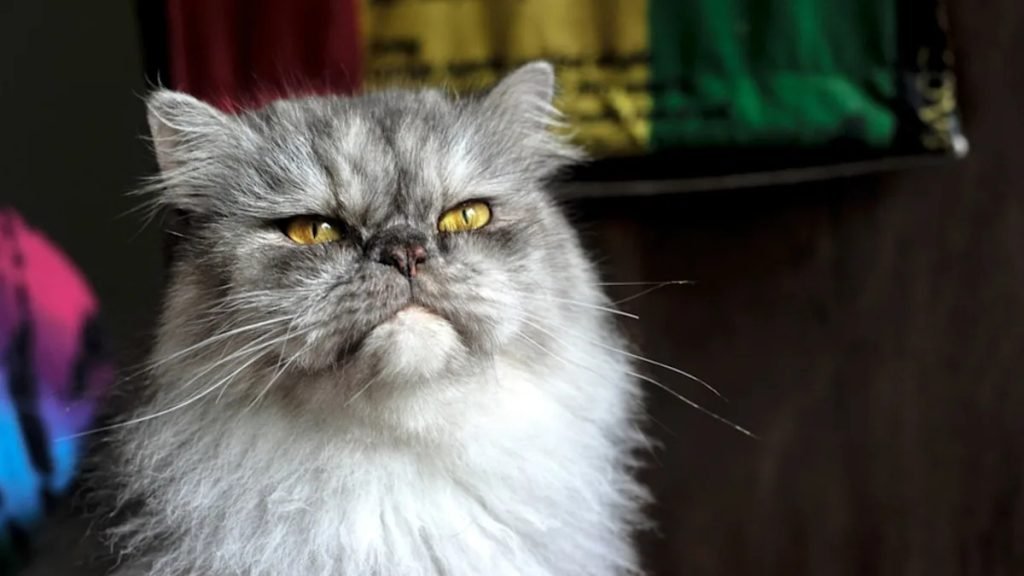
Have you ever caught your cat in a silly moment and wondered, “Do cats get embarrassed?” Maybe your furry friend slipped, missed a jump, or made a funny noise, and you couldn’t help but laugh. But did your cat feel awkward or shy afterward?
Understanding if cats experience embarrassment can change the way you see their behavior and deepen your bond. Keep reading, because what you’re about to discover might surprise you—and help you connect with your cat on a whole new level.
Feline Emotions And Behavior
Understanding your cat’s emotions and behavior is key to recognizing if they can feel embarrassment. Cats communicate mostly through body language and subtle signals, which can sometimes be misread. Paying close attention to these cues helps you connect with your feline friend on a deeper level.
Understanding Cat Emotions
Cats experience a range of emotions like happiness, fear, and curiosity. Unlike humans, their emotional expressions are less obvious but no less real. You might notice your cat’s mood change through their eyes, ears, or tail movements.
Have you ever seen your cat freeze or hide after a noisy slip or a failed jump? This could be a sign of discomfort or confusion rather than embarrassment. It shows they are aware of something unusual, which is an emotional response worth noting.
Behavioral Signals In Cats
Cats use specific behaviors to communicate their feelings to you and other animals. Look for:
- Flattened ears — indicating fear or submission
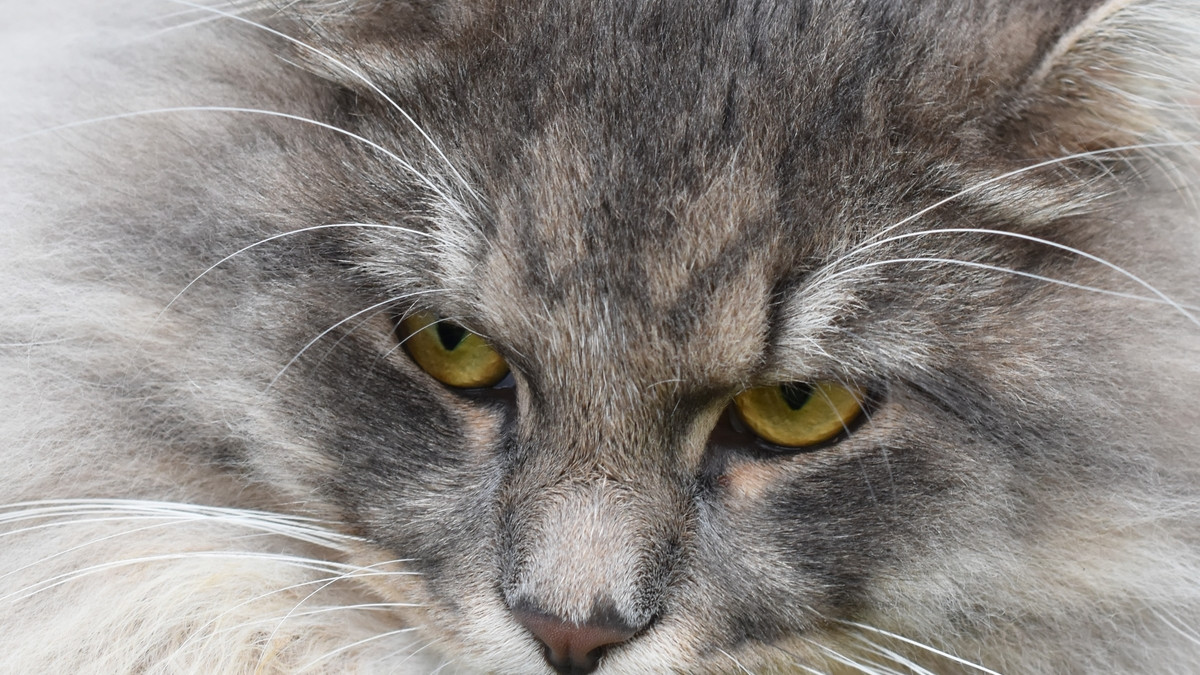
- Avoiding eye contact — showing discomfort or stress
- Tail flicking — signaling irritation or agitation
- Slow blinking — a sign of trust and relaxation
Your cat might quickly cover their face with a paw after a mishap or dart away from your gaze. These actions could suggest a fleeting sense of shame or embarrassment, but more likely reflect their instinct to protect themselves.
What signals does your cat show when it seems uneasy? Observing and interpreting these signs can help you respond better and strengthen your bond.

Credit: www.youtube.com
Signs Of Embarrassment In Cats
Understanding if cats feel embarrassment can be tricky since they don’t express emotions like humans. Yet, certain signs in their behavior and body language might suggest they experience something similar. Recognizing these signs can help you better respond to your cat’s needs and strengthen your bond.
Body Language Indicators
Cats often use subtle body language to communicate discomfort or awkwardness. You might notice your cat suddenly freezing or looking away when caught doing something unusual, like getting stuck in a tight spot or knocking over an object.
- Avoiding eye contact:Your cat may look down or to the side instead of meeting your gaze.
- Flattened ears:Ears pinned back or sideways can indicate unease or embarrassment.
- Tucked tail:A tail curled tightly around the body signals your cat is feeling vulnerable.
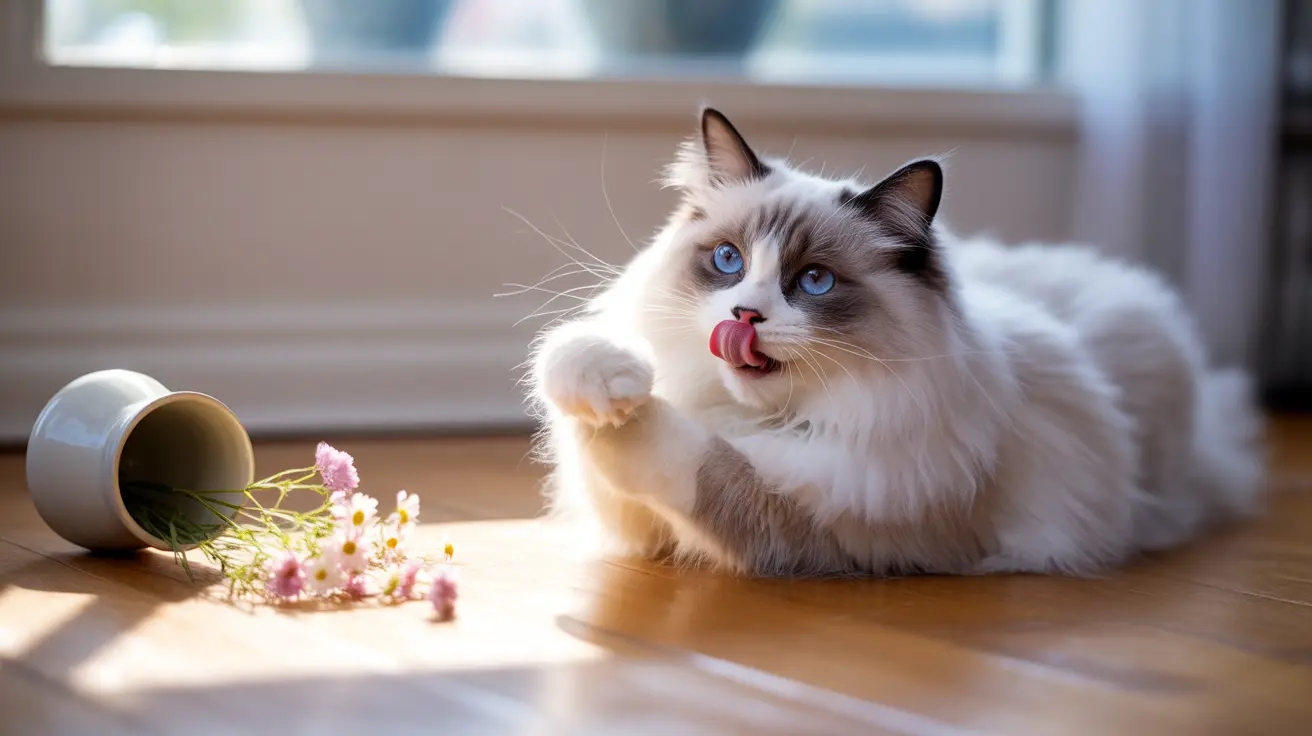
- Sudden grooming:Cats might start licking themselves aggressively to distract or calm themselves.
Have you noticed your cat doing a quick self-clean after a clumsy moment? This can be their way of “saving face.”
Common Situations That Trigger Embarrassment
Cats can find themselves in awkward situations that might trigger embarrassment-like reactions. These moments often involve unexpected attention or minor accidents.
- Being caught in the act of knocking things off shelves.
- Getting startled in front of other pets or people.
- Trying to jump to a high place and missing the mark.
- Attempting to hide after an unsuccessful hunting or play attempt.
Think about your cat’s behavior after a failed jump—do they quickly disappear or avoid eye contact? These reactions could be their way of coping with a socially awkward moment.
Comparing Human And Feline Embarrassment
Comparing embarrassment in humans and cats reveals interesting insights. Both species show reactions to social situations. Yet, their emotional experiences differ greatly. Understanding these differences helps us interpret cat behavior better.
Psychological Differences
Humans feel embarrassment from self-awareness and social judgment. It involves thinking about others’ opinions and personal mistakes. This complex emotion requires a sense of self and future consequences.
Cats, however, lack this level of self-reflection. Their brains are wired for survival and immediate reactions. Cats do not worry about social status or long-term reputation.
Embarrassment in humans is linked to culture and language. Cats rely on instincts and learned behaviors. Their reactions are simpler and often related to discomfort or surprise.
Similarities In Reactions
Despite psychological differences, cats and humans can show similar behaviors. Both might hide or avoid attention after a clumsy moment.
- Humans blush or look down to hide embarrassment.
- Cats may crouch, flatten ears, or avoid eye contact.
- Both may seek comfort or reassurance from others.
These reactions serve as ways to reduce social tension. They help both species recover from awkward situations.
Credit: www.petscare.com
Scientific Studies On Cat Emotions
Understanding whether cats feel emotions like embarrassment requires looking at scientific studies on cat emotions. Researchers have explored how cats express feelings through body language and behavior. These studies give us clues about the complexity of their emotional world.
Research Findings
Studies show cats experience a range of emotions, from contentment to anxiety. For example, when cats hide after a surprising noise, it might resemble a shy or embarrassed reaction. However, scientists caution that these behaviors are often linked to survival instincts rather than self-consciousness.
One interesting study observed cats’ reactions to social interactions. Cats often avoid eye contact or turn away after being scolded, which some interpret as signs similar to embarrassment. Still, researchers say this is more about avoiding conflict than feeling shame.
- Cats use vocalizations and tail movements to express feelings.
- Stress responses in cats can look like embarrassment but usually indicate fear or discomfort.
- Behavioral changes after mistakes or accidents might reflect confusion, not true embarrassment.
Expert Opinions
Animal behaviorists often remind us that cats do not process emotions exactly as humans do. Experts suggest what looks like embarrassment is more likely a reaction to changes in their environment or social cues. They emphasize that cats live in the moment and don’t dwell on past actions.
Veterinarians and feline psychologists agree that labeling cat reactions as embarrassment can mislead owners about their pet’s needs. Instead, they encourage observing signs of stress or anxiety and responding with comfort. Have you noticed your cat’s behavior change when you laugh at their clumsy moments? That might be your own interpretation rather than their true feelings.
Knowing this helps you respond better to your cat’s emotional signals. Instead of assuming embarrassment, look for signs of discomfort or confusion and offer reassurance. How can this perspective change the way you interact with your cat during awkward moments?
How To Comfort An Embarrassed Cat
Comforting an embarrassed cat requires patience and gentle care. Cats can feel uneasy after a surprising or awkward moment, and your response plays a huge role in helping them regain confidence. Understanding how to soothe your feline friend can strengthen your bond and make them feel secure.
Creating A Safe Environment
Start by providing a quiet, cozy space where your cat can retreat. This might be a favorite bed, a warm blanket, or a hidden corner where they feel shielded from noise and activity.
Remove anything that might cause stress, like loud sounds or sudden movements. Your calm presence matters—speak softly and move slowly to avoid overwhelming your cat.
Think about small comforts, such as familiar toys or a piece of your clothing with your scent. These items help remind your cat that they are safe and loved.
Building Trust With Your Cat
Trust doesn’t appear overnight; it grows through consistent, positive interactions. Sit near your cat without forcing contact, letting them decide when they want to approach you.
Offer gentle pets in spots most cats enjoy, like under the chin or behind the ears, but watch their body language carefully. If they pull away or seem tense, give them space and try again later.
Use treats or playtime to create happy associations. Have you noticed how a simple game can shift a cat’s mood from shy to playful? That’s trust in action.
Have you ever seen your cat hide after a fall or loud noise? How did you help them feel better? Share your experiences and tips below!
Credit: paradepets.com
Misconceptions About Cat Emotions
Cats have unique ways of showing feelings. People often guess what cats feel by their actions. Many ideas about cat emotions come from human feelings. This causes wrong beliefs about cats. Understanding real cat emotions helps us care for them better.
Common Myths Debunked
Many think cats feel embarrassed like humans. Cats do not have the same self-awareness. They do not worry about what others think. Cats show stress or discomfort, not embarrassment. Another myth says cats smile when happy. Cats use body language, not smiles, to show joy. Purring is a sign of comfort, not always happiness.
Cultural Differences In Perception
Different cultures see cat emotions differently. Some cultures believe cats have deep emotional lives. Others see cats as mysterious and unemotional. These views affect how people treat cats. Western culture often gives cats human traits. In some Asian cultures, cats are symbols of luck, not feelings. Culture shapes how we interpret cat behavior.
Why Understanding Cat Emotions Matters
Understanding cat emotions helps you see your pet in a new light. Cats communicate through body language and sounds, not words. Recognizing their feelings can improve care and daily interactions. It also helps prevent misunderstandings that might stress your cat. Knowing what your cat feels builds trust and a stronger bond.
Benefits For Cat Owners
- Identify signs of stress or illness early.
- Respond better to your cat’s needs.
- Create a calm and happy environment.
- Reduce unwanted behaviors like scratching or hiding.
- Enjoy more playful and affectionate moments.
Improving Human-cat Relationships
Understanding your cat’s emotions leads to better communication. You learn when your cat wants attention or prefers to be alone. This respect for their feelings deepens your connection. It creates a peaceful home where your cat feels safe. Clear signals help avoid frustration for both of you.
Frequently Asked Questions
Do Cats Show Signs Of Embarrassment?
Cats don’t display embarrassment like humans. They may act shy or avoidant after unusual behavior, but this is more about stress or confusion than true embarrassment.
Can Cats Feel Emotions Like Embarrassment?
Cats experience emotions like fear, anxiety, and curiosity. However, embarrassment is a complex social emotion likely unique to humans, so cats don’t truly feel embarrassed.
Why Do Cats Act Awkward Sometimes?
Cats might act awkward due to confusion or unfamiliar situations. This behavior is a response to stress, not embarrassment or self-consciousness.
How Do Cats React After A Failed Jump?
After a failed jump, cats often quickly recover and try again. They don’t show embarrassment but may be cautious or alert to avoid repeating mistakes.
Conclusion
Cats show many feelings, but embarrassment is hard to tell. They may act shy or hide after a mistake. This behavior seems like embarrassment to us. Yet, cats do not think like humans do. They react to their surroundings and feelings simply.
Watching your cat closely helps understand its mood better. Every cat is unique, with its own way of showing emotions. Enjoy these moments and learn from your furry friend. Caring for your cat means accepting its natural behavior.
