

Are you wondering if your cat really needs a rabies vaccine? It’s a question many cat owners ask, especially when it comes to keeping their furry friends safe.
Rabies is a deadly disease that can affect both animals and humans. Understanding why this vaccine matters for your cat could protect not just your pet, but your whole family. Keep reading to find out what you need to know about rabies shots and how they can make a difference in your cat’s health and safety.

Credit: millsanimalhospital.com
Importance Of Rabies Vaccine For Cats
Rabies is a deadly disease that affects the brain and nervous system. Cats are at risk of catching rabies from wild animals or other infected pets. Vaccinating cats against rabies helps protect them from this fatal illness. It also prevents the spread of rabies to humans and other animals.
Many places require cats to have a rabies vaccine by law. This law helps keep communities safe. The vaccine creates immunity, so cats can fight off the virus if exposed. Without vaccination, rabies can be almost always fatal for cats.
Protecting Your Cat’s Health
Rabies can cause serious symptoms like aggression, paralysis, and death. The vaccine stops these symptoms by preventing the virus from taking hold. Vaccinated cats live healthier and longer lives.
Preventing Transmission To Humans
Cats can pass rabies to people through bites or scratches. Vaccinating cats lowers this risk. It keeps families and communities safer from this dangerous disease.
Legal Requirements And Compliance
Many states and countries require rabies vaccination for cats. Following these rules avoids fines and legal trouble. It also shows responsible pet ownership and care.
Community Safety And Public Health
Vaccinated cats help reduce the spread of rabies in neighborhoods. This protects wild and domestic animals too. A strong vaccination program supports overall public health.
Understanding Rabies And Its Risks
Rabies is a deadly virus that affects the brain and nervous system. It spreads through saliva from infected animals. Understanding rabies helps protect both cats and humans from this serious illness.
The virus is almost always fatal once symptoms appear. Prevention through vaccination is the best defense. Knowing how rabies spreads and its dangers encourages timely action to keep pets safe.
Transmission And Symptoms
Rabies mainly spreads through bites or scratches from infected animals. Wild animals like bats, raccoons, and foxes often carry the virus. Cats can catch rabies if they come into contact with these animals.
Early symptoms in cats include:
- Behavior changes such as aggression or fear
- Excessive drooling or difficulty swallowing
- Weakness or paralysis
Symptoms worsen quickly, leading to seizures and death if untreated.
Impact On Cats And Humans
Rabies harms cats by attacking their brain and nervous system. Infected cats suffer severe illness and usually die. The disease spreads from cats to humans through bites or scratches.
Humans infected with rabies face serious health risks. Without fast treatment, rabies is almost always fatal. Vaccinating cats lowers the chance of the virus spreading to people. Protecting pets protects families.
Legal Requirements For Cat Vaccination
Cat vaccination laws protect pets and people from rabies. These laws vary by region and must be followed carefully. Knowing the legal rules helps avoid fines and keeps your cat safe. Rabies vaccines are often required by law to control this deadly disease.
State And Local Laws
Every state sets rules for rabies vaccines in cats. Some states require annual shots. Others allow a vaccine every three years. Local governments may have stricter rules than the state. Many places need proof of vaccination for pet licenses. Failing to vaccinate can lead to penalties or quarantine.
International Travel Regulations
Traveling with cats needs extra vaccine checks. Most countries demand a current rabies vaccine. A health certificate from a vet is often required. Some nations have a waiting period after vaccination before entry. Rules differ widely, so check before traveling abroad. Proper vaccination helps avoid travel delays and health risks.
How Rabies Vaccine Works
Understanding how the rabies vaccine works can help you see why it’s essential for your cat’s health. This vaccine trains your cat’s immune system to fight the rabies virus effectively. It’s a bit like giving your cat a practice session to handle a dangerous threat before it ever encounters the real thing.
Vaccine Composition
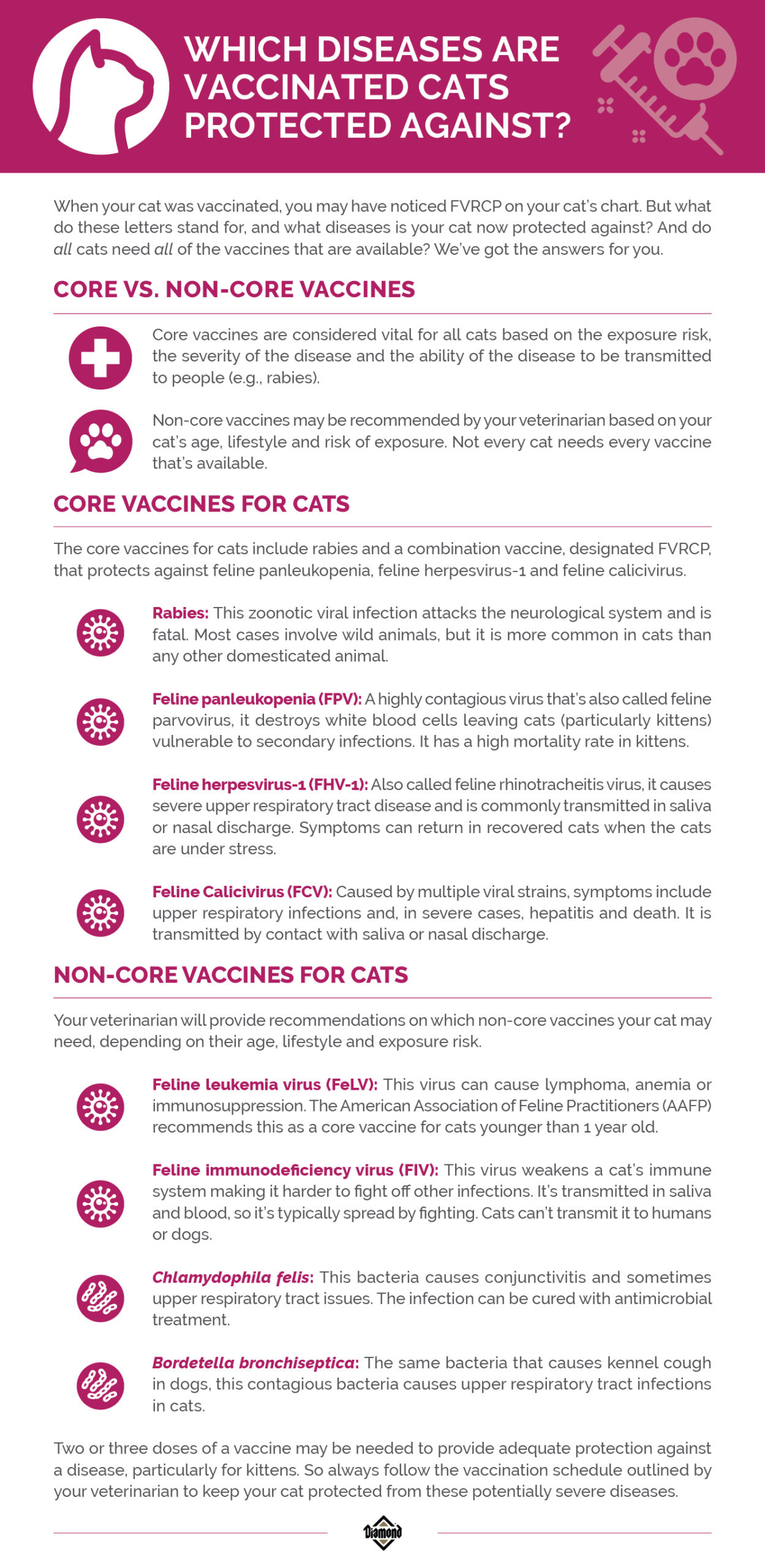
The rabies vaccine contains inactivated (dead) rabies virus particles. These particles can’t cause the disease but are enough to stimulate your cat’s immune system.
When injected, the vaccine prompts your cat’s body to recognize the virus as a threat. The immune system then creates antibodies ready to attack if your cat ever faces the actual rabies virus.
This process is similar to how your body reacts to a cold vaccine—without getting sick but still building protection.
Duration Of Immunity
One common question is how long this protection lasts after vaccination. Typically, immunity lasts for about one to three years depending on the vaccine type and your cat’s health.
Vets usually recommend booster shots to keep the protection strong over time. Skipping these boosters could leave your cat vulnerable to infection.
Think about your cat’s lifestyle: Do they roam outside or interact with wild animals? These factors affect how often you should update their rabies vaccine.
Vaccine Schedule For Cats
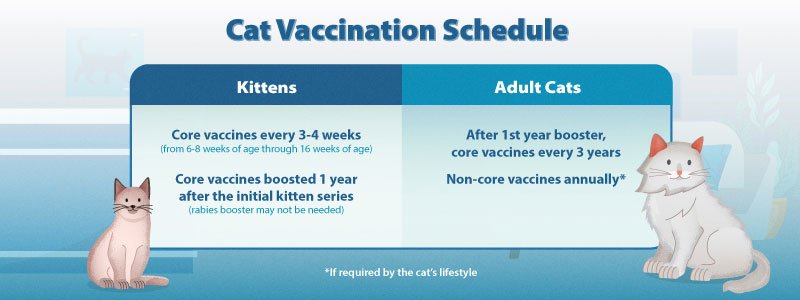
Understanding the vaccine schedule for cats is key to keeping your feline friend safe and healthy. Vaccination timelines vary depending on your cat’s age and lifestyle. Sticking to a proper schedule ensures your cat builds strong immunity, especially against rabies, which is a serious threat to both pets and humans.
Kitten Vaccination Timelines
Kittens need a series of vaccines starting at around 6 to 8 weeks old. The rabies vaccine is typically given when they are at least 12 weeks old, as their immune system is better developed by then.
Here’s a common schedule you might follow:
- 6-8 weeks:First round of core vaccines (not rabies yet)
- 10-12 weeks:Second round of core vaccines
- 12 weeks or older:Rabies vaccine
- 16 weeks:Final kitten booster shots
This schedule helps protect kittens during their most vulnerable weeks. Have you noticed how quickly kittens grow? Their immune defenses develop rapidly, so timely vaccines make a big difference.
Adult Cat Booster Shots
Adult cats need booster shots to maintain their immunity, especially for rabies. Most vets recommend giving a rabies booster one year after the initial vaccine, then every one to three years, depending on local laws and the vaccine type.
Keep a record of your cat’s vaccination dates and consult your vet about the best booster schedule for your cat’s lifestyle. Indoor-only cats might have a different risk level than outdoor cats, but rabies vaccination remains crucial.
Would you remember to schedule your cat’s booster if you didn’t have a reminder? Setting up alerts or calendar notes can help you stay on top of this important health task.
Credit: triangleanimalclinic.com
Possible Side Effects Of Rabies Vaccine
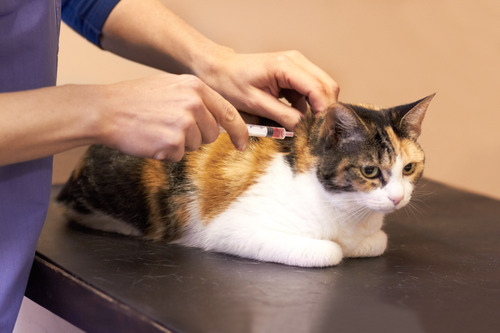
Rabies vaccines protect cats from a deadly virus. Like all vaccines, they can cause side effects. Most side effects are mild and short-lived. Knowing what to expect helps you care for your cat after vaccination.
Common Reactions
- Soreness or swelling at the injection site
- Mild fever or lethargy
- Loss of appetite for a day or two
- Sneezing or coughing if given as a nasal vaccine
- Itching or small lumps under the skin
These symptoms usually fade within 48 hours. They do not last long or cause serious harm.
When To Contact A Veterinarian
- Swelling grows or becomes very painful
- High fever lasting more than two days
- Persistent vomiting or diarrhea
- Difficulty breathing or wheezing
- Severe allergic reactions like swelling of the face or difficulty swallowing
- Unusual behavior or seizures
Call your vet immediately if any of these signs appear. Early care can prevent serious problems.
Alternatives To Vaccination
If you’re considering whether your cat truly needs a rabies vaccine, exploring alternatives can help you make an informed choice. Vaccination isn’t the only path to keeping your feline friend safe. Understanding other options allows you to tailor care based on your cat’s lifestyle and health.
Titer Testing
Titer testing measures the level of antibodies in your cat’s blood to see if they are still protected against rabies. This test can help you decide if a booster vaccine is necessary or if your cat already has enough immunity.
Many cat owners find titer testing reassuring because it avoids unnecessary shots. However, not all vets offer this test, and it may not be accepted by all local laws as a substitute for vaccination.
Have you ever wondered if your cat’s immune system is working hard enough to protect them? Titer testing provides a clear answer, potentially saving your cat from extra vaccines.
Indoor Cats And Risk Assessment
If your cat stays indoors most of the time, their risk of catching rabies is significantly lower. Assessing your cat’s lifestyle helps determine if vaccination is urgent or if you can delay it safely.
Factors to consider include your area’s rabies prevalence, your cat’s interaction with other animals, and any outdoor access. A vet can help evaluate these risks and suggest the best approach.
Think about your own home environment. Does your cat have opportunities to encounter wild animals or stray pets? Understanding this helps you balance safety with your cat’s comfort and health needs.
Myths And Misconceptions
Many cat owners hesitate about vaccinating their pets against rabies. Misunderstandings and false information cause this doubt. Clearing these myths helps protect cats and people from this deadly disease.
Vaccine Safety Concerns
Some believe rabies vaccines cause serious side effects in cats. In reality, these vaccines are tested thoroughly for safety. Most cats experience only mild reactions like soreness or slight fever. Severe allergic reactions are very rare. Vaccinating cats helps prevent a fatal illness. The benefits far outweigh the small risks.
Effectiveness Of Home Remedies
Home remedies cannot prevent rabies. Some owners think natural treatments or herbs can replace vaccines. Rabies is a virus that spreads quickly and is almost always fatal once symptoms appear. No home remedy can stop or cure rabies. Vaccination remains the only reliable protection against this virus. Relying on unproven methods puts cats and people in danger.
Credit: www.diamondpet.com
Frequently Asked Questions
Do Cats Really Need A Rabies Vaccine?
Yes, cats need rabies vaccines to protect against this deadly virus. Rabies is fatal and can spread to humans. Vaccination is often required by law and keeps both cats and people safe.
How Often Should Cats Get Rabies Shots?
Typically, cats get a rabies vaccine once a year or every three years. The frequency depends on vaccine type and local regulations. Consult your vet for the best schedule for your cat.
Can Indoor Cats Skip The Rabies Vaccine?
Indoor cats still need rabies vaccines. Accidental escapes or contact with wild animals can expose them to rabies. Vaccination ensures protection regardless of a cat’s lifestyle.
What Are Rabies Vaccine Side Effects In Cats?
Rabies vaccines are generally safe, but mild side effects can occur. Common reactions include soreness, mild fever, or tiredness. Serious side effects are rare, but consult your vet if you notice unusual behavior.
Conclusion
Rabies vaccines protect cats from a deadly disease. They keep your pet safe and healthy. Most places require this vaccine by law. Vaccinating also helps protect your family and community. Speak with your vet about the best schedule. Regular shots reduce the risk of rabies spread.
Keep your cat’s health a top priority. Prevention is always better than treatment. Stay informed and act wisely for your cat.
