

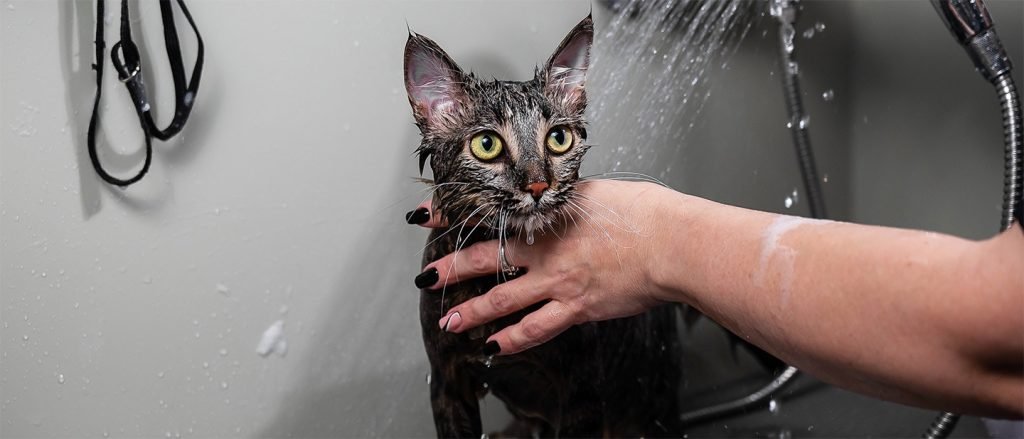
Have you ever wondered if you really need to bathe your cat? You might think cats clean themselves well enough, so why bother?
But what if bathing your cat could actually improve their health and happiness? Before you decide to skip this step, it’s important to understand when a bath is necessary and how to do it right. Keep reading to discover the truth about cat baths and learn simple tips that make the process easier for both you and your furry friend.
Why Bathing Cats Is A Controversial Topic
Bathing cats sparks a lot of debate among pet owners and experts alike. Some people believe it’s necessary for hygiene, while others think it stresses the cat unnecessarily. This disagreement makes the topic quite controversial, and understanding why can help you decide what’s best for your feline friend.
How Cats Naturally Keep Themselves Clean
Cats are known for their grooming habits. They spend a large part of their day licking their fur to remove dirt and loose hair.
This natural behavior usually keeps them clean without any help. So, you might wonder, is a bath really needed if your cat is already so good at self-cleaning?
The Stress Factor Of Bathing Cats
Many cats dislike water, and forcing them into a bath can cause significant stress. This can lead to anxiety, aggression, or even long-term fear of water.
Have you ever noticed how your cat reacts to water? If it’s panicked or aggressive, a bath could do more harm than good.
Health And Skin Concerns
Bathing too often can strip a cat’s fur of natural oils, leading to dry skin and irritation. On the other hand, some cats with skin conditions or allergies might actually benefit from occasional baths with special shampoos.
Knowing your cat’s skin type and health status is essential before deciding to bathe them regularly.
When Bathing Becomes Necessary
- Exposure to harmful substances like oil or chemicals
- Severe flea infestation
- Medical advice for skin conditions
Bathing is not usually part of routine care but becomes important in specific situations. If your cat gets into something dangerous, a bath might be the quickest way to protect their health.
Understanding Cat Grooming Habits
Cats are known for their strong grooming habits. They spend a large part of their day cleaning themselves. Understanding these habits helps decide if a bath is needed. Cats use their tongues to remove dirt and loose fur. Their grooming keeps their coat clean and healthy naturally.
Natural Self-cleaning
Cats have rough tongues that work like tiny brushes. They lick their fur to remove dirt and dead skin. Grooming also helps spread natural oils across their coat. These oils keep the fur soft and shiny. Cats also use grooming to cool down and relax.
Most cats keep themselves very clean without help. They rarely need baths because of this. Grooming is also a way cats bond with each other. They lick and clean their friends and family members.
When Grooming Isn’t Enough
Sometimes cats cannot clean themselves properly. Older cats or those with health problems may struggle. Dirt, grease, or sticky substances might stick to their fur. Outdoor cats can get mud or bugs that are hard to remove.
In these cases, a bath may be necessary. It helps remove stubborn dirt and keeps the cat comfortable. Bathing should be gentle and use cat-safe shampoo only. Avoid overbathing as it can dry out their skin.
When Bathing Cats Is Necessary
Bathing cats is not always needed. Cats groom themselves well and stay clean most times. Still, some situations need a bath to keep cats healthy and comfortable.
Knowing when to bathe a cat helps avoid stress and skin problems. Baths become necessary in specific cases like parasites, skin issues, or harmful substances on the fur.
Fleas And Parasites
Fleas cause itching and discomfort for cats. A special flea shampoo can remove these pests. Bathing helps get rid of fleas and their eggs. Parasites like ticks also need to be washed off. Regular baths help control these problems and protect your cat’s health.
Skin Conditions And Allergies
Some cats develop skin problems or allergies. Bathing with a medicated shampoo can soothe irritation. It removes allergens and dirt that worsen skin issues. A vet may suggest baths to heal the skin faster. Clean skin reduces itching and prevents infections.
Exposure To Dangerous Substances
Cats may get into harmful substances outside or at home. Chemicals, oils, or sticky materials can stick to their fur. A bath with gentle soap removes these toxins safely. Bathing quickly avoids poisoning and skin damage. Always use cat-friendly products for safety.

Credit: felinefancy.co.uk
Choosing The Right Cat Shampoo
Choosing the right shampoo for your cat is more important than you might think. Cats have sensitive skin that reacts differently to products made for humans or even dogs. Picking a shampoo that suits your cat’s unique needs can make bath time easier and safer.
Avoiding Harmful Ingredients
Not all shampoos are safe for cats. Avoid products containing artificial fragrances, parabens, and sulfates. These chemicals can irritate your cat’s skin or cause allergic reactions.
Look for shampoos labeled as “cat-safe” or “veterinarian-approved.” Natural ingredients like aloe vera or oatmeal are gentle and soothing. Have you ever noticed your cat scratching more after a bath? That might be a sign of an ingredient causing irritation.
Special Shampoos For Specific Needs
Some cats have special skin or coat conditions that need targeted care. For example, cats with dry skin benefit from moisturizing shampoos rich in oils. Meanwhile, anti-flea shampoos can help control pests effectively.
If your cat suffers from allergies or dermatitis, medicated shampoos recommended by your vet can provide relief. Choosing the right formula can reduce discomfort and improve your cat’s coat health. How well do you know your cat’s skin and coat needs?
Preparing For A Cat Bath
Preparing to bathe a cat requires careful planning. Cats dislike water, so preparation helps reduce stress. Gathering the right supplies and creating a calm space are key steps. These actions make the bath smoother and safer for both you and your cat.
Gathering Supplies
Collect all needed items before starting the bath. This avoids leaving the cat alone in water. Prepare:
- Cat-safe shampoo
- A large towel
- A non-slip mat
- A cup or handheld sprayer for rinsing
- Brush or comb for before and after
- Latex gloves if desired
Keep everything within reach to stay calm and focused during the bath.
Creating A Calm Environment
Choose a quiet room with few distractions. Close doors to prevent escape. Use soft lighting to avoid startling your cat.
Speak softly and move slowly. Gentle petting before the bath helps relax the cat. Avoid loud noises or sudden movements. A calm atmosphere lowers anxiety and makes the bath easier.
Steps To Bathe Your Cat Safely
Bathing a cat can feel like a daunting task, but it doesn’t have to be stressful for either of you. Taking careful steps can make the experience smoother and safer. Knowing how to prepare and what to expect helps protect your cat’s comfort and health during bath time.
Starting With Brushing
Before you even turn on the water, spend time brushing your cat thoroughly. This removes loose fur, dirt, and tangles that could become worse when wet. It also helps calm your cat by giving them gentle attention.
I once skipped this step and ended up with mats tightening under the water. Your cat will thank you for this simple prep.
The Bathing Process
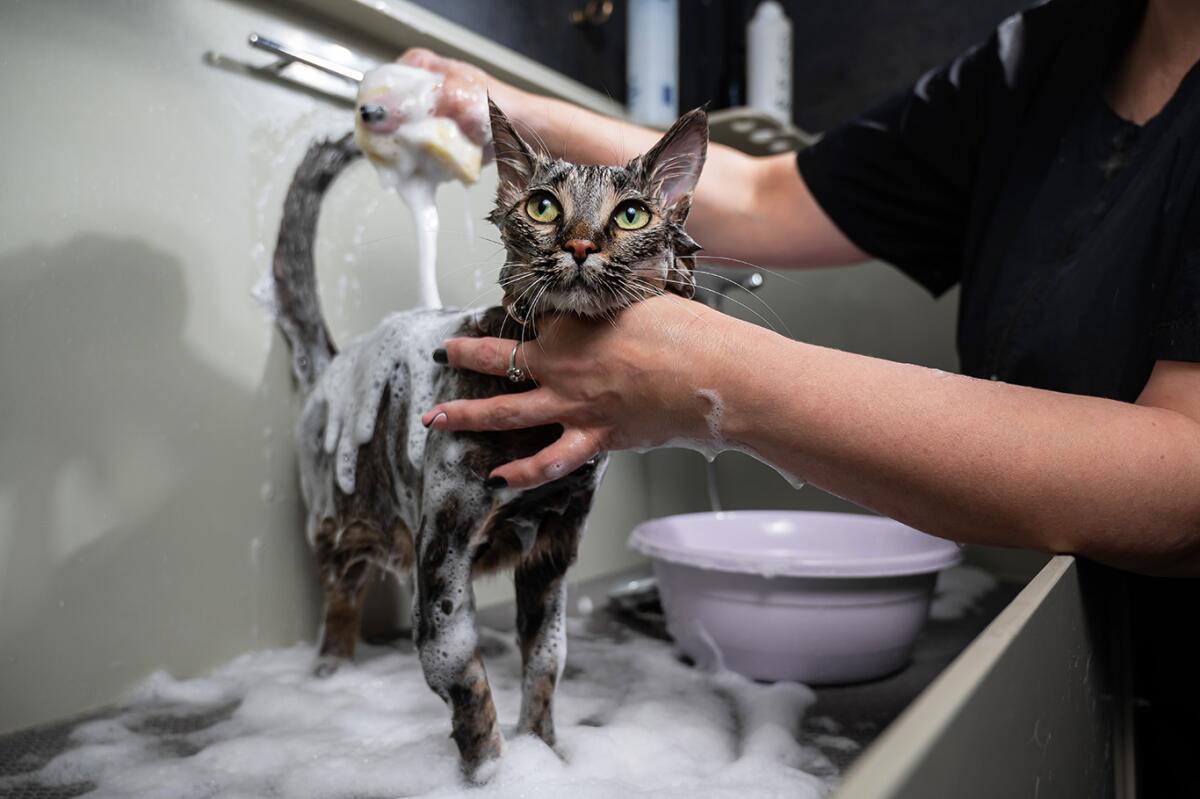
Use lukewarm water and a cat-safe shampoo to avoid skin irritation. Gently wet your cat, avoiding the face and ears, then apply shampoo in small amounts. Rinse carefully and thoroughly, ensuring no soap residue remains.
- Keep your voice calm and reassuring throughout.
- Use a cup or sprayer with gentle pressure.
- Watch your cat’s body language to avoid stress.
Have you noticed how a calm environment changes your cat’s mood? Try dimming lights and reducing noise for a more peaceful bath.
Drying Your Cat Properly
After the bath, wrap your cat in a soft, absorbent towel immediately. Pat gently to soak up water instead of rubbing, which can tangle fur or irritate skin. If your cat tolerates it, a low-heat blow dryer on a quiet setting can help speed drying.
Keep the room warm to prevent chills and offer treats to reward patience. Have you tried using a favorite blanket during drying? It can provide extra comfort and familiarity.
Alternatives To Traditional Bathing
Bathing cats can be stressful for both pets and owners. Many cats dislike water and resist baths. Fortunately, several alternatives offer effective cleaning without water. These methods help keep your cat fresh and comfortable while avoiding the hassle of a traditional bath.
Dry Shampoo For Cats
Dry shampoo is a powder or foam that cleans a cat’s fur without water. It absorbs oils and dirt, leaving the coat soft and fresh. Apply the dry shampoo gently, then brush it out thoroughly. Choose a product made specifically for cats to avoid irritation. Dry shampoo suits cats that hate water and need quick cleaning.
Pet Wipes For Quick Cleaning
Pet wipes are moist cloths made for cleaning cats safely. They remove dirt, dust, and odors from the fur and paws. Use wipes to clean small areas or freshen your cat between baths. Wipes are gentle and easy to use. Keep them handy for quick touch-ups after playtime or outdoor visits.
Handling A Cat’s Stress During Bathing
Bathing a cat can be a challenge because many cats dislike water. Stress can make the experience hard for both the cat and the owner. Handling a cat’s stress during bathing helps keep the process calm and safe. Understanding how to recognize stress and use calming techniques is key.
Recognizing Signs Of Stress
- Hissing or growling sounds
- Rapid breathing or panting
- Swatting or trying to escape
- Flattened ears or wide eyes
- Tense body or trembling
- Excessive licking or grooming after bath
Noticing these signs early helps prevent strong fear or aggression.
Techniques To Calm Your Cat
- Use warm water and a gentle spray
- Speak softly and move slowly
- Offer treats before and after bathing
- Wrap your cat in a towel to hold gently
- Keep bath sessions short and focused
- Choose a quiet, safe space for bathing
- Allow your cat to shake off water calmly
Patience and care make bathing less stressful for cats.
Common Mistakes To Avoid
Bathing cats can be tricky. Many make mistakes that stress the cat or cause harm. Avoiding these errors keeps the experience safe and calm. Understanding common pitfalls helps you care better for your pet.
Using Human Products
Human soaps and shampoos are not safe for cats. They can irritate the skin or cause allergic reactions. Cats have delicate skin and different pH levels. Use only shampoos made specially for cats. These products clean gently without harming their skin or fur.
Forcing A Bath When Not Needed
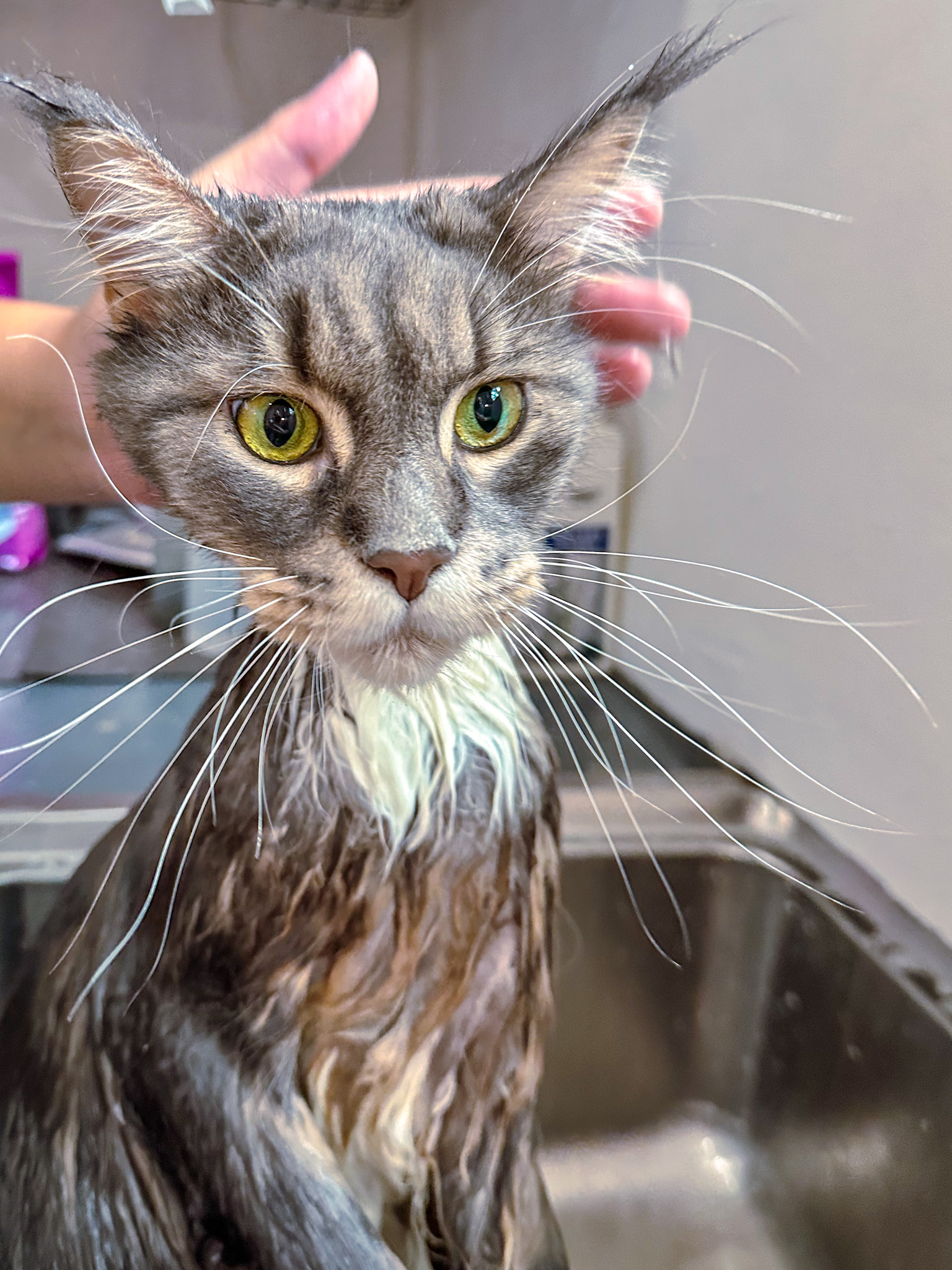
Cats usually groom themselves well. Bathing too often can remove natural oils. Forcing a bath can cause fear and stress. Look for signs like dirt, fleas, or illness before bathing. Let your cat feel safe and calm during the process. A gentle approach works best for both of you.
Credit: lazycathotel.com
Credit: www.latimes.com
Frequently Asked Questions
Do Cats Need Regular Baths For Hygiene?
Most cats groom themselves effectively, so regular baths are usually unnecessary. Bathing is only needed if they get very dirty or have skin issues.
How Often Should You Bathe A Cat Safely?
Bathing a cat once every few months is enough unless recommended by a vet. Frequent baths can dry out their skin and fur.
Can Bathing Harm A Cat’s Health?
Improper bathing can stress cats and damage their skin’s natural oils. Use cat-safe shampoo and gentle handling to avoid harm.
What Are Signs A Cat Needs A Bath?
A cat needs a bath if it smells bad, has dirt stuck in fur, or has oily or greasy coat buildup.
Conclusion
Bathing cats is not always needed. Most cats clean themselves well. Only bathe if they get very dirty or sick. Use gentle shampoo made for cats. Be calm and careful during baths. Regular brushing helps keep fur clean. It also reduces shedding and hairballs.
Always watch your cat’s comfort and safety. Clean cats are happy cats. Simple care works best for your feline friend.
