

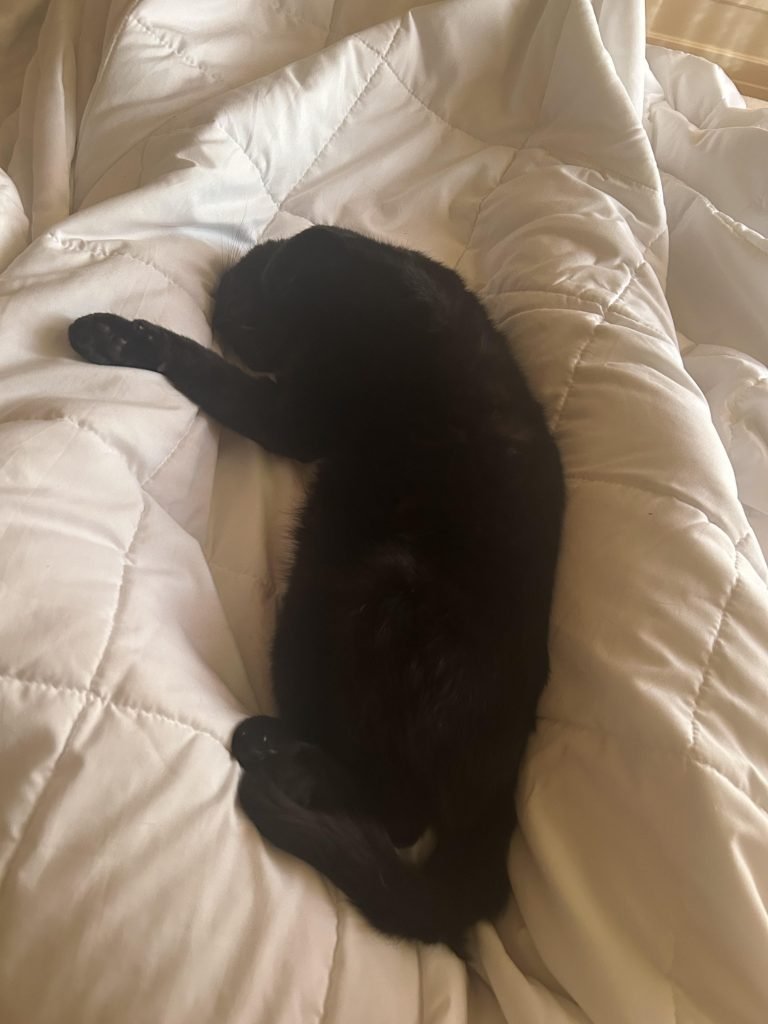
Have you ever wondered if your cat really needs a blanket at night? You want your furry friend to be cozy and comfortable, but is a blanket necessary or just extra fluff?
Knowing the answer can help you make the best choice for your cat’s sleep and health. Keep reading to discover simple tips that will keep your cat warm, happy, and safe all night long. You’ll find out exactly what your pet needs to rest soundly—and how you can give it to them.
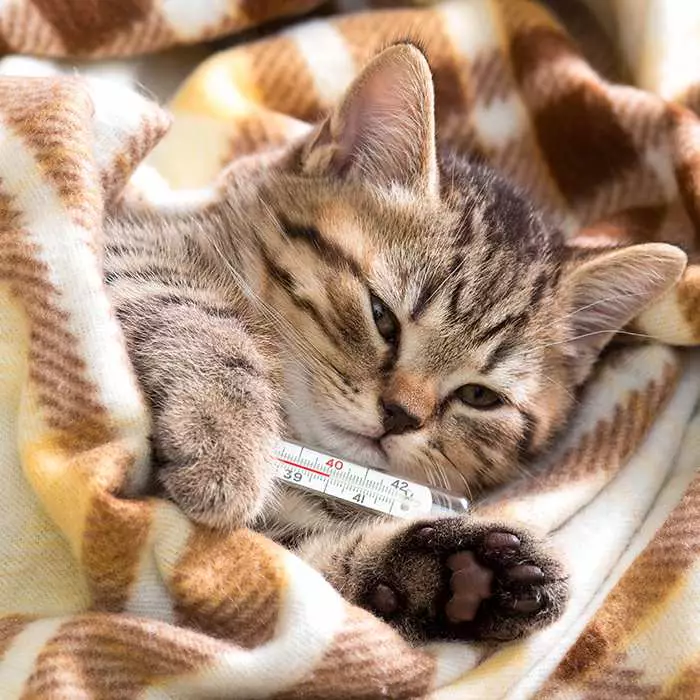
Credit: bowwowinsurance.com.au
Cat’s Nighttime Comfort
Cats, like people, have their own preferences for comfort when settling down at night. Their nighttime comfort depends on several factors including their environment, health, and personality. Understanding what makes your cat feel cozy can help you decide if a blanket is a good addition to their sleeping area.
How Temperature Affects Your Cat’s Sleep
Have you noticed your cat curling up tightly on cold nights? Cats often seek warmth to maintain their body temperature. If your home gets chilly, a blanket can provide the extra heat they need to sleep soundly.
On warmer nights, your cat might prefer a cooler spot without extra covers. Watch your cat’s behavior to see if they move away from blankets or pile under them. This simple observation can tell you a lot about their comfort needs.
Signs Your Cat Enjoys A Blanket
Does your cat knead or purr when near a blanket? These are good signs they find it comforting. You might also see them burrow under the blanket or choose a spot where a blanket is already placed.
Some cats treat blankets like a security object, similar to a child’s favorite toy. If your cat is older or ill, a soft blanket can offer gentle support and warmth, easing joint pain or stiffness.
Choosing The Right Blanket For Your Cat
Not all blankets are created equal. Your cat will appreciate a soft, lightweight fabric that doesn’t irritate their skin. Fleece or cotton blankets are often good choices because they are warm yet breathable.
Consider a blanket that’s easy to wash, especially if your cat sheds a lot or has allergies. A clean, fresh blanket can improve their sleep quality and keep their resting area hygienic.
Creating A Cozy Sleep Zone
Adding a blanket is just one part of making your cat’s sleeping spot inviting. Combine it with a quiet, draft-free location and a soft bed or cushion. This setup can help your cat feel safe and relaxed through the night.
Have you tried placing a blanket in different spots to see where your cat prefers to sleep? Sometimes, simply moving the blanket to a favored resting place can make all the difference.

Credit: www.reddit.com
Understanding Cat’s Temperature Needs
Cats have a natural way to keep warm, but their temperature needs can change. Understanding how cats regulate body heat helps decide if they need a blanket at night. Cats are warm-blooded animals, and their normal body temperature is higher than humans, usually around 100.5 to 102.5 degrees Fahrenheit.
Indoor cats usually adapt well to room temperature. However, some cats feel cold more easily. Small cats, kittens, older cats, and those with thin fur may need extra warmth. Knowing these factors guides pet owners in providing comfort during cold nights.
How Cats Keep Warm Naturally
Cats use fur to trap heat close to their skin. They curl up to reduce heat loss. Their tails often cover their noses to protect sensitive areas. Cats also seek warm spots like sunny windows or cozy corners.
Signs Your Cat May Be Cold
- Shivering or trembling
- Hiding in small, enclosed spaces
- Sleeping curled tightly
- Seeking warm surfaces
- Cold ears or paws to the touch
Factors Affecting A Cat’s Temperature Needs
- Age: Kittens and senior cats need more warmth
- Health: Sick cats may struggle to stay warm
- Fur Length: Short-haired cats lose heat faster
- Environment: Cooler rooms or drafts increase cold risk
Signs Your Cat Is Cold
Not all cats show the same signs when they feel cold. Some may hide more, while others shiver. Knowing these signs helps you decide if your cat needs extra warmth. Watch your cat carefully at night for these clues.
Shivering Or Trembling
Shivering is a clear sign your cat feels cold. It is their way to warm up by making muscles move. If your cat trembles, provide a warm blanket or move them to a cozy spot.
Seeking Warm Places
A cold cat looks for warmth. They may curl up near heaters, under blankets, or in sunny spots. If your cat moves often to find heat, it shows they need more warmth at night.
Cold Ears And Paws
Touch your cat’s ears and paws. If they feel cold to touch, your cat might be chilly. These parts lose heat quickly. A blanket can help keep these areas warm.
Less Activity And Curling Up
Cold cats often move less and curl into tight balls. This position helps keep their body heat. If your cat looks sleepy and stays curled up, they might be cold.
Change In Breathing
Cold cats may breathe slower or shallower. This shows their body is trying to save energy. Watch for this sign to know if your cat needs extra warmth at night.
Choosing The Right Blanket
Choosing the right blanket for your cat is more important than you might think. It’s not just about warmth; it’s about comfort, safety, and your cat’s unique preferences. Picking the perfect blanket can transform your cat’s sleep experience and even improve their overall well-being.
Materials To Consider
Not all blankets are created equal. You want something soft, breathable, and easy to clean. Cats often prefer natural fibers like cotton or fleece because they feel gentle on their skin.
Think about your cat’s sensitivity too. Some cats dislike synthetic materials that might irritate their skin or cause static. A blanket made from hypoallergenic material can be a good choice if your cat has allergies.
Have you noticed your cat kneading or curling up in certain spots? That’s a clue to their texture preference. Try offering a few different materials to see which one they prefer.
Size And Thickness
The blanket should be big enough for your cat to stretch out comfortably but not so large that it feels overwhelming. A blanket that’s too small won’t provide enough coverage, leaving your cat exposed to cold spots.
Thickness matters too. If your home tends to be chilly at night, a thicker blanket will keep your cat warm. But if your cat tends to overheat or has a thick fur coat, a lighter blanket is better.
Consider your cat’s sleeping style. Does your cat curl up tightly or sprawl out? This can help you decide the ideal blanket size and thickness for maximum comfort.
Alternatives To Blankets
If your cat isn’t a fan of blankets or you’re looking for other ways to keep your furry friend warm at night, there are several alternatives to consider. Cats often seek warmth naturally, but not all of them enjoy being covered. Finding the right cozy solution can make a big difference in your cat’s comfort and sleep quality.
Heated Beds
Heated beds provide gentle warmth without the fuss of blankets. These beds use safe, low-level heat to keep your cat cozy, especially during chilly nights. You can find models with automatic shut-off features to prevent overheating, making them a safe option for any cat.
Many cat owners notice their pets quickly gravitate toward these warm spots, sometimes preferring them over blankets. If your cat tends to move around a lot, a heated bed stays put and keeps the warmth consistent, unlike a loose blanket that might get kicked off.
Warm Sleeping Spots
Cats love sunbeams and warm nooks. You can create warm sleeping spots by placing beds or cushions near heaters, radiators, or sunny windows. A simple trick is to add a layer of fleece or a soft towel inside their favorite sleeping area to trap heat.
Have you noticed your cat curling up on your laptop or near your warm coffee mug? They naturally seek these cozy spots. Providing designated warm areas can keep them comfortable without needing blankets.
Safety Concerns
Safety is a top priority when deciding if your cat needs a blanket at night. Cats enjoy warmth, but certain risks come with using blankets. These risks can affect your cat’s health and comfort. Knowing what to watch for helps keep your pet safe and happy during sleep.
Avoiding Overheating
Cats can get too hot under heavy blankets. Overheating may cause discomfort or even heatstroke. Choose lightweight blankets that allow air to circulate. Watch your cat’s behavior for signs like panting or restlessness. Remove the blanket if your cat seems too warm.
Choking Hazards
Some blankets have loose threads or small parts. Cats may chew or swallow these pieces, causing choking or blockages. Use blankets made from safe, durable fabrics without decorations. Check the blanket regularly for damage. Replace it if you find loose fibers or holes.
Creating A Cozy Environment
Creating a cozy environment helps your cat feel safe and warm at night. Cats enjoy resting in calm places where they can relax fully. Comfort boosts their sleep quality and overall health.
Quiet And Dark Spaces
Cats sleep better in quiet spots away from noise. A dark room or corner reduces distractions and stress. Darkness mimics nighttime, helping their natural sleep cycle. Choose a space with little movement or loud sounds. This calm area invites your cat to settle down peacefully.
Reducing Drafts
Cold air can make cats uncomfortable during sleep. Avoid placing beds near windows or doors that let in cold drafts. Use heavy curtains or draft stoppers to block chilly air. Keeping the room warm supports your cat’s body temperature. A draft-free space helps your cat stay cozy all night long.
Monitoring Your Cat’s Comfort
Keeping an eye on your cat’s comfort during the night can make a big difference in their well-being. Cats can’t tell us directly if they feel cold or cozy, so it’s up to you to watch their behavior closely. Recognizing subtle signs helps you decide if a blanket is really necessary or if your feline friend prefers other ways to stay warm.
Observing Your Cat’s Sleeping Spots
Notice where your cat chooses to sleep. If they pick spots near drafts or cold floors, they might benefit from a blanket. On the other hand, if they curl up in sunny patches or on warm cushions, they may already have enough warmth.
Does your cat move around a lot at night? Restlessness can signal discomfort or chilliness. Offering a soft blanket and seeing if they settle down can be a quick test of their preference.
Watching For Changes In Body Language
Cats often show discomfort through body language before they vocalize it. Look for signs like shivering, curling tightly into a ball, or twitching their tails more than usual. These can indicate that they feel cold.
Alternatively, if your cat stretches out comfortably or purrs while resting on a blanket, it’s a positive sign they enjoy the added warmth. Pay attention to these little cues—they’re your cat’s way of communicating.
Testing Different Blanket Options
Try placing different types of blankets near their favorite resting spots. Some cats prefer lightweight fleece, while others like heavier, plush textures. Notice which one they choose or if they avoid the blankets altogether.
- Offer a small fleece blanket and observe if your cat snuggles into it.
- Place a knitted or thicker blanket and see if they knead or settle on it.
- If they ignore both, they might prefer natural warmth from a cozy bed or heating pad.
Adjusting Based On Seasonal Changes
Your cat’s comfort needs shift with the seasons. Cooler months might require extra warmth, while summer calls for lighter bedding. Keep monitoring their behavior as temperatures change to stay ahead of their comfort needs.
Have you noticed your cat’s preferences change between seasons? Making small adjustments like adding or removing blankets can keep them comfortable year-round without overheating or getting cold.
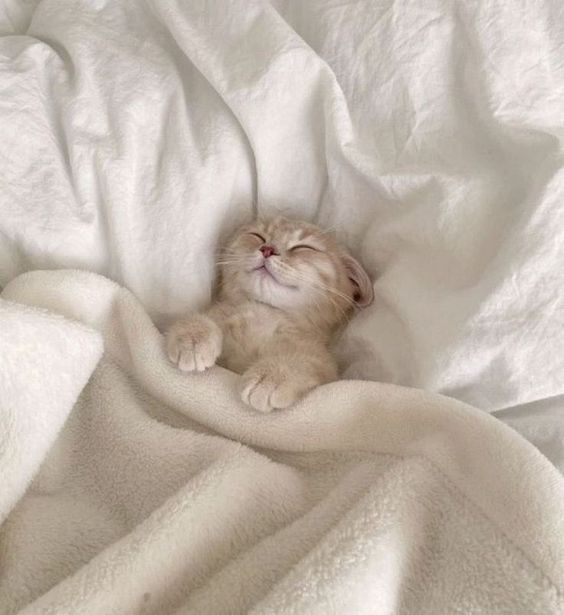
Credit: everlastingfabric.com
Frequently Asked Questions
Does My Cat Really Need A Blanket At Night?
Cats may benefit from a blanket if they feel cold or anxious. Blankets provide warmth and comfort, especially in cooler environments or for older cats. However, many cats prefer cozy beds or sleeping spots without blankets.
What Type Of Blanket Is Best For Cats?
Choose soft, lightweight, and washable blankets for your cat. Fleece or cotton materials are gentle on their fur and skin. Avoid heavy or rough fabrics that might cause discomfort or overheating.
Can Blankets Keep My Cat Warmer Indoors?
Yes, blankets help retain your cat’s body heat during colder nights. They create a cozy space that reduces heat loss. This is especially helpful for kittens, senior cats, or those with thin fur.
How Do I Know If My Cat Wants A Blanket?
Watch your cat’s behavior; if it snuggles or kneads the blanket, it likely enjoys it. If it avoids or scratches at the blanket, it may prefer other bedding options. Respect your cat’s preferences for comfort.
Conclusion
Cats may enjoy blankets, especially in cold weather. They feel safe and warm under soft covers. Watch your cat’s behavior to know their needs. Some cats prefer a cozy blanket; others do not. Always choose a clean, comfortable blanket for your pet.
A little extra warmth can help your cat sleep well. Comfort and care make a happy, healthy cat. Small changes can improve your cat’s nighttime rest. Give your cat a chance to enjoy a blanket. It might become their new favorite spot.
