

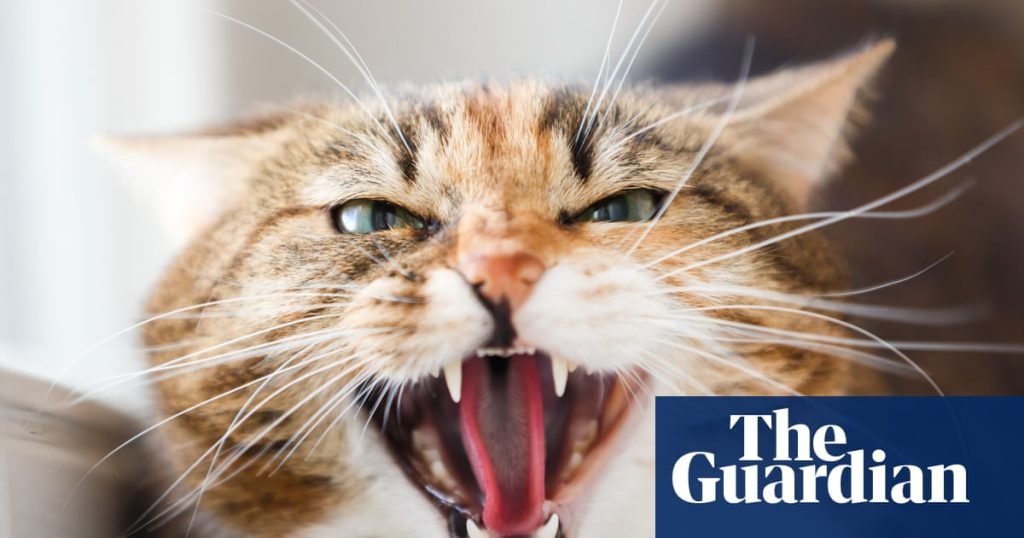
Have you ever wondered if your cat can growl like a dog? You might have heard strange sounds from your feline friend and felt unsure about what they mean.
Understanding whether cats growl and why they do it can help you better connect with your pet and keep them happy. You’ll discover the truth about cat growls, what causes them, and how to respond when you hear one. Keep reading to unlock the secret language of your cat!
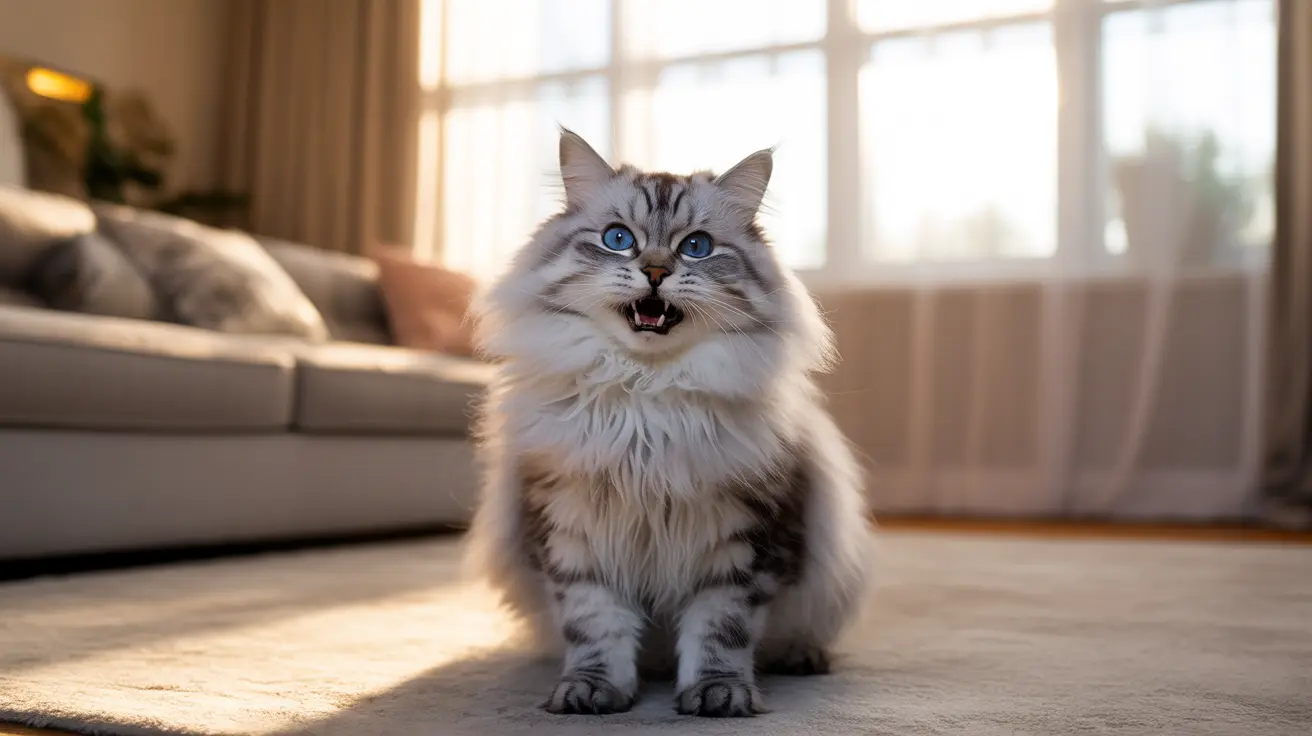
Credit: www.petscare.com
Why Cats Growl
Cats growl to communicate their feelings clearly. This sound shows strong emotions. Usually, it signals that your cat feels upset or scared. Understanding why cats growl helps you respond better. It also improves your bond with your pet.
Warning Of Threat Or Danger
Growling warns others to stay away. Cats use it to protect themselves or their space. It means your cat feels threatened. The growl acts as a clear alert to avoid conflict.
Expressing Discomfort Or Pain
Sometimes growling means your cat is in pain. This sound tells you something is wrong. Cats may growl if they are hurt or sick. Pay close attention and check their health.
Protecting Territory Or Possessions
Cats are very territorial animals. They growl to protect their home or toys. This behavior helps keep other animals or people away. It shows your cat wants to keep control.
Stress Or Fear Response
Fear often causes a cat to growl. New people, loud noises, or changes can stress them. Growling helps them feel safer by warning others. It is a sign they need space.
Sign Of Aggression
Growling can be a sign of aggression. It often comes with hissing or swatting. Your cat may feel angry or ready to fight. Recognize this to avoid getting scratched or bitten.
Communication Signals
Cats use many ways to communicate. Growling is one of their signals. It tells others about their mood or feelings. Understanding these signals helps you know what your cat wants or needs. Cats express themselves not only by sounds but also by how they move and show their bodies.
Vocal Expressions
Growling is a low, rumbling sound cats make. It warns others to stay away. Besides growling, cats use:
- Hissing to show fear or anger
- Meowing to get attention or ask for something
- Purring to express comfort or happiness
- Chirping or chattering when excited or watching birds
Each sound has its own meaning. Growling usually means the cat feels threatened or upset.
Body Language
Cats show feelings with their bodies too. When growling, their body language often matches their sound. Look for:
- Flattened ears, pointing backward
- Raised fur along their back
- Stiff, tense posture
- Swishing or flicking tail
- Showing teeth or hissing
These signs help you understand if your cat is scared, angry, or warning you to stop. Watching body language with sounds helps you read your cat better.
Instinctual Behavior
Growling is a natural part of a cat’s instinctual behavior. It serves as a form of communication rooted deeply in their survival and social habits. Understanding why cats growl can help you better interpret their needs and emotions.
Territorial Instincts
Cats are naturally territorial animals. When they growl, it often signals that they feel their space is being threatened. This vocal warning helps keep other animals or even people at a distance.
Think about your cat’s reaction when a new pet enters your home. Their growl is a clear message: “This is my territory.” Recognizing this can guide you in introducing new pets more gently, reducing stress for everyone.
Defense Mechanisms
Growling acts as a defense mechanism to protect cats from perceived danger. It warns potential threats to back off before a confrontation occurs. This behavior is crucial for their safety in the wild and at home.
If your cat growls at visitors or loud noises, it’s their way of saying they feel unsafe. Instead of forcing interaction, try creating a calm environment to help your cat feel secure. Have you noticed if certain triggers make your cat growl more often?

Credit: www.youtube.com
Emotional Triggers
Cats use growling to communicate strong emotions, often signaling that something is off in their environment or within themselves. Recognizing the emotional triggers behind a cat’s growl can help you respond effectively and maintain a peaceful home. Understanding these triggers also deepens your bond with your feline friend by showing you care about their feelings.
Fear Responses
Fear is one of the most common reasons cats growl. When your cat feels threatened, growling acts as a warning to stay away. This reaction can be triggered by unfamiliar people, loud noises, or sudden movements.
Think about a time when your cat growled at a new visitor. That growl wasn’t just noise; it was their way of saying, “I’m scared.”
To help your cat feel safer, create quiet spaces and introduce new experiences slowly. Have you noticed if your cat’s growling decreases in a calm environment?
Stress And Anxiety
Stress and anxiety can also make cats growl. Changes like moving to a new home or introducing a new pet can cause tension. Growling in these situations is a sign your cat is struggling to cope.
Your cat might also growl when overstimulated during playtime or if they feel cornered. Pay attention to the moments leading up to the growl to spot stress early.
Try to reduce stress by maintaining a routine and providing safe hiding spots. What small changes can you make today to ease your cat’s anxiety?
Health Concerns
Growling in cats can signal health problems. It is not just a sign of anger or fear. Sometimes, cats growl because they feel pain or discomfort. Understanding these health concerns helps owners respond quickly. Observing growling alongside other signs can protect a cat’s well-being.
Pain Indicators
Cats often growl when they are in pain. The sound warns others to stay away. Pain may come from injuries or illness. Watch for other signs:
- Hiding or avoiding touch
- Changes in eating or drinking habits
- Restlessness or unusual stillness
- Limping or difficulty moving
- Excessive licking of a body part
Growling with these signs means a visit to the vet is needed. Do not ignore these warnings.
Medical Conditions
Certain medical problems cause cats to growl more often. These include:
- Dental disease causing mouth pain
- Arthritis making movement painful
- Infections that cause discomfort
- Neurological issues affecting behavior
- Internal injuries or illnesses
Early detection helps treat these conditions. Pay attention to changes in growling patterns. Seek veterinary advice to ensure proper care.
Human Interaction
Interacting with a growling cat can be confusing and even unsettling. Understanding what your cat’s growl means during human interaction helps you respond appropriately and maintain trust. It’s not just about hearing the sound but reading the full context of their behavior and body language.
Misunderstanding Signals
A growl is often mistaken as outright aggression, but it can also be a warning or a way to express discomfort. Cats might growl when they feel threatened, overstimulated, or simply want to be left alone. Ignoring these signals can escalate the situation, making your cat more anxious or defensive.
Have you ever tried to pet a cat that suddenly growls and pulls away? That’s a clear sign your cat is setting a boundary. Recognizing this early saves both you and your cat from unnecessary stress or scratches.
Appropriate Responses
When your cat growls, the best reaction is to give them space immediately. Step back calmly and avoid sudden movements. This shows respect for their feelings and helps them feel safe again.
Try to observe what triggered the growl. Was it a loud noise, a new person, or too much handling? Adjust your behavior accordingly to prevent further discomfort.
- Speak softly to calm your cat without overwhelming them.
- Offer a safe retreat spot, like a cozy bed or a quiet room.
- Use positive reinforcement when they show relaxed behavior after growling.
Have you noticed how your cat’s growl changes depending on the situation? Paying attention to these details can deepen your bond and improve communication with your furry friend.
Preventing Growling
Preventing growling in cats helps keep your home calm and safe. Growling shows a cat feels scared or threatened. Reducing these feelings lowers growling and improves your cat’s trust. You can create a peaceful environment and use positive actions to help your cat feel secure. These steps build a stronger bond and keep growling rare.
Creating Safe Environments
Safe spaces reduce stress and fear in cats. Provide quiet areas where your cat can hide or rest undisturbed. Use soft bedding and familiar scents to make these spots inviting. Keep loud noises and sudden movements low. Place food, water, and litter boxes in easy-to-access spots. Avoid overcrowding rooms with too many pets or people. Routine helps cats feel more stable and less anxious.
Positive Reinforcement
Reward calm behavior with treats or gentle petting. Praise your cat when it acts friendly or relaxed. Use toys to engage your cat in play, reducing tension. Avoid punishment, which can increase fear and growling. Teach your cat to associate good things with people and surroundings. Patience and consistency help your cat learn safe behavior. Positive moments build trust and reduce growling over time.
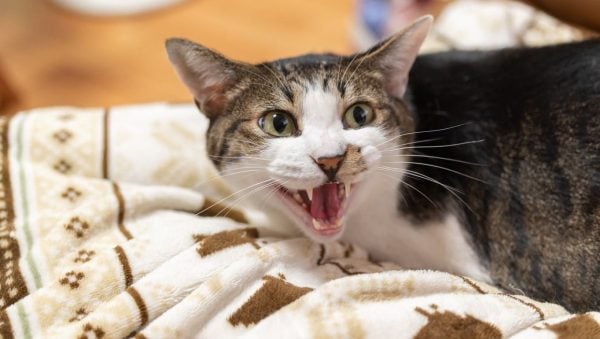
Credit: www.rover.com
Frequently Asked Questions
Do Cats Growl Like Dogs Do?
Cats do growl, but less often than dogs. Their growls are usually short and indicate anger or fear. It’s a warning to stay away or stop bothering them. Unlike dogs, cat growls are softer and less frequent.
Why Do Cats Growl At Humans?
Cats growl at humans when they feel threatened, scared, or annoyed. It’s a way to communicate discomfort or set boundaries. Understanding their body language helps prevent escalation and maintain a positive relationship.
Can A Cat’s Growl Mean Pain?
Yes, a cat’s growl can signal pain or illness. If your cat growls suddenly, observe for other symptoms. Consult a vet if the behavior persists to ensure proper care.
How Can I Stop My Cat From Growling?
To stop growling, identify and remove stress triggers. Provide a calm environment and respect your cat’s space. Positive reinforcement and gentle interaction help build trust over time.
Conclusion
Cats do growl, but not as often as dogs. Growling is a sign of fear or anger in cats. It helps them warn others to stay away. Understanding this sound can improve your bond with your pet. Always watch your cat’s body language too.
It gives clues about their feelings. Respect their space when they growl. This keeps both you and your cat safe and happy. Knowing why cats growl makes pet care easier and more enjoyable.
