

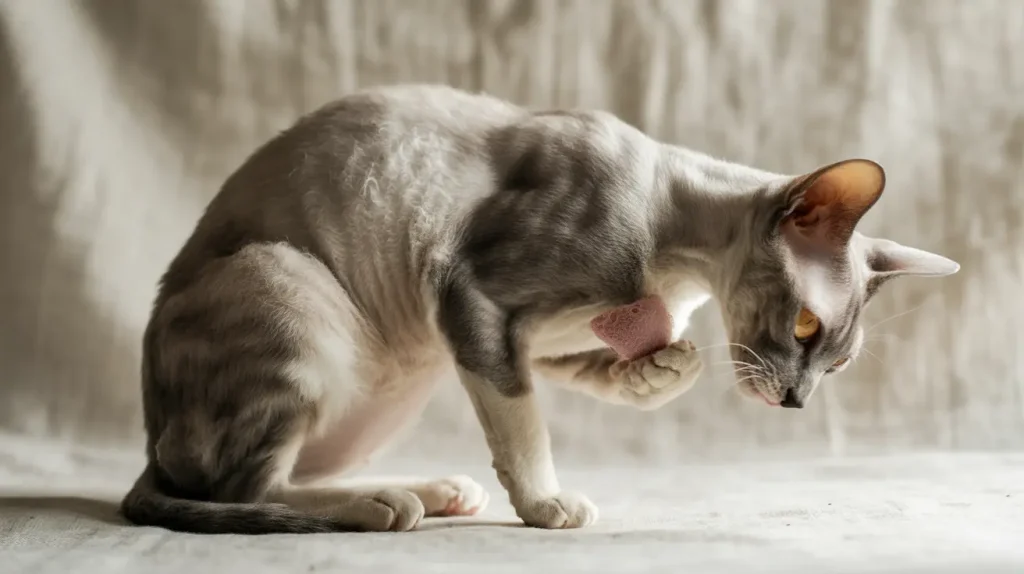
Have you ever noticed your cat pulling its own hair and wondered why this happens? It can be worrying to see your furry friend grooming so much that their fur starts to thin or fall out.
You might be asking yourself if this is normal or if something is wrong. Understanding why cats pull their hair out is important for keeping your pet healthy and happy. You’ll discover the common reasons behind this behavior and what you can do to help your cat feel better.
Keep reading to learn how to protect your cat’s well-being and stop this unsettling habit.

Credit: www.feliway.co.uk
Common Causes Of Hair Pulling In Cats
Cats pulling their hair out can signal various health and emotional issues. Understanding the common causes helps in spotting problems early. Hair pulling may result from physical discomfort or stress.
Each cause needs a different approach for relief and treatment. Below are the key reasons cats might pull their fur.
Allergies And Irritants
Allergies cause itching and redness on the skin. Cats react to food, pollen, dust, or cleaning products. This irritation makes them scratch and pull their hair. Identifying the allergen is vital to stop the behavior.
Stress And Anxiety
Stress leads to over-grooming and hair pulling in cats. Changes like moving homes or new pets increase anxiety. Cats use grooming to calm down but may overdo it. Reducing stress can help prevent hair loss.
Parasites And Infections
Fleas, mites, and ticks cause intense itching and discomfort. Infections from bacteria or fungi also irritate the skin. Cats scratch and pull hair to relieve the itch. Treating parasites and infections stops the problem.
Pain And Discomfort
Pain from injury or arthritis may cause cats to pull hair. They target the sore spots with grooming. Hair pulling signals that the cat feels pain somewhere. A vet check can find hidden causes of discomfort.
Signs Of Hair Pulling In Cats
Noticing signs of hair pulling in cats is crucial for their health. Cats rarely pull hair without a reason. Early detection helps prevent skin problems and discomfort. Watch your cat carefully to spot these signs early.
Visible Patches And Bald Spots
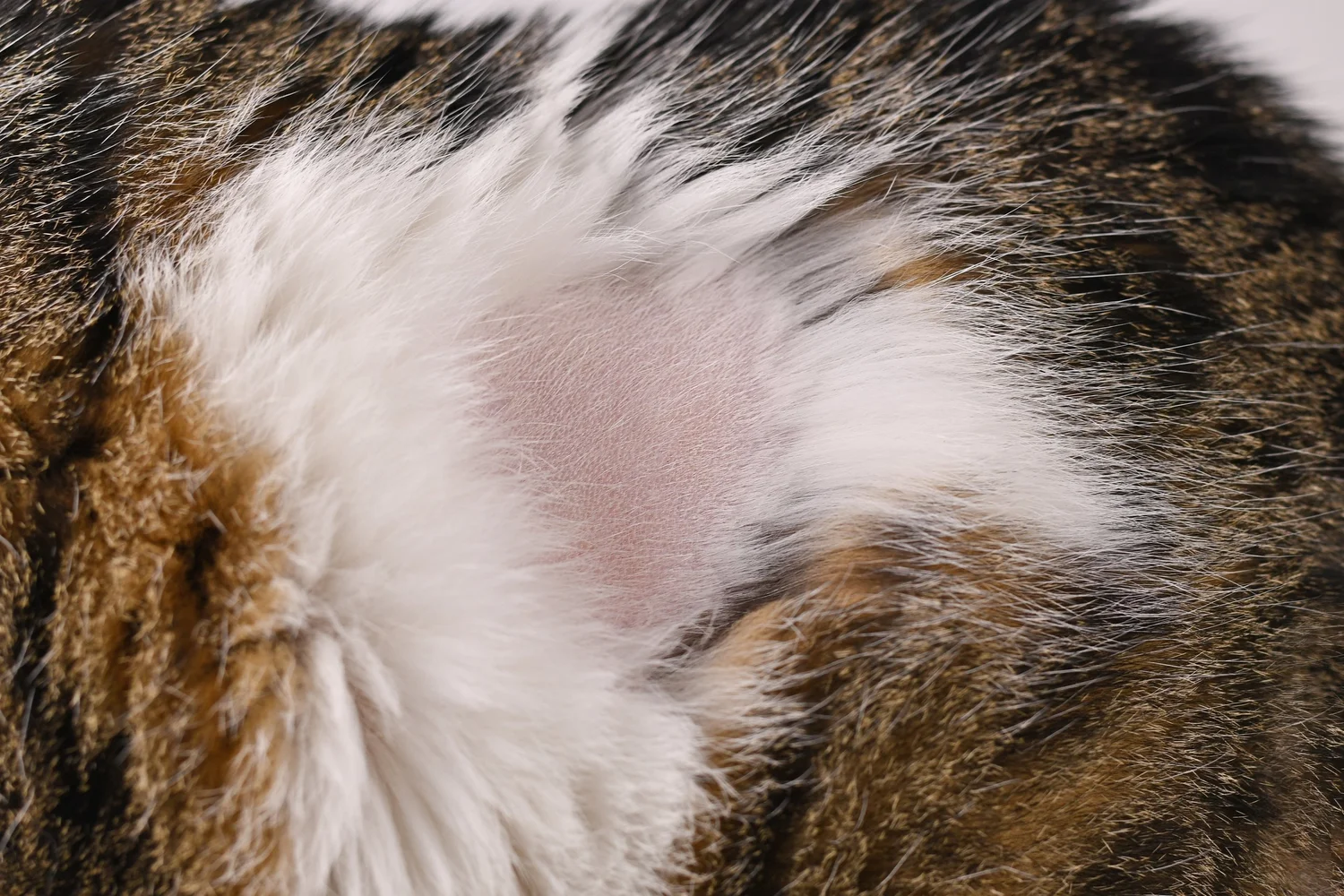
One clear sign is the presence of bald spots or patches. These areas look different from the rest of the fur. The skin may appear red or irritated. You might see small wounds or scabs. These patches are often in places your cat can reach easily.
Frequent Licking And Grooming
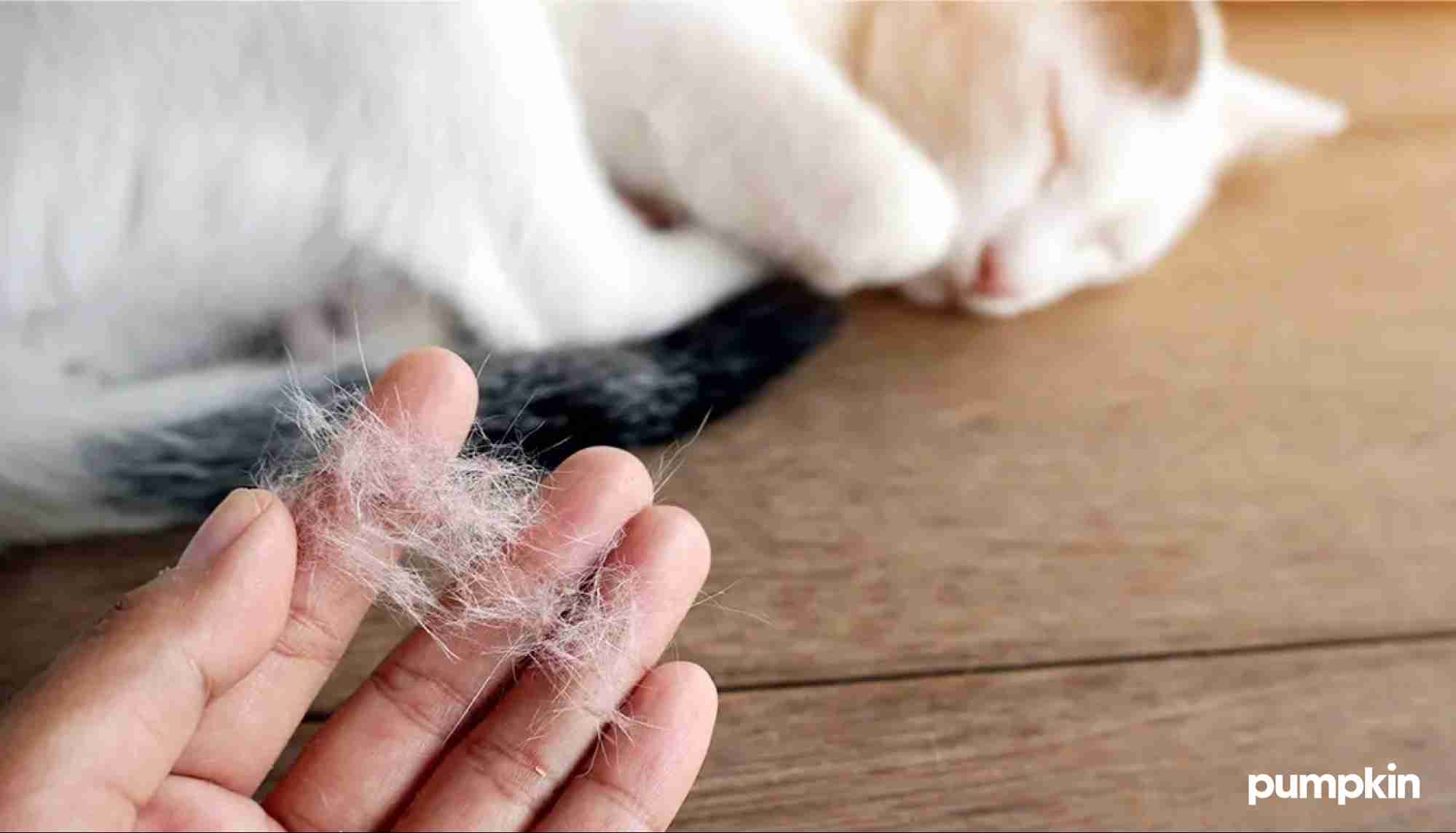
Excessive licking or grooming is a warning sign. Cats usually groom themselves, but too much is unusual. They may focus on one spot repeatedly. This behavior can cause hair to fall out. It may also cause skin damage or infections.
Changes In Behavior
Look for changes in your cat’s mood or actions. Hair pulling often links to stress or anxiety. Your cat may become restless or hide more often. Some cats show aggression or vocalize loudly. These changes can signal discomfort or pain.
Health Implications
Understanding the health implications of cats pulling their hair out is crucial for any pet owner. This behavior can signal underlying issues that affect your cat’s overall well-being. Ignoring these signs might lead to worsening conditions that are harder to treat later.
Skin Infections
When cats pull their hair out, they often create open wounds or irritated patches on their skin. These areas become vulnerable to infections caused by bacteria or fungi. If you notice redness, swelling, or oozing, it’s a clear sign your cat might be dealing with a skin infection.
Skin infections can cause your cat to feel uncomfortable and may lead to more scratching or biting. This creates a cycle that worsens the problem. Have you checked your cat’s coat closely for any unusual patches or signs of irritation?
Emotional Distress
Hair pulling in cats is not always just physical—it can also point to emotional distress. Stressful environments or changes in routine often trigger this behavior. Cats express anxiety through their bodies, and hair pulling is one of those signs.
Think about your cat’s daily life: new pets, loud noises, or even your absence can cause stress. Addressing emotional triggers by providing a calm space or using calming aids can reduce hair pulling. Have you noticed if your cat pulls more hair during specific stressful events?
Credit: www.pumpkin.care
Expert Solutions For Hair Pulling
Seeing your cat pull their hair out can be distressing, but there are effective ways to help your feline friend feel better. Understanding the root cause is key, and expert solutions often focus on diet, environment, and medical care. These approaches work together to reduce stress, soothe skin issues, and improve your cat’s overall well-being.
Dietary Adjustments
Your cat’s diet plays a crucial role in skin health and behavior. Nutrient deficiencies or allergies can cause itching and discomfort, leading to hair pulling. Consider switching to a hypoallergenic or grain-free food to see if symptoms improve.
Adding omega-3 fatty acids, found in fish oil supplements, can reduce inflammation and promote a healthy coat. Have you noticed if your cat’s hair pulling worsens after certain meals? Keeping a food diary might reveal hidden triggers.
Environmental Enrichment
Boredom and stress often push cats to over-groom or pull their hair. Introducing new toys, climbing trees, or puzzle feeders can keep your cat mentally and physically stimulated. This change helps redirect their energy into positive activities.
Try setting up quiet spaces where your cat feels safe and undisturbed. Sometimes, a simple rearrangement of furniture or adding a cozy bed near a window can reduce anxiety. How often do you observe your cat’s daily routine? Small tweaks might make a big difference.
Medical Treatments
If hair pulling continues despite changes in diet and environment, a vet visit is essential. Your cat may have skin infections, parasites, or allergies requiring medication. Topical creams, antihistamines, or even behavior-modifying drugs could be part of the treatment plan.
Regular check-ups help catch underlying issues early and adjust treatments as needed. Don’t hesitate to ask your vet about all available options to keep your cat comfortable and happy. What questions will you bring to your next vet appointment?
When To Seek Veterinary Help
Knowing when to seek veterinary help is crucial if your cat is pulling out its hair. Not all hair loss is an emergency, but some signs indicate that your pet needs professional care immediately. Ignoring these warning signals can worsen your cat’s condition and cause unnecessary discomfort.
Persistent Symptoms
If your cat continues to pull out hair despite your efforts to stop it, it’s time to consult a vet. Persistent scratching, biting, or licking that lasts more than a few days can signal underlying health issues like allergies or parasites.
You might notice redness, swelling, or small wounds on the skin. These symptoms suggest your cat is in distress and needs medical attention to prevent infection or further damage.
Have you ever tried changing your cat’s diet or environment without success? If so, a vet can perform tests to identify hidden problems you might have missed.
Severe Hair Loss
Severe hair loss is a clear sign you should seek veterinary advice immediately. If large patches of fur are missing or your cat’s skin looks raw or inflamed, don’t wait to get help.
Severe hair loss could mean your cat is suffering from serious conditions such as fungal infections, hormonal imbalances, or stress-related disorders.
Think about how your cat’s behavior changes along with the hair loss. Are they more restless or hiding more than usual? These changes can help your vet diagnose the problem faster.
Preventive Measures
Preventing your cat from pulling their hair out requires attention to both their physical and emotional needs. Taking proactive steps can reduce the chances of this behavior and keep your feline friend comfortable and happy. Let’s look at some straightforward ways you can help your cat maintain healthy fur and a calm mind.
Regular Grooming
Brushing your cat frequently helps remove loose hair and prevents matting that can irritate their skin. It also gives you a chance to check for any bumps, redness, or parasites that might cause discomfort.
Try to make grooming a relaxing routine for your cat. Use gentle strokes and speak softly to build trust and reduce any anxiety. This simple habit can stop your cat from feeling the urge to over-groom or pull out their hair.
Stress Reduction Techniques
Stress is a major reason cats pull their hair out, so creating a calm environment is key. Consider adding interactive toys or puzzle feeders to keep your cat mentally stimulated and less focused on anxious behaviors.
Have you noticed if certain events trigger your cat’s hair pulling? Loud noises, changes in routine, or new pets can all cause stress. Providing safe hiding spots and consistent daily schedules can help your cat feel secure and reduce compulsive grooming.
Credit: www.animalcareclinicjc.com
Frequently Asked Questions
Why Do Cats Pull Their Hair Out Suddenly?
Cats pull hair out due to stress, allergies, or skin infections. It can also indicate parasites like fleas. Identifying the cause helps in proper treatment and prevents further hair loss.
Can Allergies Cause Cats To Pull Their Hair Out?
Yes, allergies can make cats itchy, leading to hair pulling. Common allergens include food, pollen, and dust mites. Allergy management reduces itching and hair loss effectively.
How Can Stress Make Cats Pull Their Hair?
Stress triggers excessive grooming in cats, causing hair loss. Changes in environment or routine often cause this behavior. Reducing stress improves their comfort and fur condition.
Is Flea Infestation A Reason Cats Pull Hair Out?
Fleas cause intense itching and discomfort, prompting cats to pull hair. Regular flea control and treatment prevent infestations and related hair loss.
Conclusion
Cats pulling their hair can signal a problem. Stress, allergies, or skin issues often cause this. Watch your cat closely for changes in behavior. Taking your cat to a vet helps find the cause. Early care prevents more serious health problems.
Keep your cat comfortable and safe at home. Understanding why cats pull hair improves their well-being. Small actions make a big difference in their health. Caring for your cat shows your love and attention.
