

Are you wondering if your cat really needs yearly vaccinations? Keeping your furry friend healthy is important, but it can be confusing to know what shots they actually need and when.
You want to protect your cat from serious diseases without unnecessary visits or costs. You’ll discover why yearly vaccinations might be essential, what risks they prevent, and how to make the best choices for your pet’s health. Keep reading to find out what every cat owner should know about vaccinations—and why skipping them could put your cat at risk.
Importance Of Vaccinations For Cats
Vaccinations play a crucial role in keeping your cat healthy and protected against serious diseases. They help build your cat’s immune defense, reducing the risk of infections that can be costly and painful to treat. Skipping or delaying vaccines might seem harmless, but it can expose your feline friend to preventable illnesses.
Think about the last time you saw a cat struggling with an illness that could have been avoided with a simple vaccine. It’s tough to watch, and it makes you realize how essential regular vaccinations truly are. Are you confident your cat’s vaccine schedule is up to date?
How Vaccinations Protect Your Cat
Vaccines stimulate your cat’s immune system to recognize and fight specific viruses or bacteria. This preparation helps your cat stay healthy if exposed to those diseases later.
Without vaccines, your cat has no defense against harmful infections like feline leukemia, rabies, or distemper. These illnesses can be fatal or cause lifelong health problems.
Risks Of Skipping Annual Vaccinations
Some cat owners skip yearly boosters thinking the initial shots are enough. However, immunity can fade over time, leaving your cat vulnerable again.
Failing to vaccinate annually increases the chance of outbreaks, especially in multi-cat households or outdoor cats. Are you willing to risk your pet’s health by skipping these boosters?
Benefits Beyond Individual Protection
Vaccinating your cat also helps protect other pets and people around you. Certain diseases, like rabies, can spread from animals to humans.
Keeping your cat vaccinated supports community health and reduces the overall presence of dangerous diseases.
Consulting Your Veterinarian For The Right Vaccine Plan
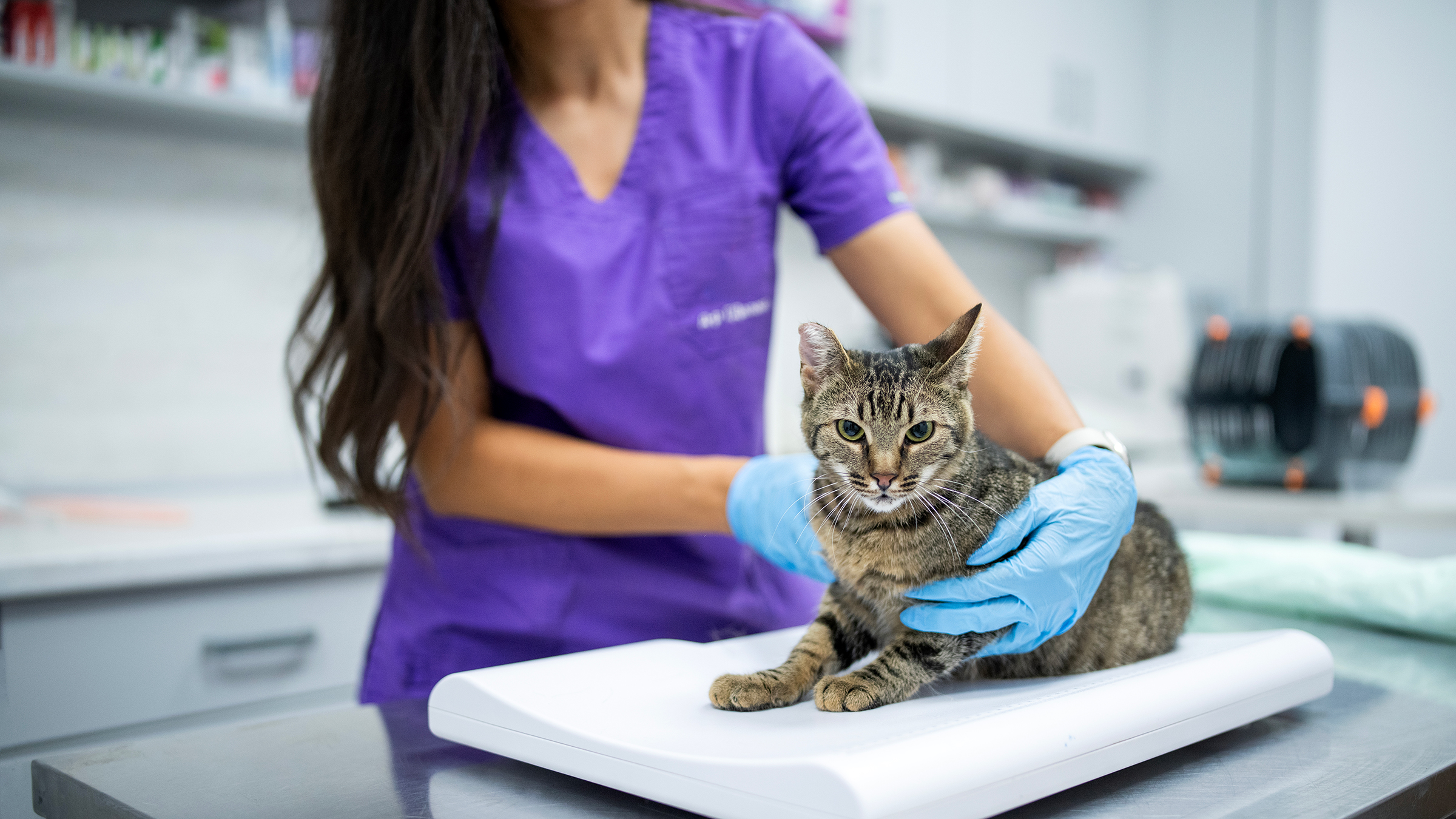
Not all cats need the same vaccines or schedules. Your vet considers your cat’s age, lifestyle, and health status to recommend the best plan.
Regular check-ups are a perfect opportunity to review and update your cat’s vaccines. Have you scheduled your cat’s next vet visit yet?
Credit: www.goodrx.com
Core Vaccines For Cats
Core vaccines protect your cat against the most dangerous and common diseases. These vaccines are essential regardless of your cat’s lifestyle—indoor or outdoor. Skipping them can leave your furry friend vulnerable to serious health issues that are often preventable.
Rabies Vaccine
Rabies is a deadly virus that affects the nervous system and can spread to humans. The rabies vaccine is not only crucial for your cat’s health but also often required by law. It’s a one-time vaccine followed by regular boosters to keep your cat protected.
Think about your neighborhood—if a wild animal or stray comes close, your cat is at risk. The rabies vaccine acts as a shield, preventing this fatal disease from taking hold.
Feline Distemper
Also known as panleukopenia, feline distemper is highly contagious and can be fatal. It attacks your cat’s immune system and digestive tract, causing severe symptoms like vomiting and diarrhea. Vaccination significantly reduces the chances your cat will suffer from this harsh disease.
When I adopted my cat, her first vet visit included this vaccine. Seeing how quickly kittens can fall ill without it made me realize its importance immediately.
Feline Herpesvirus
Feline herpesvirus causes respiratory infections and eye problems, which can become chronic without vaccination. Your cat may experience sneezing, eye discharge, and difficulty breathing if exposed. The vaccine helps minimize the severity and spread of this common virus.
Regular vaccination helps maintain your cat’s quality of life, especially if multiple cats share a home or your cat visits places like boarding facilities.
Non-core Vaccines
Non-core vaccines are not given to every cat automatically. They depend on your cat’s lifestyle and environment. Knowing which non-core vaccines your cat might need can help you protect them without unnecessary shots.
Feline Leukemia
Feline leukemia virus (FeLV) is serious and can be deadly. Cats that go outside or live with other cats are at higher risk. If your cat is indoor-only and has no contact with other cats, this vaccine might not be necessary.
Vaccinating against FeLV can prevent your cat from catching this virus, which affects the immune system and can cause cancer. I once had a friend whose outdoor cat caught FeLV, and the vet said vaccination could have helped avoid a lot of heartache. Does your cat’s routine include visits to places with other cats?
Bordetella
Bordetella is a bacteria that causes respiratory infections, similar to a cold or kennel cough. This vaccine is recommended if your cat spends time in boarding facilities, grooming salons, or shelters. Otherwise, it’s usually not needed for cats who stay home.
Think about where you take your cat. If they meet many other cats or travel often, the Bordetella vaccine adds a layer of protection. Have you noticed signs of sneezing or coughing after your cat returns from a stay away from home?
Frequency Of Vaccinations
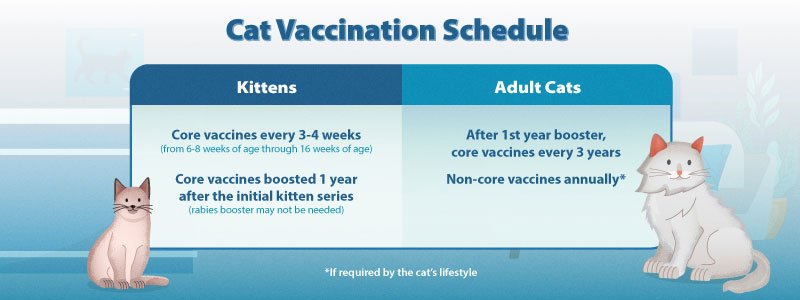
Vaccinations protect cats from serious diseases. The frequency depends on age and health status. Cats need more shots during their first months. Adult cats require boosters to keep protection strong. Regular vaccination helps maintain immunity over time.
Kitten Vaccination Schedule
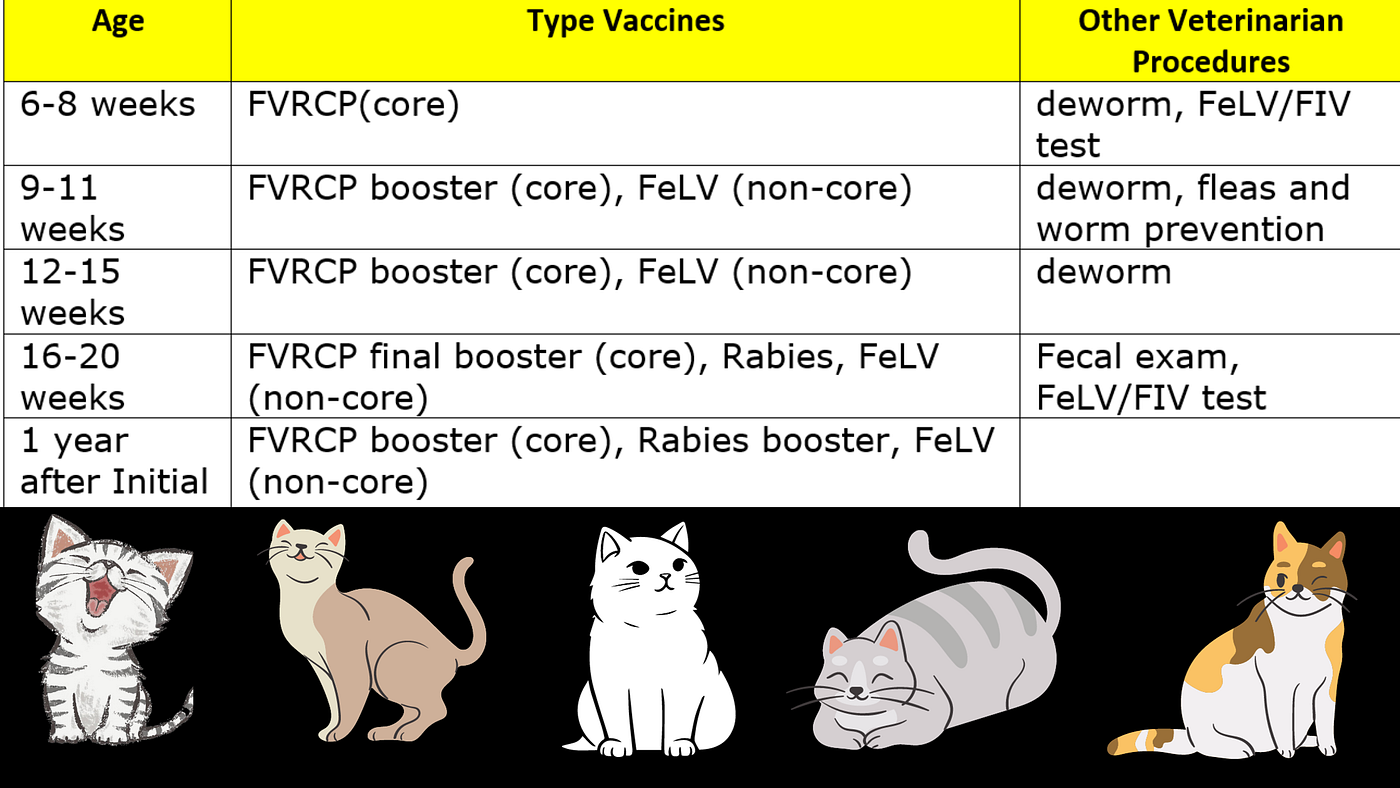
Kittens start vaccinations at six to eight weeks old. They need several shots every three to four weeks. The typical schedule looks like this:
- 6-8 weeks: First vaccine dose
- 10-12 weeks: Second dose
- 14-16 weeks: Third dose
- 16-20 weeks: Final dose
This schedule builds strong immunity before kittens explore the world. Rabies vaccination usually happens at 12 to 16 weeks.
Adult Cat Booster Shots
Adult cats need booster shots yearly or every three years. The timing depends on the vaccine type. Boosters keep protection high against diseases like:
- Rabies
- Feline distemper
- Feline leukemia virus (FeLV)
Your vet will recommend the best booster schedule. Staying current with shots helps prevent illness and spreads of disease.
Risks And Side Effects
Vaccinations protect cats from many serious diseases. Like any medical procedure, vaccines carry some risks. Understanding these risks helps pet owners make informed choices. Most cats handle vaccines well, but side effects can occur. Awareness of these effects ensures quick action if needed.
Common Side Effects
- Mild swelling or soreness at the injection site
- Temporary tiredness or sleepiness
- Reduced appetite for a day or two
- Sneezing or mild nasal discharge (for nasal vaccines)
- Occasional mild fever lasting less than 48 hours
These side effects usually resolve without treatment. They show the immune system is responding to the vaccine.
Rare Complications
- Severe allergic reactions like swelling of the face or difficulty breathing
- Persistent vomiting or diarrhea
- Injection site abscess or lump lasting more than a few days
- Development of vaccine-associated sarcomas (very rare tumors)
Immediate veterinary care is needed for severe reactions. Discuss any history of reactions with your vet before vaccinating.

Credit: metrovetclinic.com
Consulting With Your Veterinarian
Consulting with your veterinarian is essential for your cat’s health. They understand your cat’s medical history and lifestyle. This knowledge helps them suggest the best vaccination schedule. Regular visits allow vets to check for new health risks. They also monitor any side effects from past vaccines.
Individualized Vaccination Plans
Each cat has unique needs. Age, health, and environment influence vaccination choices. Indoor cats might need fewer vaccines than outdoor cats. Cats with certain health issues may require special care. Your vet creates a plan that fits your cat’s situation. This plan keeps your cat safe without unnecessary shots.
Questions To Ask Your Vet
- What vaccines does my cat really need?
- How often should my cat get vaccinated?
- Are there any risks with these vaccines?
- What signs of side effects should I watch for?
- Can my cat skip any vaccines if healthy?
- How do vaccines protect my cat from diseases?
Alternatives And Considerations
Deciding whether your cat needs yearly vaccinations involves weighing alternatives and considering specific factors about your pet’s health and lifestyle. Not every cat requires the same vaccine schedule, and understanding your options can help you make informed choices that suit your cat’s needs and reduce unnecessary vet visits.
Titer Testing
Titer testing measures the level of antibodies in your cat’s blood to see if they are still protected against certain diseases. This test can help you avoid giving vaccines when your cat already has sufficient immunity.
Many cat owners find comfort knowing their pet isn’t getting extra shots when it’s not needed. However, not all vets offer titer testing, and it can be more expensive upfront than a vaccination.
Think about this: could a simple blood test save your cat from extra vaccines while still keeping them safe? Discuss with your vet if titer testing fits your cat’s health plan.
Lifestyle And Environment Factors
Your cat’s daily routine and environment significantly impact vaccination needs. Indoor cats with limited exposure to other animals might require fewer vaccines than outdoor cats who face higher risks.
Consider if your cat visits boarding facilities, groomers, or cat shows, which might increase their exposure to contagious diseases. These activities often justify maintaining a regular vaccination schedule.
Ask yourself: how often does your cat interact with other animals or visit new places? Understanding this can help you decide which vaccines are essential and which might be unnecessary.
Credit: medium.com
Frequently Asked Questions
Do Cats Really Need Yearly Vaccinations?
Yes, yearly vaccinations protect cats from serious diseases. Annual boosters maintain immunity and prevent infections. They ensure your cat stays healthy and safe.
What Vaccines Are Essential For Cats Yearly?
Core vaccines include rabies, feline distemper, and respiratory viruses. These vaccines prevent deadly diseases and are recommended annually by vets.
Can Skipping Vaccinations Harm My Cat’s Health?
Skipping vaccinations increases the risk of infections. Unvaccinated cats are vulnerable to contagious diseases, which can be fatal or costly to treat.
Are There Risks To Yearly Cat Vaccinations?
Vaccinations are generally safe with minimal side effects. Mild reactions like soreness or fatigue may occur but serious issues are rare.
Conclusion
Cats benefit from yearly vaccinations to stay healthy. Vaccines protect them from serious diseases. Regular shots keep their immune system strong. Skipping vaccines can put cats at risk. Talk to your vet about the best schedule. Healthy cats live longer and feel better.
Keeping up with vaccines shows you care. Simple steps help prevent illness and pain. Yearly vaccinations are a smart choice for every cat.
