

If you have a cat, you probably want to keep it safe and healthy. One important question you might have is: how many rabies shots does your cat really need?
Knowing the right number of vaccinations can protect your furry friend from a deadly disease and keep you worry-free. You’ll discover exactly what you need to know about rabies shots for cats, why they matter, and how to keep your pet protected without unnecessary trips to the vet.
Keep reading to make sure your cat stays safe and sound.
Rabies And Its Impact On Cats
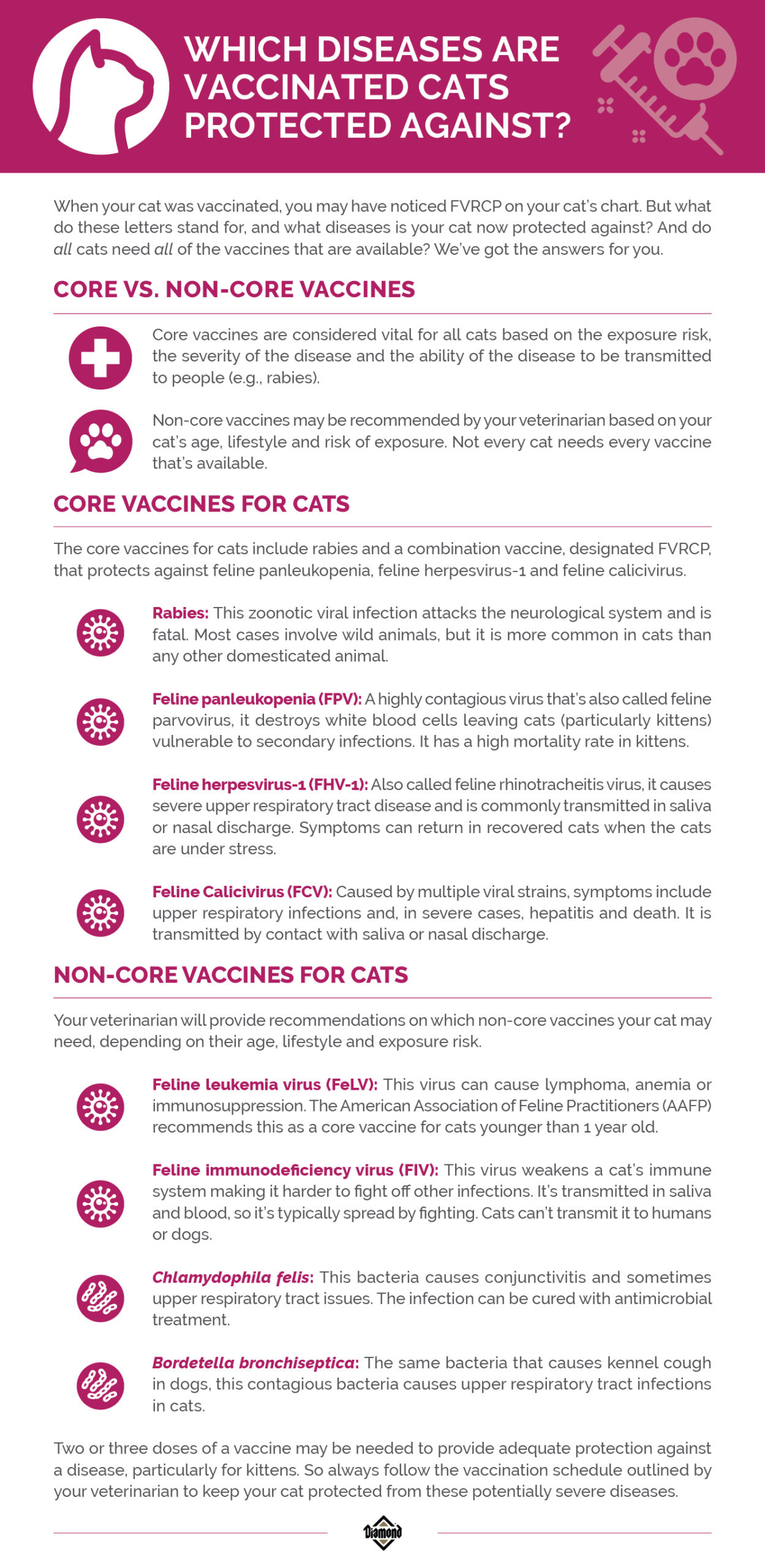
Rabies is a deadly virus that affects the brain and nervous system. It spreads through bites or scratches from infected animals. Cats are vulnerable to rabies, especially outdoor cats that meet wild animals or stray pets.
Rabies causes serious health problems in cats. Early signs include behavior changes and weakness. As the disease advances, cats may become aggressive or paralyzed. Rabies is always fatal once symptoms appear.
How Rabies Spreads To Cats
- Bites from infected animals like raccoons, bats, or foxes
- Scratches that break the skin and carry saliva
- Contact with open wounds or mucous membranes
Symptoms Of Rabies In Cats
- Restlessness or unusual aggression
- Excessive drooling or difficulty swallowing
- Paralysis starting at the bite site
- Seizures or loss of coordination
Why Vaccination Matters
- Prevents the virus from infecting your cat
- Protects your family and other pets
- Required by law in many areas
- Reduces the risk of costly treatment or euthanasia
Understanding Rabies Vaccination
Rabies vaccination is more than just a routine shot for your cat—it’s a critical step in protecting both your furry friend and your household from a deadly virus. Understanding how these vaccinations work helps you make informed decisions about your cat’s health. It also highlights why sticking to the vaccination schedule is non-negotiable.
What Is Rabies And Why Vaccinate?
Rabies is a viral disease that affects the brain and is almost always fatal once symptoms appear. It spreads through bites or scratches from infected animals, making cats vulnerable especially if they roam outdoors. Vaccinating your cat creates a shield, preventing the virus from taking hold and stopping its spread to humans and other pets.
How Rabies Vaccines Work In Cats
The rabies vaccine triggers your cat’s immune system to produce protective antibodies. These antibodies fight off the virus if exposed later on. The vaccine itself does not cause rabies, but it prepares your cat’s body to fight the infection effectively.
The Vaccination Schedule And Booster Shots
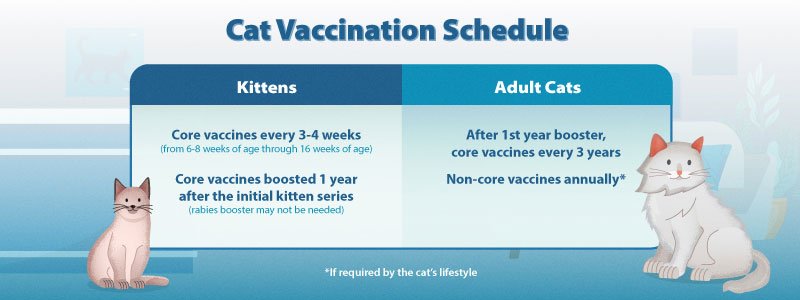
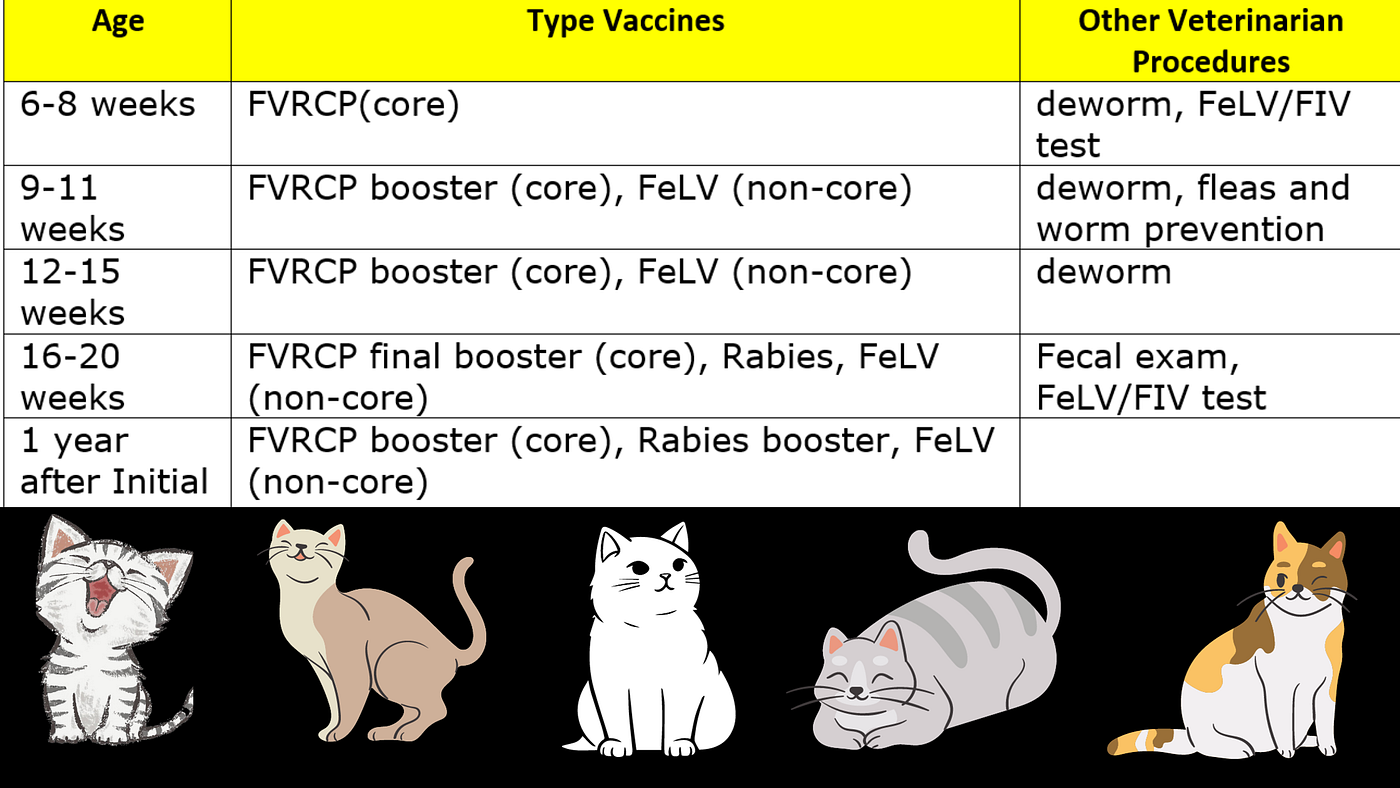
Typically, kittens receive their first rabies shot at around 12 to 16 weeks old. After this initial dose, a booster is required one year later to ensure ongoing protection. Following that, most cats need a booster every one to three years depending on local laws and vaccine type.
Legal Requirements And Your Responsibilities
Many regions legally require rabies vaccination for cats to protect public health. Compliance isn’t just about following rules—it’s about keeping your community safe. Are you aware of your local laws regarding rabies shots for pets? Staying updated ensures your cat remains protected and you avoid penalties.
Common Concerns And Side Effects
Some cat owners worry about vaccine reactions, but serious side effects are rare. Mild symptoms like soreness or slight fever may occur briefly after vaccination. Observing your cat for a day or two post-shot can help you catch any unusual responses early.
Initial Vaccination Schedule
The initial vaccination schedule for rabies in cats is crucial for their health. This schedule helps build strong protection against the deadly rabies virus. Starting vaccinations early ensures your cat stays safe as they grow.
Most veterinarians follow a clear timeline for the first rabies shot. The timing depends on the cat’s age and local laws. Understanding this schedule helps pet owners keep track of important vaccine dates.
Age For The First Rabies Shot
Kittens usually receive their first rabies vaccine at 12 weeks old. Some vets may recommend vaccination as early as 8 weeks in high-risk areas. The goal is to vaccinate before the kitten faces any risk of exposure.
Booster Shot Timing
The first rabies booster is given one year after the initial shot. This booster strengthens the immune response. After the first booster, cats need regular boosters every one to three years.
Veterinary Guidelines And Legal Requirements
Local laws often dictate rabies vaccination schedules. Many areas require proof of vaccination by a certain age. Veterinarians follow these rules to keep cats and communities safe.
Monitoring For Side Effects
Watch your cat for reactions after vaccination. Mild swelling or tiredness may occur. Serious side effects are rare but need immediate veterinary care.
Booster Shots Frequency
Keeping your cat protected against rabies means understanding when booster shots are needed. These boosters help maintain immunity over time, preventing the disease from taking hold. But how often should your cat get these shots? The answer depends on several factors, including vaccine type and local regulations.
Understanding Booster Shot Timing
Rabies booster shots are typically given after the initial vaccine series. This first booster usually happens one year after the initial shot. After that, the timing can vary depending on the vaccine used and your vet’s advice.
Some vaccines require boosters every year, while others last for three years. It’s essential to track your cat’s vaccination schedule carefully. Missing a booster can leave your cat vulnerable to rabies, which is almost always fatal.
Factors That Influence Booster Frequency
- Type of Vaccine:Some vaccines are labeled for annual use, others for triennial (three-year) use.
- Local Laws:Many regions have legal requirements on how often cats must be vaccinated against rabies.
- Your Cat’s Health:Older cats or those with health issues might need a different schedule.
Do you know the rules in your area? Checking with your vet or local animal control can save you from missing critical booster shots.
Signs Your Cat May Need A Booster Sooner
If your cat spends time outdoors or interacts with wildlife, they might benefit from more frequent boosters. Outdoor cats face higher risks of exposure to rabies carriers like bats and raccoons.
Also, if your cat’s immune system is compromised, boosters might need to be given more often. Always discuss your cat’s lifestyle and health with your vet to tailor the vaccination plan accordingly.
Keeping Track Of Vaccination Records
Staying organized with your cat’s vaccination records is key. Use a calendar or digital reminder to schedule booster appointments.
Some vets provide vaccination certificates that show when the next booster is due. Keeping this document handy helps avoid missed shots and ensures your cat stays protected.
State Regulations And Legal Requirements
State regulations set clear rules about rabies vaccinations for cats. These laws protect both pets and people. Different states have different rules on how many rabies shots a cat needs. Knowing your local laws helps keep your cat safe and legal.
Most states require cats to get a rabies vaccine by a certain age. Then, they must get booster shots regularly. The timing and frequency depend on the type of vaccine used and state laws. Missing a shot can lead to fines or other penalties.
Initial Rabies Vaccination Requirements
States often require the first rabies shot between 12 and 16 weeks old. This vaccine protects young cats before they face any risk. Pet owners must provide proof of this vaccination to local authorities or veterinarians.
Booster Shot Regulations
Booster shots follow the initial vaccine to maintain immunity. State laws usually set the booster schedule every one to three years. The exact timing depends on the vaccine brand approved by the state. Keeping boosters up to date is essential for your cat’s health and legal compliance.
Documentation And Proof Of Vaccination
States require official documentation for rabies vaccinations. This proof often includes a certificate from a licensed veterinarian. Pet owners must keep this record safe and may need to show it during pet licensing or vet visits.
Penalties For Non-compliance
Failing to follow rabies vaccination laws can lead to fines. Some states may require quarantine or other measures for unvaccinated cats. Following regulations protects your cat and helps prevent rabies spread in the community.
Signs Of Adverse Reactions
After a cat receives a rabies shot, watching for signs of adverse reactions is important. Some cats may show mild symptoms that fade quickly. Others might experience more serious effects needing veterinary attention.
Knowing these signs helps keep your cat safe and healthy. Early detection allows for prompt care and prevents complications.
Common Symptoms To Watch For
- Swelling or redness at the injection site
- Loss of appetite or refusal to eat
- Lethargy or unusual tiredness
- Mild fever or shivering
- Vomiting or diarrhea
Severe Reactions That Require Immediate Help
- Difficulty breathing or wheezing
- Severe swelling around the face or neck
- Repeated vomiting or diarrhea
- Collapse or unresponsiveness
- Seizures or trembling
When To Contact Your Veterinarian
If your cat shows any severe symptoms, seek veterinary care right away. Mild symptoms lasting more than 24 hours also need a check-up. Trust your instincts; prompt action protects your cat’s health.
Importance Of Veterinary Consultation
Veterinary consultation plays a key role in your cat’s rabies vaccination schedule. Each cat has unique health needs that affect how many rabies shots it requires. A vet can assess your cat’s age, health, and lifestyle to recommend the proper vaccination plan.
Vaccines may differ based on local laws and risks in your area. Only a professional can guide you through these requirements. They also monitor your cat for any side effects after vaccination. This ensures your pet stays safe and healthy.
Regular vet visits build a strong health record. This record helps track vaccinations and plan future care. Trusting a vet keeps your cat protected from rabies and other diseases.
Personalized Vaccination Schedule
Vets create vaccine plans tailored to your cat’s needs. Factors include age, health issues, and exposure risk. This approach avoids unnecessary shots and ensures full protection.
Understanding Local Rabies Laws
Rabies vaccination laws vary by region. A vet knows your area’s rules and can guide you. This prevents legal problems and keeps your cat compliant.
Monitoring Post-vaccine Health
After vaccination, vets watch for side effects. Immediate care is available if reactions occur. This helps keep your cat safe after each shot.
Building A Comprehensive Health Record
Vets maintain detailed records of your cat’s vaccines. This record helps with future medical decisions. It ensures all vaccinations stay up to date.

Credit: millsanimalhospital.com
Myths And Misconceptions
Rabies vaccination for cats is a topic surrounded by many myths and misconceptions. These misunderstandings can cause confusion and sometimes lead to poor decisions about your cat’s health. Let’s clear up some common myths so you can protect your furry friend effectively.
Is One Rabies Shot Enough For A Cat’s Lifetime?
Many believe a single rabies shot will protect their cat forever. This is not true. Rabies vaccines require boosters to maintain protection, typically every one to three years depending on the vaccine type and local laws.
If you’ve ever skipped a booster thinking your cat was still safe, you might have unknowingly put them at risk. Vaccination schedules are designed based on how long immunity lasts, so staying up-to-date is crucial.
Do Indoor Cats Need Rabies Vaccination?
Some pet owners think indoor cats don’t need rabies shots because they don’t go outside. However, rabies can be transmitted through bats or other wildlife that enter the home. Even indoor cats have a risk of exposure.
Think about it: if a bat enters your house and your cat encounters it, your pet could be exposed to rabies. Vaccinating your cat provides a layer of protection that no amount of indoor safety can guarantee.
Rabies Vaccination Causes More Harm Than Good
There’s a fear that rabies vaccines can cause severe side effects or long-term health problems. While vaccines can cause mild reactions like soreness or slight fever, serious side effects are extremely rare.
Choosing not to vaccinate due to fear of side effects can leave your cat vulnerable to a deadly disease. Ask your vet about vaccine safety and watch for any reactions after vaccination for peace of mind.
My Cat Can’t Get Rabies Because It’s Never Bitten Anyone
Rabies isn’t only spread by biting. It can also be transmitted through saliva entering an open wound or mucous membranes. Your cat may not show aggressive behavior before infection.
Have you noticed your cat playing roughly with other animals or exploring areas where wildlife roams? These situations increase the chance of exposure, making vaccination a smart choice.
Maintaining Vaccination Records
Keeping vaccination records for your cat is very important. These records show which shots your cat has had and when the next ones are due. Well-kept records help protect your cat’s health and make vet visits easier.
Vaccination documents also serve as proof for boarding facilities or pet sitters. They confirm your cat is safe and up to date with rabies shots. Clear records reduce stress during emergencies and routine care.
Organizing Your Cat’s Vaccination Information
Store vaccination papers in a safe and easy-to-find place. Use a dedicated folder or a digital file on your phone or computer. Label files with your cat’s name and date of birth for quick access.
- Include vaccine name and date given
- Record the vet’s name and clinic details
- Note the next scheduled vaccine date
Using Digital Tools To Track Vaccinations
Several apps and websites help track pet vaccines. These tools send reminders for upcoming shots. Digital records can be shared easily with vets or pet care providers.
Sharing Records With Your Veterinarian
Bring vaccination records to every vet visit. They help the vet decide on booster shots and treatments. Updated records prevent unnecessary vaccinations and ensure proper care.
Keeping Records Updated After Each Visit
Immediately add new vaccine details after vet visits. This keeps your records accurate and current. Regular updates reduce confusion and protect your cat’s health over time.
Credit: medium.com
Additional Preventative Measures
Protecting your cat from rabies goes beyond just vaccination. There are several additional steps you can take to keep your feline friend safe. These measures help reduce the risk of exposure and keep your home environment secure.
Secure Your Cat Indoors
Keeping your cat indoors limits its chances of encountering wild animals that may carry rabies. Indoor cats are less likely to get into fights or be bitten by infected animals. Have you ever noticed how curious cats can be outside? Controlling their environment helps you manage their safety better.
Regular Vet Check-ups
Routine visits to the vet ensure your cat’s vaccinations are up to date. Your vet can also check for any signs of illness or injury that might increase risk. Scheduling these visits on time means you’re always one step ahead in prevention.
Control Wildlife Access
Prevent wild animals like raccoons, bats, and skunks from entering your yard or home. Use secure trash bins and avoid leaving pet food outside, which can attract these animals. Have you thought about how your outdoor space might invite unwanted visitors?
Microchipping And Identification
In case your cat does escape, microchipping increases the chances of a quick return. Identification tags with your contact info also help neighbors reach you fast. This small step can save your cat from prolonged exposure to rabies risks if lost.
Educate Family And Neighbors
Make sure everyone who interacts with your cat understands the importance of rabies prevention. Share tips on avoiding contact with stray or wild animals. When your whole community is aware, your cat’s protection improves significantly.
Credit: www.diamondpet.com
Frequently Asked Questions
How Many Rabies Shots Does A Cat Need Initially?
Kittens usually receive one initial rabies shot at 12 to 16 weeks of age. This first vaccination builds basic immunity against rabies.
How Often Should A Cat Get Rabies Booster Shots?
Cats need rabies booster shots every one to three years, depending on local laws and vaccine type used. Regular boosters maintain effective protection.
Can Rabies Vaccinations Protect Cats For Life?
No, rabies vaccines do not provide lifelong immunity. Cats require regular boosters to stay protected against rabies infection.
Are Rabies Shots Mandatory For Indoor Cats?
Yes, many regions legally require rabies vaccination for all cats, including indoor pets, to prevent disease spread.
Conclusion
Cats need rabies shots to stay safe and healthy. Usually, they get one vaccine as a kitten. Then, booster shots come every one to three years. This schedule depends on local laws and vet advice. Keeping shots up to date protects your cat and others.
It also helps avoid fines or legal issues. Talk to your vet to know the best plan. Vaccines keep your cat safe from this serious disease. Don’t skip these important visits. Your cat will thank you with a long, happy life.
