

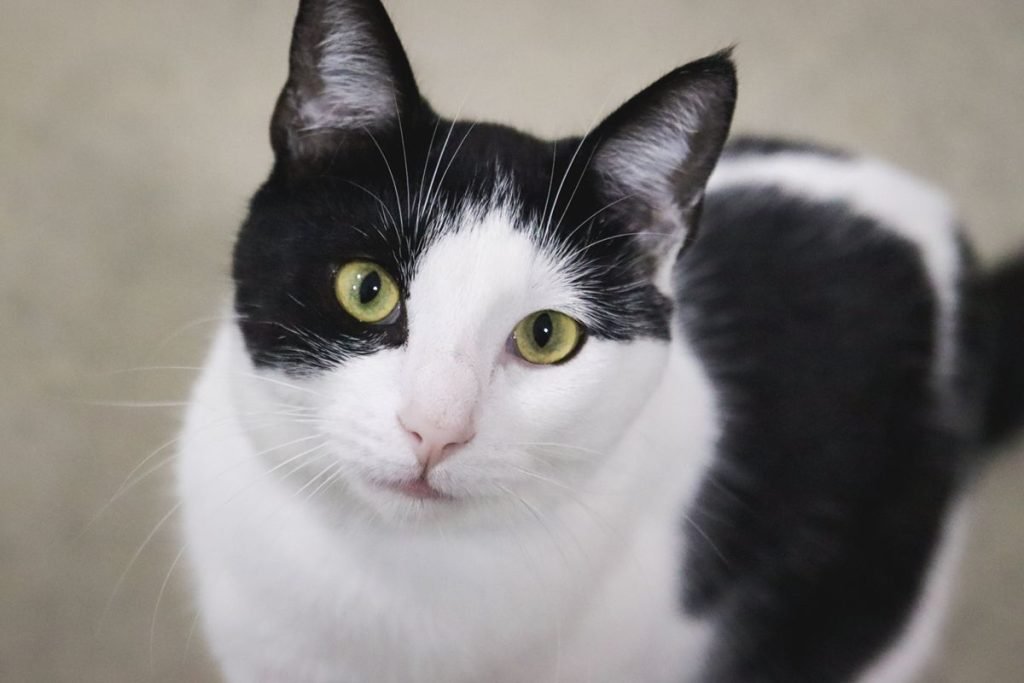
Have you ever wondered how long tuxedo cats live? If you have one at home or are thinking about adopting, knowing their lifespan can help you prepare for the years ahead.
You want your furry friend to stay healthy and happy for as long as possible. You’ll discover the typical lifespan of tuxedo cats, what affects their longevity, and simple tips to help your cat live a longer, fuller life. Keep reading to learn how to give your tuxedo cat the best chance at many joyful years by your side.
Tuxedo Cat Characteristics
Tuxedo cats are famous for their striking looks and charming behavior. They are not a specific breed but a color pattern found in many cat types. Their unique appearance and personality make them very popular among cat lovers.
Distinctive Coat Patterns
Tuxedo cats have a black and white coat that looks like a formal suit. The black fur covers most of their body. The white fur appears on their chest, paws, and sometimes the face. This pattern looks like a tuxedo jacket and shirt.
- Black fur on the back and sides
- White fur on the chest and belly
- White paws, often called “mittens”
- Sometimes white markings on the face
The patterns can vary. Some tuxedo cats have more white, while others have less. Each cat’s markings are unique.
Common Personality Traits
Tuxedo cats are known for their friendly and playful nature. They are smart and curious cats. They enjoy interacting with people and other pets.
- Affectionate and loyal
- Playful and energetic
- Intelligent and quick learners
- Sometimes shy but usually social
Many owners say tuxedo cats have a special charm. Their personality makes them great companions for families and individuals alike.
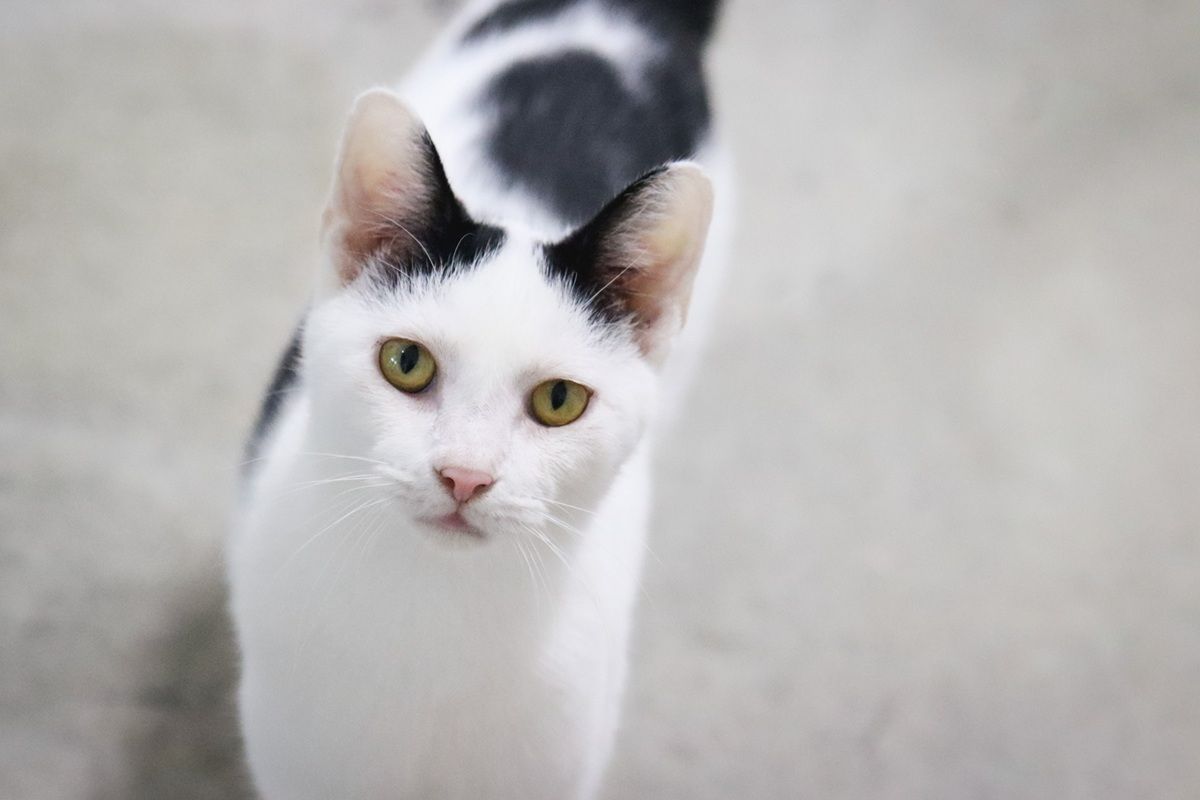
Credit: cats.com
Average Lifespan Of Tuxedo Cats
Tuxedo cats are known for their distinctive black-and-white coat, but many owners wonder how long these charming felines typically live. Understanding the average lifespan of tuxedo cats helps you prepare for a happy, healthy relationship with your pet. Lifespan depends on various factors that go beyond their striking appearance.
Factors Influencing Lifespan
The lifespan of a tuxedo cat can vary widely, but on average, they live between 12 and 16 years. Genetics play a big role, but your cat’s diet, exercise, and veterinary care are just as important.
Indoor tuxedo cats often live longer than outdoor ones because they face fewer dangers like traffic, predators, and diseases. Regular vet check-ups catch health problems early, which can add years to their life.
Have you noticed how your tuxedo cat’s activity level changes with age? Staying active and engaged can keep them healthier for longer. Mental stimulation, like interactive toys and playtime, also supports their well-being.
Comparisons With Other Breeds
Tuxedo cats are not a specific breed but a color pattern, so their lifespan is similar to that of domestic short-haired or long-haired cats. Compared to purebred cats like Persians or Siamese, tuxedo-patterned cats generally have fewer genetic health issues.
For example, purebred cats might face breed-specific illnesses that can shorten their lifespan. On the other hand, tuxedo cats, often being mixed breed, tend to benefit from greater genetic diversity.
Does knowing this change how you view your tuxedo cat’s health needs? While no cat’s life expectancy is guaranteed, understanding these comparisons helps you focus on what really matters: quality care and love.
Genetic Health Factors
Tuxedo cats often charm with their distinct black and white coats. Their unique appearance comes from genes that also influence their health. Genetic health factors play a key role in how long tuxedo cats live. Understanding these factors helps owners support their pets better.
Common Genetic Conditions
Tuxedo cats can inherit several genetic health issues. Some problems appear more often in cats with certain gene patterns. These include:
- Hypertrophic Cardiomyopathy (HCM) – a heart condition that thickens the heart walls.
- Polycystic Kidney Disease (PKD) – causes cysts to grow in the kidneys.
- Progressive Retinal Atrophy (PRA) – leads to vision loss over time.
- Hip Dysplasia – affects joint development and causes arthritis.
These conditions may shorten a tuxedo cat’s life if not treated early. Regular veterinary check-ups can help detect these diseases.
Preventative Health Measures
Healthy genetics start with good care. Owners should:
- Choose breeders who test for genetic diseases.
- Schedule annual health screenings for early detection.
- Feed balanced diets to support overall health.
- Keep cats indoors to reduce injury and disease risks.
- Provide regular exercise to maintain healthy weight.
Preventative care helps tuxedo cats live longer and healthier lives. Understanding genetics guides better care decisions.
Diet And Nutrition
Diet and nutrition play a key role in a tuxedo cat’s health and lifespan. Providing the right food helps maintain energy, supports organs, and keeps the coat shiny. A balanced diet reduces risks of disease and boosts their immune system.
Essential Nutrients
Tuxedo cats need specific nutrients to stay healthy. Protein is crucial for muscle strength and repair. Fat offers energy and helps absorb vitamins. Carbohydrates supply quick energy but should be limited. Vitamins and minerals support bones, skin, and overall function.
- High-quality animal protein (chicken, fish, beef)
- Healthy fats like omega-3 and omega-6
- Vitamins A, D, and E
- Minerals such as calcium and phosphorus
- Water for hydration and digestion
Commercial cat food often contains these nutrients in balanced amounts. Homemade diets require careful planning to include all essentials.
Impact Of Diet On Lifespan
Proper nutrition can extend a tuxedo cat’s life. Well-fed cats tend to have stronger immune systems. They are less prone to obesity and related illnesses. Cats with poor diets face risks like kidney disease and diabetes.
Feeding small, frequent meals helps control weight and energy. Avoid feeding human food that can be harmful. Regular vet checkups guide diet adjustments for aging tuxedo cats.
Exercise And Activity
Exercise and activity play a crucial role in the health and longevity of tuxedo cats. Keeping your cat physically active helps maintain a healthy weight, boosts their mood, and supports their overall well-being. You might notice that a playful tuxedo cat tends to be more alert and engaged, which can positively influence their lifespan.
Importance Of Physical Activity
Physical activity helps tuxedo cats maintain muscle tone and keeps their joints flexible. Without enough exercise, your cat may become overweight, which increases the risk of diabetes and heart problems. Active cats also experience less stress and are less likely to develop behavioral issues like aggression or destructive habits.
Have you observed how your tuxedo cat behaves after a burst of play? That energy release is essential for their mental and physical health. You can encourage daily movement through simple routines like short play sessions or encouraging climbing on cat trees.
Interactive Play Ideas
Engaging your tuxedo cat with interactive play can be fun for both of you and supports their exercise needs. Try using toys that mimic prey, such as feather wands or laser pointers, to trigger their natural hunting instincts.
- Set aside 10-15 minutes twice a day for focused play.
- Rotate toys regularly to keep your cat interested.
- Introduce puzzle feeders to combine mental and physical activity.
- Create safe obstacle courses with boxes or tunnels for climbing and exploring.
Have you ever noticed how your cat’s eyes light up chasing a moving toy? These moments not only strengthen your bond but also ensure your tuxedo cat stays lively and healthy longer. What new games could you try to make exercise a daily habit for your furry friend?
Regular Veterinary Care
Regular veterinary care plays a crucial role in extending the life of your tuxedo cat. It helps catch health issues early and keeps your feline friend feeling their best. How often do you take your cat to the vet? Regular visits can make all the difference.
Routine Health Check-ups
Routine health check-ups allow your vet to monitor your tuxedo cat’s overall well-being. These visits usually include weight checks, dental exams, and listening to the heart and lungs. Detecting minor problems early can prevent serious illnesses later.
During my cat’s check-ups, the vet once found a small lump that wasn’t noticeable at home. Early detection led to treatment that extended my cat’s life by years. Regular check-ups aren’t just about vaccinations—they are a chance to catch hidden health issues.
Vaccinations And Preventative Care
Vaccinations protect your tuxedo cat from contagious diseases like feline leukemia and rabies. Staying up to date with vaccines reduces the risk of infections that could shorten your cat’s lifespan.
Preventative care also includes parasite control and proper nutrition advice. Your vet can recommend flea treatments, dewormers, and dietary plans tailored to your cat’s needs. This proactive approach keeps your tuxedo cat healthy and active for longer.
Have you discussed a customized vaccination schedule with your vet? Every cat’s lifestyle is different, and your vet can help make the best plan for your tuxedo companion.
Environmental Enrichment
Environmental enrichment plays a key role in the health and happiness of tuxedo cats. It means creating a home that keeps their minds and bodies active. A rich environment helps prevent boredom and stress, which can shorten a cat’s life. Giving your tuxedo cat chances to explore, play, and relax improves their overall wellbeing.
Creating A Stimulating Home
Provide toys that mimic hunting, such as feather wands or small balls. Include climbing spaces like cat trees or shelves. Offer hiding spots and cozy beds for rest and comfort. Rotate toys regularly to keep interest high. Use puzzle feeders to challenge their problem-solving skills. Add safe outdoor access, like a catio, for fresh air and new sights.
Benefits Of Enrichment On Wellbeing
Enrichment reduces stress and stops destructive behavior. It boosts mental sharpness and physical fitness. Active cats tend to maintain a healthy weight. A satisfied tuxedo cat shows fewer signs of anxiety. Enrichment encourages natural behaviors, making cats feel secure. All these factors contribute to a longer, healthier life for tuxedo cats.

Credit: www.reddit.com
Signs Of Aging In Tuxedo Cats
Tuxedo cats, like all cats, show signs of aging as they grow older. These changes can affect their behavior, health, and energy levels. Recognizing these signs early helps provide better care. It ensures a happier and healthier life for your tuxedo cat.
Recognizing Early Signs
Early signs of aging in tuxedo cats can be subtle. Watch for changes in activity levels. Older cats often move less and rest more. Notice any changes in their eating habits. They may eat less or become picky.
Changes in grooming are common too. Older cats might groom less, leading to dull or matted fur. Teeth problems can cause bad breath or difficulty eating. Pay attention to their eyes. Cloudy or watery eyes can indicate aging.
Managing Age-related Issues
Managing age-related issues keeps tuxedo cats comfortable. Regular vet visits catch problems early. A balanced diet supports their changing needs. Special food can help with weight control and joint health.
Provide a warm, quiet space for rest. Gentle play and exercise maintain muscle strength. Help with grooming if your cat struggles. Monitor litter box habits for signs of discomfort or illness.
Adopting A Tuxedo Cat
Adopting a tuxedo cat can be a rewarding experience that brings a unique charm to your home. These cats are known for their distinctive black-and-white coats and playful personalities. Before you bring one home, it’s important to think about what owning a tuxedo cat really involves.
Considerations For Prospective Owners
Are you ready to commit to the care a tuxedo cat needs? These cats, like all pets, require regular veterinary visits, daily feeding, and lots of attention. Their average lifespan often extends beyond a decade, so consider if your lifestyle fits this long-term commitment.
Tuxedo cats can be very social and may want to interact with you frequently. If you work long hours or travel often, think about how you’ll provide companionship or find a pet sitter. Also, consider any allergies in your household and the space available for the cat to roam safely.
Benefits Of Adoption
Adopting a tuxedo cat from a shelter saves a life and frees up resources to help other animals. Many tuxedo cats in shelters are already spayed or neutered, vaccinated, and health-checked, which can reduce your initial costs and worries.
These cats often have well-developed personalities, allowing you to find one that suits your lifestyle and preferences. Plus, adopting gives you the chance to support animal welfare in a meaningful way. Could your home be the perfect fit for a tuxedo cat waiting for a family?

Credit: www.yahoo.com
Frequently Asked Questions
How Long Do Tuxedo Cats Typically Live?
Tuxedo cats usually live between 12 to 16 years. With proper care, some can live over 18 years. Their lifespan depends on genetics, diet, and environment.
What Affects Tuxedo Cats’ Lifespan The Most?
Genetics, nutrition, and healthcare impact tuxedo cats’ lifespan. Regular vet visits and a balanced diet improve longevity. Indoor cats generally live longer than outdoor cats.
Do Tuxedo Cats Live Longer Indoors Or Outdoors?
Indoor tuxedo cats live longer due to safety and fewer risks. Outdoor cats face dangers like accidents and diseases, which shorten their lifespan.
How Can I Extend My Tuxedo Cat’s Life?
Feed quality food, provide regular vet care, and ensure exercise. Keep your cat indoors to reduce risks. Mental stimulation and love also promote a longer life.
Conclusion
Tuxedo cats often live between 12 and 15 years. Their lifespan depends on diet, care, and health. Regular vet visits help catch problems early. A safe and loving home also adds years. Each cat is unique, so experiences may vary.
Enjoy every moment with your tuxedo friend. Healthy habits make a big difference in their life. Keep their environment clean and stress-free. Watch for signs of illness and act quickly. A happy cat usually lives longer and thrives.
