

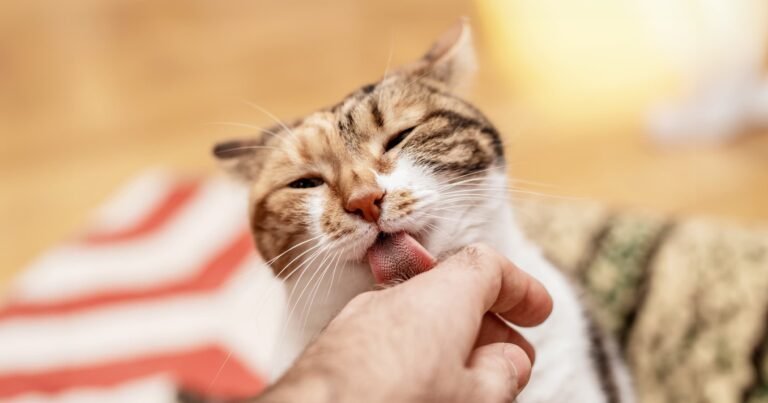
Have you ever wondered why your cat suddenly starts licking you out of the blue? It might seem strange or even a little ticklish, but there’s more behind this behavior than you think.
When your cat licks you, it’s not just random—there are hidden reasons that reveal how your furry friend feels about you. If you want to understand your cat better and strengthen the bond you share, keep reading. Unlock the surprising secrets behind those gentle licks and discover what your cat is really trying to tell you.
Credit: whiskerwisdom.medium.com
Instinctual Behavior
Cats licking people is more than just a quirky habit; it’s deeply rooted in their instinctual behavior. This natural action reflects their complex social and survival mechanisms. Understanding these instincts can help you connect better with your feline friend and appreciate why they show affection this way.
Grooming Habits
Cats spend a significant part of their day grooming themselves to stay clean and healthy. When your cat licks you, it’s often an extension of this self-care behavior. They see you as part of their “family” and include you in their grooming routine.
Think about how cats lick their fur to remove dirt and loose hairs. By licking you, they might be trying to clean you or mark you with their scent, signaling that you belong to their social group. This instinct helps strengthen the bond between you and your cat.
Motherly Instincts
Mother cats lick their kittens to keep them clean and stimulate their bodily functions. Adult cats sometimes transfer this nurturing behavior to their human companions. When your cat licks you, it can be a sign of care and affection similar to how a mother cat treats her young.
This instinctual licking can also indicate trust. Your cat feels safe and comfortable around you, much like a kitten would around its mother. Have you noticed your cat licking you more when you’re feeling down or resting? It might be their way of offering comfort.

Credit: www.express.co.uk
Bonding And Affection
Cats use licking as a way to show love and build bonds. This behavior helps strengthen the connection between cats and their humans. Licking is more than just grooming; it is a sign of trust and affection.
Social Grooming
Social grooming is common among cats. They lick each other to clean and care for their fur. This action also helps cats feel close and safe. When a cat licks a person, it mimics this social behavior. It shows that the cat sees the person as part of its family.
Trust And Comfort
Licking signals trust. Cats lick people who make them feel calm and secure. It is a way to express comfort and happiness. A cat licking you means it feels relaxed around you. This small act builds a strong emotional bond between pet and owner.
Marking Territory
Cats often use licking as a way to mark their territory, which might seem odd if you think about it like humans do. This behavior is deeply rooted in their natural instincts to communicate and create bonds. When your cat licks you, they are not just being affectionate—they are also sending important signals to other animals.
Scent Marking
Cats have scent glands in their mouths. When they lick you, they leave behind their unique scent. This acts like a silent message saying, “This is mine.”
Have you noticed your cat licking your hands or face repeatedly? That’s because those areas hold a lot of your natural scent, making it easier for your cat to mix their scent with yours. It’s their way of blending your smells together, which makes you a part of their safe space.
Claiming Ownership
Licking is a gentle way cats claim ownership without aggression. Instead of marking territory with scratches or sprays, licking is a friendly, calm method.
Think about a time your cat licked you after you came home. They are reaffirming their connection and their claim on you as part of their social group. This behavior helps reduce stress for both of you, creating a sense of security.
Next time your cat licks you, ask yourself—does it feel like a simple sign of affection, or is it their way of saying, “You belong to me”?
Stress And Anxiety Relief
Cats lick people to relieve their stress and anxiety. This behavior helps them feel calmer and safer. Licking releases soothing chemicals in their brain. It also reminds them of the comfort they felt as kittens. This natural action helps cats manage their emotions.
Self-soothing Actions
Licking acts as a self-soothing action for cats. It helps reduce feelings of nervousness or fear. Cats often lick themselves or others when they feel uneasy. The repetitive motion calms their mind and body. This behavior is similar to how humans might bite their nails or fidget.
Coping Mechanism
For cats, licking people is a coping mechanism. It helps them handle stressful situations or changes in their environment. Licking can also be a way to seek comfort from their trusted human. This action builds a bond and creates a sense of security. It shows that the cat trusts and feels safe with you.
Taste And Curiosity
Cats use licking as a way to learn more about the world around them, especially when it comes to people. Their licking is often driven by taste and curiosity, which helps them gather information about your scent and skin. Understanding why your cat licks you can strengthen your bond and give you clues about their feelings.
Exploring New Scents
Cats have a powerful sense of smell, and licking lets them get closer to the scents they detect on your skin. Each person carries a unique combination of smells from lotions, soaps, and natural oils. When your cat licks you, they’re sampling these smells to understand more about you.
Have you noticed your cat licking right after you’ve applied a new lotion or perfume? This behavior shows their curiosity—they want to explore new and interesting scents that weren’t there before. Licking is their way of investigating, almost like taking a fingerprint of your personal smell.
Salty Skin Attraction
Your skin naturally produces sweat, which contains salt. Cats are often attracted to the salty taste left on your skin. This salty residue can be especially inviting after you’ve been active or on a hot day.
Think about times when your cat licks your hands or arms after you’ve been outside or exercising. They might be drawn to the saltiness, which provides a small but interesting taste experience. This simple attraction can explain many unexpected licking moments throughout your day.

Credit: pawesomecats.com
Health And Grooming Concerns
Cats licking people isn’t always just a sign of affection. Sometimes, it reveals underlying health or grooming concerns that you should pay attention to. Understanding these reasons can help you keep your furry friend happy and healthy.
Nutritional Needs
Have you noticed your cat licking you more frequently after meals? This behavior can be linked to nutritional needs. Cats may lick your skin because it retains traces of salt or nutrients from sweat, which they find appealing.
If your cat’s diet lacks certain minerals or vitamins, they might seek alternative sources by licking. Ensuring a balanced diet with adequate nutrients can reduce this behavior. Have you checked if your cat’s food meets all their nutritional requirements?
Sometimes, licking can indicate that your cat is trying to compensate for missing nutrients. If the licking becomes excessive, consider consulting your vet about dietary adjustments or supplements.
Compulsive Licking
Compulsive licking is a common concern that often signals stress or discomfort in cats. When your cat licks you repeatedly and intensely, it may be an outlet for anxiety or boredom.
Have you seen your cat lick themselves or objects excessively as well? This behavior can lead to skin irritation or sores, so it’s important to address the root cause. Environmental changes, lack of stimulation, or health issues might be triggering this habit.
Providing mental and physical enrichment can reduce compulsive licking. Interactive toys, regular playtime, and a calm environment help your cat feel secure. If the behavior persists, a vet visit is crucial to rule out medical problems or recommend behavioral therapy.
Frequently Asked Questions
Why Do Cats Lick People Affectionately?
Cats lick people to show affection and bond with them. It mimics grooming behavior they do with other cats. This licking builds trust and strengthens the human-cat relationship, making them feel safe and loved.
Is Cat Licking A Sign Of Stress Or Anxiety?
No, cat licking is usually not a stress sign. It often indicates comfort and affection. However, excessive licking might signal anxiety or health issues and should be monitored carefully.
Can Cat Licking Be A Way To Mark Territory?
Yes, cats use licking to mark their owners with their scent. This behavior signals ownership and helps cats feel secure in their environment. It’s a natural way for cats to claim their family.
Does Cat Licking Have Health Benefits For Humans?
Cat licking can transfer beneficial bacteria that may boost immunity. However, it can also spread germs, so it’s important to maintain good hygiene after licking. Overall, it’s mostly a social behavior rather than a health treatment.
Conclusion
Cats lick people to show love and trust. It’s a way they bond with their humans. Sometimes, they lick to groom or taste salty skin. This behavior helps cats feel close and safe. Understanding why cats lick can improve your relationship.
Enjoy these small, sweet moments with your cat. Each lick is a sign of affection and care. Keep watching your cat’s behavior to learn more. It’s simple, natural, and part of their way to connect.
