

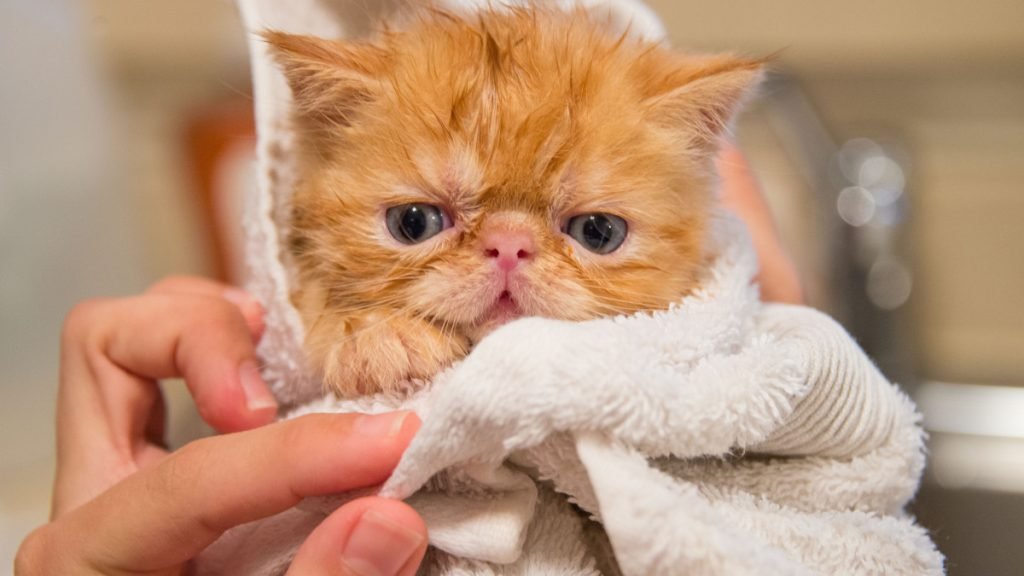
Have you ever wondered if your cat really needs a bath? You might think cats keep themselves clean, but sometimes a little extra help is needed.
Giving your cat a bath can feel tricky and even stressful—for both of you. But don’t worry, by the end of this article, you’ll know exactly when and how to bathe your furry friend safely. Keep reading to discover the simple truths about cat baths and make sure your pet stays happy and healthy.

Credit: www.youtube.com
Cat Grooming Basics
Understanding the basics of cat grooming helps you decide if and when your feline friend needs a bath. Cats are naturally equipped to keep themselves clean, but knowing how they groom and what keeps their fur healthy can guide your care routine. Let’s look closely at what makes cat grooming unique and what role you play in it.
Self-grooming Habits
Cats spend a large part of their day licking their fur. This behavior is not just about cleanliness but also comfort and temperature control.
Have you noticed your cat’s tongue feels rough? That’s because their tongues have tiny, hook-like structures that help remove dirt and loose fur effectively.
Sometimes, they might over-groom due to stress or skin irritation. If you see bald patches or excessive licking, it might be time for a vet visit rather than a bath.
Role Of Natural Oils
Your cat’s skin produces oils that keep their coat shiny and water-resistant. These oils spread evenly as they groom themselves, which helps maintain healthy fur.
Bathing too often or using harsh shampoos can strip these oils away, leading to dry, itchy skin. This is why regular baths aren’t usually necessary and can even be harmful if done improperly.
Ask yourself: is your cat’s coat looking dull or greasy? Sometimes, a gentle wipe with a damp cloth can freshen up their fur without disturbing these natural oils.
When To Consider Bathing A Cat
Bathing a cat is not always necessary. Cats usually keep themselves clean by licking their fur. However, some situations need a bath to keep your cat healthy and comfortable.
Health Conditions Requiring Baths
Some cats have skin problems that need special baths. These baths use medicated shampoos to help heal infections or dry skin. Your vet may suggest bathing to treat issues like dermatitis or fungal infections. Regular baths can reduce itching and help the skin recover faster.
Dealing With Fleas Or Ticks
Fleas and ticks cause irritation and diseases. Bathing with flea shampoo helps remove these pests quickly. It also soothes itchy skin caused by bites. Baths are part of a treatment plan that includes other flea control methods. A clean cat is less likely to spread fleas around the home.
Handling Allergies
Cats with allergies may benefit from baths. Bathing removes allergens like pollen or dust from their fur. This reduces allergic reactions and skin irritation. Using a gentle, hypoallergenic shampoo is best for sensitive skin. Baths can help your cat feel more comfortable during allergy season.
Choosing The Right Products
Choosing the right products for bathing your cat is crucial to keep their skin and fur healthy. Using the wrong shampoo or soap can cause irritation or dryness. You want to pick something gentle but effective enough to clean without harming your furry friend.
Cat-safe Shampoos
Look for shampoos specifically made for cats. These products have balanced pH levels that match your cat’s skin, preventing dryness and itching. Many cat shampoos also include soothing ingredients like aloe vera or oatmeal to calm sensitive skin.
It’s a good idea to check the label for any harsh chemicals or artificial fragrances. Your cat’s fur will feel softer and cleaner without those irritants. If you’re unsure, ask your vet for recommendations—they can point you to trustworthy brands.
Avoiding Human Products
Never use human shampoos or soaps on your cat. These products are designed for human skin, which has a different pH than cats. Using them can cause redness, itching, and even allergic reactions.
Even baby shampoos aren’t safe because they still contain ingredients that might harm your cat’s delicate skin. Sticking to cat-specific products is a simple way to avoid unnecessary problems. Have you ever tried washing your cat with a human shampoo? If so, you might have noticed how uncomfortable they become.
Credit: pethelpful.com
Bathing Techniques For Cats
Bathing cats requires patience and gentle care. Many cats dislike water, so preparing properly helps reduce stress. Knowing the right techniques makes the experience smoother for both you and your cat. This section explains how to prepare, bathe, and dry your cat effectively.
Preparing The Bath Area
Choose a small, quiet room to avoid distractions. Use a sink or a shallow tub filled with a few inches of warm water. Keep all bath supplies within reach. These include cat shampoo, a cup for rinsing, towels, and a brush. Place a non-slip mat or towel at the bottom to prevent slipping. Close doors to stop your cat from escaping. Ensure the room temperature is comfortable and draft-free.
Step-by-step Bathing Guide
- Brush your cat to remove loose fur and tangles before bathing.
- Gently wet your cat’s fur with warm water, avoiding the face and ears.
- Apply a small amount of cat-friendly shampoo and lather carefully.
- Rinse thoroughly to remove all shampoo, as residue can irritate skin.
- Use a damp cloth to clean the face without getting water in the eyes or ears.
- Speak softly and calmly to reassure your cat throughout the bath.
Drying Your Cat Properly
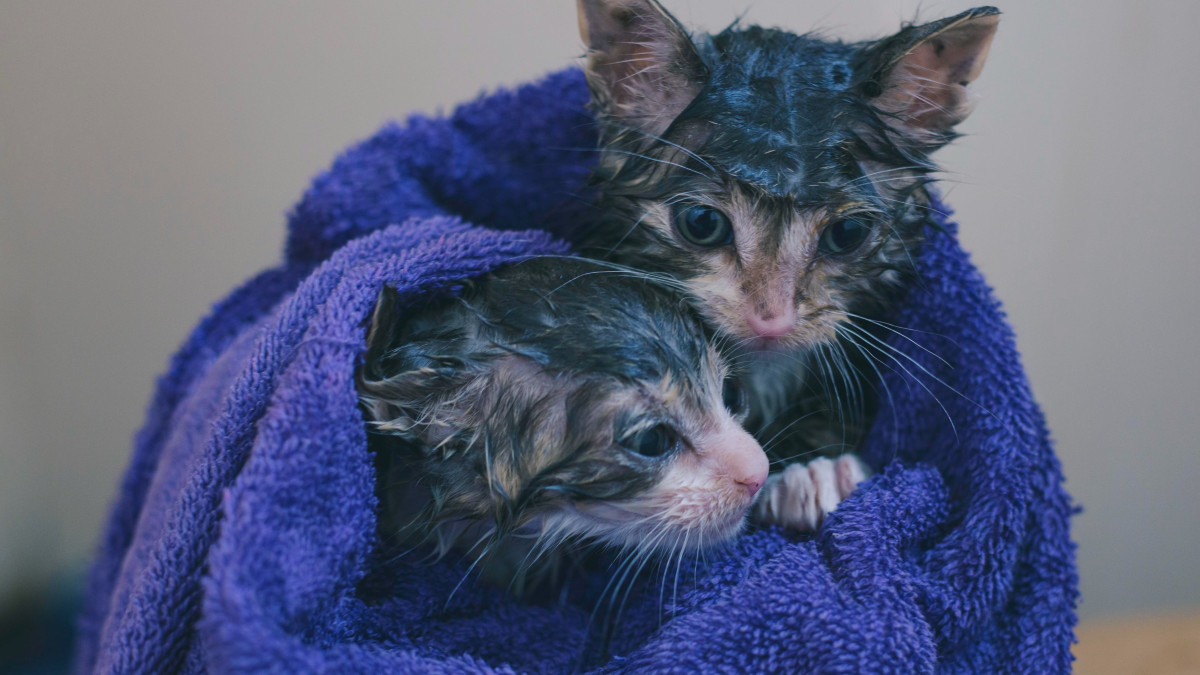
Wrap your cat in a warm, absorbent towel immediately after the bath. Gently pat to remove excess water. Avoid rubbing, which can cause discomfort or tangles. Use a hairdryer on the lowest, coolest setting if your cat allows it. Keep the dryer moving to prevent hot spots. Make sure your cat stays in a warm room until fully dry to avoid chills.
Alternatives To Bathing
Bathing cats can be stressful for both pets and owners. Many cats dislike water and resist baths strongly. Fortunately, there are easier ways to keep your cat clean without soaking them in water. These alternatives help maintain hygiene and reduce odor while causing less stress.
Dry Shampoo Options
Dry shampoos for cats absorb oils and dirt from their fur. They come in powder or foam forms and do not need rinsing. Simply apply the product, rub gently, and brush out the excess. These shampoos refresh your cat’s coat and keep it soft.
Choose dry shampoos made specifically for cats. Avoid human products, which might irritate their skin. Use dry shampoo occasionally to prevent buildup and maintain healthy fur.
Wipes And Sprays
Pet wipes and sprays clean your cat’s fur without water. Wipes remove dirt and dander by gently rubbing the coat. Sprays can freshen the fur and reduce odors quickly. Both are convenient for spot cleaning and quick touch-ups.
Look for wipes and sprays that are hypoallergenic and safe for cats. Use them regularly to keep your cat smelling fresh and feeling comfortable between baths.
Credit: www.purina.com
Caring For Cats With Special Needs
Caring for cats with special needs requires extra attention, especially when it comes to bathing. Unlike regular cats, these felines might face challenges that make grooming a delicate task. Understanding their unique requirements helps you keep them comfortable and healthy.
Long-haired Breeds
Long-haired cats often develop mats and tangles that can trap dirt and oils. Bathing them occasionally helps keep their coat clean and reduces hairballs. However, be gentle and use a mild shampoo designed for cats to avoid skin irritation.
Brushing between baths is essential to prevent mats from forming. If your cat resists baths, try using grooming wipes or waterless shampoos as an alternative. Have you noticed how some long-haired cats enjoy gentle brushing more than a full bath?
Elderly Or Ill Cats
Older or sick cats might find baths stressful or physically challenging. Their skin can be more sensitive, and their energy levels lower, so frequent baths might do more harm than good. Instead, focus on spot cleaning and brushing to maintain hygiene.
If a bath is necessary, prepare a warm, quiet space and use a non-slip mat to prevent slipping. Enlist help to keep your cat calm and supported during the process. What small changes can you make to turn a stressful bath into a comforting experience for your special cat?
Tips For Reducing Stress During Baths
Bathing a cat can be stressful for both of you. Cats dislike water and loud noises. Reducing stress helps make baths easier and safer. Gentle handling and a quiet space calm your cat. Positive experiences build trust over time. Here are some tips to keep bath time peaceful and comfortable for your cat.
Creating A Calm Environment
Choose a warm, quiet room for the bath. Close doors and windows to block outside noise. Use a non-slip mat to keep your cat steady. Soft lighting helps keep your cat relaxed. Speak softly and move slowly to avoid startling your cat. Prepare all your supplies before starting. This way, you won’t leave your cat alone in the water.
Using Treats And Rewards
Treats create a positive link with bath time. Offer small, tasty snacks before, during, and after the bath. Praise your cat with a calm voice and gentle petting. Use treats your cat loves to increase motivation. Reward calm behavior to encourage cooperation. This makes future baths less stressful and more manageable.
Consulting A Professional Groomer
Sometimes, giving your cat a bath isn’t as simple as it sounds. Cats can be unpredictable, and their comfort with water varies widely. Knowing when to consult a professional groomer can save you and your feline friend a lot of stress and hassle.
When To Seek Professional Help
If your cat is extremely anxious or aggressive during baths, it might be time to call in an expert. Professional groomers have the experience and tools to handle even the most nervous or feisty cats safely.
Also, certain breeds with thick or long fur, like Persians or Maine Coons, may require special grooming techniques that go beyond regular bathing. If your cat has skin conditions or allergies, a groomer can use products suited to their needs without causing irritation.
Ask yourself: Have you noticed mats or tangles that you can’t manage? Or has your cat’s coat become greasy despite regular brushing? These are clear signs that professional grooming could benefit your pet.
Benefits Of Professional Grooming
Professional groomers don’t just bathe your cat; they provide a full care package that helps keep your cat healthy and comfortable. They can trim nails, clean ears, and identify skin issues early on.
Groomers use specialized shampoos and conditioners that are safe for cats, making baths less stressful and more effective. Their calming techniques help reduce your cat’s anxiety, turning the grooming session into a less traumatic experience.
By trusting a professional, you save time and avoid the risks of injury to both you and your cat. Plus, your cat will look and feel their best, which reflects in their mood and behavior at home.
Frequently Asked Questions
Do Cats Need Regular Baths?
Cats usually groom themselves and don’t need regular baths. Bathing is only necessary if they are very dirty or have skin issues.
How Often Should I Bathe My Cat?
Most cats don’t require frequent baths. Only bathe your cat when recommended by a vet or if they get into harmful substances.
Can Bathing Harm My Cat’s Skin?
Overbathing can dry out a cat’s skin and cause irritation. Use gentle, cat-specific shampoos to protect their natural oils.
What Are Signs My Cat Needs A Bath?
If your cat smells bad, has sticky fur, or is covered in dirt, a bath may be needed. Also, check for fleas or skin problems.
Conclusion
Cats usually keep themselves clean without baths. Most cats do not like water and can get stressed. Bathing only helps if your cat gets very dirty or has skin problems. Using a damp cloth can clean small spots gently. Regular brushing keeps their fur healthy and removes dirt.
Always be gentle and patient with your cat. Remember, baths are not often needed for cats. Taking care of their fur in simple ways works best. Keep your cat calm and safe during any cleaning.
