


Have you ever wondered if your curious cat is truly safe outside? If you’ve noticed coyotes prowling near your neighborhood, it’s natural to worry about what they might do.
You might be asking yourself, “Do coyotes eat cats? ” This question is more than just a concern—it’s about protecting your furry friend. You’ll discover the real risks coyotes pose, what attracts them, and how you can keep your cat safe.
Keep reading to learn what every pet owner needs to know.
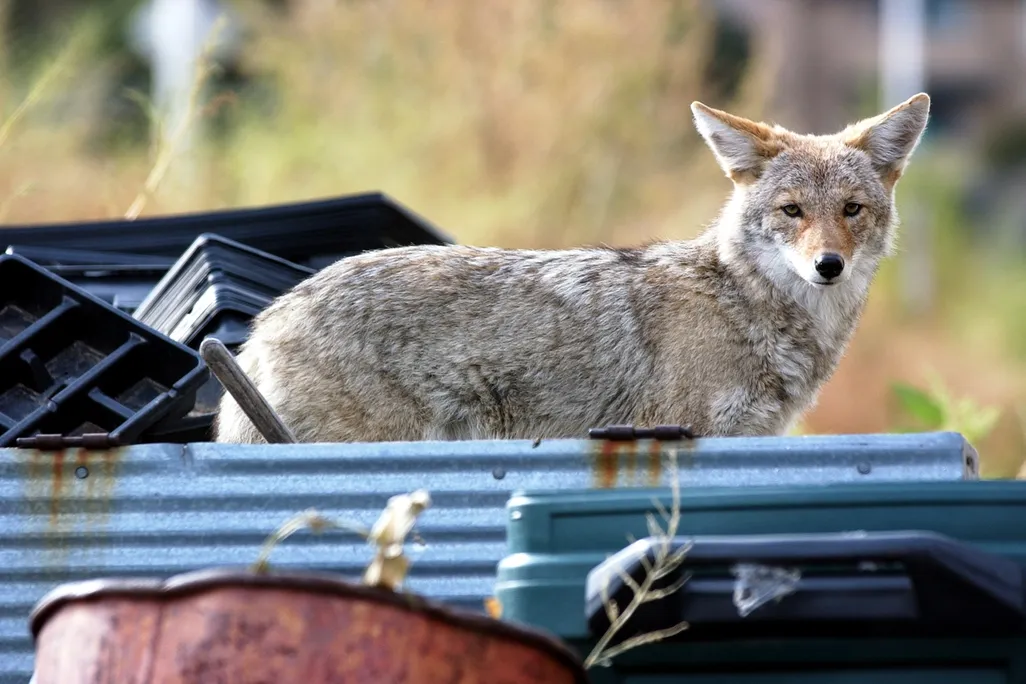
Credit: www.smithsonianmag.com
Coyote Habits And Diet
Coyotes are adaptable creatures with habits shaped by their environment and available food sources. Understanding their diet and behaviors helps you protect your pets and property. Their eating patterns vary seasonally and geographically, so knowing what drives their choices is crucial.
Coyote Feeding Habits
Coyotes are opportunistic feeders, which means they eat whatever is easiest to find. Their diet includes small mammals, birds, insects, fruits, and even garbage. This flexibility allows them to thrive in both rural and urban areas.
They tend to hunt mostly at dawn and dusk, times when their prey is most active. You might notice increased coyote activity near your home during these periods. This is when your pets may be most at risk.
Common Foods In A Coyote’s Diet
- Small mammals:Rabbits, rodents, and squirrels are staples.
- Birds and eggs:Ground-nesting birds and their eggs are often targeted.
- Fruits and plants:Berries and other seasonal fruits add variety.
- Insects:Beetles and grasshoppers can be significant in summer.
- Human-related food:Trash, pet food, and even small pets if accessible.
How Coyotes Hunt And Scavenge
Coyotes use their keen senses of smell and hearing to locate food. They often hunt alone but sometimes form small packs to take down larger prey. Scavenging from roadkill or human waste is a common fallback when hunting is tough.
Have you ever noticed coyotes in your neighborhood searching through trash bins? That behavior shows their adaptability but also signals a need to secure your waste and outdoor food sources to keep them away.
Credit: www.iflscience.com
Coyote Encounters In Urban Areas
Coyote encounters in urban areas have become more common in recent years. Cities and suburbs provide food and shelter, attracting these adaptable animals. People often see coyotes near parks, yards, and streets. Understanding their behavior helps keep pets and families safe.
Coyotes Adapting To City Life
Coyotes have learned to live close to humans. They hunt small animals and scavenge garbage. Urban areas offer easy food and fewer natural predators. These animals are mostly active at night to avoid people.
- Tracks in soft soil or mud
- Howling or yipping sounds at night
- Scat with fur or bones
- Damage to garbage bins or pet food dishes
Recognizing these signs helps residents stay alert and cautious.
How To Reduce Coyote Encounters
- Keep pets indoors, especially at night
- Remove outdoor food sources
- Secure trash cans with tight lids
- Install fencing around yards
- Use motion-activated lights or noise makers
These steps can discourage coyotes from visiting your property.
Cats As Potential Prey
Cats can be vulnerable to coyote attacks. Coyotes are opportunistic hunters, meaning they eat what is easily available. Outdoor cats often become easy targets. Small size and nocturnal habits make cats more at risk. Coyotes usually hunt at night, matching the active time of many cats. This overlap increases the chances of encounters.
Not all coyotes hunt cats, but many do. They see cats as potential prey because cats are smaller and slower than wild animals. Coyotes can quickly overpower a cat, especially if the cat is alone. This risk is higher in suburban and rural areas where coyotes roam freely.
Coyotes’ Hunting Habits
Coyotes prefer small mammals like rabbits and rodents. They also eat birds, insects, and fruits. Cats fit into the size range of animals coyotes hunt. Coyotes use stealth and speed to catch prey. They often hunt alone but sometimes form small packs. Packs increase their ability to take down larger prey.
Why Cats Are Attractive To Coyotes
- Easy to catch due to small size
- Active during dawn and dusk
- Often roam outside unsupervised
- Live near coyote habitats
Signs Coyotes May Target Cats
- Missing outdoor cats in neighborhoods
- Tracks or scat near homes
- Hearing howls or yips at night
- Coyotes seen frequently in the area
Signs Of Coyote Presence
Noticing signs of coyote presence around your home is crucial, especially if you have outdoor pets like cats. Coyotes are clever and often leave subtle clues behind. Recognizing these signs early can help you protect your furry friends and prevent unwelcome encounters.
Tracks And Paw Prints
Coyote tracks look similar to dog prints but are usually slimmer and more oval-shaped. Their paws have four toes with visible claw marks, unlike cats that have retractable claws, so their prints often don’t show claws.
If you find a series of prints around your yard or near your pet’s favorite spots, it could mean coyotes are nearby. Have you checked your garden paths for these signs recently?
Howling And Vocalizations
Coyotes are known for their distinctive howls, yips, and barks, especially at dawn or dusk. These sounds can carry for miles and often serve as communication between pack members.
If you hear eerie howling near your home, don’t dismiss it as just a distant dog. Pay attention to the timing and tone—it might be a coyote marking its territory or calling its pack.
Scat And Droppings
Coyote scat is usually tubular with tapered ends and may contain fur, bones, or seeds. Finding these droppings near your property is a clear sign coyotes are hunting or passing through.
Next time you clean your yard, look closely at droppings before you dispose of them. Can you tell if they belong to a coyote or a common neighborhood dog?
Damage To Property And Pet Areas
Coyotes may dig under fences or leave scratch marks trying to get to small animals. You might also notice missing pet food or disturbed garbage bins.
Have you noticed any holes near your fence or torn-up areas where your cat likes to roam? These signs could hint at a coyote’s attempt to gain access.
Animal Behavior Changes
Your cat may act more anxious, hide more often, or avoid certain areas outside. Dogs might bark excessively or become restless during coyote activity periods.
Pay attention to your pet’s behavior. Are they suddenly avoiding the backyard or staying close to you? Their instincts might alert you before you even spot the coyotes.
Protecting Pets From Coyotes
Protecting pets from coyotes is important for pet owners. Coyotes can see cats and small dogs as prey. Taking steps to keep pets safe reduces risks and worry. Simple changes in habits can make a big difference.
Safe Outdoor Practices
Keep cats indoors, especially at dawn and dusk. These are peak times for coyote activity. Use a leash when walking dogs outside. Avoid letting pets roam freely in open areas. Remove food sources like pet food or birdseed from yards. Clear brush and tall grass where coyotes can hide. Bright outdoor lights can help deter coyotes. Noise devices may also scare them away.
Pet Supervision And Containment
Always watch pets when they are outside. Use a secure, tall fence to keep coyotes out. Fences should be at least six feet high. Consider adding a coyote roller on top to prevent climbing. Create a safe outdoor space or catio for cats. Keep pets indoors at night to reduce danger. Train pets to come inside when called. This helps avoid unsupervised outdoor time.
Community Strategies
Community strategies play a vital role in reducing coyote encounters with cats. When neighbors work together, they create a safer environment for pets. Sharing information and using deterrents helps keep coyotes away from residential areas.
Neighborhood Awareness
Informing residents about coyote presence raises alertness. Regular updates through meetings or social media keep everyone informed. Understanding coyote behavior helps people avoid risky situations.
Encourage neighbors to:
- Keep cats indoors, especially at night
- Secure trash bins and remove food sources
- Report coyote sightings to local authorities
- Teach children to stay calm and avoid approaching coyotes
Coyote Deterrents
Using deterrents discourages coyotes from entering yards. Motion-activated lights or sprinklers startle them. Loud noises, such as air horns or whistles, can also drive coyotes away.
Simple deterrent tips include:
- Installing fencing at least 6 feet tall
- Removing dense shrubbery where coyotes hide
- Using commercial coyote repellents safely
- Supervising pets outside
Myths And Misconceptions
Coyotes and cats often spark many questions and stories. Some ideas about coyotes eating cats are not true. These myths cause worry for pet owners. Understanding facts helps keep cats safe and calm minds.
Myth: Coyotes Only Hunt Cats
People think coyotes hunt cats all the time. Coyotes eat many animals, not just cats. They prefer small mammals like rabbits and rodents. Cats are not their main food source. Coyotes usually avoid areas with many people and pets.
Myth: Coyotes Are Always Dangerous To Pets
Coyotes do not always threaten pets. Most coyotes try to stay away from humans. Attacks on cats are rare. Many pets live safely near coyote habitats. Taking simple precautions reduces risks for pets.
Myth: Coyotes Hunt Cats At Night Only
Coyotes are active both day and night. They hunt when food is available. Cats can be outdoors any time but should be watched. Nighttime does not guarantee safety from coyotes. Awareness during all hours helps protect pets.
Myth: Feeding Coyotes Protects Cats
Some believe feeding coyotes keeps them away from cats. Feeding makes coyotes comfortable near homes. It can attract more coyotes and increase risks. Avoid feeding wild animals to keep pets safer.
Expert Insights
Experts provide valuable knowledge about coyotes and their eating habits. Understanding their behavior helps protect pets like cats. Insights from wildlife specialists reveal how often coyotes hunt cats and why. These facts guide pet owners to make safer choices.
Wildlife Biologists On Coyote Diets
Wildlife biologists study coyote food sources closely. They say coyotes mostly eat small mammals, birds, and insects. Cats are not a primary food choice. Coyotes may hunt cats if other food is scarce or easy to catch.
Behavioral Patterns Of Coyotes
Coyotes are clever and adapt to their environment. They hunt mostly at night and stay away from humans. Coyotes living near cities sometimes see cats as prey. Their behavior changes based on food availability and habitat.
Pet Safety Recommendations From Experts
Experts suggest keeping cats indoors during early morning and night. They advise supervising outdoor cats in areas with coyote presence. Installing motion-activated lights or fences can help keep coyotes away. These steps reduce the risk of coyote attacks on cats.
Credit: www.newsobserver.com
Frequently Asked Questions
Do Coyotes Commonly Prey On Domestic Cats?
Yes, coyotes often hunt small animals, including domestic cats, especially in suburban areas where food is scarce. Cats left outdoors are vulnerable to coyote attacks, so owners should take precautions to protect pets.
How Can I Protect My Cat From Coyotes?
Keep cats indoors, especially at night, to reduce risk. Use secure enclosures and supervise outdoor time. Removing attractants like pet food and trash helps keep coyotes away.
Why Do Coyotes Target Cats Specifically?
Coyotes prey on cats due to their size and availability. Cats are easier to catch than larger animals. Urban expansion has increased encounters between coyotes and domestic pets.
Are Coyotes Dangerous To Pets Other Than Cats?
Yes, coyotes pose a threat to small dogs, rabbits, and other pets. They are opportunistic feeders and will hunt any small animal they can overpower.
Conclusion
Coyotes sometimes eat cats, especially outdoors at night. Cats left outside may face danger from these wild animals. Keeping cats indoors helps protect them from coyote attacks. Making yards safer can also reduce risks. Understanding coyote behavior helps pet owners stay alert.
Taking simple steps can keep cats safe and happy. Stay aware and act to protect your pets. Safety starts with knowledge and care.
