

Are you wondering if your indoor cat really needs a rabies shot every year? It’s a common question that many cat owners ask, especially when their furry friend stays mostly inside.
You want to keep your pet safe without unnecessary visits to the vet or extra costs. But what’s the right answer? Understanding the facts about rabies vaccinations for indoor cats can protect your cat’s health and give you peace of mind.
Keep reading to find out what experts recommend and why it matters for you and your beloved companion.
Importance Of Rabies Vaccination
Rabies vaccination plays a vital role in protecting indoor cats from a deadly virus. Even cats that stay indoors can face risks from bats or other wildlife entering the house. Rabies spreads through bites and scratches from infected animals, making vaccination essential to prevent infection.
Vaccinating your cat also helps protect your family. Rabies can transmit to humans and cause severe illness or death. Keeping your cat vaccinated reduces this risk and keeps your home safe.
Protecting Your Cat’s Health
Rabies is fatal once symptoms appear. Vaccination helps build immunity and prevents your cat from contracting the disease. It also avoids costly medical treatments and distress caused by the illness.
Legal Requirements For Rabies Shots
Many regions require rabies shots for cats, including indoor pets. Laws ensure public safety and control disease spread. Following these rules keeps you compliant and avoids fines or penalties.
Community Safety And Disease Control
Vaccinated cats reduce rabies spread in the community. This protects other pets and local wildlife. Widespread vaccination helps control outbreaks and maintain a healthy environment.
Rabies Transmission Risks
Rabies is a deadly virus that affects the brain and nervous system. It spreads through saliva, usually from bites. Knowing the risks helps pet owners protect their cats. Even indoor cats face some risk, so understanding how rabies spreads is important.
Indoor Cats And Exposure To Rabies
Indoor cats spend most of their time inside homes. This limits their chance to meet wild animals that carry rabies. Still, indoor cats might escape or come in contact with bats or rodents. These animals can enter homes through small openings or windows. Rabies can spread if a cat bites or scratches after contact with an infected animal. Even brief exposure can be dangerous.
Common Sources Of Rabies For Cats
- Bats – Often found in attics or basements, they are common carriers.
- Raccoons – Can approach homes searching for food.
- Skunks – Active near trash bins and outdoor pet areas.
- Foxes – Rare but possible in suburban areas.
- Unvaccinated domestic animals – Cats or dogs that roam outdoors.
These animals carry rabies and can infect cats through bites or scratches. Awareness of these sources helps reduce exposure risks for indoor cats.
Legal Requirements For Vaccination
Vaccinating cats against rabies is not just about health. It involves clear legal rules. These laws protect pets, people, and communities from the dangers of rabies. Knowing these rules helps cat owners avoid problems and keep their pets safe.
State And Local Laws
Rabies vaccination laws vary by state and city. Some places require annual shots for all cats, including indoor pets. Others may allow longer intervals or have exceptions for indoor-only cats. Local animal control or health departments set these rules. They consider rabies risk in the area and animal exposure chances.
Always check your state or city’s official website for current vaccination requirements. Your veterinarian can also provide guidance on local laws and schedules.
Penalties For Non-compliance
Failing to vaccinate your cat against rabies can lead to fines and legal trouble. Penalties differ by location but often include:
- Monetary fines
- Quarantine of the cat
- Possible removal of the pet
- Liability if the cat bites someone and is unvaccinated
Ignoring vaccination laws risks your cat’s health and your legal standing. It also endangers the community by increasing rabies spread chances.
Credit: triangleanimalclinic.com
Health Benefits Of Rabies Shots
Rabies shots offer more than just a legal requirement for pet owners—they provide crucial health benefits that protect your indoor cat in ways you might not have considered. Even if your feline friend rarely steps outside, vaccination plays a key role in safeguarding their well-being. Understanding these benefits can help you make informed choices about your cat’s health care routine.
Protection Against Disease
Rabies is a deadly virus that affects the nervous system, and once symptoms appear, it’s almost always fatal. Vaccinating your indoor cat creates a strong defense against this disease, preventing the virus from taking hold.
You might think indoor cats are safe, but accidents happen. A bat might enter your home, or your cat could escape briefly and encounter a wild animal. The rabies shot acts as a safety net, reducing the risk of infection significantly.
Impact On Overall Health
Keeping your cat up to date with rabies vaccinations also supports their overall health. A healthy immune system benefits from regular vaccinations, which help the body recognize and fight infections better.
When your cat is vaccinated, it lowers the chance of severe illness and costly treatments down the line. Have you ever considered how much peace of mind comes with knowing your pet is protected from a fatal disease?
Frequency Of Vaccination
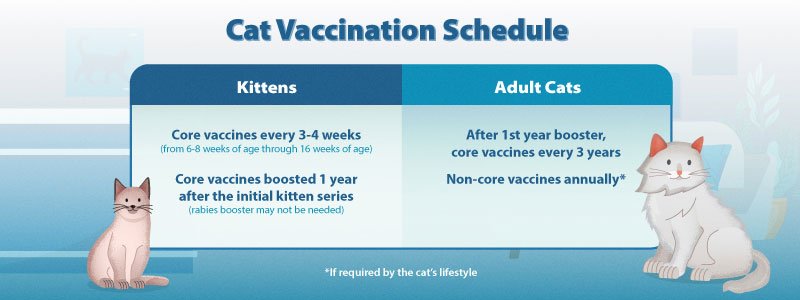
Understanding how often indoor cats need rabies shots helps keep them safe and healthy. Vaccination frequency depends on several factors like vaccine type, local laws, and vet advice. Knowing the right schedule prevents unnecessary shots and ensures protection.
Annual Vs. Triennial Vaccination
Rabies vaccines for cats come in two main types: annual and triennial. Annual vaccines require a shot every year. Triennial vaccines protect cats for three years after one dose. Each type offers strong protection, but the timing differs.
Some areas legally require yearly rabies shots for all cats. Others accept triennial vaccinations if a proper vaccine is used. Many vets now prefer triennial shots to reduce stress on pets and avoid over-vaccination.
Veterinarian Recommendations
Veterinarians tailor rabies vaccine schedules based on your cat’s health and lifestyle. Even indoor cats can face risks from unexpected encounters with wildlife or other animals. Your vet considers these risks before recommending a shot frequency.
Regular vet visits help monitor your cat’s immunity and adjust vaccination plans. Vets also update owners on local rabies laws. Following their advice keeps your cat protected and compliant with regulations.
Credit: medium.com
Potential Side Effects
Vaccinating your indoor cat against rabies is important, but it’s natural to wonder about the potential side effects. Understanding what might happen after the shot helps you prepare and respond appropriately. Let’s look at what reactions are common and when you should contact your vet.
Common Reactions
Most cats handle the rabies vaccine well, but some may experience mild side effects. These can include:
- Soreness or swelling at the injection site
- Mild fever or lethargy
- Reduced appetite for a day or two
- Sneezing or coughing if the vaccine was given nasally
These symptoms usually fade within 24 to 48 hours. Once, my cat had a slight lump where she got her shot, but it disappeared on its own within a couple of days. It’s a good idea to keep an eye on your cat and provide extra comfort during this time.
When To Seek Veterinary Care
Some reactions are more serious and require immediate attention. Watch for:
- Severe swelling or hardness at the injection site
- Persistent vomiting or diarrhea
- Difficulty breathing or wheezing
- Unusual behavior like aggression or extreme lethargy
- Collapse or seizures
If you notice any of these signs, contact your vet right away. Don’t hesitate to ask questions—your cat’s health depends on your quick action. How comfortable do you feel recognizing these symptoms in your own pet?
Cost Considerations
Understanding the cost of rabies shots for your indoor cat can help you make informed decisions about their health care. The price varies widely depending on where you live and the type of veterinary service you choose. Knowing what to expect financially allows you to plan better and avoid surprises.
Average Costs Of Rabies Shots
Rabies vaccinations for cats typically range between $15 and $50. The variation depends on factors like the clinic’s location, whether it’s a regular vet or a low-cost clinic, and if it’s a one-year or three-year vaccine. Some places may charge extra for office visits or additional services during the appointment.
For instance, I once paid $40 for a rabies shot at a local vet, while a friend only paid $20 at a community clinic. This difference made me realize how much you can save just by choosing the right provider. Have you checked prices at different places near you?
Ways To Save On Vaccination
- Community Vaccination Clinics:Many areas offer low-cost or free vaccination events, especially for rabies. These can be a huge money saver and often don’t require appointments.
- Pet Insurance:Some insurance plans cover vaccinations, which can reduce your out-of-pocket costs. Check if your plan includes preventive care.
- Bundle Services:Scheduling multiple vaccinations or health checks together can sometimes lower the overall price.
- Ask About Discounts:Some vets offer discounts for seniors, military personnel, or multiple pets. It never hurts to ask.
Thinking about your cat’s health in terms of cost doesn’t mean cutting corners. It means being smart with your resources while keeping your furry friend safe. What steps can you take today to make vaccinations more affordable without compromising care?

Credit: pennypaws.com
Alternatives To Annual Shots
If you own an indoor cat, you might wonder if yearly rabies shots are absolutely necessary. Some cat owners seek alternatives that still keep their pets safe without the stress of annual vaccinations. Understanding these options can help you make an informed decision that suits your cat’s lifestyle and health.
Titer Testing
Titer testing measures the level of antibodies in your cat’s blood to see if they still have immunity against rabies. Instead of automatically giving a shot every year, this test checks if your cat’s body can fight the disease on its own.
This approach can reduce unnecessary vaccinations and avoid potential side effects. However, not all vets offer titer testing, and some regions don’t accept it as a substitute for vaccination. Have you checked whether your vet supports this option or if local laws allow it?
Exemption Certificates
Some cats may qualify for exemption certificates if they have health conditions that make rabies shots risky. These certificates officially excuse your cat from vaccination requirements based on medical advice.
Your vet will evaluate your cat’s health and may provide an exemption if risks outweigh benefits. Keep in mind, exemptions often require documentation and may need renewal, depending on local regulations. Would you consider this if your cat had a sensitive immune system or chronic illness?
Myths About Indoor Cats And Rabies
Many people believe indoor cats do not need rabies shots. This idea comes from the assumption that indoor cats never face the risk of rabies. Such beliefs can lead to skipping important vaccinations. Understanding the truth helps keep cats safe and healthy.
Common Misconceptions
- Indoor cats are completely safe from rabies.
- Rabies only spreads through outdoor animals.
- Vaccinating indoor cats is unnecessary and costly.
- Indoor cats never come in contact with wild animals.
Facts Vs. Fiction
Rabies can infect any mammal, including indoor cats. Cats can escape or come near wildlife or bats inside the home. Rabies vaccination is a legal requirement in many areas, regardless of indoor status.
Vaccinating indoor cats protects them from rare but serious risks. Rabies is fatal and can spread to humans. Vaccines are safe and effective at preventing this disease.
Frequently Asked Questions
Do Indoor Cats Need Annual Rabies Vaccinations?
Yes, most regions require indoor cats to get rabies shots yearly or every three years. This protects your cat and others from rabies exposure.
What Are The Rabies Vaccine Laws For Indoor Cats?
Laws vary by location but often mandate rabies vaccines for all cats, including indoor ones. Check local regulations to stay compliant.
Can Indoor Cats Catch Rabies Without Outdoor Exposure?
Though rare, indoor cats can catch rabies through accidental contact with infected animals. Vaccination is the safest prevention method.
How Often Should Indoor Cats Get Rabies Boosters?
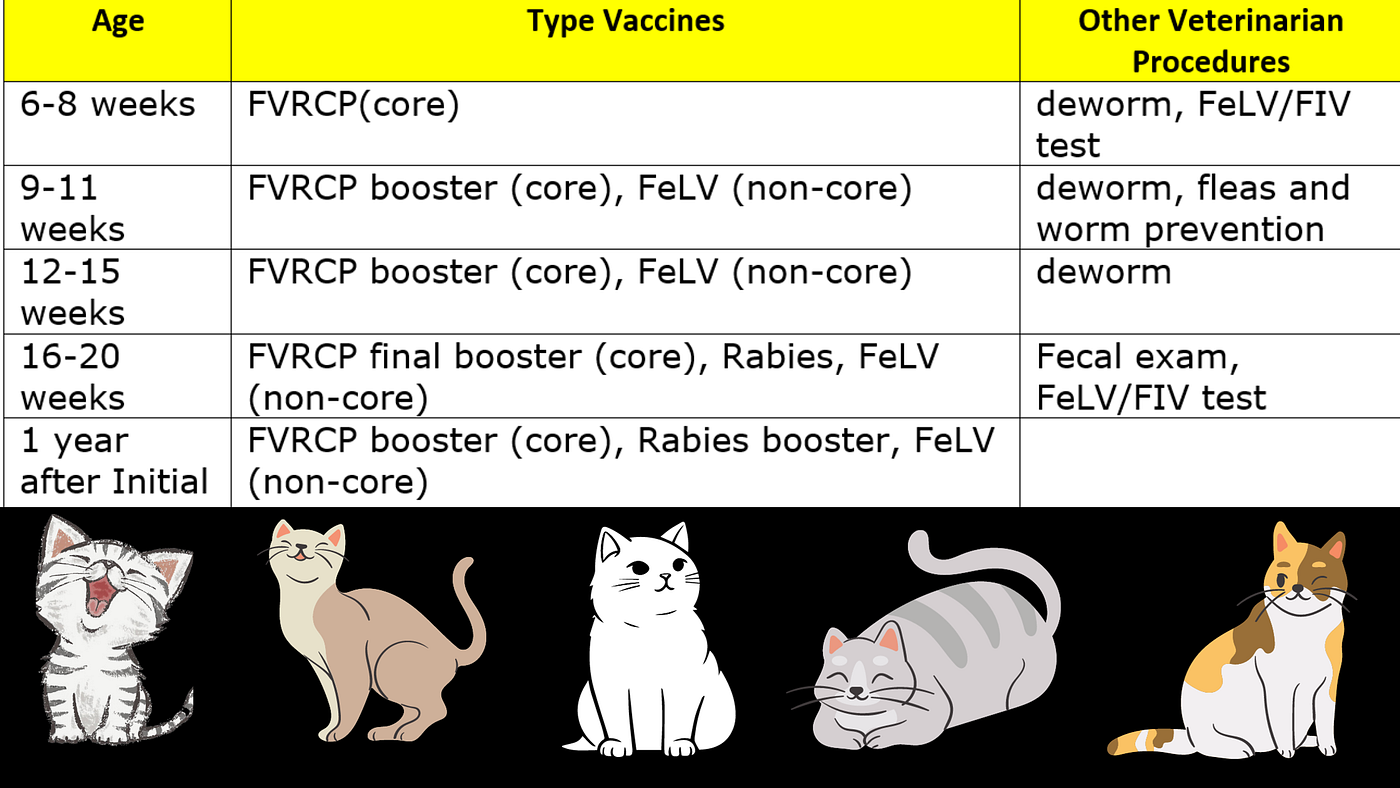
Typically, rabies boosters are given one year after the first vaccine, then every one to three years depending on vaccine type and local laws.
Conclusion
Indoor cats may seem safe from rabies, but risks still exist. Rabies shots protect cats from this deadly disease. Many areas require yearly vaccinations by law. Regular shots keep your cat healthy and safe. Talk to your vet about the best schedule.
Protecting your indoor cat is a smart choice. It helps prevent illness and keeps your pet happy. Staying informed helps you make the best decision. Keep your cat’s health a top priority always.
