

You might think that because your cat stays inside all the time, vaccines aren’t necessary. But did you know that indoor cats still face risks from illnesses that vaccines can prevent?
Protecting your furry friend goes beyond keeping them indoors. Understanding why vaccines matter for your indoor cat can save you from unexpected vet bills and heartache. Keep reading to discover the important reasons why your indoor cat needs vaccines and how you can keep them healthy and happy.
Importance Of Cat Vaccination
Vaccinating your indoor cat might seem unnecessary at first glance. After all, they don’t roam outside or meet other animals regularly. But vaccines protect your feline friend from serious diseases that can still sneak into your home.
Think about it: even indoor cats can encounter viruses brought in on your clothes, shoes, or through an open window. Vaccination acts as a shield, preparing your cat’s immune system to fight infections effectively.
Protecting Your Cat From Hidden Threats
Vaccines guard against illnesses like feline herpesvirus, calicivirus, and rabies. These diseases can be severe and sometimes fatal.
Many of these infections spread through airborne particles or contact with contaminated surfaces. You might not see the danger, but it’s there.
Have you ever considered how a simple visit from a friend with a pet could expose your cat to germs? Vaccination minimizes this risk significantly.
Preventing Costly And Stressful Vet Visits
Treating diseases that vaccines prevent can be expensive and emotionally draining. Some illnesses require hospitalization or long-term medication.
Vaccinating your cat helps avoid these situations, saving you money and stress. It also means fewer disruptions to your daily life and your cat’s comfort.
Contributing To Community Health
Your indoor cat’s vaccination helps protect other cats in the neighborhood. Diseases can spread quickly between pets, especially if your cat ever goes to the vet or a boarding facility.
By vaccinating, you reduce the chance of outbreaks and keep the whole community healthier. Isn’t it reassuring to know you’re doing your part?
Building A Strong Immune System Early
Vaccinating kittens at the right age helps develop a robust immune system. This early protection sets them up for a healthier life.
Even if your cat stays indoors, their body needs to learn how to fight off diseases. Vaccines act as a safe way to train their immune defenses.
Credit: triangleanimalclinic.com
Common Diseases In Cats
Cats can catch serious diseases even if they live indoors. Many infections spread through the air, on hands, or on objects like food bowls. Vaccines help protect cats from common illnesses that can cause severe health problems.
Knowing these diseases helps cat owners understand why vaccines are necessary. Here are some common diseases that vaccines prevent.
Feline Viral Rhinotracheitis
This disease affects a cat’s respiratory system. It causes sneezing, runny nose, and eye infections. The virus spreads easily among cats, even indoors. Cats with weak immune systems suffer more from this disease. Vaccination lowers the risk and helps cats recover faster if infected.
Feline Calicivirus
Calicivirus is another virus that attacks the cat’s mouth and respiratory tract. It causes ulcers in the mouth and difficulty breathing. This virus spreads through saliva and nasal fluids. Vaccines reduce the chance of infection and limit symptoms if a cat catches it.
Feline Panleukopenia
Panleukopenia is a severe and often deadly disease. It affects the cat’s immune system and intestines. Symptoms include vomiting, diarrhea, and loss of appetite. The virus spreads through contact with infected cats or contaminated objects. Vaccination is the best defense to keep cats safe from this illness.
Transmission Risks For Indoor Cats
Even if your cat never sets paw outside, the risk of disease transmission remains real. Indoor cats face threats from less obvious sources that can introduce harmful viruses and bacteria into your home. Understanding these hidden pathways helps you see why vaccines are essential for your indoor companion’s health.
Outdoor Exposure
You might think your indoor cat is safe because they don’t roam outside, but what about brief outdoor moments? Cats can sneak out through an open door or window, exposing themselves to infected animals or contaminated surfaces. Even a few minutes outside can be enough for your cat to encounter viruses like feline herpesvirus or calicivirus.
Have you ever noticed your cat darting out the door unexpectedly? That quick escape can turn into a big health risk. Vaccines provide a crucial safety net for these accidental outdoor exposures.
Human Carriers
People can carry germs on their clothes, shoes, or hands without showing any symptoms. When you come home from the park, work, or a friend’s house, you might unknowingly bring in viruses or bacteria that can infect your cat. This indirect transmission is a common way indoor cats get exposed to illnesses like feline leukemia virus (FeLV) or upper respiratory infections.
Think about how often you touch your cat after being outside. Simple hygiene habits like washing hands before petting your cat can help reduce risk, but vaccines add an important layer of protection against these invisible threats.
New Pet Introductions
Bringing a new pet into your home is exciting, but it also increases the risk of disease transmission. New cats or kittens may carry infections without showing signs right away. Even a short visit from a friend’s pet can expose your indoor cat to contagious diseases.
Before introducing a new animal, ensure they are vaccinated and have a clean bill of health. Vaccinating your indoor cat helps safeguard them from illnesses that could spread through these new introductions.
Core Vaccines For Indoor Cats
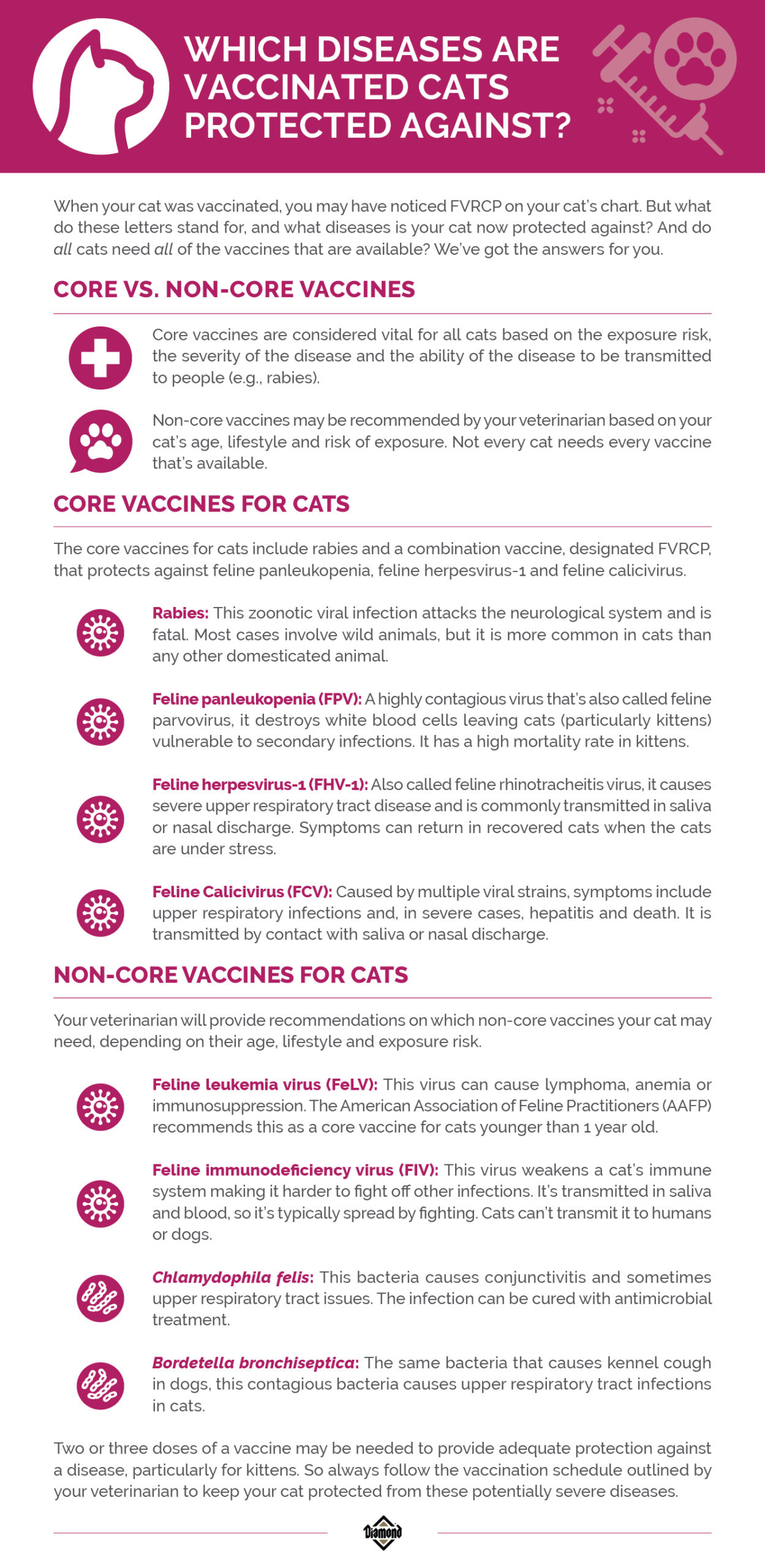
Core vaccines protect indoor cats from serious diseases. Even cats that stay inside can catch infections. These vaccines build strong defenses against common viruses. Vaccinating helps keep your cat healthy and safe. Two main vaccines every indoor cat needs are the Rabies vaccine and the FVRCP vaccine.
Rabies Vaccine
Rabies is a deadly virus affecting cats and humans. Indoor cats can catch rabies through contact with wildlife or infected animals. The vaccine prevents this fatal disease. It is required by law in many areas. Rabies vaccination protects your cat and your family. The vaccine is usually given once a year or every three years.
Fvrcp Vaccine
The FVRCP vaccine protects against three harmful viruses:
- Feline Viral Rhinotracheitis (FVR)
- Calicivirus (C)
- Panleukopenia (P)
These viruses cause severe respiratory and digestive problems. Indoor cats can catch them from other pets or contaminated surfaces. The FVRCP vaccine helps prevent serious illness and death. It is given as a series of shots when kittens are young, then boosters as adults.
Non-core Vaccines Consideration
Non-core vaccines are not given to every indoor cat. These vaccines depend on your cat’s lifestyle and risk of exposure. Some indoor cats might meet other cats or visit places like groomers or vet clinics. These situations can expose them to certain illnesses.
Discussing non-core vaccines with your vet helps protect your cat from specific diseases. It ensures your cat gets the right protection without unnecessary shots. Here are two important non-core vaccines to consider.
Feline Leukemia Virus
Feline Leukemia Virus (FeLV) spreads through close contact with infected cats. It can cause serious illness and weaken the immune system. Even indoor cats can catch FeLV if they meet outdoor cats or visit places with other cats.
Vaccination helps reduce the risk of FeLV infection. It is especially important if your cat goes outside or stays with other cats. Your vet can advise if this vaccine fits your cat’s lifestyle.
Bordetella
Bordetella causes respiratory infections in cats. It spreads quickly in places like shelters, groomers, or boarding facilities. Indoor cats that visit these places can catch Bordetella.
The Bordetella vaccine helps lower the chance of infection. It is useful for cats in contact with many other cats or in group settings. Your vet will help decide if this vaccine is necessary for your indoor cat.
Credit: www.diamondpet.com
Vaccine Schedule And Frequency
Keeping your indoor cat healthy means sticking to a clear vaccine schedule and understanding how often these shots are needed. Vaccinations protect your cat from serious diseases, even if they rarely leave the house. Knowing the right timing helps you stay ahead of potential health risks.
Kitten Vaccination Timeline
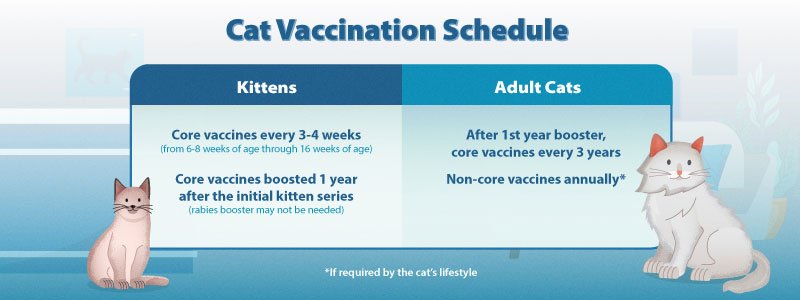
Kittens need a series of vaccines starting as early as six to eight weeks old. This schedule builds their immunity step-by-step during their most vulnerable months.
- 6-8 weeks:First round of core vaccines (FVRCP – feline viral rhinotracheitis, calicivirus, and panleukopenia).
- 10-12 weeks:Second round of core vaccines plus optional vaccines based on risk.
- 14-16 weeks:Final core vaccine and rabies shot, which is often required by law.
Missing any dose can leave your kitten unprotected, so mark these dates on your calendar. Did you know that some diseases can be fatal even for indoor cats? This makes the vaccine timeline crucial.
Adult Cat Vaccination Updates
Once your cat reaches adulthood, vaccinations don’t stop. They need booster shots to maintain immunity against diseases.
Typically, adult cats get boosters every 1 to 3 years, depending on the vaccine type and your vet’s advice.
| Vaccine Type | Booster Frequency | Purpose |
|---|---|---|
| Core vaccines (FVRCP) | Every 3 years | Protects against common viral infections |
| Rabies | Every 1-3 years (varies by law) | Prevents rabies, a fatal disease |
| Non-core vaccines | Based on risk assessment | Protects from less common diseases |
Have you checked your cat’s vaccination status recently? Staying up to date means fewer vet visits for illness and more time enjoying your pet’s company.
Potential Side Effects Of Vaccines
Vaccines are essential for indoor cats to protect against diseases. Like all medicines, vaccines can cause side effects. Most side effects are mild and short-lived. Some are rare but more serious. Understanding these helps cat owners stay prepared and calm.
Mild Reactions
Mild reactions are common and usually go away quickly. They include:
- Soreness or swelling at the injection site
- Temporary tiredness or reduced activity
- Low-grade fever
- Loss of appetite for a day or two
- Small lumps under the skin that disappear
These signs show the immune system is responding. Watch your cat for 24-48 hours after vaccination. Most recover without any treatment.
Serious Adverse Effects
Serious effects are rare but need immediate care. They include:
- Severe swelling of face or throat
- Difficulty breathing
- Continuous vomiting or diarrhea
- Collapse or seizures
- High fever lasting more than two days
If you notice these, contact a vet right away. Early treatment can save your cat’s life. Always discuss vaccine risks with your vet before shots.
Veterinarian Guidance
Veterinarian guidance plays a crucial role in ensuring your indoor cat stays healthy through proper vaccination. Even if your cat never steps outside, certain diseases can still pose a threat. Your vet can help you understand which vaccines are necessary based on your cat’s lifestyle, health, and risk factors.
Choosing The Right Vaccines
Not all vaccines are needed for every indoor cat. Your veterinarian will assess your cat’s age, medical history, and environment to recommend the most effective vaccines.
Core vaccines, like those for feline herpesvirus and calicivirus, are often essential because these diseases can spread easily, even indoors. Non-core vaccines might be suggested if your cat has specific risks, such as exposure to other cats during vet visits or boarding.
Have you ever wondered if your cat really needs every vaccine offered? Discussing options with your vet helps avoid unnecessary shots while still protecting your cat adequately.
Regular Health Check-ups
Vaccination isn’t a one-time event. Regular vet visits ensure your cat’s vaccines stay up-to-date and catch any health issues early.
During these check-ups, your vet can monitor your cat’s overall well-being and adjust vaccination schedules if needed. This ongoing relationship helps protect your cat against emerging threats and new strains of diseases.
Imagine skipping vet visits and missing signs of illness that could have been prevented. Could your cat’s health benefit from more frequent check-ups? Your vet’s guidance makes all the difference.
Myths About Cat Vaccination
Many cat owners believe indoor cats do not need vaccines. This idea comes from common myths that can put cats at risk. Vaccines protect cats from serious diseases, even if they stay indoors. Understanding the truth behind these myths helps keep cats safe and healthy.
Indoor Cat Immunity
Some people think indoor cats have natural immunity. They assume these cats do not meet sick animals. But viruses can enter homes on shoes, clothes, or visitors. Indoor cats can still catch diseases like feline herpes or calicivirus. Vaccines strengthen their immune system to fight infections.
Over-vaccination Concerns
Many worry about giving too many vaccines to cats. They fear vaccines might harm their pets. Vets follow strict guidelines to avoid over-vaccination. They give vaccines only when needed and at the right times. Proper vaccination keeps cats safe without extra risk.

Credit: millsanimalhospital.com
Frequently Asked Questions
Why Do Indoor Cats Need Vaccines?
Indoor cats can still catch diseases from other pets or humans. Vaccines protect them from serious illnesses and keep them healthy.
Are Indoor Cats At Risk Of Infectious Diseases?
Yes, indoor cats face risks through contact with visitors, other animals, or contaminated objects. Vaccination reduces these infection risks significantly.
Which Vaccines Are Essential For Indoor Cats?
Core vaccines include rabies, feline herpesvirus, calicivirus, and panleukopenia. These protect indoor cats against common, severe diseases.
How Often Should Indoor Cats Get Vaccinated?
Indoor cats typically need vaccinations every 1 to 3 years. Your vet will recommend the best schedule based on your cat’s health.
Conclusion
Vaccines keep indoor cats safe from many common diseases. Cats can catch germs even inside the home. Vaccinating helps protect their health and life. It also prevents spreading illness to other pets. Regular vet visits ensure vaccines stay up to date.
Healthy cats live longer and feel better. Protect your indoor cat by vaccinating on time. Peace of mind comes with knowing your pet is safe. Don’t skip vaccines, even if your cat never goes outside. Prevention is always better than treatment.
