

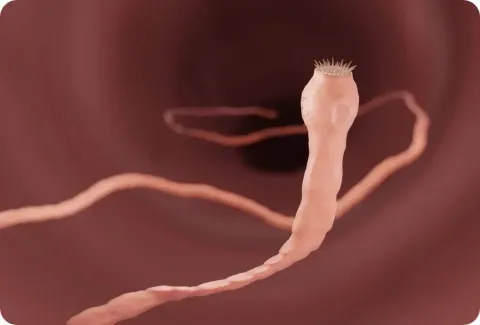
Have you ever wondered what kind of worms your cat might catch? Knowing this is important because these tiny parasites can affect your cat’s health in surprising ways.
If you want to keep your furry friend happy and safe, understanding the different types of worms cats get is a must. You’ll discover the common worms that could be living inside your cat and what signs to watch for.
Keep reading to learn how to protect your cat and keep those unwanted guests away for good.
Common Worms In Cats
Understanding the common worms that affect cats is crucial for keeping your feline friend healthy. Worms can cause discomfort and serious health problems if left untreated. Knowing what types of worms your cat might encounter helps you spot symptoms early and seek proper treatment.
Roundworms
Roundworms are among the most common intestinal parasites in cats. These worms can grow quite large inside your cat’s intestines, causing vomiting, diarrhea, and a pot-bellied appearance. They often spread through contaminated soil or infected rodents, so outdoor cats are especially at risk.
If your cat spends time outside, are you regularly checking their stool for signs of worms? Early detection and deworming can prevent long-term damage and discomfort.
Tapeworms
Tapeworms look like small white rice grains around your cat’s anus or in their feces. They usually enter your cat’s system when they swallow fleas during grooming. Flea control is therefore a key part of preventing tapeworm infections.
You might notice your cat scooting or licking their rear more than usual—these behaviors can signal tapeworm presence. Have you considered how flea prevention could reduce the chance of these worms?
Hookworms
Hookworms attach themselves to your cat’s intestinal walls and feed on blood. This can cause anemia, weakness, and weight loss. Kittens and cats with weakened immune systems are especially vulnerable.
Hookworms can enter through the skin or ingestion, so walking barefoot in contaminated areas isn’t just risky for your cat but also for you. How often do you clean your cat’s environment to minimize this risk?
Heartworms
Unlike the others, heartworms live in your cat’s heart and lungs, posing a serious threat. Transmission happens through mosquito bites, making outdoor cats more exposed. Symptoms can be subtle but include coughing, difficulty breathing, and lethargy.
Since heartworm disease can be fatal, do you discuss heartworm prevention with your vet during routine check-ups? Protecting your cat against these worms means thinking beyond just intestinal parasites.

Credit: www.reddit.com
Symptoms Of Worm Infestation
Worm infestation in cats often shows through clear signs. Recognizing symptoms early helps protect your cat’s health. Cats with worms may seem normal at first. Symptoms can vary by worm type and infestation level.
Digestive Issues
Worms irritate the cat’s stomach and intestines. Cats may vomit or have diarrhea. You might notice a swollen belly or discomfort. Sometimes, worms appear in the stool or vomit.
Weight Loss
Worms steal nutrients from the cat’s body. Even with a good appetite, your cat may lose weight. This loss happens slowly but steadily. Weight loss signals that your cat needs a vet check.
Poor Coat Condition
A dull, rough coat can mean worms are present. The cat’s fur might look dry and patchy. Healthy skin and shiny fur often decline. This happens because the cat is not absorbing nutrients well.
Lethargy
Worm-infested cats often lack energy. They may sleep more and play less. Weakness and tiredness are common signs. Lethargy means the body is fighting the infection.
Transmission Methods
Understanding how worms find their way into your cat’s body is key to preventing infections. Worms don’t just appear out of nowhere—they have specific transmission paths that you can watch out for. Knowing these routes helps you keep your feline friend safe and healthy.
Ingestion Of Eggs
Cats often get worms by swallowing microscopic eggs. These eggs can be hiding on your cat’s fur, in their food, or even on objects they lick or chew. If your cat hunts or explores outdoors, they’re at a higher risk of encountering these eggs.
Have you noticed your cat grooming excessively or eating strange things? These habits could increase the chance of egg ingestion.
Flea Carriers
Fleas don’t just cause itching—they can carry tapeworm larvae too. When your cat grooms and swallows a flea, it might also swallow the worm’s larvae inside the flea’s body. This is a common way cats pick up tapeworms.
Controlling fleas isn’t just about comfort; it’s a crucial step to prevent worm infections.
Mosquito Bites
Some worms, like heartworms, rely on mosquitoes to spread. When a mosquito bites your cat, it can transmit larvae directly into their bloodstream. This makes mosquito control an important part of protecting your cat from serious worm infections.
Do you live in an area with many mosquitoes? This could increase your cat’s risk without you realizing it.
Contaminated Soil
Soil contaminated with feces from infected animals is a hotspot for worm eggs and larvae. Cats digging or walking through such soil can pick up worms easily. Outdoor cats or those in shared litter areas are especially vulnerable.
Regular cleaning of litter boxes and limiting outdoor access can reduce this risk significantly.
Diagnosis And Testing
Identifying the type of worms affecting your cat is crucial for effective treatment. Diagnosis and testing reveal not only the presence of worms but also their specific kind, guiding the right medication. Understanding the available testing options helps you advocate better for your cat’s health.
Fecal Examination
Fecal examination is the most common way to detect intestinal worms in cats. A small stool sample is checked under a microscope for worm eggs or larvae. This test is quick, non-invasive, and usually provides clear evidence of infections like roundworms or hookworms.
Have you noticed your cat scooting or vomiting? These signs often prompt a fecal exam. Regular fecal checks can catch infections before symptoms become severe, saving your cat from discomfort and you from higher vet bills.
Blood Tests
Some worms, such as heartworms, don’t show up in fecal tests but can be detected through blood tests. These tests look for specific antibodies or antigens related to the worm infection. Blood tests are especially important for cats that spend time outdoors or live in areas where heartworm is common.
Remember, blood tests might require more time and sometimes need a follow-up, but they provide a deeper insight into your cat’s health. If your cat shows signs like coughing or lethargy, ask your vet about blood testing.
Veterinary Consultation
Your vet plays a vital role in diagnosing worm infections accurately. They will assess your cat’s symptoms, history, and risk factors before recommending tests. Sometimes, multiple tests are needed to confirm the diagnosis and rule out other illnesses.
Don’t hesitate to share all your observations with your vet. Even small details can make a difference in diagnosis. Your involvement and timely vet visits are key to keeping your cat worm-free and healthy.
Treatment Options
Choosing the right treatment for worms in cats is vital for their health. Different worms require different approaches. Treatment aims to remove the worms quickly and safely. It also helps prevent future infections. Understanding treatment options helps owners care better for their pets.
Deworming Medications
Deworming medications are the most common treatment. These drugs target specific types of worms like roundworms, tapeworms, and hookworms. Vets usually prescribe pills, liquids, or injectables. The medication kills the worms inside the cat’s body. Some treatments need multiple doses for full effect.
Always follow the vet’s dosage instructions carefully. Some drugs work best on certain worm types. A vet will choose the right medicine based on the worm found. These medications act fast and show quick results.
Natural Remedies
Natural remedies can support worm treatment but should not replace medication. Ingredients like pumpkin seeds, coconut oil, and diatomaceous earth have mild anti-parasitic effects. They may help improve digestion and boost immunity. These remedies work best alongside conventional medicines.
Consult a vet before using natural treatments. Some natural ingredients can cause allergies or side effects. Natural remedies are gentle but usually slower in action. They help maintain worm-free health after deworming.
Follow-up Care
Follow-up care is crucial after treating worms. Retesting your cat ensures all worms are gone. Sometimes, a second treatment is needed. Keep your cat’s living area clean to avoid reinfection.
Regular vet check-ups help monitor your cat’s health. Good hygiene and proper diet support recovery. Watch for signs like vomiting or weight loss. Early detection of worms prevents serious health problems.
Prevention Tips
Keeping your cat free from worms is easier when you focus on prevention. Simple daily habits and regular care can make a big difference. Let’s look at some practical tips that protect your furry friend from these common parasites.
Regular Vet Check-ups
Scheduling routine visits to the vet helps catch worm infections early. Your vet can perform stool tests and recommend the right deworming treatments. Skipping these check-ups might let worms go unnoticed, causing serious health problems over time.
Think about how often you take your cat in. Could more frequent visits help spot issues before they worsen?
Flea Control
Fleas are more than just an itchy nuisance—they’re a major way worms spread. Using flea prevention treatments regularly can stop your cat from picking up tapeworms. Look for vet-approved products like topical drops, collars, or oral meds that fit your cat’s lifestyle.
Notice if your cat scratches or grooms excessively. That could signal fleas and a higher risk of worms.
Clean Living Environment
Worm eggs often hide in dirty litter boxes and unclean bedding. Clean your cat’s litter box daily and wash their bedding weekly to reduce exposure. Also, avoid overcrowding if you have multiple pets, as worms spread easily in tight spaces.
Have you checked the corners where your cat sleeps? A quick clean might be all that’s needed to keep worms away.
Safe Outdoor Exploration
Outdoor cats face higher worm risks because they hunt or encounter contaminated soil. If your cat loves to explore, consider creating a secure outdoor space like a catio. Limiting unsupervised outdoor time reduces their chance of picking up parasites.
Could your cat enjoy fresh air safely without the worm risks? Small changes can protect their health while keeping their curiosity satisfied.
Importance Of Early Detection
Detecting worms in your cat early can make a huge difference. Parasites often hide silently, causing damage long before you notice any signs. Catching these issues early helps you act fast, keeping your feline friend safe and comfortable.
Preventing Complications
Worms can cause serious health problems if left untreated. Early detection stops minor infections from turning into life-threatening conditions. You avoid issues like anemia, digestive blockages, or organ damage by spotting worms early.
Think about a cat you know who suddenly became lethargic and stopped eating. Often, undetected worms are the hidden cause behind such sudden changes. Detecting them early prevents these complications and gives your cat a better chance to recover quickly.
Ensuring Cat Health
Your cat’s overall health depends heavily on a parasite-free system. Worms drain vital nutrients, leading to weight loss and poor coat condition. Early detection means you can treat your cat before their health starts to decline noticeably.
Regular vet check-ups and stool tests catch these parasites even if your cat seems fine. Would you wait for visible signs, or act before your cat feels unwell? Early detection helps keep your cat active, playful, and healthy.
Reducing Transmission Risk
Worms aren’t just a threat to your cat—they can spread to other pets and even people. Finding worms early limits their chance to multiply and spread. This helps protect your whole household from potential health risks.
Imagine your cat as the first line of defense in your home. Early detection acts like a shield, stopping worms from becoming a bigger problem for everyone around. Do you want to risk letting parasites spread unnoticed?
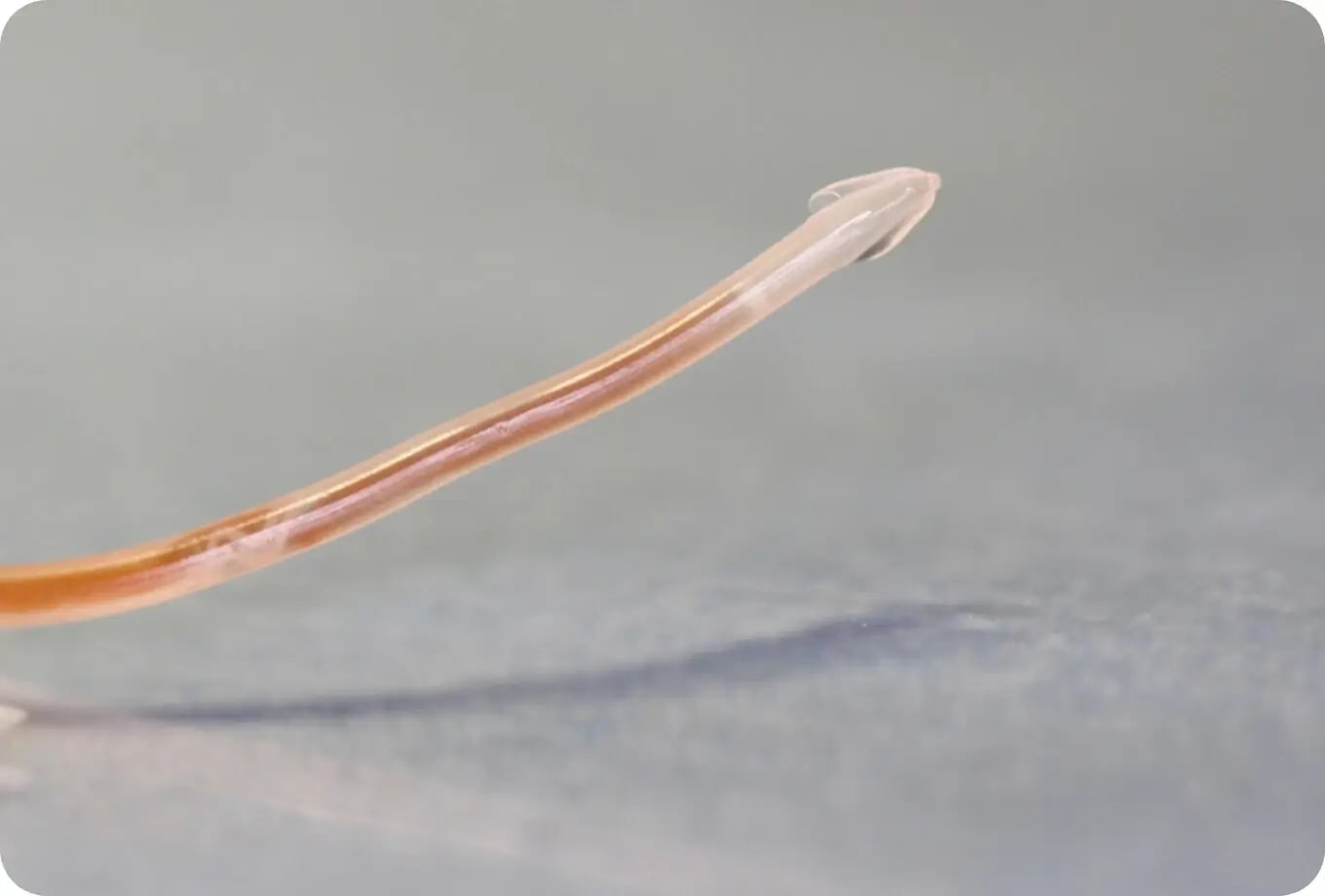
Credit: nexgardforpets.com
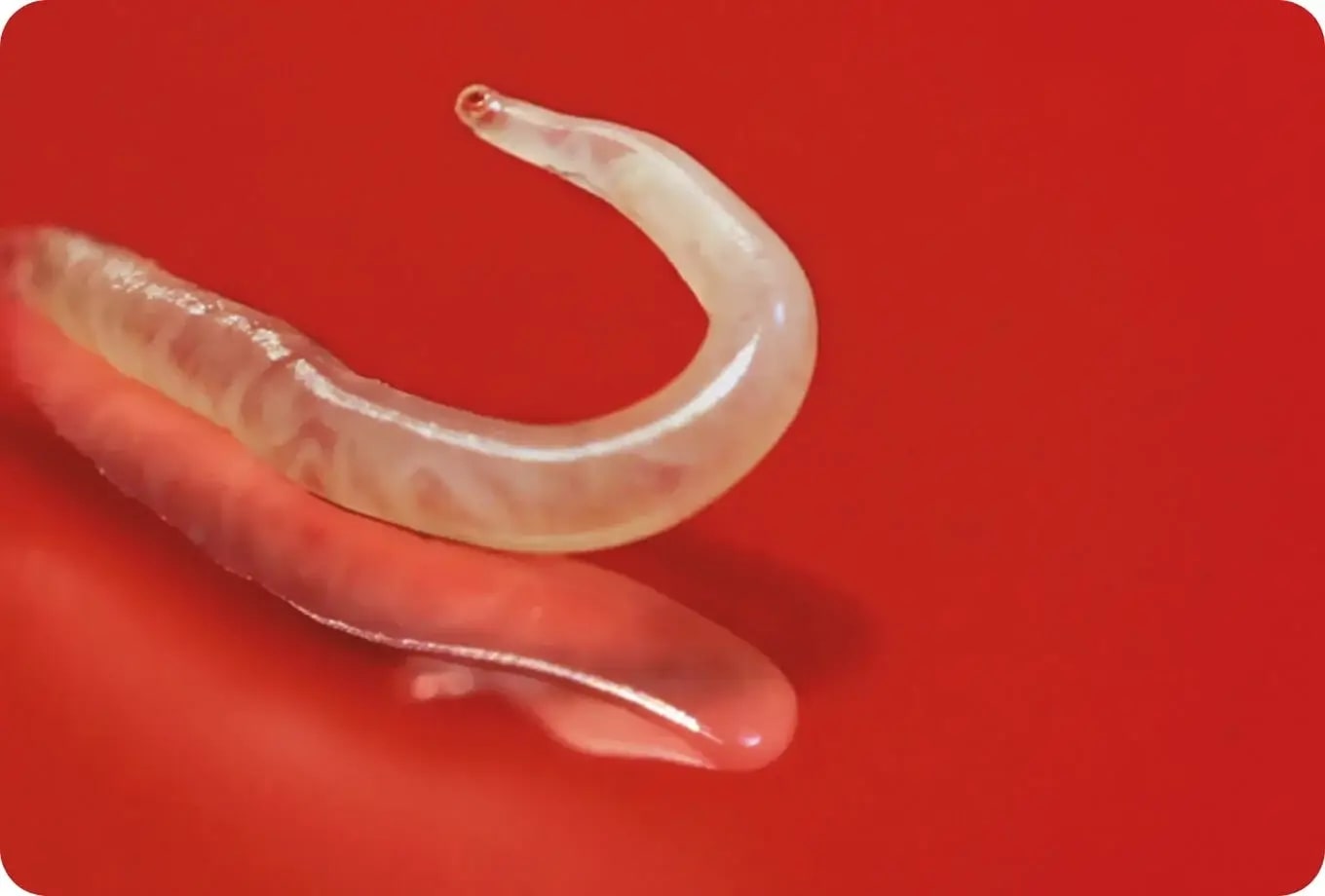
Credit: nexgardforpets.com
Frequently Asked Questions
What Types Of Worms Commonly Infect Cats?
Cats commonly get roundworms, tapeworms, hookworms, and whipworms. These intestinal parasites can cause various health issues. Regular vet check-ups help detect and treat them early.
How Do Cats Get Worms In The First Place?
Cats usually get worms by eating infected prey, fleas, or contaminated soil. Mother cats can also pass worms to kittens through nursing.
What Are The Symptoms Of Worm Infection In Cats?
Symptoms include weight loss, vomiting, diarrhea, bloated abdomen, and visible worms in stool. Some cats may show no signs but still need treatment.
Can Worm Infections In Cats Affect Humans?
Yes, some cat worms can infect humans, causing health risks. Proper hygiene and regular deworming prevent zoonotic transmission.
Conclusion
Cats can get several types of worms, like roundworms, tapeworms, and hookworms. These parasites can make cats sick and cause health problems. Regular check-ups and proper treatments help keep your cat healthy. Good hygiene and flea control also reduce worm risks.
Knowing these worms helps you protect your pet better. Always watch for signs of worms and act fast. Keeping your cat worm-free means a happier, healthier friend. Simple care makes a big difference.
