

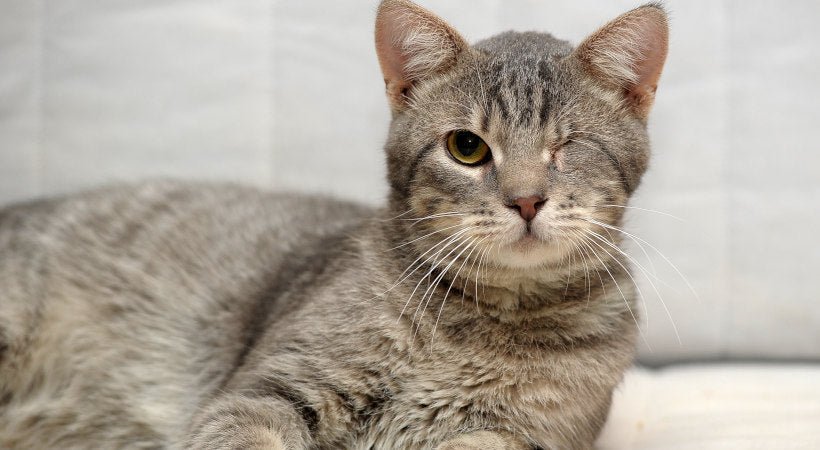
Have you ever wondered if cats can have special needs? If you love your furry friend, you want to make sure they live a happy and comfortable life—no matter what challenges they face.
Understanding special needs in cats can help you provide the care and support your pet deserves. Keep reading to discover how you can recognize these needs and create a safe, loving environment for your unique companion. Your cat’s well-being could depend on what you learn next.

Credit: www.litter-robot.com
Identifying Special Needs In Cats
Identifying special needs in cats is essential to provide them with the care and comfort they deserve. Cats can have unique physical, sensory, or behavioral challenges that affect their daily lives. Spotting these needs early helps you create a safe and loving environment tailored to your feline friend.
Recognizing Physical Disabilities
Physical disabilities in cats can include mobility issues, missing limbs, or chronic pain conditions. You might notice your cat struggling to jump, climb, or use the litter box. Watch for signs like limping, stiffness, or difficulty grooming themselves.
One of my cats developed arthritis, and noticing her slower movements allowed me to adjust her living space with ramps and soft bedding. Have you observed any changes in your cat’s agility or posture lately?
Understanding Behavioral Challenges
Behavioral challenges can be a sign of underlying special needs. Cats might show increased aggression, anxiety, or withdrawal without an obvious cause. These behaviors could result from stress, neurological issues, or pain.
Think about whether your cat suddenly avoids social interaction or displays unusual vocalizations. Recognizing these changes early can help you seek advice from a vet or animal behaviorist to improve your cat’s quality of life.
Signs Of Sensory Impairments
Sensory impairments affect a cat’s ability to see, hear, or smell properly. Your cat may bump into furniture, fail to respond to sounds, or seem disoriented. These signs can indicate vision loss, deafness, or other sensory deficits.
One of my cats was born deaf, but with patience and adjustments like visual cues, she adapted well. How does your cat react to sudden noises or changes in their environment? Noticing these reactions can guide you in making your home more accessible and comforting.

Credit: www.thecatsmeowrescue.org
Creating A Safe Environment
Caring for cats with special needs means creating a safe and comfortable space. Their environment must support their health and happiness. Adjustments help reduce stress and prevent accidents. A thoughtful home setup improves their quality of life.
Adapting Living Spaces
Arrange furniture to give easy access to key areas like food and litter boxes. Use ramps or low steps for cats that cannot jump well. Keep resting spots soft and close to warm places. Avoid clutter to reduce confusion and hazards.
Safety Measures For Mobility Issues
Remove slippery rugs or replace them with non-slip mats. Block off stairs or dangerous high areas. Use pet gates to limit access to unsafe rooms. Provide sturdy scratching posts that help with balance. Check that toys are safe and easy to reach.
Sensory-friendly Home Modifications
Minimize loud noises and bright lights near their favorite spots. Use calming scents like lavender or chamomile in safe diffusers. Offer hiding places like covered beds or boxes for quiet retreats. Place food and water bowls in calm, low-traffic zones.
Diet And Nutrition Considerations
Caring for cats with special needs requires careful attention to their diet and nutrition. These cats often have unique health challenges that affect their ability to eat and digest food. Meeting their nutritional needs helps keep them healthy and comfortable.
Different disabilities can affect how cats eat and what they need from their diet. Adjusting feeding methods and choosing the right food supports their well-being. Sometimes, special supplements or diets are necessary to address specific health issues.
Nutritional Needs For Special Cats
Special needs cats may require diets rich in certain nutrients. Cats with kidney problems need low protein and phosphorus levels. Cats with diabetes benefit from controlled carbohydrate intake.
Weight management is critical for cats with mobility issues. Obesity can worsen their condition. Balanced nutrition supports their immune system and energy levels.
Feeding Techniques For Different Disabilities
Cats with physical disabilities may need adapted feeding methods. For example:
- Using shallow bowls for cats with limited jaw movement
- Elevating food dishes for cats with arthritis
- Hand feeding or syringe feeding for cats with severe issues
Patience and gentle handling make feeding less stressful. Observe your cat’s eating habits and adjust as needed.
Supplements And Special Diets
Supplements can support joint health, digestion, or immune function. Common supplements include omega-3 fatty acids and probiotics.
Prescription diets may help manage chronic diseases. Always consult a vet before starting supplements or special diets. Proper nutrition improves quality of life for cats with special needs.

Credit: walkinpets.com
Medical Care And Regular Check-ups
Caring for cats with special needs requires consistent medical attention. Regular check-ups help spot problems early. This care supports their health and comfort. Owners must stay alert to changes in their cat’s condition.
Importance Of Veterinary Visits
Routine visits to the vet ensure your cat’s health is closely monitored. Vets check vital signs and detect illness before symptoms appear. Special needs cats may need more frequent exams. These visits help create a tailored care plan. Trusting your vet is key for managing chronic issues.
Medication Management
Many special needs cats rely on daily medications. Proper dosing is crucial to avoid side effects. Owners should follow vet instructions carefully. Keep a schedule to give medicine on time. Track your cat’s reactions and report concerns quickly. This helps adjust treatments for best results.
Monitoring Health And Progress
Watching your cat’s behavior and body condition is vital. Note appetite, energy levels, and mobility changes. Use a journal or app to log observations. Share updates during vet visits for better care. Early detection of issues can improve outcomes. Consistent monitoring keeps your cat comfortable and safe.
Behavioral Support And Enrichment
Behavioral support and enrichment play a key role in the well-being of cats with special needs. These cats often require extra care to stay happy and healthy. Enriching their environment and guiding their behavior help improve their quality of life.
Behavioral support focuses on encouraging good habits and reducing stress. Enrichment means providing activities and toys that keep cats mentally and physically active. Both are essential for cats who may have physical or emotional challenges.
Encouraging Positive Behavior
Positive behavior grows from patience and consistency. Use gentle rewards like treats or praise to encourage good actions. Avoid punishment, as it can increase anxiety and confusion.
Set clear boundaries and routines. Cats feel safer with predictable schedules. This helps reduce unwanted behaviors and builds trust.
Interactive Toys And Activities
Toys and playtime keep special needs cats stimulated. Choose interactive toys that move or make sounds. Puzzle feeders also challenge their minds and slow eating.
- Feather wands for gentle chasing
- Soft balls for batting and pouncing
- Laser pointers for light chasing
- Food puzzles to stimulate thinking
Rotate toys regularly to maintain interest. Play sessions strengthen bonds and provide exercise.
Stress Reduction Techniques
Stress affects cats’ health and behavior. Create a calm space with cozy beds and hiding spots. Soft lighting and quiet surroundings help cats relax.
Use calming scents like lavender or pheromone diffusers. These can soothe nervous cats and lower tension.
Routine vet visits and gentle handling reduce fear. Patience and love go a long way in easing stress.
Training And Socialization Strategies
Training and socialization are vital for cats with special needs. These strategies help build trust and improve their quality of life. Tailored approaches work best to meet each cat’s unique challenges. Patience and consistency are key to successful interactions.
Basic Training For Special Needs Cats
Start with simple commands like “come” or “stay.” Use gentle, clear tones to avoid confusion. Keep training sessions short, about 5 to 10 minutes. Reward positive behavior with treats or affection. Repeat exercises regularly to reinforce learning. Avoid punishment; it can cause fear or stress.
Socializing With Other Pets
Introduce new pets slowly and in a controlled space. Observe their body language to prevent conflicts. Use barriers like baby gates during initial meetings. Allow them to sniff and explore safely. Gradual exposure helps reduce anxiety and aggression. Respect each pet’s comfort zone.
Handling And Interaction Tips
- Approach gently and speak softly to calm your cat.
- Support their body carefully, especially with mobility issues.
- Use slow movements to avoid startling them.
- Provide cozy spots where they feel secure.
- Be patient with limits and signs of discomfort.
Support Networks And Resources
Providing care for cats with special needs can feel overwhelming at times. Support networks and resources offer guidance, comfort, and practical advice. These connections help pet owners share experiences and find solutions. Access to professional help and community tools makes a big difference in managing special care.
Connecting With Other Pet Owners
Sharing stories with other cat owners builds a strong support system. They understand daily challenges and celebrate small victories. Meeting others in similar situations reduces feelings of isolation. Conversations offer tips about diets, medication, and daily routines. Support groups and local meetups create opportunities to learn and connect.
Finding Professional Help
Veterinarians specializing in special needs cats provide expert care. They recommend treatments tailored to each cat’s condition. Animal behaviorists assist with training and adapting to disabilities. Regular check-ups catch health issues early. Professionals guide owners through difficult decisions and emergency care.
Online And Community Resources
Websites and forums offer a wealth of knowledge for special needs care. They include articles, videos, and step-by-step guides. Community centers sometimes host workshops or support meetings. Local shelters and rescue groups provide advice and supplies. Libraries and pet stores often share resource lists and contacts.
Frequently Asked Questions
Can Cats Be Born With Special Needs?
Yes, cats can be born with special needs due to genetic factors or birth defects. These may affect mobility, senses, or behavior.
How To Care For A Special Needs Cat?
Caring for special needs cats involves regular vet visits, tailored diets, and a safe environment. Patience and love are essential.
What Are Common Disabilities In Cats?
Common disabilities include blindness, deafness, arthritis, and mobility issues. Each requires specific care and accommodations for the cat’s comfort.
Can Special Needs Cats Live Normal Lives?
Yes, with proper care and support, special needs cats can enjoy happy, fulfilling lives similar to other cats.
Conclusion
Cats with special needs require extra care and love. They can live happy, full lives with the right support. Understanding their unique needs helps you provide better care. Simple changes in their environment make a big difference. Patience and kindness go a long way in helping them thrive.
Special needs cats teach us about compassion and resilience. Every cat deserves a chance to feel safe and loved. Caring for them brings joy and deep connection. Embrace the challenge, and enjoy the rewards.
