

Is your cat carrying a little extra weight? You’re not alone, and it’s something that needs your attention.
Just like people, overweight cats can face serious health problems. But don’t worry—helping your furry friend slim down is possible, and it starts with understanding what’s going on. You’ll discover simple steps to get your cat back to a healthy weight, improve their energy, and boost their happiness.
Keep reading—you and your cat will both thank yourself for it.
Credit: www.pethealthclub.com
Recognizing Weight Issues In Cats
Recognizing weight issues in cats is important for their health. Overweight cats face many risks, including diabetes and joint problems. Early detection helps prevent serious conditions. Knowing the signs is the first step to help your pet.
Physical Signs Of Excess Weight
Look for a round, full belly that hangs low. You may not feel your cat’s ribs easily. Fat pads around the chest and abdomen grow bigger. A thick neck and face can also indicate weight gain.
Behavioral Changes To Notice
Overweight cats often move less and sleep more. They may avoid jumping on furniture or playing. Watch for difficulty grooming or cleaning themselves. These changes can signal discomfort from excess weight.
Using A Weight Chart For Cats
Use a chart to compare your cat’s weight with the average. Healthy weight varies by breed and size. Keep records of your cat’s weight over time. This helps spot trends and changes early.
When To Consult A Veterinarian
Consult a vet if your cat’s weight increases quickly. Sudden weight gain or loss needs professional advice. A vet can check for underlying health issues. They can also guide safe weight loss plans.
Credit: medium.com
Assessing Your Cat’s Weight
Understanding your cat’s weight is the first step toward helping them live a healthier life. You might think your cat looks just fine, but subtle signs can reveal if extra pounds are sneaking on. Taking a moment to assess your cat’s weight carefully can make all the difference in planning the right approach to weight loss.
Signs Of Overweight Cats
Is your cat struggling to jump on furniture like before? That could be a sign of extra weight. Notice if their belly hangs low or if their ribs are hard to feel under a layer of fat.
Other clues include:
- Reduced activity or reluctance to play
- Difficulty grooming themselves properly
- Breathing faster than usual after mild activity
Have you seen your cat’s waist disappear when viewed from above? That’s a clear indicator too. Paying close attention to these signs helps you catch weight issues before they lead to serious health problems.
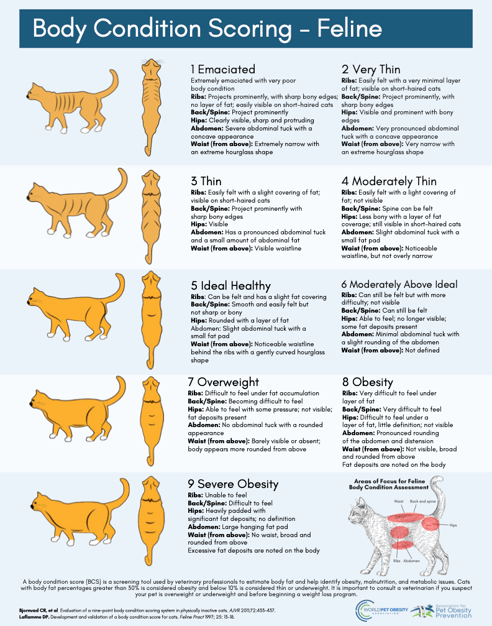
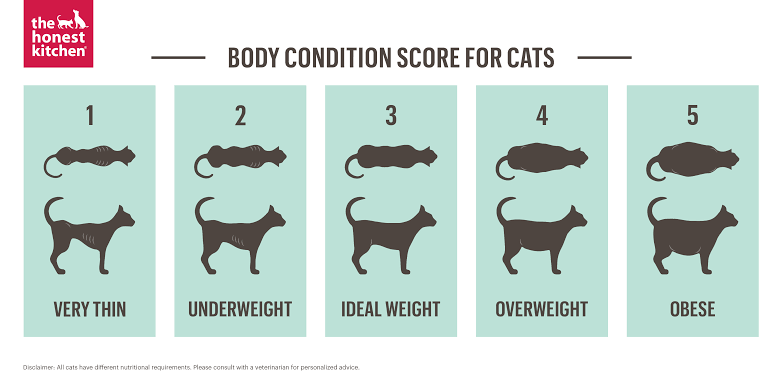
Using Body Condition Score
The Body Condition Score (BCS) is a simple tool you can use at home to check your cat’s weight status. It involves feeling and looking at specific areas like the ribs, spine, and waist.
Here’s a quick guide:
| Score | Description |
|---|---|
| 1-3 | Underweight – Ribs and bones are easily visible and palpable without fat covering. |
| 4-5 | Ideal – Ribs can be felt but not seen, waist is visible behind ribs. |
| 6-9 | Overweight to Obese – Ribs are hard to feel under thick fat, no waist is visible. |
Try this on your cat and see where they fall. This quick check can give you confidence about whether your cat needs to lose weight or just maintain their current condition. How often do you check your cat’s body condition?
Consulting A Veterinarian
When your cat needs to lose weight, consulting a veterinarian is a crucial step. You might feel unsure about how much weight your cat should lose or the safest way to help them slim down. A vet’s expertise can guide you through these questions and ensure your cat stays healthy throughout the process.
Importance Of Professional Guidance
Your veterinarian knows your cat’s unique health background. They can spot underlying issues that might cause weight gain, such as thyroid problems or diabetes. Without professional advice, you risk making changes that could harm your cat rather than help.
Imagine trying a diet plan you found online without knowing if it’s suitable. This can lead to nutrient deficiencies or stress for your cat. A vet customizes a plan that fits your cat’s age, breed, and lifestyle, increasing the chance of success.
Health Checks And Weight Goals
Before starting any weight loss plan, your vet will perform a thorough health check. This includes blood tests, physical exams, and sometimes imaging. These checks reveal if your cat is fit for weight loss or if other health conditions need attention first.
Setting realistic weight goals is key. Your vet will help you determine a healthy target weight and how fast your cat should lose it. This prevents rapid weight loss, which can cause serious problems like fatty liver disease.
Have you thought about what a safe weekly weight loss rate looks like for your cat? Typically, losing about 1-2% of body weight per week is safe. Your vet will monitor progress regularly to adjust the plan if needed.
Creating A Balanced Diet
Helping your cat lose weight starts with creating a balanced diet tailored to their needs. A thoughtful diet not only supports weight loss but also boosts overall health and energy. It’s about choosing the right foods and controlling portions without making mealtime stressful for your furry friend.
Choosing Nutrient-rich Foods
Focus on foods that provide essential nutrients without extra calories. Protein should be the star of your cat’s diet—it keeps muscles strong and helps them feel full longer.
Look for high-quality sources like chicken, turkey, or fish. Avoid fillers like corn and soy, which add little nutritional value and can contribute to weight gain.
Adding a few vegetables, such as cooked pumpkin or green beans, can offer fiber to aid digestion. Have you noticed if your cat prefers wet or dry food? Wet food usually contains fewer carbs and more moisture, which supports hydration and weight loss.
Understanding Portion Control
Even the healthiest foods can lead to weight gain if portions are too large. Use a kitchen scale or measuring cup to serve precise amounts instead of guessing.
Split your cat’s daily food into multiple small meals rather than one or two big ones. This keeps their metabolism active and prevents overeating.
Track your cat’s weight weekly and adjust portions accordingly. Are you surprised how small changes in portion size can impact your cat’s waistline?
Incorporating Exercise
Getting your cat moving is key to helping them shed extra pounds. Exercise not only burns calories but also keeps your cat mentally sharp and emotionally satisfied. It’s about making activity fun and part of your daily routine.
Interactive Playtime
Engaging your cat with toys that mimic prey can spark their natural hunting instincts. Feather wands, laser pointers, and small balls can turn playtime into a calorie-torching adventure.
Try short, frequent sessions throughout the day instead of one long playtime. Cats often prefer quick bursts of activity followed by rest. Notice which toys your cat loves most and use those to keep them interested.
Encouraging Movement
Encouraging your cat to move more doesn’t always mean structured play. Simple changes in the environment can make a big difference.
- Place food puzzles around the house to make your cat work for their meals.
- Use climbing shelves or cat trees to motivate climbing and jumping.
- Hide treats in different spots to encourage exploration.
Have you noticed your cat’s favorite hiding spots or activities? Use that knowledge to create opportunities for movement. Small tweaks can turn a sedentary cat into a more active one without stress.

Credit: justcatsclinic.com
Monitoring Progress
Keeping a close eye on your cat’s weight loss journey is key to success. Monitoring progress helps you understand how well your plan is working and when it needs a tweak. It also keeps you motivated and your cat safe throughout the process.
Regular Weigh-ins
Weigh your cat consistently, ideally once a week. This frequency gives you a clear picture without stressing your pet. Use the same scale each time to avoid confusing numbers.
Write down the weight and date in a notebook or app. Tracking these numbers helps you see small changes that add up. Have you noticed how a few ounces lost can brighten your cat’s energy levels?
If your cat resists the scale, try weighing yourself holding the cat, then subtract your weight. This simple trick can save time and reduce stress for both of you.
Adjusting Plans As Needed
Weight loss isn’t always a straight path. If the numbers stall or your cat seems less active, it’s time to rethink your approach. Are you feeding the right portions? Is your cat getting enough playtime?
Adjust food amounts gradually, not drastically. Sudden changes can upset your cat’s digestion or mood. Also, experiment with different toys or interactive feeding to boost activity levels.
Consult your vet if you’re unsure. Sometimes underlying health issues affect weight loss. What small changes could you make today to help your cat feel better and lose weight safely?
Avoiding Common Pitfalls
Helping your cat lose weight takes patience and care. Avoid common mistakes that can slow progress or harm health. Small habits often cause big problems. Focus on steady changes for lasting results.
Overfeeding Treats
Treats add extra calories that quickly add up. Many owners give treats too often or in large amounts. This can undo diet efforts and cause weight gain.
Limit treats to a few small pieces daily. Choose low-calorie options. Use treats as rewards for good behavior, not out of habit. Measure treats carefully to avoid overfeeding.
Inconsistent Routines
Cats thrive on routine. Irregular feeding times or exercise can confuse your pet. This leads to overeating or less activity.
Set fixed times for meals and play sessions. Keep portions consistent. Regular exercise helps burn calories and builds muscle. A steady routine supports healthy weight loss and overall well-being.
Promoting Long-term Health
Helping your cat lose weight is about more than just shedding pounds. It supports their health for many years. A healthy weight reduces risks of diseases. It also boosts energy and improves mood. Promoting long-term health means steady habits. These habits keep your cat fit and happy.
Maintaining Ideal Weight
Keep your cat’s weight steady after reaching the goal. Monitor their weight once a week. Use a simple scale or visit the vet for checks. Feed balanced meals with proper portions. Avoid free feeding or too many treats. Choose foods that support healthy weight and nutrition. Consistency in diet helps prevent weight gain.
Ensuring Ongoing Activity
Encourage daily movement to keep your cat active. Play with toys that mimic hunting, like feather wands or laser pointers. Create spaces for climbing and exploring. Short, frequent play sessions work best. Activity helps burn calories and builds muscle. It also keeps your cat’s mind sharp. Change toys often to keep interest high.
Frequently Asked Questions
How Can I Tell If My Cat Is Overweight?
You can check your cat’s ribs by gently feeling them. If you cannot feel ribs easily, your cat might be overweight. Also, observe the waistline from above; a visible waist suggests a healthy weight.
What Is The Best Diet For A Cat Needing Weight Loss?
Feed your cat a high-protein, low-carbohydrate diet. Portion control is essential. Consult your vet for a recommended weight-loss cat food or prescription diet.
How Much Exercise Does A Cat Need To Lose Weight?
Cats should get at least 20 minutes of active play daily. Use toys like laser pointers or feather wands to encourage movement and burn calories.
Can Obesity Harm My Cat’s Health?
Yes, obesity increases risks of diabetes, arthritis, and heart disease in cats. Maintaining a healthy weight improves your cat’s quality and length of life.
Conclusion
Helping your cat lose weight keeps them healthy and happy. Small changes in food and exercise make a big difference. Watch their progress and celebrate each success. Stay patient—weight loss takes time and care. A fit cat enjoys life more and feels better every day.
Keep learning and adjusting your plan as needed. Your love and attention mean the most to your cat. Healthy habits now create a brighter future for your furry friend.
