

Have you ever wondered why your cat insists on using a litter box instead of going outside? Understanding this simple behavior can make your life easier and keep your home cleaner.
If you’re curious about what drives your feline friend to choose the litter box, you’re in the right place. Keep reading, and you’ll discover the surprising reasons behind this habit—and how it benefits both you and your cat.

Credit: meowant.com
Instinctual Behavior
Cats using litter boxes is more than just a learned habit—it’s deeply rooted in their instinctual behavior. Understanding why cats naturally gravitate toward a specific spot for their bathroom needs helps you create a better environment for them. This instinct ensures cleanliness, safety, and comfort for your furry friend.
Wild Ancestry
Your cat’s litter box habits trace back to their wild ancestors. In the wild, cats avoid soiling their living areas to hide their scent from predators and prey. This natural behavior helps them stay safe and increases their chances of survival.
Think about your cat’s careful, almost secretive approach to using the litter box. It’s not just convenience—it’s a survival skill passed down through generations. Have you noticed how your cat covers their waste? That’s a direct reflection of their wild roots.
Natural Digging Habits
Cats instinctively dig before and after they relieve themselves. This digging helps bury their waste to mask their scent. The litter box mimics this natural environment, giving your cat a familiar place to satisfy this urge.
If your cat suddenly starts scratching outside the litter box, it might be trying to fulfill this digging instinct elsewhere. Providing a clean, well-maintained litter box encourages your cat to dig where it’s safe and appropriate. Have you ever observed how some cats spend extra time patting the litter? That’s them following an age-old instinct.
Territorial Marking
Territorial marking is a key reason why cats use litter boxes. Cats are naturally territorial animals, and they use specific behaviors to claim their space. Using a litter box allows them to mark their territory in a controlled and familiar environment.
Scent Marking
Cats have scent glands in their paws and around their face, but their urine carries a strong scent signature. When your cat uses a litter box, it leaves behind this scent, signaling to other cats that this area belongs to them.
This scent marking helps reduce conflicts between cats by establishing clear boundaries. Have you noticed your cat scratching the litter after using it? That action spreads their scent further, reinforcing their claim.
Privacy And Security
Using a litter box offers cats a private spot to relieve themselves, which is important to their sense of security. In the wild, cats hide their waste to avoid attracting predators or rivals.
Your cat’s preference for a clean, quiet litter box reflects this instinct. Providing a well-maintained litter box respects their need for privacy and helps them feel safe in your home.
Training And Adaptability
Cats naturally learn to use litter boxes through training and adaptability. Their ability to adjust helps them stay clean and comfortable. Understanding this process can help owners support their pets better.
Early Litter Training
Kittens start learning litter habits at a young age. Their mother often shows them where to go. This early training helps kittens understand the purpose of a litter box. Owners can encourage this by providing a clean, accessible box.
Consistency is key in early training. Placing kittens in the box after meals or naps helps them learn. Positive reinforcement, like gentle praise, strengthens good habits. Avoid punishment, which can cause fear or confusion.
Adjusting To New Environments
Cats may hesitate to use a litter box in new places. Changes in smell, layout, or box type can confuse them. Patience and a calm approach help cats adapt faster.
To ease adjustment, keep the litter box in a quiet spot. Use the same litter type and box style as before. If accidents happen, clean spots thoroughly to remove odors. This prevents repeat mistakes and helps cats find the box again.
Health And Hygiene
Cats instinctively use litter boxes to maintain their health and hygiene. This behavior helps keep both your home and your furry friend clean and safe. Understanding the reasons behind this habit can guide you in providing the best care for your cat.
Preventing Parasites
Using a litter box reduces your cat’s exposure to harmful parasites. Parasites like roundworms and hookworms thrive in soil contaminated with feces. When your cat consistently uses a litter box, it limits contact with these dangerous environments.
Keeping the litter box clean is essential. You should scoop waste daily and change the litter regularly to avoid parasite buildup. Have you noticed how your cat behaves differently when the box is dirty? Cats often avoid dirty boxes, which can increase the risk of parasites if they go elsewhere.
Promoting Cleanliness
A litter box keeps your cat’s waste contained in one spot, making cleaning easier for you. This prevents waste from spreading around your home and keeps odors under control. Clean surroundings benefit both your cat and your family’s health.
Using the right type of litter can also improve cleanliness. Clumping litter, for example, makes it easier to remove waste quickly. Have you tried different types of litter to see which your cat prefers? Finding the right one can encourage consistent use and maintain hygiene.
Human-cat Interaction
Human-cat interaction plays a key role in why cats use litter boxes. Cats learn habits through their daily experiences with humans. Positive interactions help cats feel safe and confident. This comfort encourages them to use the litter box consistently. Understanding how humans influence cats’ behavior can improve litter box training and maintenance.
Encouraging Positive Behavior
Rewarding cats for using the litter box helps build good habits. Gentle praise or small treats work well. Avoid punishment, as it can cause fear and confusion. Consistency is important. Keep the litter box clean to encourage repeated use. Positive behavior grows when cats feel secure and appreciated.
Role Of Litter Box Placement
Where the litter box is placed affects a cat’s willingness to use it. Cats prefer quiet, private spots with easy access. Avoid noisy or busy areas. Place the box away from food and water bowls. A good location reduces stress and supports natural behavior. Cleanliness and comfort combined with proper placement lead to successful litter box use.
Environmental Factors
Environmental factors play a crucial role in why cats use litter boxes. Your cat’s comfort and willingness to use their litter box depend heavily on the surroundings and setup you provide. Small changes in the environment can make a big difference in your cat’s behavior and hygiene habits.
Litter Box Design
The design of the litter box affects how easily your cat can access and use it. Cats prefer a box that is spacious enough for them to turn around comfortably. If the box feels cramped or has high sides, your cat might avoid it.
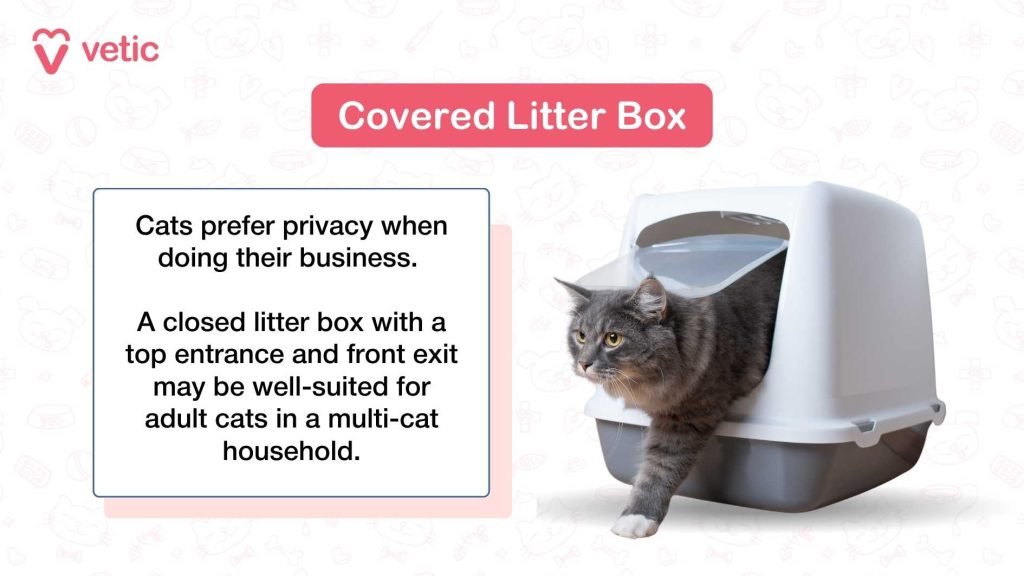
Covered boxes can offer privacy, but some cats dislike feeling trapped or confined. Open boxes give a sense of freedom but might spread litter outside more often.
Think about where you place the litter box too. Is it in a noisy or busy area? Cats like quiet, low-traffic spots where they feel safe.
Type Of Litter
The texture and smell of the litter can make or break your cat’s litter box habits. Cats are very sensitive to strong scents and unusual textures. Many prefer unscented, fine-grained litter that feels soft under their paws.
Some cats avoid clay-based litters because they feel gritty or too dusty. Others might reject clumping litters if they cause discomfort or stick to their paws.
Have you noticed your cat walking away from the box or digging less? Try switching to a different type of litter. It could be the reason behind their litter box reluctance.
Common Issues And Solutions
Cats usually use litter boxes without problems. Still, some common issues can make them avoid the box. Understanding these problems helps find the right solutions. This keeps cats happy and homes clean.
Litter Box Avoidance
Cats may avoid the litter box for many reasons. A dirty box can be very off-putting. Some cats dislike certain types of litter or box styles. The location of the box also matters. Loud noises or busy places can scare cats away.
Health problems like urinary tract infections can cause avoidance. Pain makes cats associate the box with discomfort. Stress from new pets or changes in the home can also affect habits.
Behavioral Corrections
Fixing litter box issues often needs patience. Start by keeping the box clean every day. Use unscented, clumping litter preferred by most cats. Place the box in a quiet, private area.
Offer multiple boxes if there are many cats. Reward good behavior with treats or gentle praise. Avoid punishment; it increases stress and worsens problems.
Consult a vet if health issues are suspected. A calm, consistent routine helps reduce anxiety. Training tools like pheromone sprays can soothe nervous cats.

Credit: mymix923.com
:max_bytes(150000):strip_icc():focal(1999x0:2001x2)/peo-cat-litter-boxes-may-24-test-iprimio-enclosed-stainless-steel-xl-tracy-allison-43-42c40586ffd2487bae91a3e1cf4f7071.jpeg)
Credit: people.com
Frequently Asked Questions
Why Do Cats Prefer Litter Boxes Over Other Spots?
Cats prefer litter boxes because they instinctively bury their waste. This behavior helps them avoid predators and keep their territory clean. Litter boxes mimic natural soil, making cats feel safe and comfortable for elimination.
How Does Litter Box Training Work For Cats?
Cats learn litter box use through instinct and positive reinforcement. Providing a clean, accessible box encourages use. Kittens observe their mother and mimic behavior, making training easier when started early.
Can A Dirty Litter Box Cause Problems For Cats?
Yes, a dirty litter box can cause cats to avoid it. Cats are very clean animals and prefer a fresh, odor-free place to eliminate. Regular cleaning prevents accidents and keeps cats healthy and happy.
Why Do Some Cats Refuse To Use Litter Boxes?
Cats may refuse litter boxes due to stress, illness, or box location. Unclean boxes, wrong litter type, or lack of privacy can also cause avoidance. Identifying and addressing these issues can restore proper litter box use.
Conclusion
Cats use litter boxes because it feels natural and safe for them. They like to bury their waste to hide their scent. This behavior comes from their wild ancestors. Using a litter box keeps your home clean and fresh. It also helps you understand your cat’s health better.
Providing a clean, quiet spot encourages your cat to use the box. Remember, patience and consistency make training easier. A happy cat means a happy home. Simple habits create strong bonds between you and your pet.
