

Have you noticed a strange, strong smell in your home and wondered if your cat might be the cause? If you’re dealing with spraying, you’re not alone.
Understanding when cats start spraying can help you stop it before it becomes a bigger problem. You’ll discover the key signs to watch for, why your cat sprays, and what you can do to keep your home fresh and your furry friend happy.
Keep reading to take control and protect your space from unwanted marks.
Spraying Behavior In Cats
Cats use spraying to mark their territory and communicate with others. This behavior can start when cats reach puberty or feel stressed. Understanding spraying helps pet owners manage or prevent it effectively.
What Is Spraying?
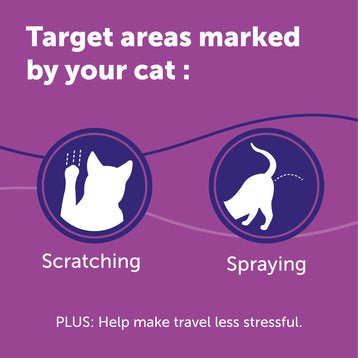
Spraying is when a cat releases a small amount of urine on vertical surfaces. Cats do this to mark their territory. It often happens on walls, furniture, or doors. Spraying leaves a strong smell that other cats can detect. Both male and female cats can spray. This behavior is natural but may cause problems indoors.
Difference Between Spraying And Urinating
Spraying and urinating look similar but serve different purposes. Spraying is a quick release of urine on vertical surfaces. It usually leaves small spots. Urinating is a longer process and happens on horizontal surfaces. It is normal bathroom behavior. Cats spray to mark territory, while urinating is for waste elimination. Recognizing the difference helps in addressing unwanted spraying.

Credit: www.purina.com
Age And Spraying Onset
Understanding when cats start spraying helps owners manage and prevent this behavior early. Spraying is a natural way cats mark territory. This behavior usually begins at a certain age but varies between cats. Knowing the typical age and factors influencing spraying can guide pet care.
Typical Age For Spraying
Cats often start spraying between five and eight months old. This time aligns with puberty and reaching sexual maturity. Male cats tend to spray earlier than females. Neutered or spayed cats may spray less or later. Some cats never spray at all. Early spraying shows the cat’s need to communicate or claim space.
Factors Influencing Early Spraying
- Stress or anxiety can trigger spraying at a younger age.
- New environments or changes at home may cause early spraying.
- Presence of other cats nearby increases spraying behavior.
- Unneutered males spray more frequently and earlier.
- Lack of socialization can lead to early marking habits.
Each cat’s personality and surroundings affect when spraying begins. Early attention and care help reduce unwanted spraying.
Causes Of Spraying
Cats spray to communicate. This behavior can confuse many pet owners. Understanding the causes helps manage and reduce spraying. It often relates to natural instincts and emotions.
Territorial Marking
Cats spray to mark their territory. This signals other cats to stay away. They use their scent to claim spaces. New environments or changes trigger this behavior. It helps cats feel secure in their area.
Stress And Anxiety
Stress can cause cats to spray. Loud noises, new pets, or moving homes create stress. Spraying acts as a coping mechanism. It reassures cats by marking familiar scents. Anxiety often increases this behavior.
Mating Behavior
Unneutered male cats spray to attract mates. Their spray contains hormones signaling readiness. Female cats may also spray during heat. Neutering reduces this instinctive spraying. It helps lower mating-driven marking significantly.

Credit: www.whiskas.com.ph
Identifying Spraying In Cats
Identifying spraying in cats can be tricky. It often looks different from normal urination. Spraying is a way cats mark their territory. Recognizing this behavior helps manage and reduce it.
Signs To Look For
- Small amounts of urine on vertical surfaces
- Cat standing with tail raised while urinating
- Strong, pungent odor near marked areas
- Repeated marking in the same spot
- Sudden changes in litter box habits
Spraying urine is usually a thin stream. Cats spray to communicate with other animals. It is different from normal peeing, which happens on horizontal surfaces.
Common Locations For Spraying
- Walls and corners of rooms
- Near windows or doors
- On furniture or curtains
- Inside closets or cupboards
- Areas around other pets’ belongings
Cats prefer vertical spots for spraying. These places help their scent spread better. Knowing these locations helps catch spraying early.
Prevention And Management
Preventing and managing spraying in cats can save your home from unwanted odors and marks. Understanding key strategies helps keep your cat calm and your space clean. Early action often leads to better results. Consistency and patience are vital in managing this behavior.
Neutering And Its Impact
Neutering reduces the chance of spraying significantly. It lowers hormone levels that trigger marking behavior. Most cats show less interest in spraying after the procedure. It is best to neuter cats before they start spraying. Neutering also improves overall health and behavior.
Behavioral Training
Training helps redirect your cat’s urge to spray. Reward calm behavior with treats or praise. Avoid punishment, as it causes stress and more spraying. Use gentle distractions to shift focus from marking spots. Teaching your cat to use a scratching post can help.
Environmental Adjustments
Changes in the cat’s environment reduce spraying triggers. Keep the litter box clean and in a quiet place. Provide enough litter boxes if you have multiple cats. Use pheromone sprays or diffusers to calm your cat. Remove or cover areas where your cat has sprayed before.

Credit: www.petscare.com
When To Seek Veterinary Help
Spraying is a common behavior in cats but not always normal. Knowing when to seek veterinary help is important. Early intervention can prevent health issues and unwanted habits.
Persistent spraying, changes in behavior, or signs of distress should prompt a vet visit. A professional can find underlying problems or offer solutions to stop spraying.
Health Issues Related To Spraying
Spraying can signal health problems in cats. Urinary tract infections cause discomfort and frequent urination. Kidney issues may also lead to spraying outside the litter box. Bladder stones or inflammation are other causes. Ignoring these signs can worsen the cat’s condition.
Behavioral changes linked to pain or illness often trigger spraying. Cats may feel stressed or anxious due to medical reasons. Identifying health issues early helps in effective treatment and reduces spraying behavior.
Consulting A Specialist
A veterinarian specializing in feline behavior offers the best advice. They understand the causes of spraying beyond medical problems. Specialists can suggest behavior modification techniques or environmental changes. They may also recommend hormone treatments or neutering if needed.
Veterinary behaviorists work closely with pet owners. They create tailored plans to stop spraying and improve cat welfare. Consulting a specialist ensures the cat receives proper care and attention.
Frequently Asked Questions
When Do Cats Usually Start Spraying?
Cats typically begin spraying between 5 to 12 months old. This behavior often starts as they reach sexual maturity, especially in unneutered males and females.
Why Do Cats Spray Indoors?
Cats spray indoors to mark territory or express stress. It signals ownership and can increase when new pets or changes occur at home.
How Can I Prevent My Cat From Spraying?
Neutering or spaying your cat reduces spraying significantly. Also, keep litter boxes clean and reduce stress with stable routines.
Is Spraying Common In Female Cats?
Yes, female cats can spray, especially when in heat or stressed. Spaying usually decreases or stops this behavior effectively.
Conclusion
Cats usually start spraying around six to twelve months old. This behavior helps them mark their space and communicate. Neutering or spaying can reduce spraying in many cats. Pay attention to changes in your cat’s habits. Early action can keep your home fresh and clean.
Understanding why cats spray helps you manage the behavior better. Stay patient and gentle with your pet. Each cat is different, so observe and adjust care as needed.
