

Have you ever wondered if you really need to trim your cat’s nails? It’s a common question for cat owners like you.
While your furry friend might seem perfectly fine with their claws, leaving them unchecked can lead to problems—for both your cat and your home. You’ll discover why nail trimming matters, how it benefits your cat’s health, and simple tips to make the process easy and stress-free.
Keep reading to learn how a small step can make a big difference in your cat’s comfort and your peace of mind.
Credit: leospetcare.com
Importance Of Cat Nail Trimming
Trimming your cat’s nails is more than just a grooming task—it’s a key part of keeping your feline friend healthy and comfortable. Overgrown nails can lead to pain and injury, affecting your cat’s daily activities. Understanding the importance of regular nail trimming can help you prevent problems before they start.
Preventing Pain And Discomfort
Cats with long nails often experience discomfort when walking or jumping. Their nails can curl and dig into the paw pads, causing pain and even infections. Have you noticed your cat limping or avoiding certain movements? That could be a sign their nails need trimming.
Protecting Your Home And Yourself
Sharp nails can scratch your furniture and skin, leading to costly damage and accidental injuries. Regular trimming keeps nails at a manageable length, reducing the risk of scratches. It also makes playtime safer for both you and your cat.
Maintaining Healthy Claws And Paw Pads
Regular trimming promotes healthy claw growth and prevents nails from splitting or breaking. It also helps avoid painful ingrown nails that can develop if claws are left too long. By keeping nails trimmed, you support your cat’s overall paw health.
Enhancing Bonding And Trust
Taking the time to trim your cat’s nails can strengthen your relationship. Cats often feel more relaxed and secure when handled gently during grooming. Have you tried turning nail trimming into a calm, positive experience for your cat?
Credit: felinefancy.co.uk
Signs Your Cat Needs A Nail Trim
Knowing when your cat’s nails need trimming can save both of you from discomfort and potential injury. Cats don’t always show obvious signs, so you must stay alert to subtle clues. Recognizing these signs early helps keep your cat healthy and happy.
Visible Overgrowth Of Nails
Take a close look at your cat’s claws. If they extend beyond the pink part of the paw (the quick), it’s time for a trim. Long nails can curl and dig into your cat’s paw pads, causing pain and infection.
Scratching Furniture More Than Usual
Have you noticed your cat scratching furniture or walls more often? Overgrown nails can make scratching more intense or uncomfortable, prompting your cat to scratch surfaces to try to file them down. This behavior is a clear sign your cat needs nail care.
Difficulty Walking Or Jumping
Watch your cat’s movements carefully. If it hesitates or walks awkwardly, long nails could be the cause. Nails that catch on carpets or floors can make your cat reluctant to jump or run.
Snagging On Fabrics Or Carpet
Does your cat’s claw get stuck on blankets, rugs, or clothes? This can cause sudden jerks or discomfort. When nails snag easily, it’s a warning that trimming is overdue.
Your Cat Hides Or Avoids Paw Handling
Has your cat started to pull away or hiss when you touch its paws? Pain or discomfort from long nails can make paw handling unpleasant. This behavior often means your cat needs a nail trim but may also need gentle reassurance from you.
Tools For Trimming Cat Nails
Trimming your cat’s nails is easier when you have the right tools at hand. Choosing proper equipment not only makes the process smoother but also ensures your cat stays calm and safe. Understanding each tool’s purpose can help you pick what fits best for you and your furry friend.
Types Of Nail Clippers For Cats
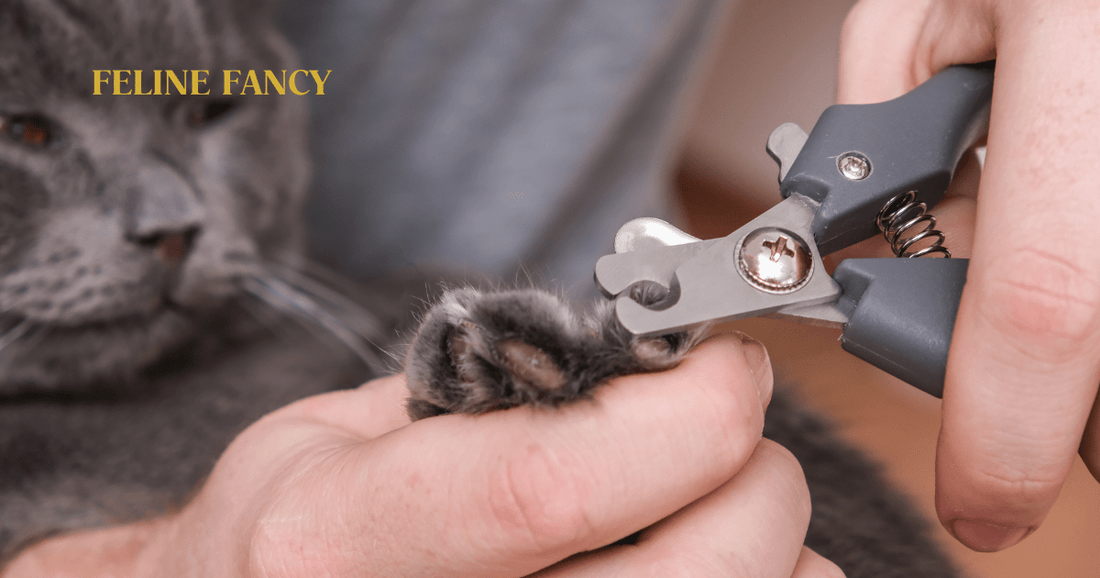
There are several types of nail clippers designed specifically for cats. The most common are the scissor-style clippers, which look like small scissors and provide good control. Another popular choice is the guillotine-style clipper, which has a hole where you insert the nail and a blade that slices through when you squeeze the handles.
Some people prefer electric nail grinders instead of clippers. These gently file down the nails rather than cutting them, which can reduce the chance of accidentally cutting too deep. Have you ever noticed your cat seems less stressed with a grinder compared to clippers?
Essential Accessories For Nail Trimming
Besides clippers, a few accessories can make nail trimming easier. A soft towel or blanket can help you gently restrain your cat if they tend to squirm. You might also want styptic powder or cornstarch nearby to stop bleeding in case you trim too close.
Having treats ready is a smart move. Rewarding your cat immediately after trimming turns the experience into a positive one. What small reward does your cat love most?
Choosing The Right Tool Based On Your Cat’s Personality
Not all cats react the same to nail trimming tools. Some prefer the quick snip of clippers, while others do better with the slower, quieter nail grinders. If your cat is easily frightened, a grinder may be less intimidating because it doesn’t make a sharp cutting noise.
Consider starting with the tool you feel most comfortable using. Your confidence helps your cat feel relaxed. Have you tried different clippers to see which works best for your cat’s temperament?
Step-by-step Nail Trimming Guide
Trimming your cat’s nails can seem daunting, but it doesn’t have to be. A calm, clear approach helps both you and your feline friend stay comfortable throughout the process. Here’s a simple guide to help you trim your cat’s nails safely and confidently.
Preparing Your Cat
Start by choosing a quiet time when your cat feels relaxed, like after a nap or meal. Gently pet and hold your cat’s paws to get them used to the sensation. If your cat resists, try short, positive sessions over several days to build trust.
Gather all your tools before you begin. Use a sharp, cat-specific nail clipper and keep styptic powder nearby in case of small accidents. Setting up a comfortable spot with good lighting makes a big difference.
Proper Trimming Techniques
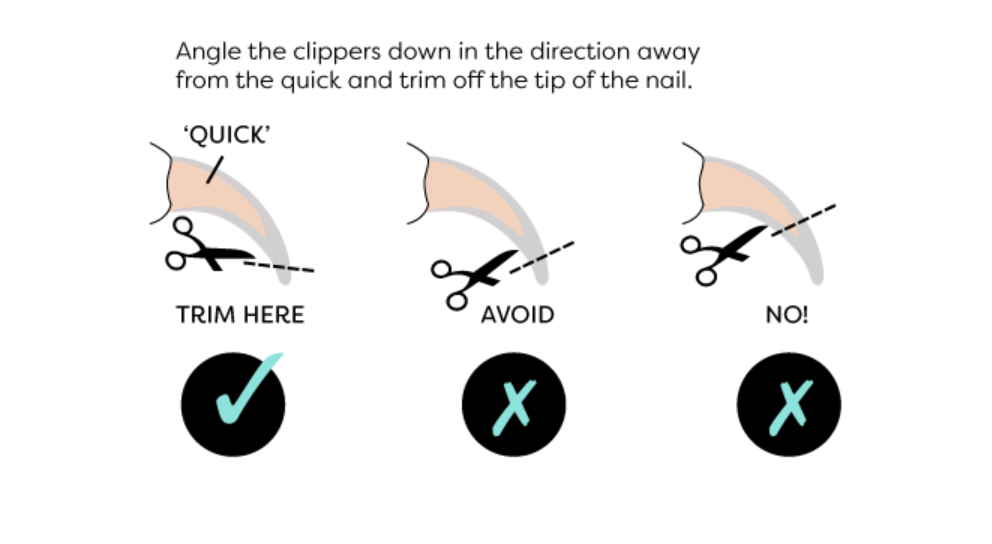
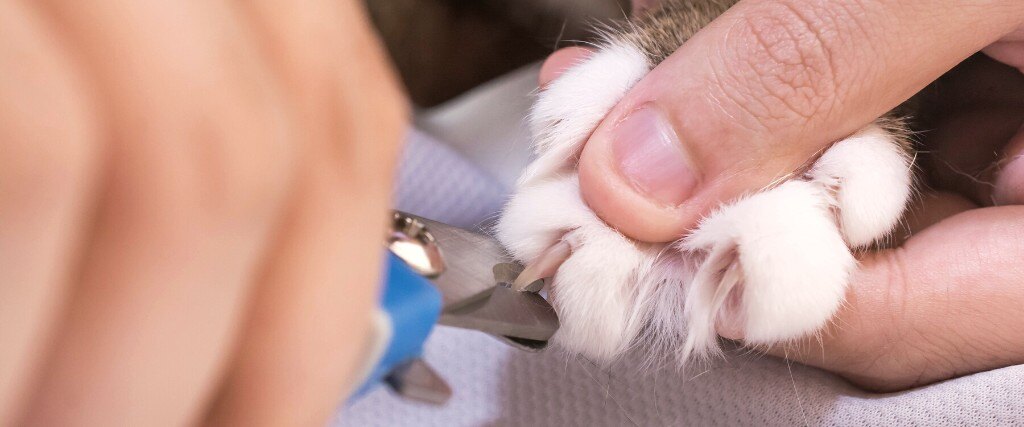
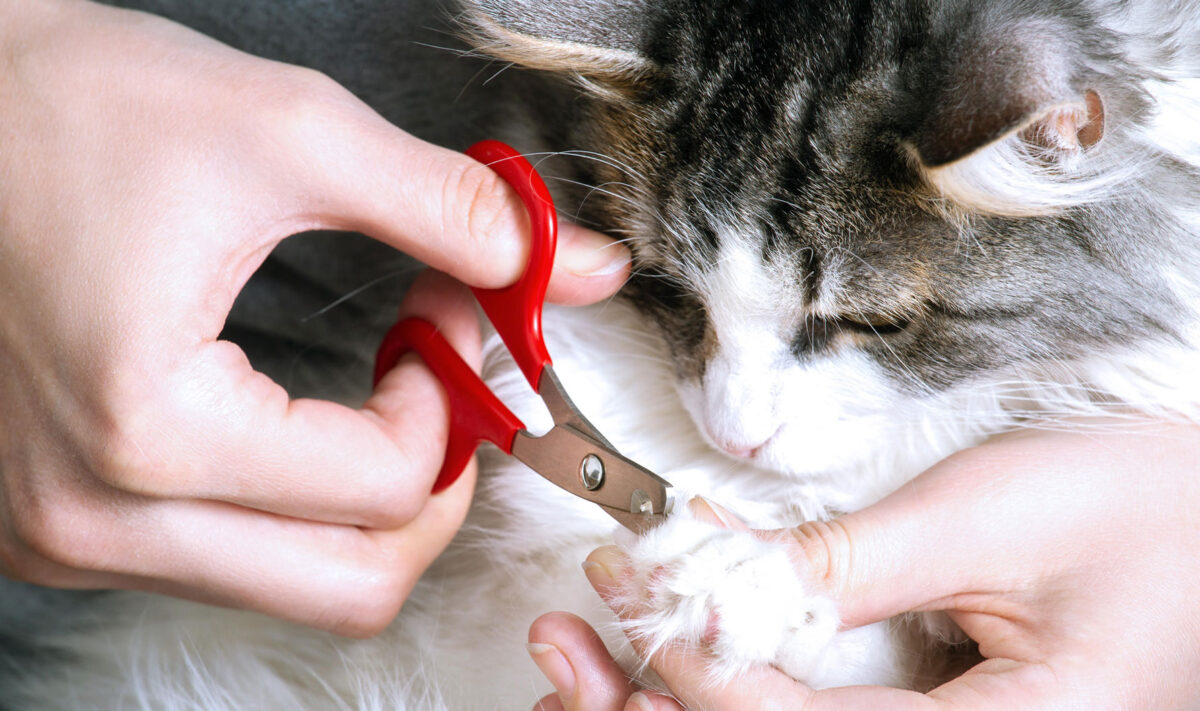
Hold your cat’s paw firmly but gently. Press the pad to extend the nail, then examine it closely. Avoid cutting into the pink quick, which contains blood vessels and nerves.
- Cut only the sharp tip of the nail.
- Trim straight across to prevent splitting.
- If your cat has dark nails, trim small amounts at a time to avoid cutting the quick.
Take breaks if your cat gets restless. Reward them with treats and praise to make the experience positive. Regular trimming every few weeks keeps nails manageable and reduces scratching damage.
Handling Accidents
Accidents happen, and cutting the quick can cause bleeding and discomfort. Don’t panic—apply styptic powder or cornstarch with gentle pressure to stop bleeding quickly. Keep your cat calm and offer soothing words or a favorite treat.
If bleeding doesn’t stop within a few minutes, contact your vet. Avoid using scissors or dull clippers that increase the risk of injury. How do you handle nail-trimming mishaps with your cat? Sharing your tips might help others feel more confident.
Frequency Of Nail Trimming
Trimming a cat’s nails helps keep them healthy and prevents damage. Knowing how often to trim nails is important for every cat owner. Each cat is different. Some need trims more often than others. Regular checks can help decide the right schedule.
Look for nails that touch the floor when the cat stands. Nails that curl or snag on fabrics are too long. Cats scratching furniture more than usual may need trims. Watch your cat’s behavior to catch these signs early.
Typical Nail Trimming Schedule
Most cats need nail trims every 2 to 4 weeks. Indoor cats often need trims more often. Outdoor cats may wear their nails down naturally. Keep a regular routine to avoid overgrown nails.
Factors Affecting Trimming Frequency
- Age: Older cats may need less frequent trims.
- Activity: Active cats wear nails down naturally.
- Environment: Indoor cats often need more care.
- Health: Some health issues affect nail growth.
How To Check Your Cat’s Nails Regularly
Hold your cat’s paw gently and look at the nails. Notice if nails are sharp or long. Check every week or two. Regular checks make trimming easier and less stressful.
Credit: homeatlastrescue.ca
Alternatives To Trimming
Trimming your cat’s nails isn’t the only way to keep those claws in check. Many cat owners find alternatives that protect their furniture and keep their pets comfortable without the stress of clipping. These options can work well, especially if your cat is nervous or resistant to nail trims.
Scratching Posts
Scratching posts are a natural and effective way to manage your cat’s nails. Cats instinctively scratch to shed the outer nail layers and keep their claws sharp and healthy.
Provide a variety of scratching posts around your home—some vertical, some horizontal. Different textures like sisal, carpet, or wood can attract your cat and encourage regular use.
If your cat prefers your couch over the scratching post, try placing the post nearby or rubbing it with catnip. This can redirect their scratching behavior and save your furniture.
Nail Caps
Nail caps are small, soft covers that you glue onto your cat’s claws. They prevent damage from scratching without the need to cut nails.
Applying nail caps requires patience and a steady hand, but once on, they typically last several weeks. Many cat owners notice fewer scratches on furniture and skin after using them.
Think about whether your cat tolerates having something on their paws. If your pet is very active or dislikes anything on their feet, nail caps might take some getting used to.
Addressing Common Concerns
Trimming your cat’s nails often raises questions and worries. It’s normal to feel unsure about how to handle your furry friend’s claws safely and comfortably. Let’s look at some common concerns that many cat owners face and how to manage them effectively.
Dealing With Anxious Cats
Many cats get nervous or scared when you try to trim their nails. If your cat shows signs of stress, try calming techniques like gentle petting or speaking softly before you start. You can also wrap your cat in a towel to keep them secure and reduce sudden movements.
Breaking the nail trimming into short sessions can help. Trim just one or two nails at a time and reward your cat with treats or play. Have you noticed how your cat reacts to different calming methods? Watching closely can guide you to the best approach for your pet.
Avoiding Over-trimming
Cutting too much of the nail can hurt your cat and cause bleeding. The pink part inside the nail, called the quick, is sensitive and should be avoided. If your cat has light-colored nails, the quick is easier to see, but for dark nails, trim small bits at a time to stay safe.
If you’re unsure, use a nail grinder or just file the tips instead of clipping. Keep styptic powder or cornstarch nearby in case of accidental nicks. How confident do you feel about spotting the quick? Taking your time and watching closely can prevent painful mistakes.
Consulting A Professional Groomer
Consulting a professional groomer can make nail trimming easier for both you and your cat. Groomers have the skills and tools to handle pets gently. They know how to trim nails without causing pain or stress.
Professional groomers can also spot nail problems early. Issues like ingrown nails or infections may go unnoticed at home. A groomer can advise on the best care for your cat’s paws.
For cats that resist nail trimming, a groomer offers a calm and safe environment. They use techniques to keep cats relaxed. This helps prevent scratches or injuries during the process.
Benefits Of Professional Nail Trimming
- Reduces risk of cutting too short
- Prevents nail splitting and bleeding
- Ensures nails are trimmed evenly
- Groomers can handle anxious or aggressive cats
What To Expect During A Grooming Session
The groomer will check your cat’s nails and paws. They clean and trim nails carefully. If your cat is nervous, the groomer may take breaks.
Some groomers offer full grooming packages. This may include brushing and bathing. Nail care is part of keeping your cat healthy and comfortable.
Choosing The Right Groomer For Nail Care
- Look for groomers with pet grooming certifications
- Read reviews from other cat owners
- Ask about their experience with cats
- Check if they use safe, cat-friendly equipment
Frequently Asked Questions
How Often Should I Trim My Cat’s Nails?
Trim your cat’s nails every 2 to 4 weeks. Regular trims prevent scratching damage and keep nails healthy. Monitor nail length monthly to decide the best timing.
Can Cats Trim Their Own Nails Naturally?
Cats scratch surfaces to help wear down nails, but this doesn’t replace trimming. Natural scratching helps maintain nails but may not prevent overgrowth or damage.
What Are Signs My Cat’s Nails Need Trimming?
Look for nails that touch the ground or curl inward. Scratching furniture excessively or snagging fabric also signals the need for a trim.
Is It Safe To Trim A Cat’s Nails At Home?
Yes, with proper tools and technique, trimming at home is safe. Use a sharp nail clipper, avoid the quick, and reward your cat to reduce stress.
Conclusion
Trimming your cat’s nails helps keep them healthy and comfortable. It prevents scratches on furniture and skin. Regular trims stop nails from growing too long or curling. Cats may need help, especially indoor ones. Watch your cat’s behavior to know when to trim.
Use proper tools and be gentle. Stay calm and patient during the process. Taking care of nails supports your cat’s overall well-being. Small efforts make a big difference in your cat’s life.
