

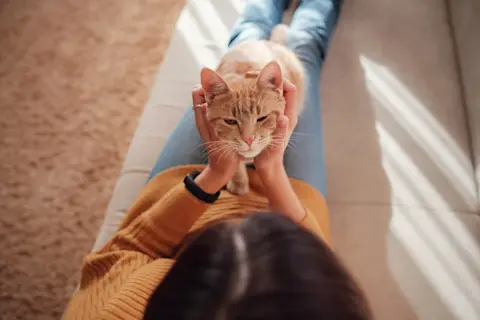
Have you ever wondered if your cat truly knows who you are? That quiet purr or gentle nuzzle might mean more than you think.
Understanding whether cats recognize their owners can change the way you see your furry friend—and deepen the bond you share. Keep reading to discover surprising insights that will make you look at your cat in a whole new light.
Cat Cognition
Cats have a unique way of thinking and understanding their world. Their cognition affects how they recognize people around them. Scientists study cat brains to learn about their mental abilities and behavior. This helps explain if cats truly know their owners and how they react to them.
Understanding Feline Intelligence
Cats use their senses to gather information. They rely on sight, smell, and sound to identify their environment. Their memory helps them remember faces and places. Cats also learn from experience and adapt to new situations.
Problem-solving is part of feline intelligence. Cats figure out puzzles or open doors to get what they want. This shows they can think and plan ahead. Their social intelligence varies, but many cats form strong bonds with humans.
Comparing To Other Pets
Cats have different cognitive skills than dogs or birds. Dogs often respond more to commands and social cues. Cats act more independently and may not always obey. Birds can remember sounds and mimic speech, showing a different type of intelligence.
Each pet has unique mental strengths. Cats excel in observation and stealth. Dogs excel in cooperation and training. Understanding these differences helps appreciate how cats know and relate to their owners.
Credit: www.discovermagazine.com
Recognizing Human Faces
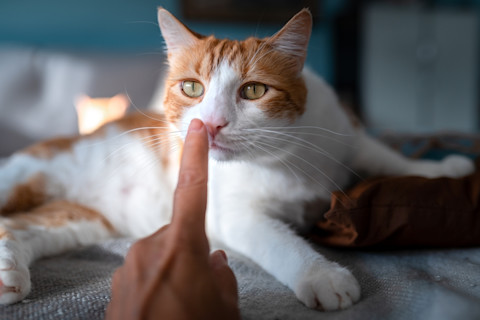
Cats have a unique way of recognizing the people they trust and live with. Unlike dogs, who often rely heavily on their sense of smell, cats use a combination of sight and sound to identify their owners. Understanding how cats recognize human faces helps you strengthen your bond with your feline friend.
How Cats Identify Their Owners
Cats don’t just look at your face like humans do. They observe specific details such as your eyes, nose, and mouth, but also your overall silhouette and movements. This means that your cat connects your face with the way you act and move around the house.
Think about the times your cat seems to recognize you even in a crowd or from a distance. That’s because they pick up on subtle facial features combined with your usual behavior. You might notice your cat’s ears perk up or tail twitch when they spot you, showing they’ve recognized their favorite human.
Role Of Visual And Auditory Cues
Visual cues are important, but cats also rely heavily on auditory signals. Your voice tone, pitch, and the way you call them can trigger recognition just as much as your face does. Cats remember the unique sound of your footsteps and even the way you breathe.
When you speak softly or use a familiar phrase, your cat can instantly tell it’s you. Have you ever noticed your cat coming to you when you whisper their name? That’s their way of responding to auditory recognition.
- Visual cues: facial features, body shape, and movement
- Auditory cues: voice tone, specific sounds, and footsteps
- Behavioral patterns: your daily routines and habits
Understanding these cues can help you communicate better with your cat. Try changing your voice tone or approach to see how your cat responds. It’s a simple way to test how much your feline friend pays attention to you beyond just your face.
Scent And Memory
Cats rely heavily on their sense of smell and memory to recognize their owners. These two senses work together to help cats form strong bonds and feel secure in their environment. Understanding how scent and memory function can give you a clearer picture of your cat’s behavior and attachment to you.
Importance Of Scent Recognition
Cats have an extraordinary sense of smell, much stronger than humans. They use scent to identify people, places, and even emotions. Your unique scent acts like a personal signature that your cat learns to recognize over time.
Think about the last time you wore a new perfume or changed laundry detergent. Did your cat react differently? That’s because they noticed the scent change immediately. This shows how deeply scent influences their recognition of you.
To strengthen your bond, you can gently rub a soft cloth on your skin and leave it near your cat’s favorite resting spot. This helps your cat feel comforted by your scent, even when you’re not around. Have you tried this with your cat?
Memory Retention In Cats
Cats have impressive memory skills, especially when it comes to familiar scents and routines. They can remember your scent for months, which helps them stay connected to you even after separation. This memory retention is key in forming trust and security.
Consider how your cat greets you after a day away. Their memory of your scent and presence triggers a positive response. This is not just habit but a clear sign they remember and recognize you deeply.
To keep your cat’s memory sharp, maintain consistent interactions and environments. Repetition of your scent and voice helps reinforce their recognition. What routines do you have that might be supporting your cat’s memory?

Credit: www.rte.ie
Emotional Bonds
Cats form strong emotional bonds with their owners. These bonds show how much cats recognize and trust people. Emotional connections influence a cat’s behavior and happiness. Understanding these bonds helps owners care for their pets better. Cats express their feelings in quiet, clear ways.
Signs Of Affection
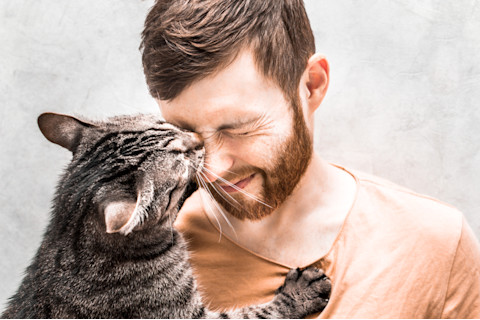
Cats show love through simple actions. They may purr softly when near their owners. Head butting is a way cats say “I trust you.” Slow blinking means a cat feels safe and calm. Some cats follow their owners around the house. Bringing “gifts” like toys or small objects is another sign. These behaviors show a cat’s emotional connection.
Attachment Styles In Cats
Cats have different ways of bonding with humans. Some are very social and seek constant attention. Others may be shy but still feel close inside. Secure attachment means the cat feels safe and relaxed. Anxious cats may hide or act nervous around people. Understanding a cat’s attachment style improves the relationship. Each cat’s bond with its owner is unique and special.
Research Studies
Research into whether cats recognize their owners has uncovered some surprising insights. Scientists have designed experiments to observe how cats respond to their owners’ voices, faces, and scents. These studies reveal much more about feline behavior than many people expect.
Key Findings On Feline Recognition
One study showed that cats can distinguish their owner’s voice from a stranger’s, even if they don’t always react loudly. Their response might be subtle, like turning their ears or eyes toward the sound.
Visual recognition is more complex. Cats may not always look directly at their owner’s face, but they do recognize familiar human features and body language over strangers.
Olfactory cues are crucial too. Cats often rely on scent to identify their people, which explains why they might rub against you to mark you as ‘theirs.’
Implications For Cat Owners
Understanding how cats recognize you can change how you interact with them. If your cat reacts quietly to your voice, don’t mistake silence for indifference. They might be paying attention in their own way.
Try using a consistent tone and scent to strengthen your bond. Simple actions like speaking softly or wearing a familiar perfume can reassure your cat.
Have you noticed your cat’s unique way of showing recognition? Observing these signs can deepen your connection and improve your cat’s comfort and trust around you.
Behavioral Indicators
Behavioral indicators reveal a lot about whether cats truly know their owners. Watching how a cat acts around you can give clear signs of recognition and attachment. These behaviors go beyond simple presence—they show a deeper connection.
Understanding Cat Communication
Cats communicate mostly through body language and subtle vocal cues. You might notice your cat blinking slowly at you, which is a sign of trust. Tail position also tells a story—a raised tail often means your cat feels happy and secure near you.
Pay attention to purring patterns. Cats often purr when they are relaxed, but if your cat purrs while looking at you, it might be a way to express comfort and bonding. Have you ever noticed your cat bringing you “gifts” like toys or even small prey? This behavior is a form of sharing, showing they recognize you as part of their family.
Recognizing Owner-specific Behavior
Your cat likely behaves differently around you compared to strangers. For example, some cats follow their owners from room to room or wait at the door when they know you’re coming home. These actions suggest they recognize your unique scent and presence.
Notice if your cat responds to your voice or footsteps differently than to others. Many cats learn to associate their owner’s specific sounds with safety and food. Have you caught your cat waking up and heading toward the door just as you arrive? That’s a clear sign they know you and anticipate your return.
- Rubbing their face or body against you shows ownership and affection.
- Grooming you or licking your skin is a behavior reserved for close relationships.
- Sleeping on or near you indicates trust and recognition of your protective role.
These behaviors aren’t random; they reflect a cat’s ability to identify and bond with their owner. Next time your cat does something unique just for you, consider it a small but meaningful “hello.”
Myths And Misconceptions
Cats have earned a reputation for being mysterious and aloof, which has sparked many myths about how well they recognize and relate to their owners. These misconceptions often blur the line between feline behavior and human expectations. Understanding the truth behind these myths can help you build a stronger and more meaningful connection with your cat.
Common Myths About Cat Awareness
Many people believe cats don’t recognize their owners because they don’t greet you at the door like dogs. This is not entirely true. Cats show their recognition in quieter, subtler ways, such as following you around or blinking slowly to show trust.
Another widespread myth is that cats only care about food. While treats do get their attention, cats also respond to your voice, scent, and even your mood. Your cat’s behavior might seem indifferent, but often it’s a sign of comfort rather than disinterest.
Some assume cats are completely independent and don’t form bonds with humans. However, research shows cats can develop strong attachments to their owners, much like dogs do. Have you noticed your cat seeking comfort when you’re sad or stressed? That’s a clear sign they know you well.
Debunking Popular Beliefs
- Cats don’t recognize their names:Cats can learn to respond to their names, especially when you consistently use them in a positive context.
- Cats are untrainable:With patience and rewards, cats can learn commands and tricks, showing they understand and pay attention to you.
- Cats only show affection when hungry:Many cats show affection through head butts, purring, and kneading, unrelated to food.
Think about your own cat’s behavior. Have you noticed them come running when you call or curling up beside you after a long day? These moments prove cats are more aware of their owners than many believe.
Next time you catch your cat watching you quietly or nudging your hand, remember: they may be saying more than you think. How will you show your cat you see and appreciate these subtle signs?
Enhancing The Bond
Building a strong connection with your cat goes beyond feeding and petting. Cats pick up on your energy and habits, which can deepen their trust and affection over time. Strengthening this bond makes your cat more likely to recognize and respond to you as their special person.
Tips For Strengthening Cat-human Relationships
Spend quality time with your cat every day. Play with toys that mimic prey, such as feather wands or laser pointers, to engage their natural hunting instincts.
Talk to your cat often using a calm and soothing voice. Cats learn to associate your tone with safety and comfort.
Respect your cat’s space. Let them come to you rather than forcing interaction. This shows you understand their boundaries.
- Offer treats or small snacks during positive interactions to create good associations.
- Groom your cat gently to build trust and comfort.
- Observe their body language to learn what they enjoy and what stresses them.
Creating A Familiar Environment
Cats thrive in consistent surroundings. Keeping their bed, litter box, and feeding area in the same place helps them feel secure.
Use familiar scents like your clothing or a blanket with your smell to reassure your cat. This can strengthen their recognition of you as part of their safe space.
Introduce new items slowly and one at a time to avoid overwhelming your cat. This patience shows you care about their comfort and helps maintain their trust.
Have you noticed how your cat reacts when you’re around versus when you’re away? Creating a stable environment might be the key to making those moments even more special.
Credit: www.discovermagazine.com
Frequently Asked Questions
Do Cats Recognize Their Owners’ Voices?
Yes, cats can recognize their owners’ voices. Studies show cats respond differently to familiar voices compared to strangers. This ability helps them identify and bond with their owners.
How Do Cats Show They Know Their Owners?
Cats show recognition through purring, rubbing, and following their owners. These behaviors indicate trust and familiarity. Cats may also bring gifts or sit close to their owners.
Can Cats Remember Their Owners Over Time?
Cats have good long-term memory for their owners. They remember faces, scents, and routines. This helps maintain strong bonds even after time apart.
Do Cats Respond Differently To Owners And Strangers?
Yes, cats often respond more positively to owners. They may be more relaxed and affectionate with familiar people. Strangers might cause cautious or defensive reactions.
Conclusion
Cats show signs they recognize their owners. They respond to voices and smells. Their behavior often changes around familiar people. This shows a bond, even if subtle. Cats may not act like dogs, but they connect deeply. Understanding this helps us appreciate them more.
Trust and time build this special link. So, yes, cats do know their owners. They just show it in their own way.
