

Have you ever wondered if your cat’s nails really need trimming? You might think they take care of themselves, but those sharp claws can cause more trouble than you expect.
From scratched furniture to accidental injuries, untrimmed nails can affect your cat’s comfort and your home’s safety. You’ll discover why nail care is important, how often you should trim them, and simple tips to make the process easy for both you and your furry friend.
Keep reading to learn how to keep your cat happy and healthy with the right nail care.
Credit: leospetcare.com
Why Cats’ Nails Matter
Cats use their nails for many important tasks. These small claws help cats climb, hunt, and protect themselves. Healthy nails keep cats comfortable and active. Trimming nails is part of caring for your cat’s well-being.
Understanding why cats’ nails matter can help you keep your pet happy and safe. Nails that are too long can cause pain or injury. Regular care prevents problems before they start.
Cat Nails Help With Movement And Balance
Cats rely on their nails to move easily. Nails provide grip on slippery surfaces. They help cats jump and land safely. Without proper nail care, cats may struggle to walk or run.
Nails Are Tools For Hunting And Playing
Cats use nails to catch prey and play with toys. Sharp nails make it easier to hold objects. They also help cats sharpen their claws naturally. Keeping nails healthy supports natural behavior.
Nails Protect Cats From Injury
Cats use their nails to defend themselves. Sharp nails can deter other animals. Nails also protect sensitive paw pads. Proper nail length reduces the risk of scratches or wounds.
Long Nails Can Cause Health Problems
Overgrown nails can curl and grow into the paw. This can cause pain and infection. Long nails may affect walking and posture. Regular trimming avoids these common issues.
Trimming Nails Supports Your Cat’s Comfort
Well-maintained nails prevent snagging on fabrics or furniture. Trimmed nails reduce scratching damage to your home. Most cats feel better with regular nail care. It helps keep their paws healthy and pain-free.

Credit: www.reddit.com
Signs Cats Need A Nail Trim
Knowing when your cat needs a nail trim can save you from dealing with painful scratches and furniture damage. Cats don’t always show obvious signs, so it’s important to watch closely for subtle hints. Paying attention to these signs will help you keep your cat comfortable and your home safe.
Visible Overgrowth Of Nails
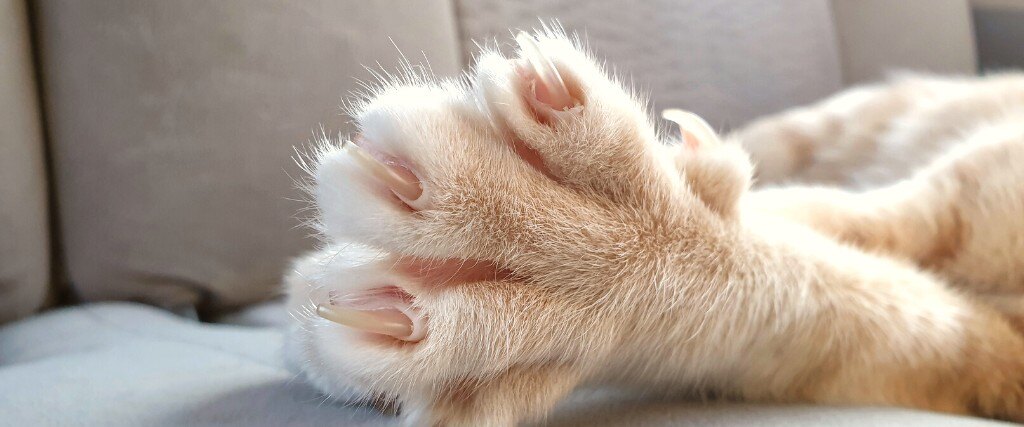
If your cat’s nails look long or curved beyond the paw pads, it’s time for a trim. Overgrown nails can curl and grow into the paw, causing pain or infection. You might notice your cat walking differently or favoring one paw due to discomfort.
Scratching Furniture More Aggressively
Have you seen your cat scratching furniture more often or with extra force? This could mean their nails are too long and they’re trying to file them down. If trimming nails reduces this behavior, it’s a clear sign your cat needs regular maintenance.
Snagging On Fabrics Or Carpets
When nails catch on your clothes, blankets, or carpet fibers, it’s a warning. Snagging can hurt your cat’s nails and skin, leading to tears or breaks. You might notice your cat pulling their paws back suddenly during play or grooming.
Reluctance To Walk Or Jump
Your cat may avoid jumping on furniture or walking normally if their nails are painful. Watch for hesitations or limping. This behavior often signals that the nails have grown too long and are causing discomfort.
Increased Paw Licking Or Biting
If your cat is licking or biting their paws more than usual, inspect their nails closely. They might be trying to soothe irritation from overgrown or broken nails. This habit can lead to sores or infections if the nails aren’t trimmed in time.
Benefits Of Regular Nail Trimming
Regular nail trimming offers many benefits for your cat’s health and comfort. It keeps their claws at a safe length, preventing damage to furniture and skin. Trimming nails can reduce the risk of painful breaks and infections. Cats feel more relaxed and move easily with well-maintained nails.
Routine nail care also helps you spot other health issues early. You can check for swelling, redness, or signs of injury around the paws. This simple habit supports your cat’s overall well-being and happiness.
Prevents Overgrown Nails
Overgrown nails can curl and grow into the paw pads. This causes pain and infection. Regular trimming stops nails from becoming too long. Your cat can walk and run without discomfort or injury.
Protects Furniture And Belongings
Sharp claws can scratch furniture, carpets, and curtains. Keeping nails short reduces damage around the home. It saves money and keeps your living space neat.
Reduces Risk Of Injuries
Long nails can catch on fabrics or surfaces. This can tear skin or break nails. Trimming lowers the chance of painful injuries to paws and toes.
Improves Cat’s Comfort And Mobility
Cats move more easily with trimmed nails. They can stretch, climb, and play without pain. Healthy nails help maintain an active lifestyle.
Helps Detect Paw Health Issues Early
Trimming nails gives a chance to examine paws closely. You can find cuts, swelling, or infections early. Early detection leads to faster treatment and recovery.
Choosing The Right Tools
Choosing the right tools makes nail trimming easier and safer for cats. The right tools protect your cat’s nails and reduce stress during the process. Using sharp, well-designed tools helps you cut nails cleanly without crushing them. Some tools suit certain cat sizes and nail types better than others. Invest in quality tools for a smooth trimming experience.
Types Of Nail Trimmers For Cats
- Guillotine clippers: Small hole for nail insertion, easy to control.
- Scissor clippers: Look like small scissors, good for thicker nails.
- Electric grinders: Smooth nail edges, reduce sharpness after trimming.
Features To Look For
- Sharp blades for clean cuts without splintering.
- Comfortable grip to hold tools steady during trimming.
- Safety guards to prevent cutting too deep into nails.
- Compact size for easy handling and control.
Choosing The Best Tool For Your Cat
Small cats often do well with guillotine clippers. Larger cats with thick nails might need scissor clippers. Electric grinders suit cats sensitive to clipping sounds. Try different tools gently to see what your cat prefers. Always pick tools that feel comfortable and safe for both you and your cat.
Step-by-step Trimming Guide
Trimming your cat’s nails can feel daunting at first, but having a clear, simple plan makes the process smoother for both of you. This step-by-step guide breaks down the key moments, from getting your cat ready to clipping the nails safely. You’ll learn how to create a calm environment and use the right technique to keep your cat comfortable and injury-free.
Preparing Your Cat
Start by letting your cat get used to having their paws touched. Gently hold their paw and stroke their toes for a few seconds. If your cat pulls away, don’t force it—try again after a short break.
Use treats or soft praise to reward calm behavior. This positive association makes your cat more willing to cooperate next time. Have the nail clippers ready but out of sight until your cat is relaxed.
Finding A Comfortable Position
Choose a quiet place where your cat feels safe. Sitting on your lap or a soft surface often works well. You might find your cat prefers lying on their side or sitting upright, so observe what they tolerate best.
If your cat resists, ask a friend to help hold them gently. Wrapping your cat in a towel can prevent sudden movements and protect you from scratches. Keep your tone calm and speak softly to ease any tension.
Proper Clipping Technique
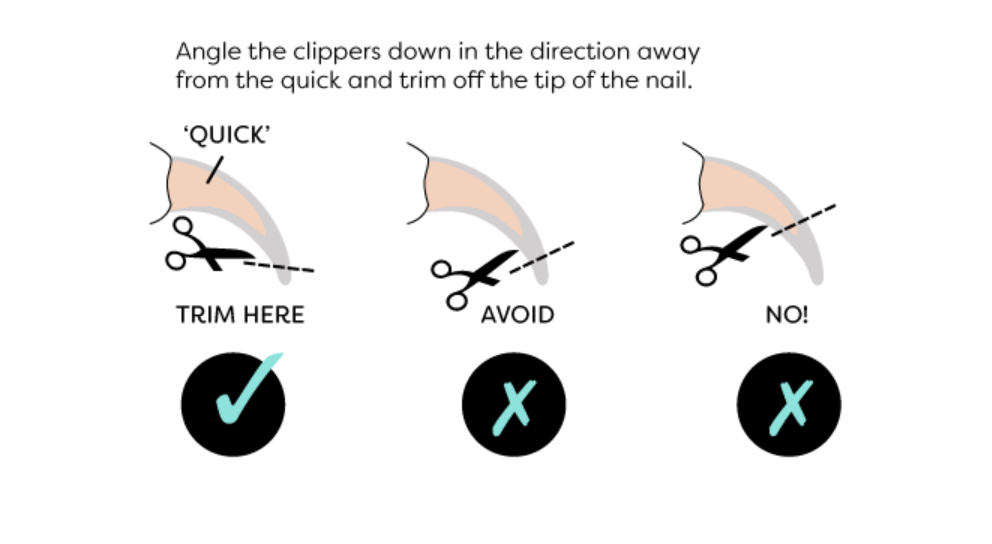
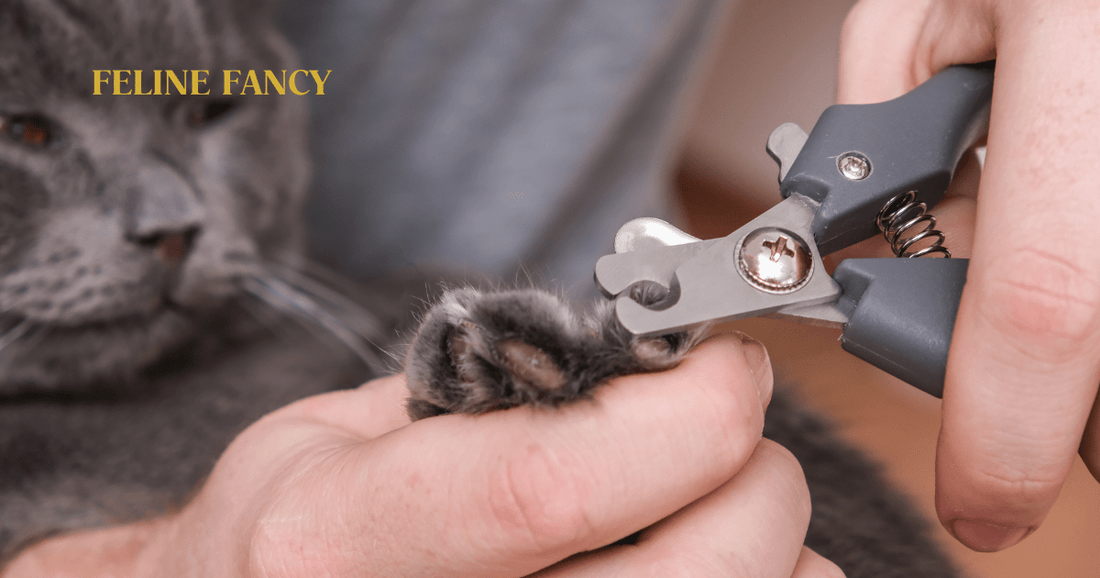
Hold your cat’s paw firmly but gently. Identify the quick—the pink area inside the nail that contains nerves and blood vessels. Avoid cutting into the quick to prevent pain and bleeding.
Trim only the sharp tip of each nail at a slight angle. Use sharp, cat-specific nail clippers for a clean cut. If you’re unsure, trim a tiny bit and check the nail’s cross-section before continuing.
Have styptic powder or cornstarch nearby in case of accidental bleeding. Pause between nails to offer reassurance or a treat. This keeps your cat calm and makes the experience less stressful for both of you.
Handling Resistant Cats
Some cats resist nail trimming strongly. They may scratch, hide, or struggle. Patience and gentle handling help reduce stress. Understanding cat behavior makes trimming easier.
Using Positive Reinforcement
Reward your cat with treats during and after trimming. Speak softly and praise calm behavior. Use toys to distract and relax your cat. Practice handling paws daily to build trust. Small rewards encourage cooperation over time.
Seeking Professional Help
Some cats need a vet or groomer for nail care. Professionals have tools and experience to trim safely. They handle nervous cats with calm and skill. Regular visits keep nails healthy without stress. Ask your vet for advice if trimming is too hard.
Common Mistakes To Avoid
Trimming your cat’s nails can be tricky, and making mistakes could stress both you and your furry friend. Avoiding common errors helps keep the experience safe and comfortable. Let’s look at some pitfalls you should watch out for when clipping your cat’s claws.
Cutting Too Close To The Quick
The quick is the pink part inside the nail containing nerves and blood vessels. Cutting into it causes pain and bleeding. To prevent this, only trim the sharp tip and avoid cutting too deep.
If your cat’s nails are dark and you can’t see the quick clearly, trim small amounts gradually. Have styptic powder nearby to stop bleeding just in case.
Ignoring Your Cat’s Comfort Signs
Watch your cat’s body language carefully. If your cat struggles, hisses, or pulls away, it means they’re uncomfortable or scared. Pushing through these signs can damage your bond and make future trims harder.
Pause and give your cat a break if needed. Try trimming nails in short sessions rather than all at once.
Using Improper Tools
Using scissors or dull clippers can crush the nail instead of cutting cleanly. This causes pain and splits. Invest in a sharp nail clipper designed for cats to ensure a smooth cut.
Keep your tools clean and sharp. Dull blades increase the risk of injury and make trimming stressful for your cat.
Skipping Regular Trims
Waiting too long between trims makes nails grow too long and sharp. Long nails can snag on furniture or cause discomfort when walking. Set a regular schedule to keep nails at a safe length.
Try trimming every two to three weeks. This prevents nails from becoming a problem for your cat and your home.
Not Providing Positive Reinforcement
Trimming nails can be stressful unless you make it a positive experience. Reward your cat with treats, praise, or playtime after each session. This helps your cat associate nail trimming with good things.
Have you noticed how your cat’s attitude changes after a treat? Using rewards can turn nail trimming from a battle into a bonding moment.
Frequency Of Nail Trimming
Trimming your cat’s nails regularly keeps them healthy and comfortable. The right frequency depends on your cat’s lifestyle and activity level. Some cats wear down their nails naturally. Others need more frequent trims.
Overgrown nails can cause pain or injury. They may also damage furniture or skin. Regular trims prevent these problems and keep claws sharp but safe.
Indoor Cats Vs Outdoor Cats
Indoor cats usually need their nails trimmed more often. They don’t have rough surfaces to wear down their claws. Outdoor cats often keep their nails short from climbing and walking on hard surfaces.
Signs Your Cat Needs A Nail Trim
- Claws curl or grow into paw pads
- Scratching furniture more than usual
- Difficulty walking or running
- Visible sharp tips or cracking nails
Recommended Trimming Schedule
Most cats benefit from nail trimming every 2 to 4 weeks. Watch your cat’s nails weekly. Trim if you see sharp tips or curling. Some cats may need trims every week. Others can go a month or more without issues.
Health Concerns Related To Overgrown Nails
Overgrown nails in cats can lead to several health problems. These issues affect your cat’s comfort and mobility. Regular nail trimming helps prevent these concerns.
Increased Risk Of Pain And Discomfort
Long nails can curl and dig into your cat’s paw pads. This causes pain and can lead to infections. Cats may limp or avoid using the affected paw.
Higher Chance Of Infections
When nails grow too long, they can break or split. Broken nails create open wounds that invite bacteria. Infections can cause swelling and redness around the nail.
Joint And Posture Problems
Overgrown nails affect how cats walk and stand. This changes their posture and puts stress on joints. Over time, it can lead to arthritis or other joint pain.
Damage To Furniture And Skin
Long nails make scratching more damaging. Cats may accidentally hurt themselves or damage household items. Proper nail care reduces the risk of such accidents.
Credit: felinefancy.co.uk
Alternatives To Trimming
Trimming your cat’s nails isn’t the only way to keep their claws in check. If you or your feline friend find nail trimming stressful, there are effective alternatives that can protect your furniture and keep your cat comfortable. These options can complement or even replace regular trims, depending on your cat’s needs.
Scratching Posts
Scratching posts are a natural way for cats to manage their nails. They help shed the outer layers of the claw, which can reduce sharpness and length over time.
Place scratching posts in areas where your cat spends the most time. You can encourage use by sprinkling catnip or rewarding your cat when they scratch there.
Have you noticed how some cats prefer vertical posts while others like horizontal surfaces? Offering a variety can make a big difference in keeping your cat engaged and their nails healthy.
Nail Caps
Nail caps are small, soft covers that you can glue over your cat’s claws. They prevent damage from scratching without restricting the cat’s natural movements or claw growth.
Applying nail caps takes patience, but many owners find it easier than regular trimming. They usually last for a few weeks before needing replacement.
Consider nail caps if your cat is particularly destructive or if you want to protect sensitive skin around the house. Have you tried them before, or would you be open to giving them a shot?
Frequently Asked Questions
Do Indoor Cats Need Nail Trimming Regularly?
Yes, indoor cats still need regular nail trimming. They don’t wear down nails naturally like outdoor cats. Trimming prevents damage to furniture and reduces scratching injuries.
How Often Should I Trim My Cat’s Nails?
Trim your cat’s nails every 2 to 4 weeks. Frequency depends on activity level and nail growth. Regular trims keep nails healthy and prevent overgrowth or splitting.
Can Trimming Cat Nails Prevent Scratching Behavior?
Yes, trimming nails reduces damage from scratching. It doesn’t stop scratching but makes it less harmful. Provide scratching posts to satisfy your cat’s natural urge.
Is It Safe To Trim My Cat’s Nails At Home?
Yes, it is safe if done carefully. Use proper clippers and avoid the quick, the sensitive part inside the nail. If unsure, ask a vet for guidance.
Conclusion
Cats need their nails trimmed to stay healthy and safe. Long nails can cause pain or injury. Regular trimming helps avoid damage to furniture and skin. It keeps your cat comfortable and active. Trimming nails is simple with patience and care.
Keep a close eye on nail length often. Your cat will thank you with happy purrs and play. Small steps make a big difference in their well-being. Nail care is part of loving your pet every day.
