

Are you wondering if your house cat really needs vaccinations? You want to keep your furry friend safe and healthy, but it’s easy to feel unsure about what’s necessary.
Vaccinations can protect your cat from serious diseases, but you might ask—are they truly essential for indoor cats? You’ll discover why vaccinating your cat is more important than you might think, how it benefits both your pet and your family, and what you need to know to make the best decisions.
Keep reading to learn how a simple visit to the vet can make a big difference in your cat’s life.

Credit: millsanimalhospital.com
Importance Of Vaccination For Cats
Vaccination plays a vital role in keeping house cats healthy. It protects them from many dangerous diseases. Cats live closely with humans and other animals. This close contact increases their risk of catching infections.
Vaccines help the cat’s immune system fight harmful germs. They reduce the chance of serious illness and death. Vaccinated cats are less likely to spread diseases to other pets or people. This makes vaccination important for the whole household.
Protecting Cats From Common Diseases
Vaccines shield cats against common and serious illnesses. These include feline distemper, calicivirus, and rabies. Without vaccines, cats can suffer severe symptoms or even die. Vaccination lowers the chance of outbreaks in pet communities.
Supporting Long-term Health And Longevity
Healthy cats live longer, happier lives. Vaccination prevents diseases that shorten a cat’s lifespan. Regular shots help maintain strong immunity over the years. This means fewer vet visits and less stress for pets and owners.
Reducing Veterinary Costs
Treating diseases is often expensive and difficult. Vaccines cost less than treating a serious infection. Prevention saves money on medicines, hospital stays, and special care. Vaccinated cats require fewer emergency visits and medical procedures.
Protecting Other Pets And Humans
Some cat diseases can spread to other animals and people. Vaccinating cats helps stop these infections from spreading. It creates a safer environment for pets, children, and adults. This is especially important for families with multiple pets.
Credit: triangleanimalclinic.com
Common Cat Vaccines
Understanding the vaccines your cat needs can feel overwhelming, but knowing the difference between core and non-core vaccines helps you make the best decisions for your furry friend’s health. Vaccines protect cats from serious diseases and can save you from costly vet bills later on. Let’s break down the common vaccines that every cat owner should know about.
Core Vaccines
Core vaccines are essential for all cats, regardless of their lifestyle. They protect against diseases that are widespread and potentially fatal.
- Rabies:This vaccine is crucial because rabies is deadly and can spread to humans. Many places legally require it, so your cat needs protection here.
- Feline Herpesvirus (FHV-1) and Calicivirus (FCV):These viruses cause upper respiratory infections. Without vaccination, your cat could suffer from recurring illnesses that affect their quality of life.
- Feline Panleukopenia (FPV):Also known as feline distemper, this disease is highly contagious and often fatal, especially in kittens.
I remember my cat Max had a mild case of respiratory infection, but thanks to his vaccines, it was manageable and didn’t turn severe. This experience showed me how core vaccines can make a real difference.
Non-core Vaccines
Non-core vaccines are given based on your cat’s lifestyle and risk factors. Not every cat needs these, but some can benefit greatly.
- Feline Leukemia Virus (FeLV):Recommended for cats that go outdoors or live with other cats. FeLV can cause cancer and weaken the immune system.
- Feline Immunodeficiency Virus (FIV):This vaccine is less common but may be suggested if your cat is at high risk of exposure through fights or outdoor interactions.
- Bordetella:Usually for cats in shelters or multi-cat environments where respiratory infections spread easily.
Think about your cat’s daily routine. Do they explore outside, interact with other cats, or live in a busy household? These questions help determine if non-core vaccines are necessary.
Risks Of Not Vaccinating
Choosing not to vaccinate your house cat can lead to serious problems. Vaccines protect cats from many deadly diseases. Skipping vaccinations puts your cat at risk and can cause other issues too.
Health Risks
Unvaccinated cats are vulnerable to infections. Diseases like feline leukemia and rabies can be fatal. Illnesses spread easily among cats without protection. Your cat may suffer severe symptoms and long recovery times. Some diseases have no cure, only prevention through vaccines.
Infections can also spread to other pets and humans. Vaccinations create a shield that keeps your cat and family safe. Without vaccines, the chance of outbreaks increases in your home and community.
Legal Implications
Many places require cats to have certain vaccinations by law. Rabies shots are often mandatory. Not vaccinating may lead to fines or legal trouble. Authorities may also require quarantine for unvaccinated cats after exposure to disease.
Failing to follow vaccination laws can limit your cat’s access to boarding, grooming, and vet services. Vaccines prove your cat meets health standards. Keeping your cat vaccinated avoids legal headaches and ensures better care options.
Frequency Of Vaccination
Understanding how often your cat needs vaccinations is essential for keeping them healthy. Vaccination schedules vary depending on your cat’s age and health status. Knowing the right timing helps you avoid over or under vaccinating, both of which can have consequences.
Kitten Vaccination Schedule
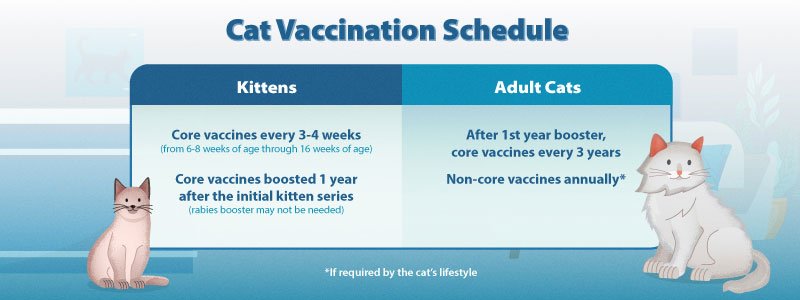
Kittens require a series of vaccinations because their immune systems are still developing. Typically, the first round starts at 6 to 8 weeks of age, followed by boosters every 3 to 4 weeks until they reach about 16 weeks old.
This schedule protects them from common diseases like feline distemper and respiratory infections during their most vulnerable months. Missing any dose can leave your kitten at risk, so sticking to this timeline is crucial.
Have you ever noticed how fast kittens grow? Their immune system grows just as fast, which is why timely vaccines are so important.
Adult Cat Booster Shots
Once your cat reaches adulthood, vaccinations don’t stop but the frequency decreases. Most adult cats need booster shots every 1 to 3 years, depending on the vaccine and your vet’s advice.
Booster shots keep their immunity strong against diseases they were vaccinated against as kittens. Your vet will recommend a schedule based on your cat’s lifestyle, such as indoor-only or outdoor access.
Think about your cat’s daily environment—does it expose them to other animals or outdoor risks? This will influence how often boosters are necessary.
Potential Side Effects
Vaccinating house cats is important for their health, but some cats may experience side effects. These reactions are usually mild and short-lived. Serious problems are very rare. Knowing what to expect helps you care for your cat better after vaccination.
Mild Reactions
Most cats have mild reactions to vaccines. These signs often appear within 24 hours and go away quickly. Common mild reactions include:
- Soreness or swelling at the injection site
- Lethargy or tiredness
- Loss of appetite
- Mild fever
- Sneezing or mild cough (for nasal vaccines)
These symptoms usually last one or two days. You can help your cat rest and drink plenty of water during this time.
Severe Reactions
Severe reactions are very uncommon but need immediate care. Signs include:
- Swelling of the face, lips, or eyes
- Difficulty breathing or wheezing
- Severe vomiting or diarrhea
- Collapse or weakness
- Seizures
If your cat shows any of these signs after vaccination, contact your veterinarian right away. Early treatment can prevent serious complications.
Credit: spallandharveyanimalhospital.ca
Indoor Vs Outdoor Cats
Deciding whether your cat needs vaccinations often depends on whether they live indoors or outdoors. Each lifestyle exposes cats to different risks, which means their vaccination needs can vary significantly. Understanding these differences helps you protect your feline friend effectively.
Exposure Risks
Outdoor cats face more dangers from other animals, wild or domestic. They can come into contact with viruses like rabies or feline leukemia through fights or hunting. Indoor cats are generally safer but still at risk from diseases brought in on shoes, clothes, or even other pets.
Think about your own cat’s routine. Does your cat sneak outside sometimes, or do you often have visitors who bring in new germs? These habits change the exposure risk and should influence vaccination choices.
Different Vaccination Needs
Outdoor cats usually need a broader range of vaccines to cover diseases they might encounter. These often include rabies, feline leukemia virus (FeLV), and feline immunodeficiency virus (FIV). Some vaccines are essential for all cats, like those against feline distemper and respiratory infections.
Indoor cats might require fewer vaccines but should never skip core ones. Your vet might recommend fewer booster shots or additional vaccines based on your cat’s health and environment. Have you talked to your vet about what vaccines fit your cat’s lifestyle best?
Consulting Your Veterinarian
Consulting your veterinarian is the best way to determine the right vaccination approach for your house cat. Vets bring expertise that goes beyond general advice, considering your cat’s unique health, lifestyle, and environment. This personalized guidance helps you protect your feline friend effectively without unnecessary treatments.
Tailored Vaccination Plans
Your cat’s vaccination schedule shouldn’t be one-size-fits-all. A veterinarian will evaluate factors like your cat’s age, health history, and risk of exposure to certain diseases.
For example, indoor cats might need fewer vaccines compared to those that go outdoors frequently. Your vet may also adjust timing and vaccine types based on your cat’s immune response or previous reactions.
Have you ever wondered if skipping a vaccine could leave your cat vulnerable? Tailored plans ensure you only get what’s essential, balancing protection with your cat’s well-being.
Addressing Concerns
It’s normal to have questions or worries about vaccine safety and side effects. Your vet can provide clear, evidence-based answers to ease your mind.
They can explain common reactions, like mild soreness or fatigue, and how to spot serious issues early. Sharing your cat’s medical history also helps them recommend the safest options.
Don’t hesitate to bring up any doubts during your visit. Open communication with your vet builds trust and helps you make confident decisions for your cat’s health.
Frequently Asked Questions
Do All House Cats Need Vaccinations?
Yes, all house cats should be vaccinated to protect against common diseases. Vaccinations help prevent infections even in indoor cats.
What Vaccines Are Essential For Indoor Cats?
Core vaccines for indoor cats include rabies, feline herpesvirus, calicivirus, and panleukopenia. These protect against serious illnesses.
How Often Should Cats Receive Booster Shots?
Cats typically need booster shots every one to three years, depending on the vaccine and vet recommendations.
Are Cat Vaccinations Safe For All Ages?
Yes, vaccinations are safe for kittens and adult cats when given at the right age and by a vet.
Conclusion
Vaccinating house cats keeps them healthy and safe. It helps stop serious diseases from spreading. Regular shots protect your pet and others around them. Talk to your vet to find the right vaccines. Staying up to date with vaccinations is a smart choice.
It gives you peace of mind and your cat a better life. Protect your furry friend with simple, important care. Healthy cats mean happy homes.
