

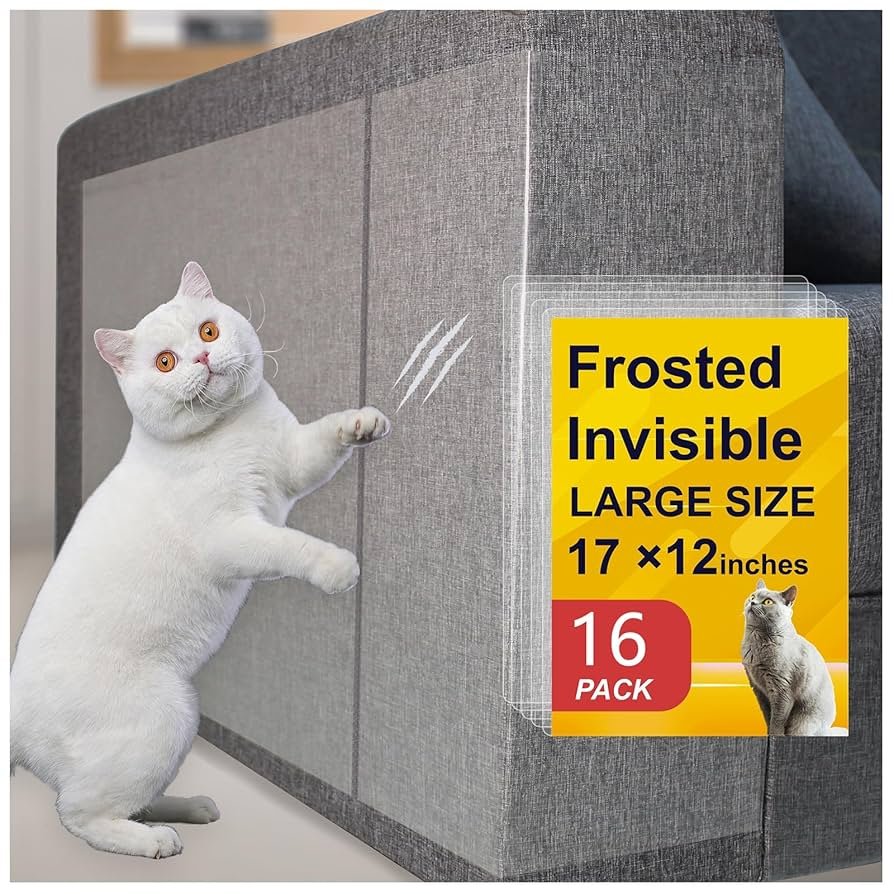
Are you tired of waking up to shredded sofas and scratched-up chairs? You love your cat, but their scratching habits are driving you crazy.
Luckily, stopping your cat from ruining your furniture doesn’t have to be a battle. You’ll discover simple, effective ways to protect your home while keeping your furry friend happy. Keep reading, because the solution is easier than you think—and your furniture will thank you.
Credit: www.ysdiecut.com
Why Cats Scratch
Understanding why your cat scratches is the first step to protecting your furniture. Scratching is more than just a quirky habit; it’s a natural behavior with several important purposes. Once you know why your cat scratches, you can better address the problem and keep your home intact.
Instinctual Behavior
Scratching is an instinct for cats. It helps them keep their claws sharp and healthy. Have you ever noticed your cat stretching and scratching right after waking up? That’s because it’s a way for them to exercise their muscles and keep their claws in good shape.
Think about how cats in the wild use scratching to climb trees or catch prey. Your cat’s scratching is a natural extension of those survival habits, even if they live indoors.
Territorial Marking
Scratching is also a way your cat marks its territory. Cats have scent glands in their paws that leave a unique smell when they scratch surfaces. This tells other animals—and even other cats in your home—that this space belongs to them.
If your cat scratches your furniture, it’s not just random damage; it’s their way of saying, “This is my space.” Recognizing this can help you provide alternative places where your cat can mark comfortably, like a scratching post.
Physical And Mental Health
Scratching isn’t just physical—it’s good for your cat’s mental health too. It relieves stress and provides stimulation. Cats that don’t get enough scratching outlets might act out by scratching your furniture or even become anxious.
Have you noticed your cat scratching more during certain times, like when you’re busy or away? That’s a sign they need more mental and physical engagement. Giving them proper scratching options helps keep them calm and happy.

Credit: www.amazon.com
Choosing The Right Scratching Post
Choosing the right scratching post can make a huge difference in protecting your furniture. Cats have unique preferences, and finding the perfect post can redirect their scratching instincts away from your sofa or curtains. Understanding what your cat likes and needs is the key to success.
Material Preferences
Cats often prefer certain materials for scratching. Sisal is a favorite because it’s rough and durable, mimicking tree bark. Carpet can work, but some cats avoid it if they’re used to scratching wood or cardboard.
Try observing your cat’s current scratching spots. Are they drawn to soft or rough surfaces? Offering a variety of materials, like corrugated cardboard, sisal, and wood, can help you discover which one your cat prefers.
Size And Stability
Your cat needs a scratching post that feels secure. A wobbly or short post won’t satisfy their need to stretch and dig in. Posts that are too small can frustrate your cat and push them back to your furniture.
Look for a post that’s tall enough for your cat to fully stretch. Heavy bases or wall-mounted options provide stability. Think about your cat’s size—larger cats need sturdier, taller posts.
Placement In The Home
Where you put the scratching post matters a lot. Cats like to scratch in areas they spend time or near their sleeping spots. Placing the post next to your cat’s favorite resting place increases the chance they’ll use it.
Try putting the post near furniture your cat currently scratches. You can even move the post gradually to a better spot once your cat starts using it regularly. Does your cat prefer quiet corners or busy areas? Tailor the placement to their personality.
Training Techniques
Training your cat to stop scratching the furniture takes effort, but it’s definitely doable with the right techniques. The key is to guide your cat’s behavior gently and effectively. You want to help your cat understand what’s okay to scratch without causing stress for either of you.
Positive Reinforcement
Reward your cat immediately when it scratches the right surface, like a scratching post. Use treats, gentle petting, or praise to encourage this behavior. Cats respond well to positive feedback, so make sure to catch them in the act and reward consistently.
Try placing scratching posts near their favorite furniture spots. When they use the post, give them a tasty treat or playtime with their favorite toy. This way, they learn that scratching the post brings rewards, not the couch.
Using Deterrents
Deterrents can help redirect your cat’s scratching away from your furniture. Sticky tape on furniture corners or commercial pet deterrent sprays make surfaces less appealing to scratch. Cats dislike the sticky feeling or scent, so they usually avoid those spots.
Another trick is to cover furniture with a sheet or blanket temporarily. This breaks the habit by making the surface less inviting. You can also try aluminum foil or double-sided tape, which many cats avoid due to texture or noise.
Consistency And Patience
Changing a cat’s behavior isn’t instant. Be patient and consistent with your training approach every day. Cats learn best when the rules don’t change and the rewards stay the same.
Keep scratching posts clean and appealing to maintain your cat’s interest. If you slip up and don’t reward good behavior or fail to deter bad scratching, your cat might get confused. How often do you check your cat’s favorite spots to ensure they’re using the right surfaces?

Credit: www.amazon.com
Protecting Furniture
Protecting your furniture from cat scratches is essential to keep your home looking neat and your pets happy. Scratching is a natural behavior for cats, so the goal is to redirect this instinct rather than trying to stop it entirely. You can create a cat-friendly environment while shielding your valuable pieces using a few effective strategies.
Covers And Protectors
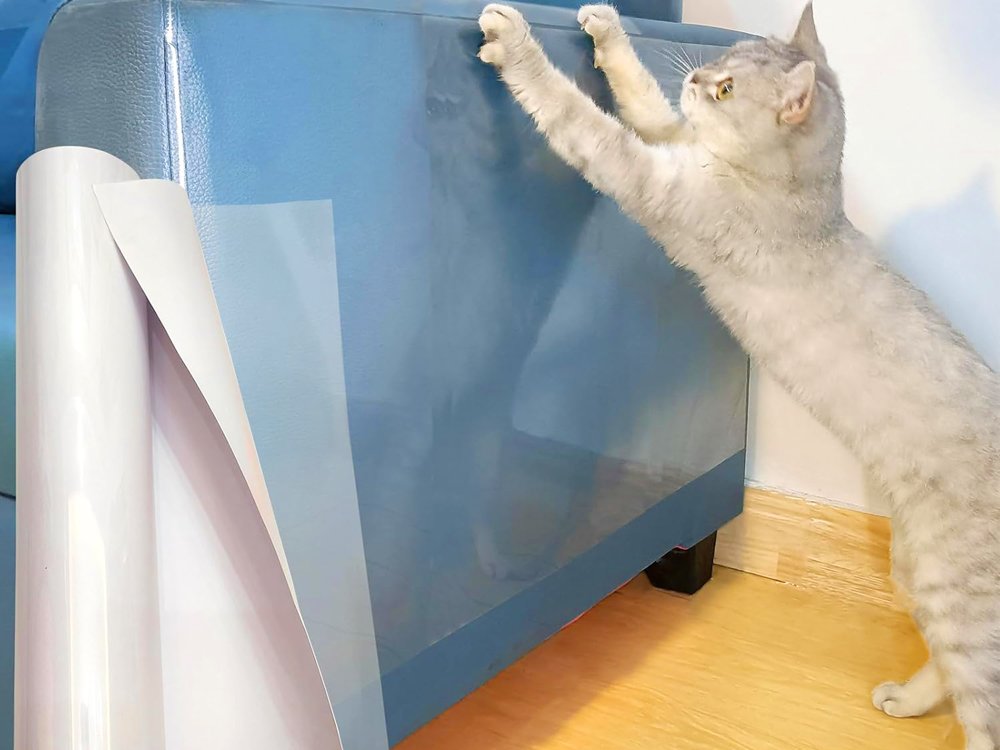
Using covers and protectors is a straightforward way to defend your furniture. Slipcovers made of tough fabrics like microfiber or leather can resist claws better than delicate materials. You can also buy clear plastic guards or adhesive strips designed specifically to block scratching.
Think about placing these covers on the corners of sofas or armrests where cats usually scratch. Have you noticed your cat preferring one spot? Targeting that area first can save you time and money. Plus, these protectors often come off easily for cleaning and don’t damage your furniture underneath.
Scent-based Deterrents
Cats have a strong sense of smell, which you can use to your advantage. Certain scents like citrus, eucalyptus, or lavender naturally repel many cats. Spraying a safe, scent-based deterrent on your furniture can discourage your cat from scratching those areas.
Try combining these sprays with positive reinforcement, rewarding your cat when it uses a scratching post instead. You might find your cat avoiding specific pieces of furniture almost immediately. Have you experimented with different scents to see which your cat dislikes most?
Surface Textures
Cats prefer certain textures for scratching, typically rough or fibrous surfaces. Introducing alternative textures like sisal, corrugated cardboard, or carpeted scratching posts can satisfy their needs. Placing these near vulnerable furniture pieces can divert your cat’s attention effectively.
Consider the texture of your furniture—soft leather might be less appealing for scratching than a fabric sofa. Offering a variety of textures in scratching posts can help you discover your cat’s favorite. Are you providing enough options for your cat to express its natural behavior without harming your furniture?
Managing Stress And Anxiety
Stress and anxiety can drive cats to scratch furniture as a way to cope or mark their territory. Managing these emotions is key to reducing unwanted scratching behavior. Helping your cat feel calm and secure can protect your furniture and improve your pet’s overall well-being.
Providing Safe Spaces
Cats need places where they feel safe and can retreat when overwhelmed. Create quiet corners with cozy beds or covered hideouts. These spots give your cat control over their environment and reduce anxiety.
Think about your own need for privacy when stressed—your cat feels the same. Adding vertical spaces like cat trees or shelves can also help because cats feel safer when they can observe from above.
Interactive Play
Playtime is more than fun; it’s a powerful stress reliever for cats. Use toys that mimic prey, like feather wands or laser pointers, to engage your cat’s natural hunting instincts.
Regular interactive play sessions burn off nervous energy and reduce boredom, which often leads to destructive scratching. Try to schedule play at the same time daily to give your cat something to look forward to.
Routine And Environment
Cats thrive on predictability. Sudden changes in your home or schedule can cause anxiety that triggers scratching. Keep feeding times, playtimes, and quiet times consistent.
Also, consider the environment: loud noises, new pets, or visitors can stress your cat. Using calming pheromone diffusers or playing soft music can help maintain a peaceful atmosphere.
Have you noticed patterns in your cat’s scratching linked to changes in their environment? Observing these can guide you in creating a stress-free space.
Consulting A Veterinarian
Consulting a veterinarian can help stop cats from scratching furniture. Vets understand cat health and behavior. They give advice based on your cat’s needs.
Health Check-ups
Scratching may signal health issues. A vet checks for skin problems or pain. Treating health problems can reduce unwanted scratching. Regular check-ups keep cats healthy and comfortable.
Behavioral Advice
Vets offer tips to change scratching habits. They suggest ways to redirect scratching to safe items. Advice may include using scratching posts or sprays. Understanding your cat’s behavior helps prevent damage.
Professional Training
Some vets recommend training by experts. Trainers teach cats where to scratch properly. Training is gentle and rewards good behavior. Professional help improves results faster and lasts longer.
Frequently Asked Questions
How Can I Train My Cat To Stop Scratching Furniture?
Use scratching posts and reward your cat for using them. Gently redirect your cat when it scratches furniture. Consistency and patience are key to successful training.
What Types Of Scratching Posts Do Cats Prefer?
Cats prefer tall, sturdy posts covered in sisal or carpet. Vertical posts allow stretching, while horizontal pads satisfy different scratching needs. Offering variety helps keep cats interested.
Are There Safe Deterrents To Protect Furniture From Cats?
Yes, double-sided tape and citrus sprays safely deter cats. Cats dislike sticky textures and citrus scents. Applying these on furniture discourages scratching without harming your cat.
How Often Should I Trim My Cat’s Nails?
Trim your cat’s nails every 1 to 2 weeks. Short nails reduce damage from scratching. Use proper cat nail clippers and be gentle to avoid injury.
Conclusion
Stopping cats from scratching furniture takes patience and care. Provide your cat with good scratching posts nearby. Use gentle deterrents to keep them away from furniture. Reward your cat when they use their scratchers. Remember, cats scratch to stay happy and healthy.
Changing their habits takes time but works well. Keep trying different methods to find what fits. Your furniture can stay safe, and your cat content too. Small steps lead to big changes in behavior. Stay calm and consistent for the best results.
