

If you have a cat, you want to keep them safe and healthy. One important way to do that is by making sure they get their rabies shots on time.
But how often do cats really need this vaccine? Knowing the right schedule can protect your furry friend from dangerous diseases and keep your home safe too. Keep reading to find out exactly when your cat needs their rabies shot and why staying on top of it matters more than you might think.
Importance Of Rabies Vaccination For Cats
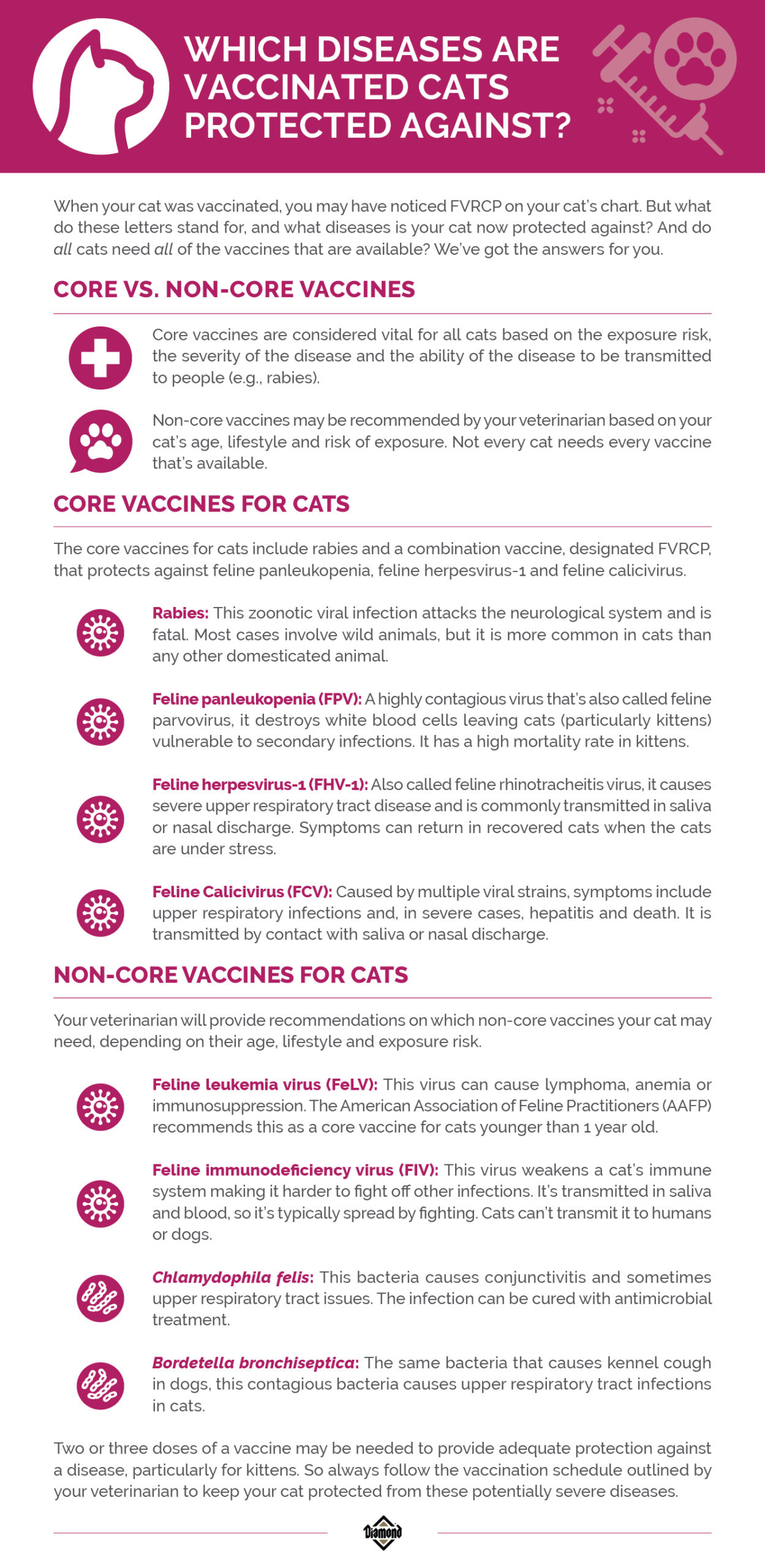
Rabies vaccination for cats is not just a routine shot—it’s a vital shield that protects your furry friend and the people around them. Rabies is a deadly virus that affects the nervous system and can be transmitted to humans and other animals. Ensuring your cat is vaccinated reduces this risk significantly.
Many cat owners overlook the importance of this vaccine, especially for indoor cats. But consider this: even indoor cats can escape or come into contact with wild animals. Would you want to take that chance?
Protecting Your Cat’s Health
Rabies is almost always fatal once symptoms appear. Vaccinating your cat keeps this terrifying disease at bay. It’s a simple step that can save your cat’s life and spare you heartache.
Think about the vet visits you’ve had to keep your cat safe from common illnesses. Adding a rabies shot is equally crucial and straightforward.
Preventing Spread To Humans And Other Pets
Rabies can jump from animals to people. If your cat contracts rabies, everyone in your household is at risk. The vaccine acts as a barrier, protecting your family and other pets from this dangerous virus.
Have you ever worried about your children playing with the family cat? Vaccination gives peace of mind knowing the risk is minimized.
Legal And Community Responsibility
Many places legally require cats to be vaccinated against rabies. This rule helps keep entire communities safe. By vaccinating your cat, you’re not just protecting one animal—you’re contributing to public health.
Ignoring this can lead to fines or quarantine if your cat bites someone or is exposed to the virus. Is it worth risking that hassle when prevention is so easy?
Cost-effectiveness Of Vaccination
Rabies vaccination is affordable and saves you from much higher costs later. Treatment for rabies exposure or quarantine fees can be expensive and stressful. The vaccine is a small investment for your cat’s lifelong safety.
Think of vaccination as a smart financial choice that also protects your pet’s well-being.
Understanding Rabies And Its Risks
Rabies is a deadly virus that affects the brain and nervous system of mammals, including your cat. Understanding the risks of rabies can help you protect your furry friend and your family. Knowing how the disease spreads and why vaccination is crucial can make a big difference in keeping everyone safe.
What Is Rabies?
Rabies is caused by a virus that spreads through the saliva of infected animals, usually through bites. It affects the nervous system and is almost always fatal once symptoms appear. The virus can infect all warm-blooded animals, including humans and pets like cats.
How Do Cats Get Rabies?
Cats often catch rabies by coming into contact with wild animals such as raccoons, bats, skunks, or foxes. Even a minor scratch or bite from these animals can transmit the virus. Outdoor cats are at higher risk, but indoor cats aren’t completely safe either if wild animals enter the home.
Why Is Rabies Vaccination Important?
Rabies vaccination is the only reliable way to prevent your cat from contracting this deadly disease. Once infected, there’s no cure, and the infection can spread to humans in your household. Vaccinating your cat not only protects your pet but also helps prevent the spread of rabies in your community.
What Are The Signs Of Rabies In Cats?
Early signs include changes in behavior, such as aggression or unusual shyness. Cats may also show excessive drooling, difficulty swallowing, and paralysis. Recognizing these symptoms early can save lives, but prevention through vaccination is far safer than relying on symptoms for diagnosis.
Frequency Of Rabies Vaccination
Keeping your cat protected against rabies is essential not just for their health but also for your peace of mind. Understanding how often your feline friend needs the rabies vaccine helps you stay on top of their care schedule. This section breaks down the vaccination timeline clearly, so you know exactly when to act.
Initial Vaccination For Kittens
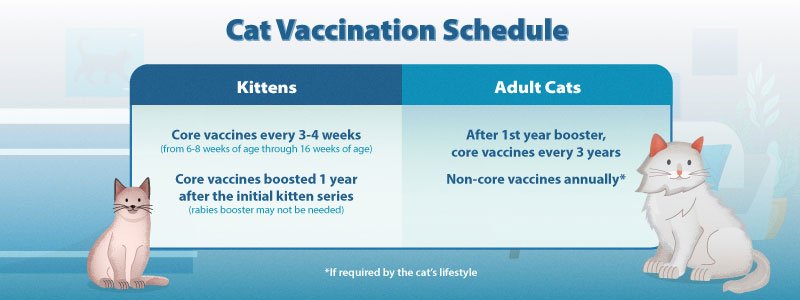
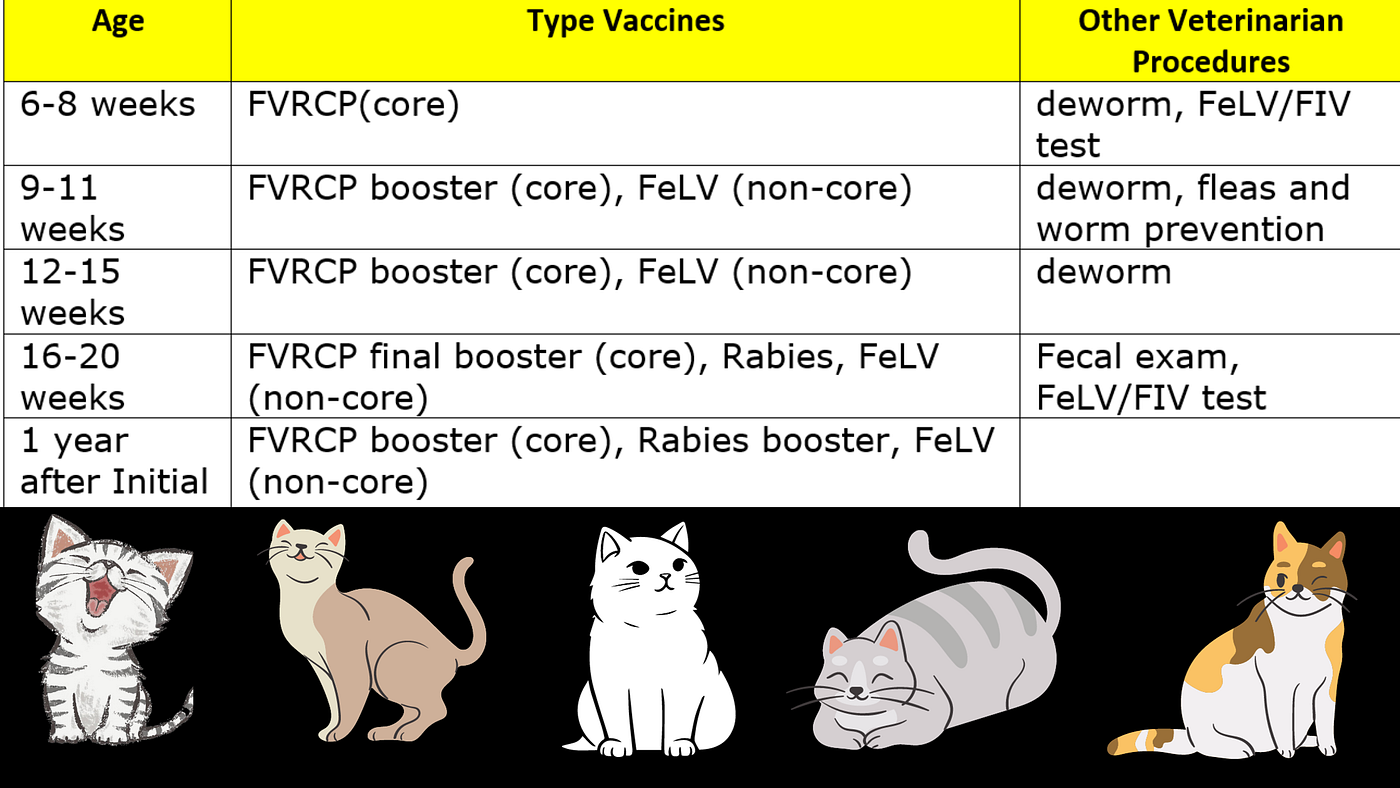
Kittens typically receive their first rabies shot at around 12 to 16 weeks old. This timing ensures their immune system is mature enough to respond effectively to the vaccine. Missing this window can leave your kitten vulnerable, so mark this milestone carefully.
Veterinarians often recommend pairing the rabies vaccine with other essential shots during this visit. This reduces stress for your kitten and saves you multiple trips. Have you scheduled this important appointment yet?
Booster Shots For Adult Cats
After the initial vaccination, adult cats need booster shots to maintain immunity. These boosters are usually given one year after the first shot. Following this, many vets suggest boosters every one to three years, depending on local laws and the vaccine type used.
Some states have stricter rules about booster frequency, so check your local regulations. Staying consistent with boosters not only protects your cat but also keeps your household safe. When was your cat’s last rabies shot? If you’re unsure, it’s time to ask your vet.
Credit: medium.com
State And Local Regulations
Understanding state and local regulations about rabies shots for your cat is crucial. These rules are designed to protect both pets and people from this deadly disease. However, they can vary widely depending on where you live.
Legal Requirements For Rabies Shots
Most states require cats to receive rabies vaccinations by a certain age, often around three to four months. After the initial shot, a booster is usually needed within one year, followed by additional boosters every one to three years based on the vaccine type.
Failing to follow these laws can lead to fines or other penalties. You might also risk your cat’s health and the safety of your community. Have you checked your local animal control website lately to see what rules apply in your area?
Variation Across Regions
Rabies vaccination rules can differ not just by state but also by city or county. In some places, annual shots are mandatory, while others allow a three-year interval after the initial booster. Rural areas might have different requirements compared to urban settings due to varying risk levels.
Some regions also require proof of vaccination when licensing your cat. Others may have special rules if your cat goes outdoors frequently. Knowing these details helps you avoid surprises and keeps your pet legally protected.
Choosing The Right Vaccine
Choosing the right rabies vaccine for your cat is a crucial step in protecting their health. Not all vaccines are the same, and understanding the differences can help you make the best decision. Your cat’s lifestyle, health condition, and local regulations all influence which vaccine will work best.
Different Types Of Rabies Vaccines
There are mainly two types of rabies vaccines available for cats:
- 1-year rabies vaccine:This vaccine provides protection for one year. It requires annual boosters to maintain immunity.
- 3-year rabies vaccine:This vaccine offers longer-lasting protection, typically up to three years. It reduces the number of visits to the vet but may not be suitable for all cats.
Both vaccines are effective, but your choice might depend on your cat’s age, health status, and how often you can visit the vet. Some states or countries may also have legal requirements specifying which vaccine to use.
Consulting With Your Veterinarian
Your veterinarian is the best resource for choosing the right rabies vaccine for your cat. They can assess your cat’s medical history, lifestyle, and any potential risks. For example, an indoor cat with limited exposure to other animals might have different needs than an outdoor cat.
Don’t hesitate to ask questions like:
- Which vaccine do you recommend for my cat’s age and health?
- Are there any side effects I should watch for?
- How often will my cat need boosters?
Having this conversation ensures you and your vet are aligned on the best protection plan. Remember, a well-informed decision helps keep your cat safe and healthy over the years.

Credit: weareallaboutcats.com
Monitoring And Side Effects
After your cat receives a rabies shot, it’s important to keep a close eye on their health. Monitoring helps catch any side effects early and ensures your furry friend stays safe. Knowing what to watch for can make all the difference in how quickly you respond to any issues.
Common Reactions To Rabies Shots
Most cats handle rabies vaccines well, but mild side effects can happen. You might notice your cat feeling a bit tired or showing less interest in food for a day or two. Some cats develop slight swelling or redness where the shot was given.
Occasionally, cats may have a mild fever or sneeze, which usually passes quickly. These reactions are normal and tend to disappear within 48 hours. Have you ever seen your cat act differently after a vaccine? That’s usually a sign they’re just adjusting to the shot.
When To Contact Your Vet
Sometimes, side effects can be more serious and need immediate attention. If your cat shows symptoms like difficulty breathing, swelling of the face or throat, continuous vomiting, or severe lethargy, call your vet right away. These could be signs of an allergic reaction.
Also, if the injection site becomes very painful, hot, or the swelling lasts more than a few days, it’s best to get a professional opinion. Don’t hesitate to reach out to your vet if you’re unsure. Would you rather be safe and check than worry later?
Benefits Of Regular Vaccination
Regular vaccination offers many important benefits for cats and their owners. It helps keep cats safe from serious diseases like rabies. Vaccines also support public health by reducing the spread of infections. Staying up to date on vaccinations is a simple way to protect your pet and others around you.
Protecting Your Pet And Community
Vaccinating cats against rabies protects them from a deadly virus. Rabies spreads through bites from infected animals. Vaccinated cats are less likely to catch or spread rabies. This helps keep neighborhoods and communities safer. It also prevents costly medical treatments or quarantine if exposure occurs. Routine shots reduce the risk of outbreaks in your area.
Peace Of Mind For Cat Owners
Regular rabies shots give owners confidence their cats are protected. Knowing your pet is vaccinated removes worry about possible infections. Many places require proof of vaccination for pets to enter public spaces. Staying current with shots avoids legal issues and fines. It allows you to focus on enjoying time with your cat without health concerns.
Credit: www.diamondpet.com
Frequently Asked Questions
How Often Should Cats Get Rabies Shots?
Cats typically need a rabies shot once every one to three years. The exact schedule depends on local laws and vaccine type. Your vet will recommend the best timing based on your cat’s health and regional requirements.
Why Are Rabies Shots Important For Cats?
Rabies shots protect cats from a deadly virus that affects the brain. Vaccination prevents the spread of rabies to humans and other animals. Regular shots keep your cat safe and comply with legal vaccination rules.
Can Indoor Cats Skip Rabies Vaccinations?
Even indoor cats need rabies vaccines. Accidental escapes or contact with wildlife pose risks. Most regions legally require all cats to be vaccinated regardless of lifestyle.
What Happens If A Cat Misses A Rabies Shot?
If a cat misses a rabies shot, consult your vet immediately. They may recommend a booster shot or a restart of the vaccination schedule. Timely vaccination ensures continued protection and legal compliance.
Conclusion
Cats need rabies shots to stay safe and healthy. Most vets recommend a shot every one to three years. Keeping up with vaccinations protects your cat and your family. Regular vet visits help track your cat’s vaccine schedule. Don’t skip these important shots—they prevent serious illness.
A healthy cat means less worry for you. Stay informed and keep your pet protected. Simple steps make a big difference in your cat’s life.
