

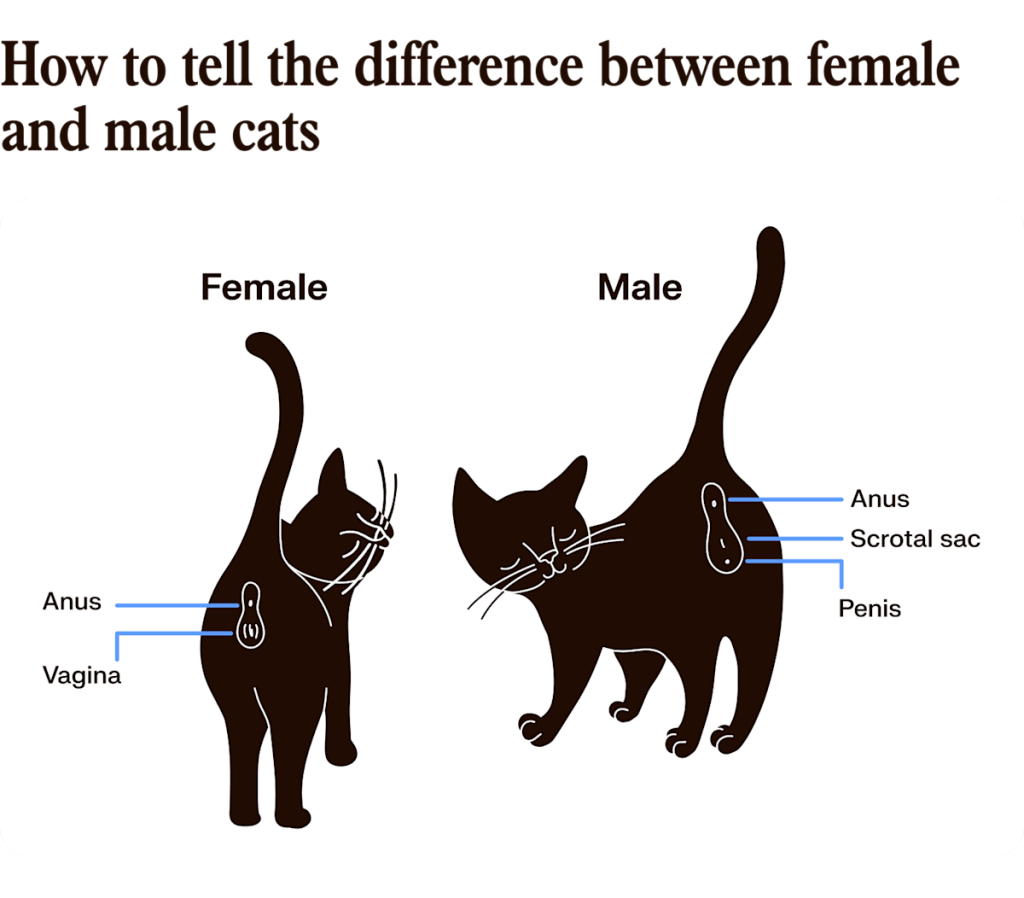
Are you wondering whether your female cat should be spayed or neutered? It’s a common question many cat owners face, and the answer can make a big difference in your pet’s health and happiness.
Understanding the right procedure for your cat helps you prevent unwanted litters, reduce health risks, and improve her behavior. Keep reading to discover everything you need to know about spaying your female cat and why it matters for both you and your furry friend.

Credit: weareallaboutcats.com
Spaying Vs. Neutering
Understanding the difference between spaying and neutering is key to making informed decisions about your female cat’s health. While both procedures aim to control the pet population and improve your cat’s well-being, they are not the same. Knowing what each involves helps you prepare and ensures you provide the best care for your furry friend.
Defining Spaying
Spaying is a surgical procedure performed on female cats. It involves removing the ovaries and usually the uterus, which stops your cat from going into heat and prevents pregnancy.
This procedure not only controls the population but also lowers the risk of certain cancers and infections. Many cat owners notice a calmer, more settled behavior after spaying, which can be a huge relief during those intense heat cycles.
Defining Neutering
Neutering is a broader term that applies to both male and female animals but is often used to refer to male cats. For females, neutering typically means the same as spaying.
In males, neutering involves removing the testicles, which reduces aggressive behavior and the urge to roam. If you’ve ever wondered why your male cat suddenly stops marking territory, neutering is usually the reason.
Differences In Procedures
Spaying is generally a more complex surgery than neutering males. It requires an incision in the abdomen to remove reproductive organs, which means a longer recovery time for your cat.
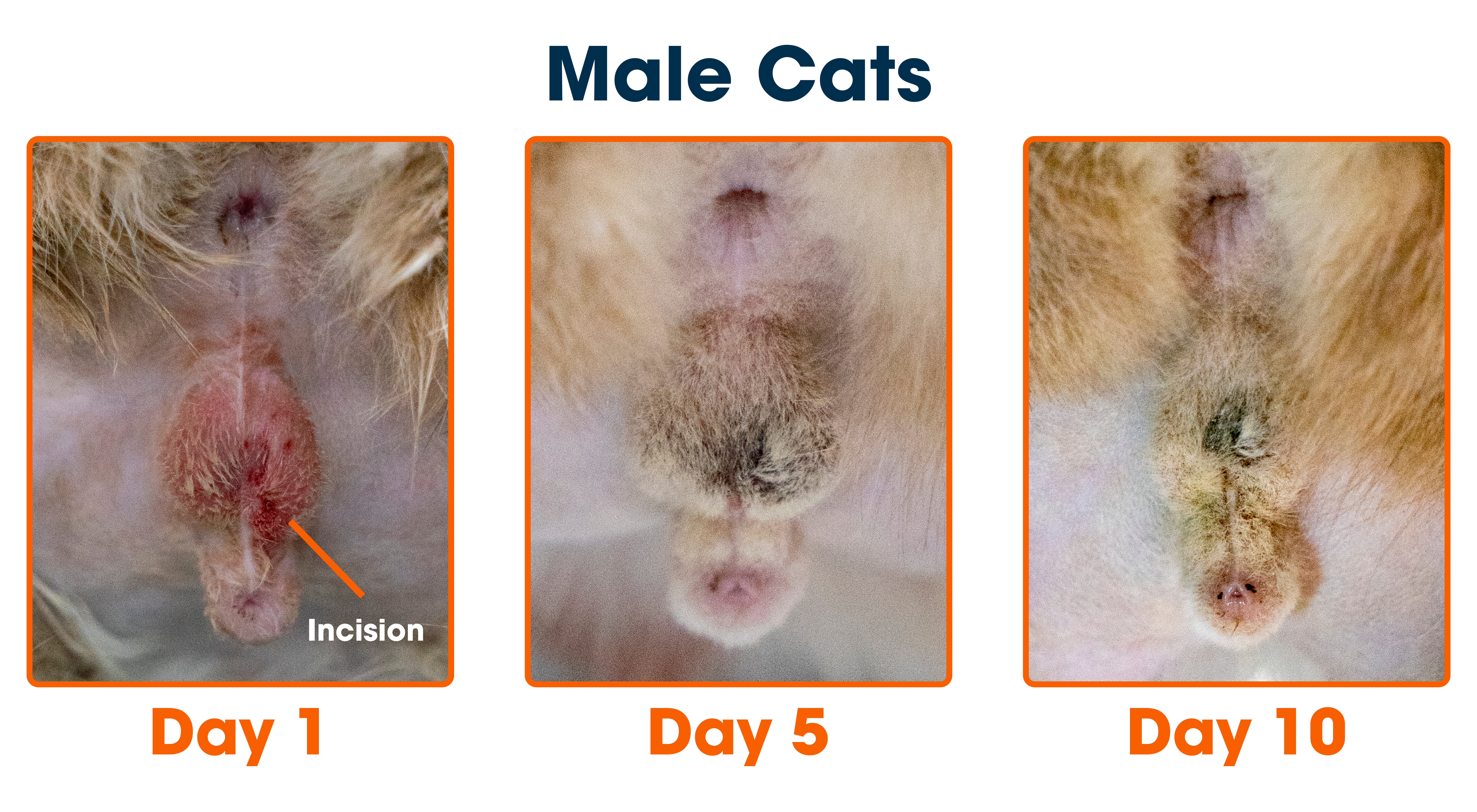
Neutering males is quicker and less invasive, often done through a small incision near the testicles. This difference affects post-surgery care, so you’ll want to plan accordingly.
- Spaying:Abdominal surgery, longer recovery, prevents heat cycles and pregnancy.
- Neutering:Scrotal surgery (for males), shorter recovery, reduces mating behaviors.
Have you considered how these differences might affect your cat’s behavior and health? Understanding this can help you prepare for the best outcome for both you and your pet.
Benefits Of Spaying Female Cats
Spaying female cats offers many important benefits for their health and well-being. It helps prevent serious illnesses and reduces unwanted behaviors. Spaying also plays a key role in controlling the cat population. These benefits improve the life of your cat and help the community.
Health Benefits
Spaying lowers the risk of certain cancers, like ovarian and breast cancer. It stops painful infections of the uterus called pyometra. Female cats often live longer and healthier lives after spaying. The surgery also prevents unwanted pregnancies and related health problems.
Behavioral Improvements
Spayed female cats show less yowling and restlessness during heat cycles. They are usually calmer and less likely to roam far from home. Spaying reduces behaviors like marking territory with urine. These changes make cats easier to live with and safer outdoors.
Population Control
Spaying helps reduce the number of homeless cats. It prevents accidental litters that can overwhelm shelters. Fewer unwanted cats means fewer animals suffer from poor living conditions. Controlling the cat population supports community health and welfare.
Spaying Procedure
Understanding the spaying procedure can help you feel more confident about the care your female cat will receive. Spaying is a surgical process designed to prevent your cat from having kittens and reduce certain health risks. Knowing what happens before, during, and after the surgery will prepare you to support your cat every step of the way.
Pre-surgery Preparations
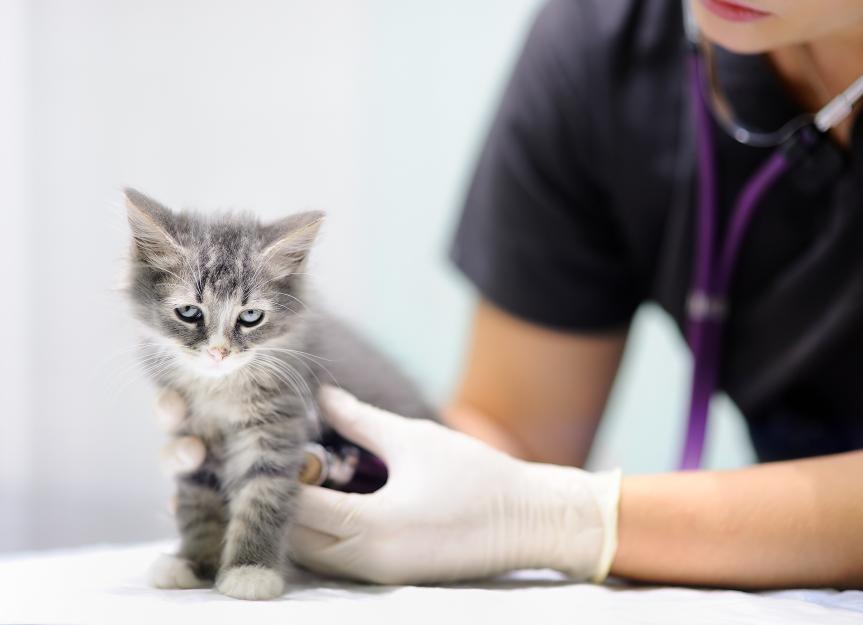
Your veterinarian will perform a health check to ensure your cat is fit for surgery. This may include blood tests and a physical exam to rule out any hidden health issues. You’ll likely be asked to withhold food and water for several hours before the operation to prevent complications during anesthesia.
It’s important to create a calm environment for your cat before surgery. Avoid stressful situations and keep her comfortable at home. Have you thought about how you’ll handle the drop-off and pick-up times? Planning ahead can reduce stress for both of you.
Surgical Steps
During the spaying procedure, your cat is placed under general anesthesia to ensure she feels no pain. The vet makes a small incision in her abdomen to access and remove the ovaries and usually the uterus. This stops her from going into heat and eliminates the chance of pregnancy.
The surgery typically takes less than an hour. Vets use special techniques to minimize bleeding and promote quick healing. After the organs are removed, the incision is closed with stitches or surgical glue, often designed to dissolve so your cat won’t need them removed later.
Recovery Process
After surgery, your cat needs quiet time to heal. You’ll notice she might be sleepy or less active for a day or two due to anesthesia effects. It’s crucial to keep her indoors and limit jumping or running to avoid opening the incision.
Watch for signs of infection like swelling, redness, or discharge around the incision site. If you see these, contact your vet immediately. Offering familiar bedding and gentle affection can help your cat feel safe during recovery. How will you balance giving her space and providing comfort?
Common Myths And Misconceptions
Many people have wrong ideas about spaying and neutering female cats. These myths cause confusion and delay important health decisions. Clearing up these misunderstandings helps owners make better choices for their pets.
Health Concerns
Some believe spaying harms a cat’s health. The truth is spaying lowers risks of certain cancers and infections. It also prevents unwanted pregnancies, which can be risky for cats. Surgery is safe when done by a skilled vet.
Effect On Personality
Many think spaying changes a cat’s personality. Spayed cats usually remain friendly and playful. They often become calmer and less aggressive. The procedure does not make cats less loving or active.
Age Considerations
People worry about the right age for spaying. Vets recommend spaying female cats before their first heat. Early spaying is safe and effective. Waiting too long can increase health risks and unwanted behaviors.
Choosing The Right Time
Choosing the right time to spay your female cat is crucial for her health and well-being. Timing affects recovery, future behavior, and even the risk of certain diseases. You want to make an informed decision that fits your cat’s unique needs and lifestyle.
Optimal Age For Spaying
Most veterinarians recommend spaying female cats between 5 to 6 months of age. At this stage, your cat is usually healthy enough to handle surgery and young enough to avoid going through heat cycles. Some shelters even spay kittens as young as 8 weeks, showing that early spaying is safe with proper care.
Waiting too long can increase the risk of unwanted pregnancies and behaviors like yowling or roaming. However, spaying too early may raise concerns about growth and development. Balancing these factors is key to choosing the best age for your cat.
Signs Your Cat Is Ready
Physical signs can help you determine if your cat is ready to be spayed. Look for signs like reaching at least 2 pounds in weight and having a steady appetite. If your cat has started going into heat, it’s a clear signal that surgery should happen soon.
Behavioral changes, such as increased vocalization or restlessness, often indicate heat cycles. If you notice these signs and haven’t scheduled spaying yet, it’s time to act. Ignoring these signs can lead to unwanted litters and stress for both you and your cat.
Veterinarian Recommendations
Your vet knows your cat’s health history and can give personalized advice on timing. They will consider factors like breed, weight, and overall health before suggesting the best day for surgery. Don’t hesitate to ask about the pros and cons of different timing options during your visit.
Regular check-ups before the procedure help ensure your cat is in top shape for spaying. Remember, your vet’s experience combined with your observations will guide you to the safest, most effective timing. Are you prepared to schedule that appointment and protect your cat’s future?
Credit: www.aspca.org
Cost And Accessibility
Spaying or neutering female cats is a vital step for their health and community control. Many pet owners consider cost and access before making this choice. Understanding the typical expenses and available resources helps in planning effectively.
Average Costs
The cost of spaying a female cat varies by location and clinic. Typically, it ranges from $50 to $200. This price usually covers anesthesia, surgery, and basic post-op care. Some vets may charge more for older cats or those with health issues.
Low-cost Clinics
Many communities have low-cost spay/neuter clinics. These clinics provide affordable services to help reduce pet overpopulation. Prices here can be as low as $30 to $70. They often serve local residents and may require appointments or proof of residency.
Financial Assistance Options
Financial help is available for pet owners who need it. Nonprofits and animal welfare groups offer vouchers or discounts. Some vets also provide payment plans or sliding scale fees. Checking local animal shelters or rescue groups can reveal more options.
Credit: www.petmd.com
Frequently Asked Questions
What Does Spaying Female Cats Involve?
Spaying female cats involves removing their ovaries and uterus. It prevents pregnancy and reduces the risk of certain diseases. The procedure is quick and done under anesthesia by a vet. Spaying helps control the cat population and improves overall cat health.
When Is The Best Age To Spay A Female Cat?
The best age to spay a female cat is usually between 4 to 6 months. Early spaying prevents unwanted litters and behavioral issues. Some vets may recommend spaying even earlier. It’s important to consult your vet for the ideal timing based on your cat’s health.
Is Spaying Safer Than Neutering For Female Cats?
Yes, spaying is the term used for female cats and involves different surgery than neutering male cats. Spaying is generally safe and routine. It requires removing reproductive organs, while neutering involves removing testicles in males. Both surgeries help prevent reproduction and improve pet health.
Does Spaying Affect A Female Cat’s Behavior?
Spaying can reduce behaviors linked to heat cycles, like yowling and roaming. It often makes female cats calmer and less aggressive. However, personality traits usually remain unchanged. Spaying helps prevent unwanted behaviors related to mating instincts, benefiting both cats and owners.
Conclusion
Female cats should get spayed to stay healthy and happy. Spaying helps stop unwanted kittens and lowers some health risks. It also reduces behaviors like yowling and roaming. Taking care of your cat means choosing spaying at the right time.
Talk to your vet to learn the best age for the procedure. Spaying is a simple step that makes a big difference in your cat’s life and community. Every cat deserves love and care, and spaying is part of that care.
