

Are you wondering if you really need to trim your cat’s claws? You’re not alone.
Many cat owners ask this question because it’s not always clear when or why claw trimming is necessary. Your cat’s claws can affect their comfort, your furniture, and even their health. Knowing when and how to trim them can save you from scratches and keep your furry friend happy.
Keep reading to find out everything you need to know about trimming your cat’s claws safely and effectively.
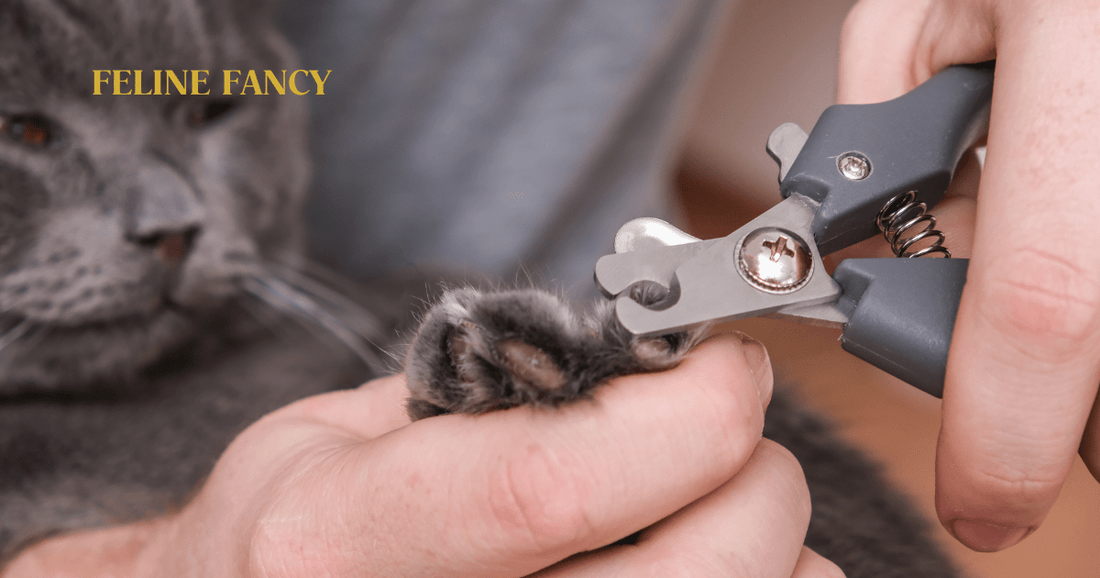
Credit: felinefancy.co.uk
Why Trim Your Cat’s Claws?
Trimming your cat’s claws is an important part of pet care. Cats’ claws grow continuously and can become too long or sharp. This can cause problems for both your cat and your home. Keeping claws trimmed helps maintain your cat’s health and comfort.
Shorter claws reduce the risk of scratches on people and furniture. They also prevent painful injuries to your cat’s paws. Regular trimming keeps claws at a safe length and shape.
Protect Furniture And Belongings
Long, sharp claws can damage sofas, curtains, and carpets. Cats naturally scratch to mark territory and sharpen claws. Trimming helps reduce the damage caused by scratching.
Prevent Injuries To Your Cat
Overgrown claws can curl into the paw pad. This causes pain and possible infection. Trimming stops claws from becoming too long and hurting your cat.
Keep Your Cat Comfortable
Long claws can make walking and climbing difficult. Short claws help cats move easily and safely. Trimming supports your cat’s natural activities and comfort.
Reduce Scratches On People
Claws trimmed to a safe length lower the chance of accidental scratches. This makes playing and petting more enjoyable for everyone.

Credit: www.pumpkin.care
Signs Your Cat’s Claws Need Trimming
Knowing when to trim your cat’s claws is important for their comfort and health. Cats may not show obvious signs, but their claws can become too long or sharp. Watching for signs can help prevent damage to furniture and avoid pain for your cat.
Regular checks keep claws at a healthy length. Some signs are easy to spot. Others might need a closer look. Understanding these signs helps keep your cat happy and safe.
Visible Long Or Curved Claws
Claws that stick out too far or curl under the paw pads need trimming. Long claws can catch on carpets and fabrics. Curved claws may grow into the paw, causing pain or infection.
Scratching Furniture More Often
When cats scratch more, their claws may be uncomfortable. Overgrown claws can make scratching painful, causing your cat to scratch harder or more frequently. This behavior signals a need for trimming.
Difficulty Walking Or Jumping
Claws that are too long can affect your cat’s movement. Watch if your cat limps, hesitates, or avoids jumping. These signs often mean the claws are causing discomfort.
Snagging Or Getting Stuck
Claws catching on fabric or carpet is a sign of overgrowth. Snagging can hurt your cat’s paws and damage your belongings. Trimming helps prevent these accidents.
Visible Damage To Claws Or Paws
Look for cracked, broken, or split claws. Swollen or red paws also show distress. These issues often come from claws being too long or sharp.
Tools For Claw Trimming
Trimming your cat’s claws needs the right tools to ensure safety and comfort. The proper equipment makes the process faster and less stressful. Using the correct tools helps avoid pain and injury for both you and your cat.
Claw Clippers
Claw clippers are designed to cut cat nails cleanly and easily. They come in various styles like scissors, guillotine, and plier types. Scissor clippers work well for cats with small claws. Guillotine clippers have a hole where you place the claw for a precise cut. Plier clippers offer strong leverage for thicker nails. Choose clippers with sharp, stainless steel blades for smooth cuts. Ensure the clippers fit comfortably in your hand for better control.
Grinders
Grinders file down sharp edges instead of cutting the nails directly. They are electric tools that rotate a small grinding stone or drum. Grinders help smooth rough or jagged nails after clipping. They reduce the risk of cutting the quick, the sensitive part inside the nail. Grinders are quieter and gentler for some cats. Start with low speed to avoid scaring your cat. Use grinders for gradual shaping and to keep nails short.
Styptic Powder
Styptic powder stops bleeding if you accidentally cut the quick. It is a must-have for safe claw trimming. Apply the powder directly to the nail tip to stop blood flow quickly. The powder helps clot blood and heal the nail fast. Keep styptic powder nearby before you start trimming. It gives peace of mind during the process. Use only a small amount and avoid getting it in your cat’s eyes or mouth.

Credit: www.reddit.com
How To Safely Trim Cat Claws
Trimming your cat’s claws can feel daunting, but it’s an important part of their care. Knowing how to do it safely keeps your cat comfortable and prevents injury. Let’s break down the process so you can trim claws confidently and calmly.
Preparing Your Cat
Start by choosing a quiet spot where your cat feels relaxed. Sit with your cat on your lap or a stable surface, and gently stroke their paws to get them used to touch. If your cat seems tense, try calming tones or treats to ease their nerves.
Have the right tools ready: a pair of sharp cat nail clippers or human nail clippers designed for pets works best. Avoid scissors—they can crush the claws. Keep styptic powder nearby in case you accidentally trim too close and cause bleeding.
Step-by-step Guide
- Hold your cat’s paw firmly but gently, pressing the pad to extend the claw.
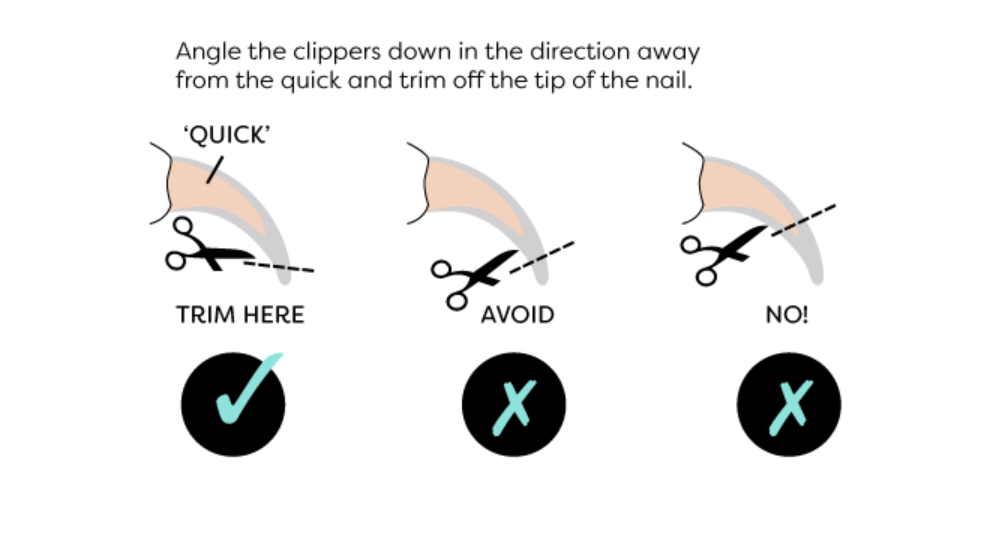
- Look for the pink part inside the claw—called the quick. Avoid cutting this area as it’s sensitive and bleeds easily.
- Trim just the sharp tip of the claw at a slight angle to maintain its natural shape.
- Repeat with each claw, taking breaks if your cat becomes restless.
Have you noticed your cat’s claws clicking on hard floors? Trimming them can reduce noise and prevent damage to furniture without harming your cat. It’s a small effort with big benefits.
Post-trimming Care
After trimming, praise your cat and offer a favorite treat to create positive associations. Check their paws for any signs of discomfort or bleeding. If you spot redness or swelling, give your vet a call.
Keep an eye on your cat’s behavior over the next few days. If they seem to avoid walking or licking their paws excessively, they might need extra care. Regular trims every few weeks help maintain comfort and keep claws healthy.
Common Mistakes To Avoid
Trimming your cat’s claws is important for their health and comfort. Many pet owners make common mistakes that cause stress or injury to the cat. Avoiding these errors ensures a safer and easier experience for both of you. Understanding these mistakes helps keep your cat calm and happy during claw care.
Cutting Too Close To The Quick
The quick is the pink part inside a cat’s claw with blood vessels and nerves. Cutting it causes pain and bleeding. Always trim only the sharp tip of the claw. Use proper lighting to see the quick clearly. Stop immediately if you notice bleeding.
Trimming Claws Too Infrequently
Waiting too long between trims makes claws hard and sharp. This can cause scratching damage to furniture and skin. Regular trims every two to three weeks keep claws manageable. Consistency helps your cat get used to the process.
Using The Wrong Tools
Using dull or large scissors can crush or splinter claws. Invest in a sharp, small pet nail clipper designed for cats. Proper tools make cuts clean and reduce discomfort. Avoid human nail clippers as they are not ideal.
Ignoring Your Cat’s Behavior
Forcing a scared or aggressive cat can cause injury. Watch for signs of stress like growling or struggling. Pause if your cat seems upset and try again later. Use gentle praise and treats to encourage calmness.
Not Preparing Your Cat
Trying to trim claws without preparation increases resistance. Handle your cat’s paws gently every day to build comfort. Slowly introduce the clipper by letting the cat sniff it. Preparation makes trimming easier and less stressful.
Alternatives To Claw Trimming
Trimming a cat’s claws is not the only way to manage their nails. Several alternatives help protect furniture and keep your cat comfortable without clipping. These options support your cat’s natural behavior and reduce damage caused by scratching.
Scratching Posts
Scratching posts offer cats a place to sharpen and stretch their claws. They satisfy a cat’s instinct to scratch and mark territory. Place posts in areas your cat visits often. Choose sturdy posts with rough surfaces like sisal or carpet. Encourage your cat to use the post by rubbing catnip on it or playing nearby. This helps redirect scratching away from furniture and walls.
Soft Claw Caps
Soft claw caps are small, safe covers glued to a cat’s claws. They prevent damage from scratching while allowing normal claw use. These caps come in various colors and fit most cats. They typically last several weeks before needing replacement. Applying caps requires patience and care. Regular checks ensure they stay secure and do not cause discomfort. Soft claw caps help protect your home while keeping your cat’s claws intact.
When To Seek Professional Help
Knowing when to seek professional help for trimming your cat’s claws is crucial. Sometimes, claws grow too long or become damaged, causing pain or infection. Professionals have the right tools and experience to handle difficult cases safely.
Some cats are very nervous or aggressive during claw trimming. A vet or groomer can manage these cats without stress or injury. Also, if your cat’s claws are bleeding or swollen, immediate expert care is necessary.
Signs Your Cat Needs Professional Claw Care
- Claws are deeply ingrown or curling into the paw pads
- Visible infection or swelling around the claws
- Bleeding that does not stop quickly
- Repeated limping or discomfort while walking
- Difficulty or refusal to allow claw trimming at home
Benefits Of Professional Claw Trimming
- Use of specialized trimming tools for safety
- Ability to sedate anxious cats if needed
- Assessment of paw health beyond just claws
- Advice on claw care and prevention of problems
How To Find The Right Professional
- Check for licensed veterinarians or certified groomers
- Read reviews from other cat owners
- Ask about experience with cat claw care
- Ensure the environment is calm and cat-friendly
Benefits Of Regular Claw Maintenance
Regular claw maintenance is more than just a grooming task for your cat—it’s a vital part of their health and happiness. Keeping your cat’s claws trimmed prevents discomfort and potential injuries. It also helps maintain their natural behaviors in a safe and controlled way.
Prevents Damage To Your Home And Furniture
Long claws can cause scratches on your furniture, walls, and even your skin. Trimming your cat’s claws regularly helps reduce this damage without stopping your cat from scratching, which is a natural need. Have you noticed how much less your couch gets scratched after a good claw trim?
Reduces The Risk Of Injury To Your Cat
Overgrown claws can get caught in carpets or fabric, leading to painful breaks or infections. Regular trimming keeps claws at a safe length and prevents these accidents. This simple step can save your cat from unnecessary trips to the vet.
Improves Your Cat’s Comfort And Mobility
Cats with long claws may walk awkwardly or avoid jumping due to discomfort. Trimming claws regularly keeps your cat comfortable and active. Have you ever seen your cat hesitate before climbing? Claw length could be the reason.
Supports Healthy Nail Growth
Trimming helps remove old, dead claw layers and encourages healthy new growth. This can prevent nail splitting and other claw problems. Think about how your own nails feel better after a good trim—cats benefit the same way.
Strengthens The Bond Between You And Your Cat
Taking time to trim your cat’s claws builds trust and shows care. Cats often enjoy the gentle handling during grooming if done patiently. Could this be your chance to deepen your connection with your feline friend?
Frequently Asked Questions
How Often Should I Trim My Cat’s Claws?
Trim your cat’s claws every 2 to 4 weeks. Regular trimming prevents overgrowth and reduces scratching damage. Monitor claw length to adjust frequency. Indoor cats may need more frequent trims than outdoor cats.
Can I Trim My Cat’s Claws Myself?
Yes, you can trim your cat’s claws at home. Use proper cat nail clippers and be gentle. Avoid cutting the quick to prevent pain and bleeding. If unsure, ask a vet or groomer for help.
Why Is Claw Trimming Important For Cats?
Claw trimming prevents nails from becoming sharp and causing injuries. It protects your furniture and skin from scratches. It also helps cats avoid painful nail breakage or ingrown nails. Regular trims maintain your cat’s comfort and health.
What If I Don’t Trim My Cat’s Claws?
If claws aren’t trimmed, they can overgrow and curl into paw pads. This causes pain, infection, and difficulty walking. Long nails increase scratching risks. Regular trimming avoids these health problems and keeps your cat happy.
Conclusion
Trimming your cat’s claws helps keep them healthy and safe. It stops scratches on furniture and skin. Cats feel better with trimmed claws. Watch your cat’s nails often for signs to trim. Use the right tools and be gentle. Regular trimming makes life easier for you and your cat.
Keep your pet happy and your home safe. Simple care goes a long way. So, yes—trimming claws is a good idea.
