


Have you ever caught your cat eyeing your ham sandwich and wondered, “Can my cat eat ham?” It’s natural to want to share tasty treats with your furry friend.
But before you let your cat nibble on that savory slice, there are important things you need to know. Understanding whether ham is safe for your cat can protect their health and keep them happy. Keep reading to discover the truth about cats and ham—and make the best choice for your pet’s diet.

Credit: citizenshipper.com
Cats’ Natural Diet
Cats have evolved over thousands of years with a very specific diet that suits their biology. Understanding their natural diet helps you decide what foods, like ham, are suitable or harmful for your feline friend. Knowing what your cat’s body truly needs can prevent health issues and improve their happiness.
Carnivorous Instincts
Cats are obligate carnivores, which means they must eat meat to survive. Their bodies rely on nutrients found only in animal tissues, such as taurine, arachidonic acid, and vitamin A. Unlike humans, cats cannot convert plant-based nutrients into these essentials, so their diet needs to be rich in high-quality protein.
Have you noticed how your cat reacts to meat smells? Their hunting behavior reflects this instinct—they often prefer fresh, meaty foods over grains or vegetables. This natural craving is a clear sign that feeding them mainly plant-based or processed foods can leave nutritional gaps.
Common Foods In The Wild
In the wild, cats primarily hunt small animals like birds, rodents, and insects. These prey provide a balanced mix of protein, fat, and moisture. Wild cats rarely eat carbohydrates, which means your pet’s diet should also be low in grains and fillers.
- Birds offer muscle meat, bones, and organs that are nutrient-rich.
- Rodents provide essential fatty acids and proteins.
- Insects add variety and some micronutrients but in smaller amounts.
Does your cat’s meal mirror these natural sources? If not, consider adjusting their diet to better match what their bodies are designed for. Feeding ham occasionally might seem like a treat, but remember that processed meats often contain additives and salt, which aren’t ideal for cats.
Ham And Its Components
Ham is a popular meat often found in many kitchens. Understanding what it contains helps us decide if it’s safe for cats. Ham is made from pork and is usually cured or smoked. It has several components that can affect a cat’s health.
Nutritional Content Of Ham
Ham contains protein, which cats need for energy and muscle. It also has fat that provides calories and helps absorb vitamins. However, ham is high in sodium, which is not good for cats. Too much salt can cause dehydration and other health problems. Ham also contains small amounts of vitamins and minerals like iron and zinc.
Preservatives And Additives
Many types of ham include preservatives to keep them fresh. These can include nitrates and nitrites. These chemicals can be harmful to cats and may cause digestive issues. Some hams have added sugar or flavor enhancers, which are not suitable for cats. Always check the ingredients before giving ham to a cat.
Is Ham Safe For Cats?
Ham is a popular meat enjoyed by many people. Pet owners often wonder if cats can safely eat ham. Cats are carnivores, so meat can be part of their diet. Still, ham is processed and has added ingredients that may affect cats differently. Understanding the safety of feeding ham to cats is important for their health.
Potential Health Risks
Ham contains salt, which can be harmful to cats in large amounts. Excess salt may cause dehydration or kidney problems. Processed ham also has preservatives and spices that may upset a cat’s stomach. Fat content in ham is high, leading to weight gain or pancreatitis. Feeding ham regularly may increase the risk of long-term health issues in cats.
Signs Of Digestive Issues
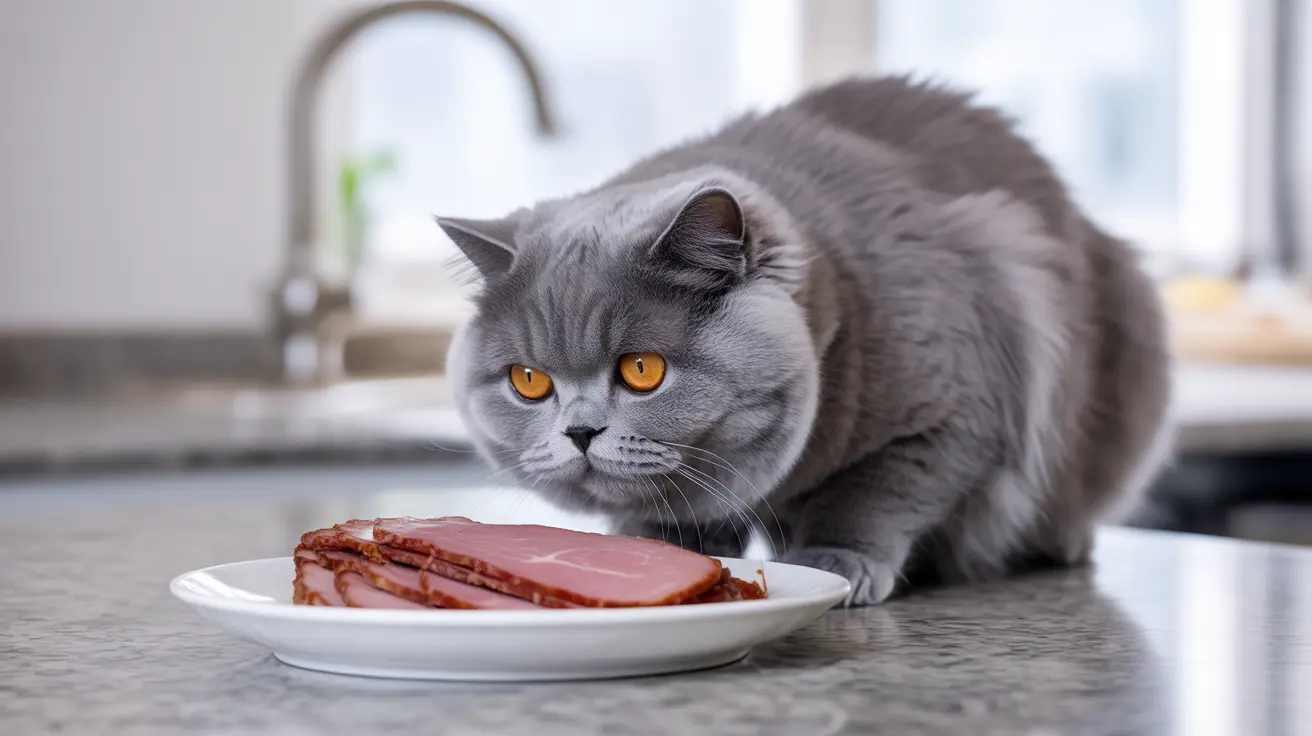
Some cats may react poorly after eating ham. Watch for vomiting or diarrhea. Loss of appetite and lethargy can also appear. If your cat shows signs of stomach pain or bloating, ham may be the cause. These symptoms suggest digestive trouble and need prompt attention.
Credit: www.petscare.com
Benefits Of Occasional Ham Treats
Giving your cat an occasional ham treat can add a little excitement to their diet without overwhelming their nutritional needs. Ham offers some benefits that might make it a welcome snack for your feline friend. However, it’s important to keep these treats rare and balanced with their regular food.
Protein Source
Ham contains a good amount of protein, which is essential for your cat’s muscle health and energy. Cats are obligate carnivores, meaning they need animal protein to thrive. A small piece of ham can provide a quick protein boost, especially if your cat is low on energy or recovering from illness.
But remember, not all proteins are created equal. Ham is processed and often salty, so it’s best to offer only tiny portions. Have you noticed your cat perk up after a protein-rich snack? That’s a sign their body appreciates the extra fuel.
Encouraging Picky Eaters
If your cat refuses to eat their regular food, a little ham might tempt them. The strong smell and flavor can stimulate appetite in fussy cats. I once had a cat who wouldn’t touch dry food, but a small ham treat encouraged her to eat and regain strength.
Try mixing tiny ham bits with their usual meals to see if it improves their interest in food. However, be careful not to spoil their appetite for balanced meals. Have you tried using ham to coax your cat into eating? What worked best for you?
How To Offer Ham Safely
Offering ham to your cat can be a delightful treat if done carefully. It’s important to serve it in a way that keeps your feline friend safe and healthy. Understanding proper portions and ingredients to avoid helps you make the best choice.
Proper Serving Sizes
Small amounts of ham are enough to satisfy your cat’s curiosity and taste buds. A tiny cube, about the size of a pea or a small dice, is plenty for one serving. Cats have small stomachs, so overfeeding ham can cause digestive upset.
Think about how often you treat your cat. Ham should never replace their regular balanced diet but can be given occasionally. Try offering ham once a week or less to keep it as a special treat.
Avoiding Harmful Ingredients
Ham often contains ingredients that can harm your cat, so you need to be cautious. Avoid ham with added spices, garlic, onion, or heavy salt since these are toxic or stressful for cats’ kidneys.
Choose plain, unseasoned ham without any sauces or glazes. If you’re unsure about the ingredients, read the label carefully or opt for fresh, homemade ham slices without additives.
Have you noticed how your cat reacts to different foods? Monitoring their behavior after offering ham can help you spot any sensitivities early. Always keep fresh water available to help them digest treats safely.
Alternatives To Ham For Cats
Ham is not an ideal food for cats due to its high salt and fat content. Choosing better alternatives supports your cat’s health and energy. Cats need protein sources that are safe and nutritious. Below are some good options to consider for feeding your feline friend.
Healthy Protein Options
- Cooked chicken: Lean and easy to digest.
- Boiled turkey: Low in fat and rich in protein.
- Cooked fish: Tuna or salmon in small amounts.
- Eggs: Fully cooked and unseasoned.
These proteins provide essential amino acids that cats need. Avoid seasoning or adding sauces. Plain and cooked is best.
Commercial Cat Treats
- Freeze-dried meat treats: High-quality and convenient.
- Catnip snacks: Fun and safe for cats.
- Dental treats: Help clean teeth and freshen breath.
- Grain-free options: Good for sensitive stomachs.
Commercial treats are designed to meet cats’ dietary needs. Check ingredient lists for harmful additives.
Credit: www.petmd.com
Frequently Asked Questions
Can Cats Eat Ham Safely?
Yes, cats can eat ham in small amounts. However, ham is high in salt and fat, which may upset their stomach or cause health issues if given frequently.
Is Ham Healthy For Cats?
Ham is not a healthy food for cats. It lacks essential nutrients cats need and contains preservatives and sodium that can harm them.
How Often Can Cats Eat Ham?
Ham should only be an occasional treat for cats. Feeding it too often can lead to obesity, digestive problems, and salt poisoning.
What Are The Risks Of Feeding Ham To Cats?
Feeding ham to cats can cause digestive upset, sodium poisoning, and pancreatitis due to its high salt and fat content.
Conclusion
Cats can eat ham, but it should be in small amounts. Too much ham can upset their stomach or cause health problems. Always remove bones and avoid ham with extra spices or sauces. Fresh water must be available for your cat at all times.
Treat ham as an occasional snack, not a main meal. Watch your cat for any signs of allergies or discomfort. Feeding your pet safe and healthy food keeps them happy and strong. Choose wisely to give your cat the best care possible.
