

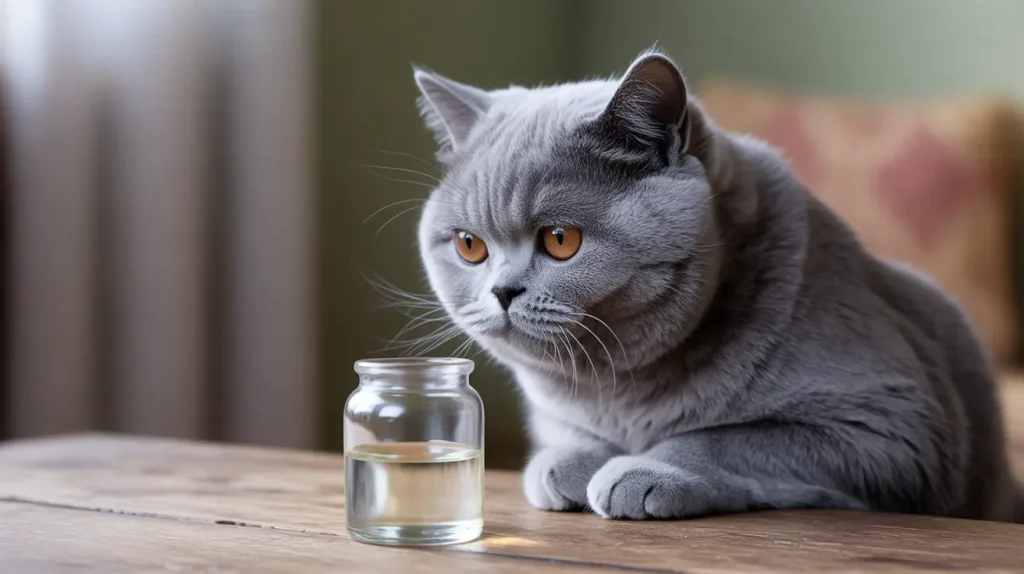
Have you ever wondered why your cat suddenly avoids certain spots or seems uneasy around specific scents? Understanding what smell cats hate can help you create a more comfortable space for your furry friend—and even keep them away from places you don’t want them to explore.
You’ll discover the common smells that cats dislike and how you can use this knowledge to improve your home environment. Keep reading to learn simple, effective ways to make your cat feel safe and happy while protecting your belongings.
Common Scents Cats Dislike
Cats have a strong sense of smell. Certain scents can irritate or repel them. Knowing these smells helps keep cats away from unwanted areas. It also helps create a safe environment for both cats and humans. Here are some common scents that cats dislike.
Citric Scents
Many cats dislike the sharp smell of citrus fruits. Oranges, lemons, and limes have strong oils in their peels. These oils create a scent that cats find unpleasant. Sprinkling citrus peels or using citrus sprays can keep cats away.
Vinegar
The smell of vinegar is strong and sour. Cats often avoid areas where vinegar is present. It is safe to use diluted vinegar to clean surfaces. This can discourage cats from scratching or marking territory.
Some essential oils have scents cats dislike. Examples include eucalyptus, lavender, and peppermint oils. These smells are intense and can bother cats’ sensitive noses. Use with caution, as some oils can be harmful if ingested.
Spicy Scents
Strong spices like cayenne pepper or chili powder create a smell cats avoid. The heat and sharpness in these scents act as natural repellents. Sprinkling small amounts near entry points can deter cats without harm.
Cleaning Products
Many household cleaners have strong chemical smells. These scents can be overwhelming for cats. Ammonia and bleach, in particular, are disliked by cats. Keeping these products out of reach helps maintain a cat-friendly home.

Credit: www.youtube.com
Citrus Fragrances
Cats have a strong sense of smell. Certain scents can bother them a lot. Citrus fragrances are among those smells cats dislike. These scents come from fruits like lemons, limes, oranges, and grapefruits. The sharp, fresh smell of citrus can keep cats away from places you want to protect.
Lemon And Lime
Lemon and lime scents are very strong and sour. Cats often find these smells unpleasant. The smell comes from natural oils in the fruit peel. These oils can cause cats to avoid areas where the scent is present. Using lemon or lime peels or sprays can help keep cats from scratching furniture or entering rooms.
Orange And Grapefruit
Orange and grapefruit have a sweet but sharp smell. Cats usually dislike these fragrances too. The smell is fresh but slightly bitter, which cats avoid. Orange and grapefruit peels or essential oils can be effective in deterring cats. Sprinkling peels around gardens or mixing oils with water can create a natural cat repellent.
Herbs And Spices
Herbs and spices have strong scents that cats often dislike. These natural smells can help keep cats away from certain areas without harm. Using herbs and spices is a gentle way to manage cat behavior around your home or garden.
Lavender
Lavender has a sweet but strong aroma. Cats usually avoid this smell because it irritates their sensitive noses. You can place dried lavender sachets or use lavender oil in areas where you want cats to stay away. Be careful not to apply lavender oil directly on cats, as it may cause harm.
Rosemary And Thyme
Rosemary and thyme have sharp, woody scents. Cats find these smells unpleasant and tend to avoid places where these herbs grow. Planting rosemary and thyme in your garden or using dried sprigs can create a natural barrier. These herbs also add a fresh smell for humans.
Peppermint And Spearmint
Peppermint and spearmint have cool, minty fragrances. Cats dislike these scents and often keep their distance. Using mint leaves or essential oils can help deter cats from certain spots. Mint is easy to grow and works well for indoor and outdoor use.
Pungent Vegetables
Pungent vegetables have strong smells that cats dislike. These smells can be sharp, spicy, or bitter. Cats have a sensitive nose, so these odors bother them. Using pungent vegetables around your home can help keep cats away from certain areas.
Onion
Onions have a very strong and sharp smell. Cats find this scent unpleasant and tend to avoid it. The smell comes from sulfur compounds in onions. Even a small amount of onion smell can drive cats away. Be careful, though, because onions are toxic to cats if eaten.
Garlic
Garlic has a strong, spicy smell that cats dislike. It contains sulfur compounds like onions do. Cats often stay away from places where garlic is present. Garlic also can be harmful if cats eat it. Use garlic only as a scent, not as food for cats.
Essential Oils
Essential oils are popular natural scents often used in homes for their pleasant aromas and health benefits. However, many of these oils create a strong dislike in cats, making them effective for keeping your feline friends away from certain areas. Understanding which essential oils your cat hates can help you create a safe and comfortable environment for both you and your pet.
Eucalyptus
Eucalyptus oil has a sharp, medicinal smell that cats find overwhelming and unpleasant. Even a small amount can discourage your cat from entering specific rooms or furniture.
Be cautious, though—eucalyptus is toxic to cats if ingested or applied directly to their skin. Instead of using concentrated oil, try diffusing a very diluted version in areas you want your cat to avoid, but always ensure proper ventilation.
Have you noticed your cat suddenly avoiding certain rooms? It could be the scent of eucalyptus you didn’t realize was there.
Tea Tree
Tea tree oil carries a strong, camphor-like aroma that most cats dislike intensely. Its scent acts as a natural deterrent, often keeping cats away from plants or furniture treated with it.
Similar to eucalyptus, tea tree oil is toxic to cats in concentrated forms. Never apply it directly to your pet, and use it sparingly in diffusers, maintaining good airflow.
If your cat avoids a spot where you have recently cleaned or sprayed, consider if tea tree oil might be the cause. It’s a useful clue to understanding your cat’s behavior.
Credit: www.petmd.com
Household Products
Household products often have strong smells that cats find unpleasant. These scents can help keep cats away from certain areas. Understanding which products cats dislike helps create a cat-free zone without harm.
Vinegar
Vinegar has a sharp, sour smell that cats avoid. Many pet owners use vinegar to clean spots where cats tend to scratch or mark. The smell is strong but fades quickly for humans, while cats stay away longer.
Using diluted vinegar in spray bottles works well. Spray the area lightly to deter cats from returning. It also cleans surfaces naturally without harsh chemicals.
Cleaning Chemicals
Some cleaning chemicals have powerful odors that cats hate. Products with ammonia or bleach are especially offensive to cats’ noses. These smells can keep cats out of cabinets or rooms.
Use cleaning products carefully and never mix them. Strong smells may bother pets but can also irritate their skin or eyes. Always ventilate areas after cleaning to keep your home safe and fresh.
Natural Deterrents
Natural deterrents offer a safe and effective way to keep cats away from areas where you don’t want them. These scents are strong enough to discourage your feline friend without causing harm. Let’s look at some easy-to-use options you might already have at home.
Coffee Grounds
Used coffee grounds have a rich, bitter smell that many cats dislike. You can sprinkle dry coffee grounds around your garden or near furniture you want to protect. The smell fades over time, so you’ll need to refresh the grounds regularly to keep cats away.
Besides being a deterrent, coffee grounds improve soil quality, making this a win-win for gardeners. Have you ever noticed how your cat avoids the kitchen trash bin after you toss in used coffee grounds? It’s a simple trick that works surprisingly well.
Cayenne Pepper
Cayenne pepper emits a spicy scent that most cats find unpleasant. Sprinkling a small amount on windowsills or flower beds can discourage cats from entering those spots. Be careful not to apply it where your cat can directly lick or inhale it, as it can be irritating.
This method is especially useful outdoors, but remember to reapply after rain or watering. Do you want to protect your plants without harsh chemicals? Cayenne pepper might be your answer, but always use it responsibly to avoid causing discomfort.
Credit: www.amazon.com
Safety Concerns
Using smells to keep cats away can seem like a simple solution. However, safety must be your top priority. Some scents that cats dislike can be harmful, so understanding the risks and choosing safe options is crucial for your pet’s well-being.
Toxicity Risks
Not all smells that cats hate are safe. Essential oils like eucalyptus, tea tree, and citrus oils can cause serious health problems if your cat inhales or ingests them.
Symptoms of toxicity include vomiting, drooling, difficulty breathing, and lethargy. Even small amounts can be dangerous, especially for kittens or cats with health issues.
Have you ever noticed how your cat reacts to certain cleaning products? Many household chemicals contain harmful fragrances. Always check labels before using anything around your pets.
Safe Alternatives
You don’t have to risk your cat’s health to keep them away from certain areas. Safe options include:
- Placing citrus peels (orange, lemon) in spots you want to protect
- Using dried herbs like lavender or rosemary, which are generally safe
- Spraying diluted vinegar water in small amounts, avoiding direct contact
These methods have worked well for many cat owners without causing harm. Have you tried any of these? They offer a balance between effectiveness and safety.
Remember, your cat’s safety matters more than convenience. Always test any smell in a small area and watch for any signs of distress before widespread use.
Frequently Asked Questions
What Smell Do Cats Hate The Most?
Cats strongly dislike citrus scents like lemon, orange, and lime. These smells are sharp and overpowering to their sensitive noses. Using citrus sprays can effectively deter cats from certain areas.
Why Are Cats Repelled By Strong Scents?
Cats have highly sensitive olfactory systems. Strong scents like vinegar, eucalyptus, and menthol irritate their noses. These smells signal danger or discomfort, causing cats to avoid them naturally.
Can Essential Oils Keep Cats Away?
Yes, essential oils like lavender, citronella, and peppermint repel cats. However, some oils can be toxic, so use them cautiously and avoid direct contact with cats.
Do Cats Hate The Smell Of Vinegar?
Yes, cats dislike vinegar’s acidic and pungent smell. Vinegar is a safe, natural deterrent often used to keep cats away from furniture and plants.
Conclusion
Cats dislike certain smells like citrus, vinegar, and strong spices. These scents help keep cats away from unwanted areas. Use them carefully to avoid harming your pet. Remember, each cat is different and may react uniquely. Observing your cat’s behavior helps find the best solution.
Keeping your home safe and comfortable matters most. Try natural scents before using chemicals. This way, you protect your cat and your space. Simple steps can make a big difference in your cat’s comfort.
