

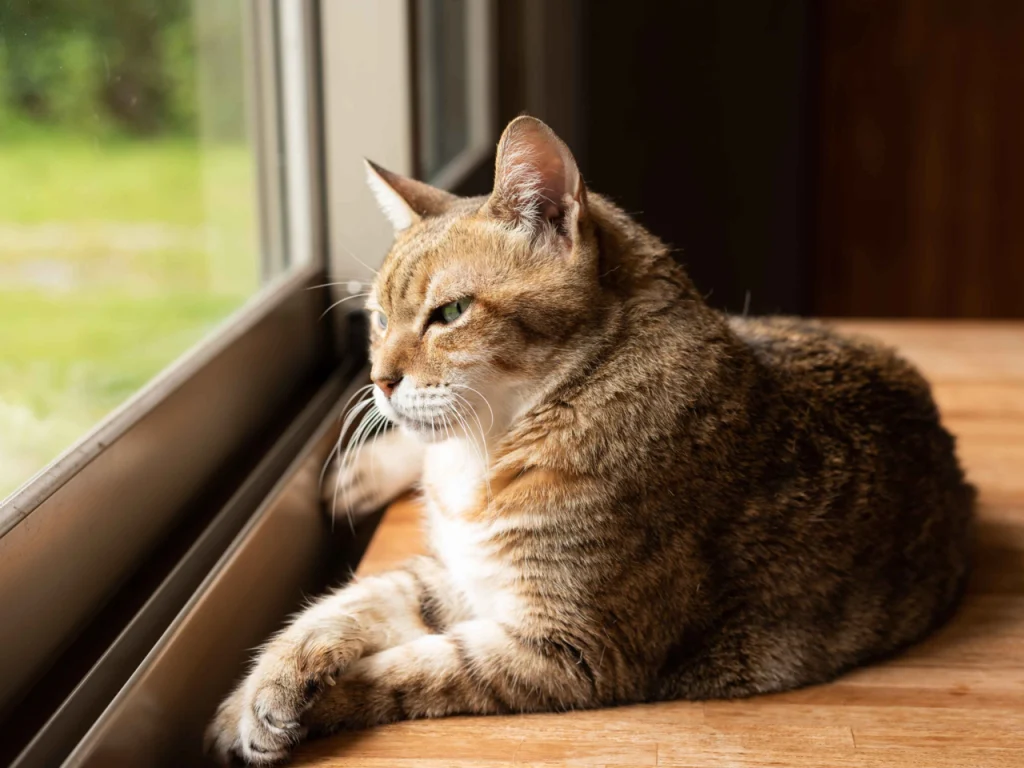
Have you ever wondered if your cat feels lonely when you’re not around? You might think cats are perfectly fine on their own, but the truth could surprise you.
Understanding whether your furry friend gets lonely can change how you care for them every day. Keep reading to discover what signs to watch for and how you can help your cat feel loved and happy, even when you’re away.

Credit: deziroo.com
Signs Of Loneliness In Cats
Cats may feel lonely just like people. Their behavior often changes when they lack company. Recognizing these signs helps you support your cat better. Pay attention to how your cat acts day-to-day. Changes in behavior, sounds, or eating habits can all signal loneliness.
Behavioral Changes
Lonely cats may become withdrawn or hide more than usual. They might stop playing or grooming themselves properly. Some cats show more clinginess and follow you around. Others might act restless or pace frequently. These shifts in behavior suggest they need more interaction.
Increased Vocalization
A lonely cat often meows or cries more than normal. This noise is their way of seeking attention or company. The sounds can be louder and more frequent, especially at night. Notice if your cat’s vocal habits suddenly change. It may be asking for your presence or feeling anxious.
Altered Eating Habits
Loneliness can affect a cat’s appetite and eating routine. Some cats eat less or skip meals altogether. Others might overeat as a comfort response. Watch for sudden changes in how or when your cat eats. These shifts can indicate emotional distress or loneliness.
Psychological Impact On Cats
Cats are social animals that form strong bonds with their owners and surroundings. Loneliness can affect their mental health deeply. The psychological impact of loneliness on cats shows in changes in their behavior and mood. Understanding these effects helps in giving cats a happier life.
Anxiety And Stress
Lonely cats often show signs of anxiety and stress. They may pace around or hide more than usual. Sudden loud noises or new environments can make them panic easily. Stress can cause excessive grooming or scratching. It weakens their immune system and makes them sick. Watching for these signs helps catch anxiety early.
Depression Symptoms
Depression in cats looks different from humans but is real. A lonely cat might stop playing or lose interest in food. They can sleep much more or less than normal. They may become withdrawn and avoid contact. Lack of grooming or changes in litter box habits also signal depression. Early action can improve their mood and health.
Factors Contributing To Loneliness
Loneliness in cats can stem from several key factors. Understanding these elements helps owners provide better care. Cats are social creatures but vary in how much interaction they need.
Changes in their environment or routine may affect their mood. Recognizing what causes loneliness is the first step to preventing it.
Lack Of Companionship
Cats need social interaction to stay happy. A single cat left alone for long hours may feel isolated. Absence of other pets can increase feelings of loneliness. Some cats enjoy company while others prefer solitude. Owners should observe their cat’s behavior to know their needs.
Environmental Changes
Moving to a new home can stress a cat. Changes in furniture, smells, or sounds confuse them. Renovations or new family members may disrupt their routine. Cats thrive on familiarity and can feel lonely if their environment shifts suddenly. Providing a safe, quiet space helps ease their anxiety.
Owner’s Absence
Cats form strong bonds with their owners. Long periods alone may lead to sadness or boredom. Work schedules or travel can reduce quality time with pets. Lack of attention might make cats withdraw or act restless. Spending daily moments together strengthens their emotional health.
Creating A Stimulating Environment
Cats need more than food and water to stay happy. A stimulating environment helps keep their minds sharp and bodies active. Bored cats may feel lonely or stressed. Creating spaces that challenge and entertain your cat improves their well-being. Small changes can make a big difference.
Interactive Toys
Toys that move or make noise catch a cat’s attention. They encourage chasing, pouncing, and problem-solving. Toys with feathers, balls, or lasers keep cats busy for hours. Puzzle feeders make cats work for treats. Rotate toys regularly to keep things fresh and exciting.
Climbing Structures
Cats love to climb and explore high places. Tall cat trees and shelves give them safe spots to jump and rest. These structures satisfy their natural instincts to hunt and watch from above. Multiple levels offer exercise and mental stimulation. Place them near windows for added interest.
Safe Outdoor Access
Fresh air and new smells excite cats. A secure outdoor area or catio lets them explore without danger. Supervised walks on a leash provide exercise and mental stimulation. Outdoor time reduces boredom and loneliness. Always ensure the space is safe and escape-proof.
Enhancing Social Interactions
Cats need social interaction to stay happy and healthy. They can feel lonely without enough company or play. Enhancing social interactions helps them feel safe and loved. It also reduces stress and unwanted behaviors.
Simple actions can improve your cat’s social life. These encourage positive connections and keep your cat mentally active. Here are ways to boost social time for your feline friend.
Introducing A New Pet
Adding a new pet can provide companionship. Choose a pet with a calm and friendly nature. Introduce them slowly and in a controlled space.
Watch their reactions closely during early meetings. Let them get used to each other’s scent first. Use separate feeding areas to avoid conflicts.
Patience is key. Some cats take weeks to accept a new friend. Support both pets with love and attention.
Scheduled Playtime
Set regular play sessions to stimulate your cat. Use toys like feather wands or laser pointers. These encourage natural hunting behaviors.
Short, frequent playtimes work better than long ones. Aim for two to three sessions daily. This routine helps reduce boredom and loneliness.
Vary the toys to keep your cat interested. Rotate them every few days for fresh excitement.
Quality Time With Owners
Spend quiet moments with your cat every day. Gentle petting and soft talking build trust. Sit near your cat while reading or watching TV.
Follow your cat’s cues. Some cats like to cuddle, others prefer space. Respect their mood and wishes.
Quality time strengthens your bond. It makes your cat feel secure and loved.
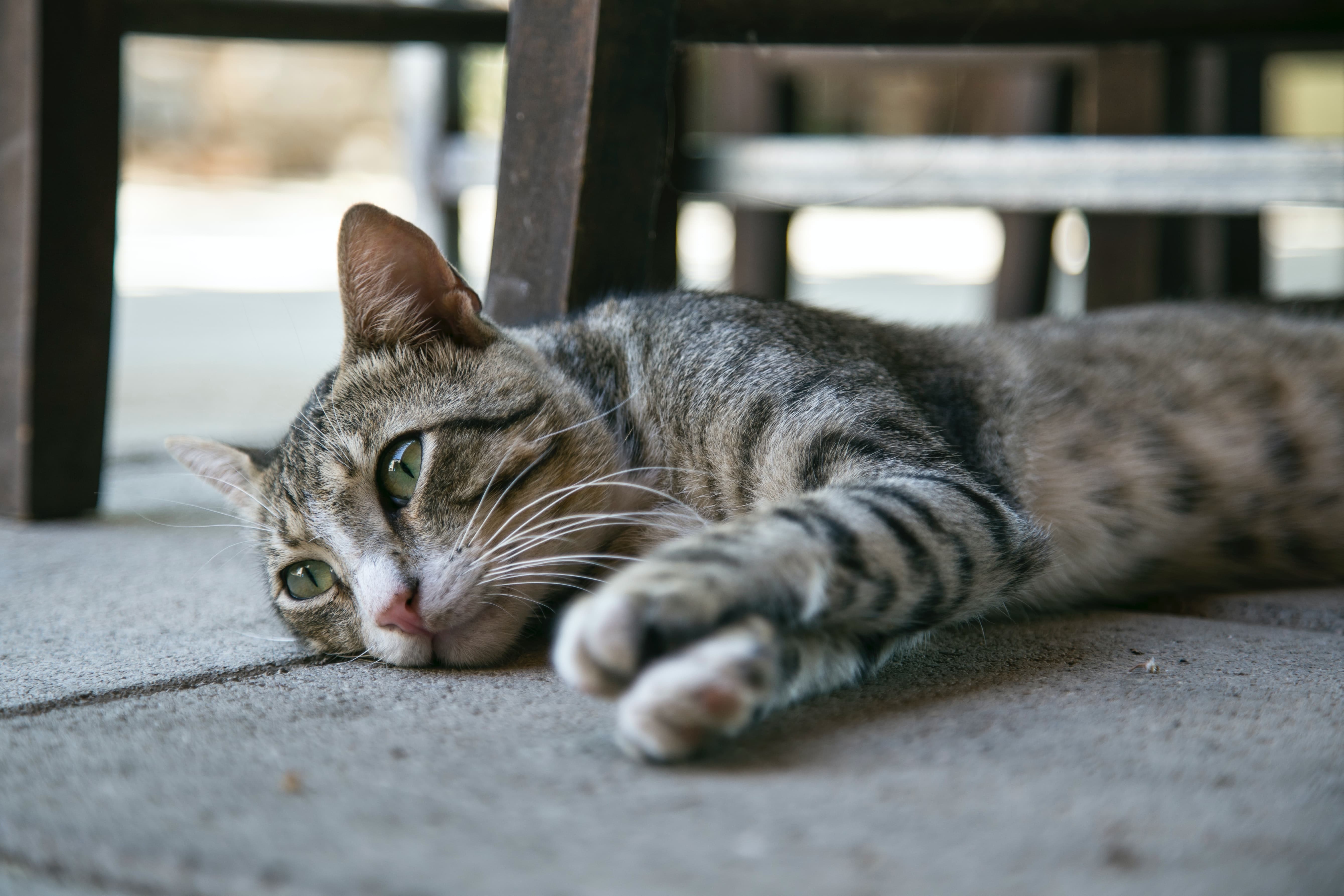
Credit: www.eastvalleyanimal.com
When To Seek Professional Help
Knowing when your cat’s loneliness has turned into something more serious can be challenging. Sometimes, the signs are subtle but still require expert attention. Recognizing these moments early can prevent distress for both you and your feline friend.
Behavioral Experts
If your cat starts showing unusual behaviors like excessive meowing, aggression, or withdrawal, it might be time to consult a behavioral expert. These professionals can identify if loneliness is causing stress or anxiety and offer tailored strategies.
Behaviorists often suggest changes in your cat’s environment or routine. They might recommend interactive toys, puzzle feeders, or even introducing a companion cat carefully. Their advice is practical and based on real-world experience.
Have you noticed your cat pacing or scratching furniture more than usual? These could be signs that a behaviorist’s insight is needed to improve your cat’s mental health.
Veterinary Consultation
Sometimes, loneliness symptoms overlap with medical issues. A vet can rule out health problems that mimic loneliness, such as thyroid imbalances or pain. This step ensures your cat gets the right treatment quickly.
Veterinarians also guide you on nutritional and environmental changes that support emotional well-being. They may suggest supplements or medications to ease anxiety if necessary.
Think about how often you’ve seen your cat hide or refuse to eat. Such changes in behavior often require a vet’s evaluation to protect your cat’s overall health.
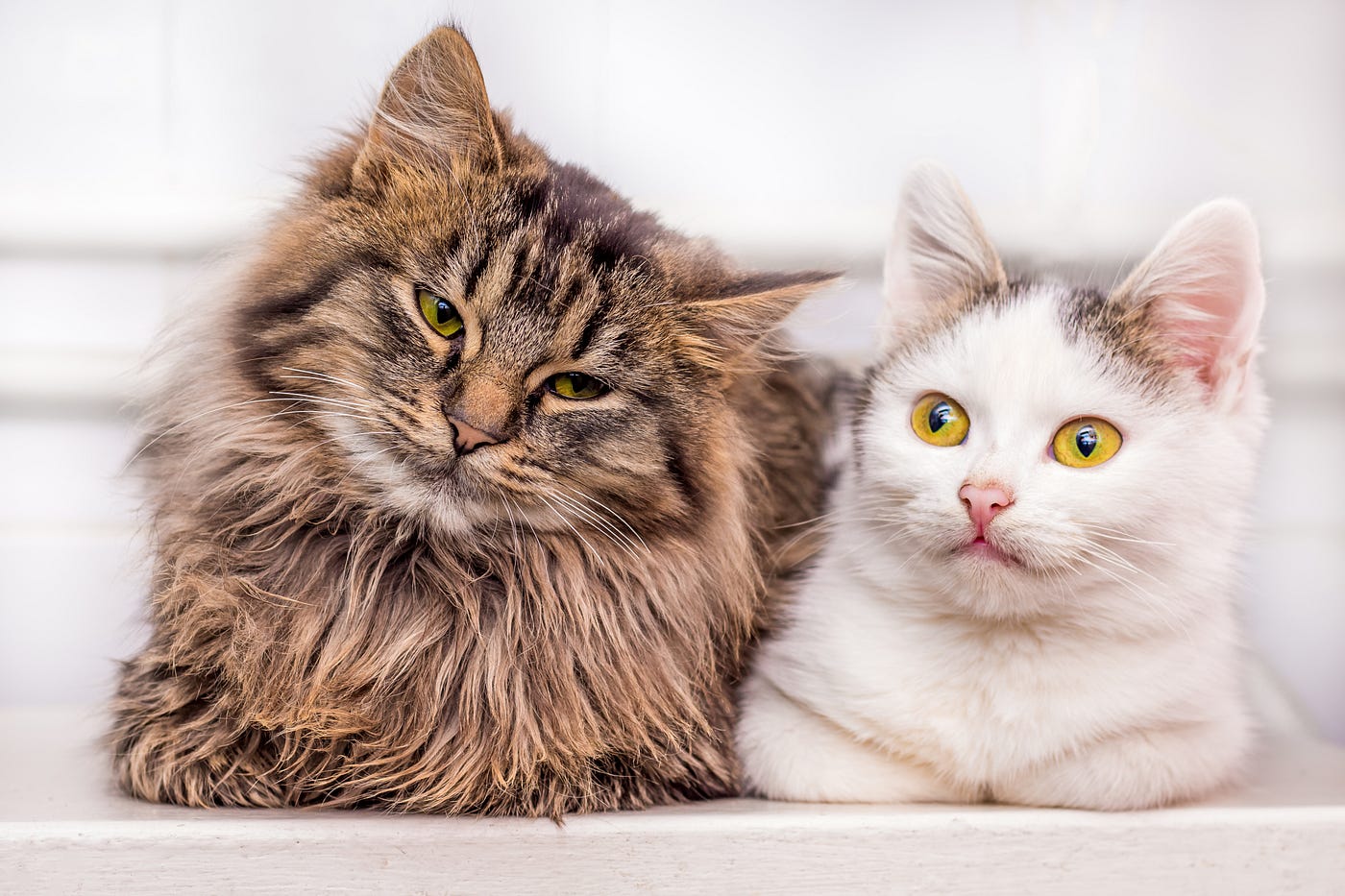
Credit: medium.com
Frequently Asked Questions
Do Cats Feel Lonely When Left Alone?
Yes, cats can feel lonely if left alone for long periods. They need social interaction and mental stimulation to stay happy.
How Can I Tell If My Cat Is Lonely?
Signs include excessive meowing, destructive behavior, and withdrawal. Your cat may also sleep more or seek constant attention.
Can Cats Get Lonely Without Another Cat?
Yes, cats can get lonely without a feline companion. However, some cats prefer human interaction over other cats.
What Are The Best Ways To Prevent Cat Loneliness?
Provide toys, playtime, and companionship. Consider adopting another cat or spending more quality time with your pet.
Conclusion
Cats do feel lonely sometimes, just like people. They need attention, play, and love to stay happy. Spending time with your cat helps reduce loneliness. Giving toys or a friend can make a big difference. Watch your cat’s behavior to know when it feels alone.
Caring for their emotional health is as important as their physical health. A happy cat means a happy home. Keep your cat company and enjoy the bond you share. Simple actions can make your cat feel loved every day.
