

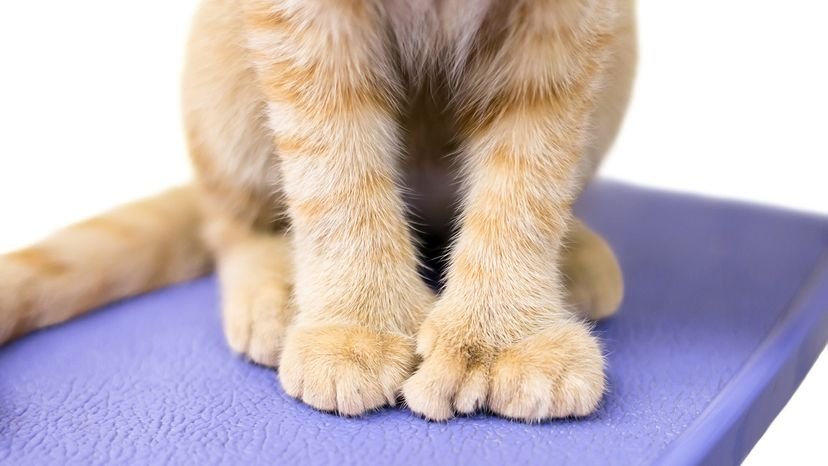
Have you ever stopped to count how many paws your cat really has? It might seem like a simple question, but the answer could surprise you.
Understanding your cat’s paws can give you a deeper look into how they move, hunt, and even express their feelings. If you’re curious about what makes your feline friend so unique, keep reading—because knowing about their paws will change the way you see your cat forever.
Anatomy Of Cat Paws
Cat paws are more than just adorable features; they are complex tools that help your feline friend navigate the world. Understanding their anatomy can give you a deeper appreciation of how cats walk, hunt, and communicate. Let’s break down the key components that make up a cat’s paws and why they’re so important.
Structure And Function
Each cat has four paws, with five toes on the front paws and usually four on the back. The extra toe on the front paws is called the dewclaw, which doesn’t touch the ground but helps in gripping and climbing.
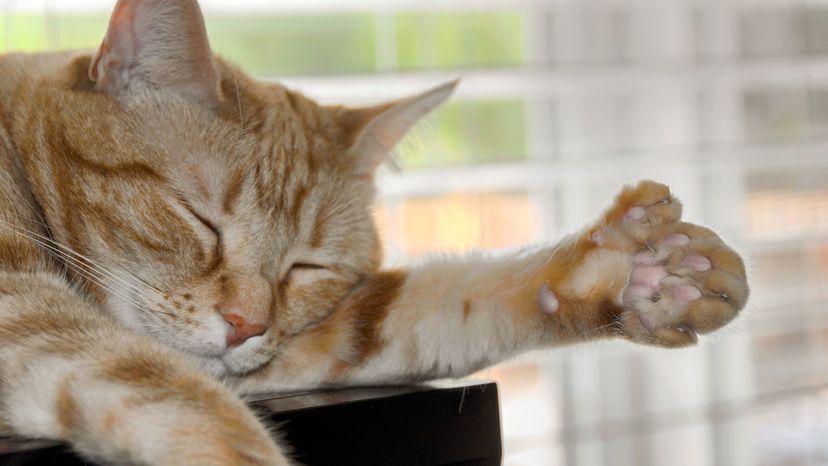
The paw pads cushion every step, allowing silent movement—perfect for stalking prey or sneaking around your living room. These pads also provide traction and absorb shock, protecting joints from impact when your cat jumps or runs.
Have you noticed your cat’s claws retract when they relax? This retractable claw system keeps claws sharp for hunting and climbing, while preventing wear during regular walking.
Unique Features
- Toe Beans:The soft, squishy pads on the bottom of each toe are often called toe beans. They’re sensitive to touch and temperature, helping cats sense their environment.
- Whisker-like Hairs:Some cats have specialized hairs on their paws that act like whiskers, giving extra sensory input about nearby objects.
- Sweat Glands:Believe it or not, your cat’s paws have sweat glands. They help regulate body temperature and leave scent marks to communicate territory.
Think about how your cat uses its paws when playing or exploring. Each feature you see or feel is part of a finely tuned system designed for agility and survival. Next time you watch your cat’s paws in action, you’ll notice just how remarkable they truly are.
Credit: animals.howstuffworks.com
The Standard Paw Count
Understanding the number of paws cats have is a simple yet fascinating topic. Most cat owners expect the usual count, but there are subtle differences worth noting. Let’s dive into what you should expect when counting a cat’s paws.
Typical Number Of Paws
Most cats have four paws—two front and two back. Each paw typically has five toes on the front feet and four on the back feet, making the total number of toes usually 18.
Every paw is equipped with sharp claws that help cats climb, hunt, and defend themselves. Have you ever noticed your cat’s front paws seem more dexterous? That’s because those extra toes give them better grip and balance.
Variations In Breeds
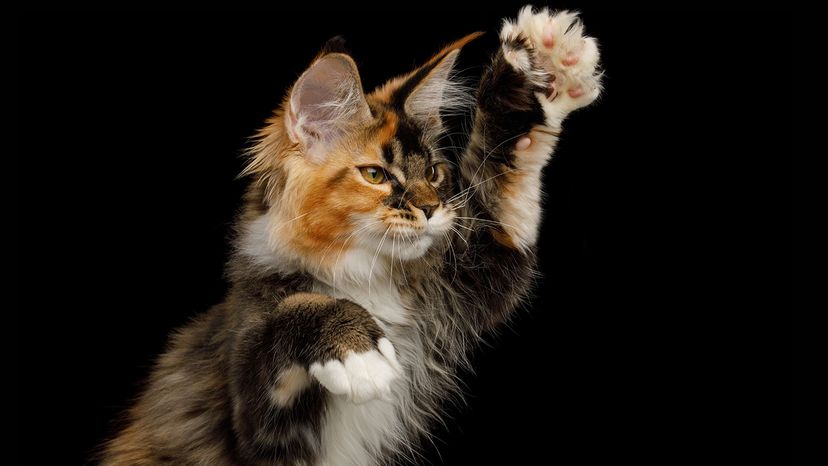
Not all cats fit the typical paw count perfectly. Some breeds, like the Hemingway or polydactyl cats, have extra toes on one or more paws. This genetic variation can give them six or more toes per paw.
Polydactyl cats sometimes surprise their owners with “mitten-like” paws that look different from the usual. These extra toes don’t usually cause problems but can make your cat an extraordinary conversation starter.
Polydactyl Cats
Polydactyl cats stand out from the crowd with an unusual trait: extra toes. This unique feature changes the usual count of paws and gives these cats a charming and distinct appearance. If you’ve ever wondered how many paws cats really have, polydactyl cats offer an intriguing twist.
What Are Polydactyl Cats?
Polydactyl cats are cats born with more toes than the typical number. Most cats have five toes on each front paw and four on each back paw. Polydactyl cats can have six, seven, or even more toes on one or more paws.
This genetic mutation is harmless and doesn’t affect the cat’s ability to walk or climb. Some people believe these extra toes give polydactyl cats better balance and grip. Have you ever noticed a cat with unusually large paws? They might just be polydactyl!
Famous Polydactyl Cats In History
One of the most famous polydactyl cats was “Snowball,” the beloved pet of author Ernest Hemingway. Hemingway’s house in Key West is still home to many polydactyl cats, often called “Hemingway cats.”
Another well-known polydactyl cat was “Unsinkable Sam,” who survived the sinking of three ships during World War II. His extra toes seemed to bring him extra luck!
These cats have inspired fascination for centuries. Could the extra toes be a sign of special traits, or are they simply nature’s way of adding variety? Next time you see a cat with extra toes, you might just be looking at a piece of history.
Credit: animals.howstuffworks.com
Reasons For Extra Toes
Some cats have extra toes, a condition called polydactyly. This trait changes the usual number of paws’ toes, making these cats unique. The reasons for extra toes vary, involving genetics and survival benefits. Understanding these reasons helps explain why some cats have more toes than others.
Genetic Factors
Extra toes happen due to changes in a cat’s genes. A specific gene controls how many toes a cat develops. When this gene mutates, it causes extra digits to grow. This mutation is often inherited from a cat’s parents. Polydactyly is more common in certain breeds and family lines. It does not usually harm the cat but makes their paws look different.
Evolutionary Advantages
Extra toes can help cats in their natural environment. More toes can mean better balance and grip. This helps cats climb trees and catch prey. In snowy or rough areas, extra toes act like built-in snowshoes. These toes spread the cat’s weight, preventing sinking. Cats with extra toes may have had better chances to survive and reproduce. This advantage kept the trait alive in some cat populations.
Care For Cat Paws
Cat paws are delicate and need gentle care to stay healthy. Their paws help them walk, jump, and explore. Keeping cat paws clean and checked helps prevent infections and injuries. Healthy paws make cats happy and active.
Regular Check-ups
Look at your cat’s paws often. Check for cuts, swelling, or redness. Make sure their claws are not too long or broken. Watch if your cat is licking or biting their paws a lot. These signs can mean pain or irritation. Visit the vet if you see any problems.
Grooming And Maintenance
Trim your cat’s claws regularly to stop scratching damage. Use a special cat nail clipper. Clean between the paw pads with a soft cloth. Remove dirt and debris gently. Avoid harsh soaps or chemicals. Give your cat a calm space during grooming. Praise and treats help them stay relaxed.

Credit: oliveranimalhospital.com
Cultural And Historical Significance
The number of paws cats have is more than just a biological fact; it holds a special place in culture and history. Cats, with their unique paws and graceful movements, have inspired stories, beliefs, and art across the world. Their paws symbolize mystery, agility, and sometimes even magic.
Myths And Legends
Many ancient tales highlight cats and their paws as symbols of luck or power. In some stories, cats with extra toes—known as polydactyl cats—were seen as magical creatures. Sailors believed these cats could bring good fortune and protect ships from storms.
Have you ever noticed how often cats appear in folklore as creatures connected to the supernatural? Their paws, soft yet strong, are often mentioned as tools of protection or symbols of otherworldly abilities. This shows how people have long admired their unique features beyond just their appearance.
Cats In Different Cultures
Cats hold different meanings around the globe, often tied closely to their paws. In Japan, the Maneki-neko (beckoning cat) is believed to bring luck and wealth, and its raised paw is a key part of this symbolism. The position of the paw—whether raised or lowered—changes the meaning entirely.
In ancient Egypt, cats were sacred, and their paws were often depicted in art as a sign of grace and protection. You might find statues and paintings showing cats with emphasized paws, reflecting their importance. How do you think your view of cats changes when you know their paws played such a vital role in history?
Frequently Asked Questions
How Many Paws Do Cats Usually Have?
Cats typically have four paws. Each paw has toes with sharp claws that help them climb and hunt effectively.
Do All Cats Have The Same Number Of Toes On Paws?
Most cats have five toes on front paws and four on back paws. Some have extra toes, a condition called polydactylism.
Why Do Cats’ Paws Have Pads?
Pads cushion cats’ steps, absorb shock, and provide traction. They also help cats move silently and sense their surroundings.
Can Cats Use Their Paws To Communicate?
Yes, cats use paws to communicate. They tap or knead to show affection or mark territory with scent glands.
Conclusion
Cats usually have four paws, each with five toes on front feet. Their back paws often have four toes. This helps them balance and move quietly. Some cats have extra toes, called polydactyl cats. Knowing about cat paws helps us understand them better.
Paws are important for walking, climbing, and hunting. Next time you see a cat, take a closer look at its paws. Small details like these show how unique cats truly are.
