

Are you thinking about bringing a cat into your home but wondering if you have enough space? You’re not alone.
Many people ask, “How much room does a cat need? ” because they want to make sure their furry friend will be happy and comfortable. The truth is, your cat’s well-being depends on more than just square footage. You’ll discover simple ways to create a cozy and stimulating environment for your cat, no matter the size of your space.
Keep reading to find out how to make your home the perfect haven for your new companion.
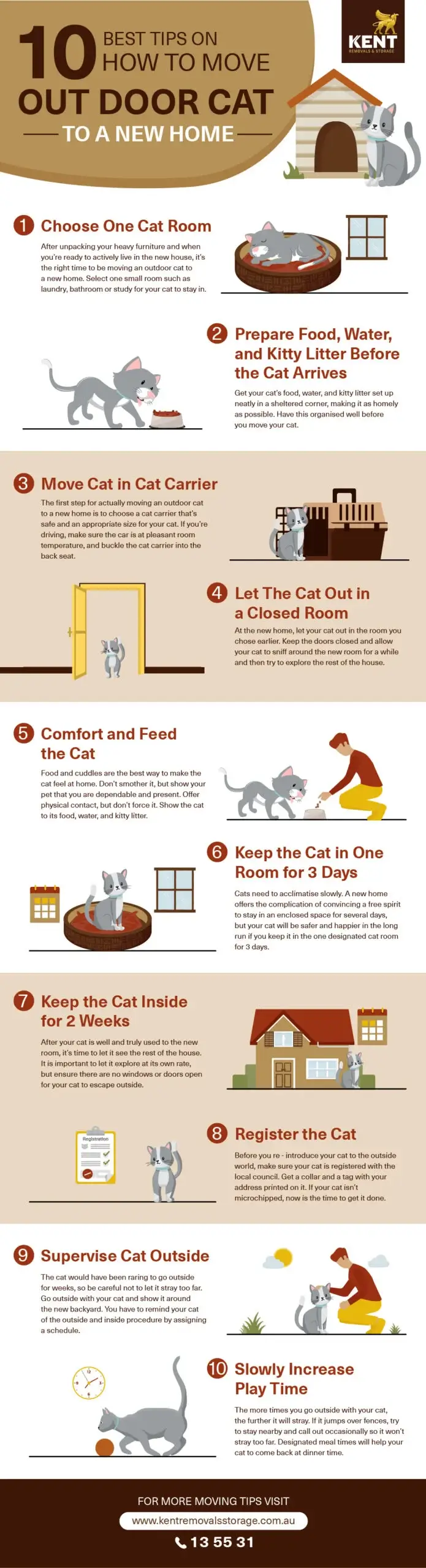
Credit: www.kentremovalsstorage.com.au
Cat Space Basics
Giving your cat enough space is more than just about square footage. It’s about creating an environment that meets their instincts and daily needs. Understanding the basics of cat space helps you make smarter choices for your pet’s happiness and health.
Cats feel secure when they have their own territory. This includes a cozy bed or hideaway where they can retreat and relax without interruption. You might notice your cat prefers a quiet corner or a high perch—these are their safe zones.
Have you ever seen your cat suddenly vanish behind a piece of furniture? That’s a sign they need their own personal space. Respecting this helps reduce stress and promotes better behavior.
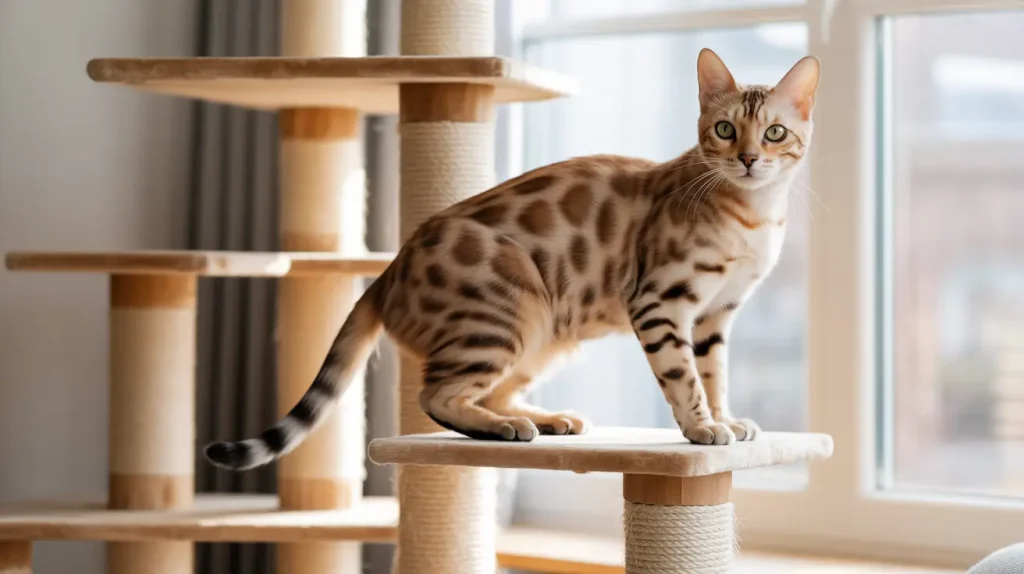
Cats love to climb and observe from above. Adding shelves, cat trees, or window perches gives them vertical territory, which can be as important as floor space. This vertical room allows them to explore safely and feel in control of their environment.
Think about your own experience: don’t you feel more comfortable with a good vantage point? Cats are the same, and providing this space can prevent boredom and anxiety.
Divide your cat’s space into areas for different activities: eating, playing, sleeping, and using the litter box. Keeping these zones separate helps your cat understand boundaries and feel more at ease.
- Eating Area:Quiet and away from the litter box
- Play Zone:Open space with toys and scratching posts
- Resting Spot:Soft, warm, and low-traffic
- Litter Box:Private and easy to access, but separate from food
Have you arranged these zones in your home? Small adjustments can make a big difference in your cat’s comfort and behavior.
Indoor Versus Outdoor Needs
Understanding the difference between indoor and outdoor space needs for your cat is essential. Cats have unique behaviors that change depending on their environment. Knowing what your cat requires can help you create a happier and healthier living space for them.
Indoor Space Needs
Indoor cats rely on you to provide enough room and stimulation. They need areas to climb, hide, and rest comfortably.
Adding vertical spaces like cat trees or shelves gives your cat more room to explore without requiring extra floor space.
Think about your cat’s activity level. A playful cat needs more open space to run and chase toys, while a calmer cat might be content with cozy corners.
Outdoor Space Needs
Outdoor cats naturally get more space to roam, but this doesn’t mean they don’t need secure spots to retreat to.
Providing a safe shelter outside is crucial for protection against weather and predators. This could be a small insulated cat house or a sheltered porch area.
Keep in mind that even outdoor cats benefit from areas that satisfy their climbing and scratching instincts, such as trees or sturdy fences.
Balancing Both Environments
If your cat has access to both indoor and outdoor spaces, consider how these areas complement each other.
Your indoor space should offer comfort and enrichment to encourage your cat to stay inside when needed.
At the same time, outdoor space can provide exercise and mental stimulation, but safety must always come first.
Questions To Ask Yourself
- Does your cat have enough vertical and horizontal space indoors?
- Is your outdoor area secure and free from hazards?
- How much time does your cat spend outside versus inside?
- Are there enough hiding spots and resting places in both environments?
Reflecting on these can help you tailor your cat’s living space to their specific needs.
Ideal Living Space
Your cat’s ideal living space isn’t about square footage alone—it’s about how that space is arranged and used. Cats thrive in environments where they feel secure, stimulated, and comfortable. Understanding what makes a space ideal can help you create a home your cat loves.
Room Size Considerations
Think beyond just floor space. While a larger room offers more room to explore, even small spaces can work if arranged thoughtfully.
Consider the number of cats you have. Multiple cats need more space to avoid stress and territorial disputes.
Ask yourself: does your cat have enough room to run, play, and retreat? If the answer is no, try rearranging furniture or adding cat-friendly elements.
Vertical Space Importance
Cats love to climb and perch. Vertical space adds a whole new dimension to their environment.
Adding shelves, cat trees, or window perches lets your cat explore without needing extra floor space. It also helps reduce conflicts in multi-cat homes by giving each cat its own territory.
Have you noticed your cat’s fascination with high spots? Providing these can satisfy their natural instincts and keep them mentally engaged.
Private Areas For Rest
Every cat needs a quiet, private place to relax and feel safe. This could be a cozy bed tucked away or a box in a quiet corner.
Make sure these spots are easily accessible but shielded from heavy foot traffic and noise. Your cat will appreciate having a retreat when they want to unwind.
Think about the spots your cat already chooses for naps—can you enhance those areas to make them even more inviting?
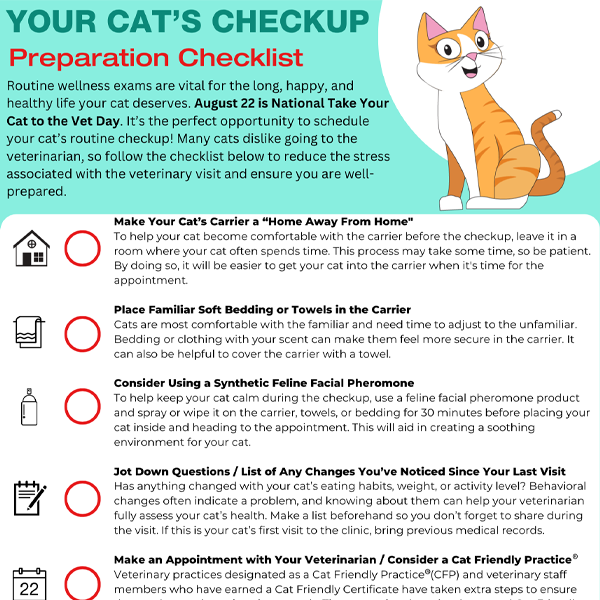
Credit: catfriendly.com
Creating Safe Environments
Creating a safe environment for your cat is essential to ensure they thrive and feel secure in your home. Cats are curious creatures, often exploring every nook and cranny. Without proper safety measures, their natural curiosity can lead to dangerous situations.
Hazardous Items To Avoid
Many common household items pose risks to your cat’s health. Small objects like rubber bands, strings, and paper clips can be swallowed, causing choking or digestive blockages. Certain plants such as lilies, poinsettias, and philodendrons are toxic and should never be accessible.
Household chemicals like cleaning products, antifreeze, and some medications are also harmful. Keep these well out of reach, preferably locked away. Electrical cords are another hidden danger—cats may chew on them, risking electric shock.
Cat-proofing Your Home
Securing your living space doesn’t mean restricting your cat’s freedom but making it safer. Use cord protectors or tape down loose wires to prevent chewing. Store hazardous items in cabinets with childproof locks.
Consider installing secure screens on windows and balconies to stop accidental falls. Provide plenty of safe toys and scratching posts to keep your cat engaged and less likely to explore dangerous areas. Have you checked every corner of your home from your cat’s perspective? Sometimes, the smallest gap or loose item can be the biggest risk.
Enrichment Essentials
Creating a stimulating environment is key to ensuring your cat feels comfortable and happy, regardless of the size of your space. Enrichment essentials go beyond just room size—they help keep your cat active, engaged, and mentally sharp.
Toys And Play Areas
Toys are not just fun; they are vital for your cat’s mental and physical health. A variety of toys like feather wands, laser pointers, and interactive puzzles can keep your cat entertained for hours.
Set up dedicated play areas where your cat can safely chase, pounce, and explore. Even a small corner with a soft mat and a few toys can become a favorite spot. Have you noticed how a simple ball of paper can suddenly become your cat’s greatest treasure?
Scratching Posts And Climbing
Scratching posts satisfy your cat’s natural urge to scratch while protecting your furniture. Choose posts or pads made from materials like sisal or cardboard for the best results.
Climbing options such as cat trees or wall-mounted shelves add vertical space and encourage your cat to exercise. Cats love high vantage points to observe their surroundings—why not give them a safe place to do it?
Consider the height and sturdiness of these structures to match your cat’s size and activity level. What creative spots in your home could double as climbing adventures for your feline friend?
Shared Spaces With Other Pets
Sharing your home with multiple pets can be rewarding but also challenging, especially when it comes to your cat’s space. Cats are territorial by nature, and their comfort depends on how well they adapt to other animals in shared environments. Understanding how to introduce new pets and manage shared resources will help maintain peace and reduce stress for everyone involved.
Introducing Cats To New Animals
Introducing a cat to a new pet requires patience and careful planning. Start by keeping them separated and allowing them to sniff each other’s scent through a closed door. This simple step helps your cat get used to the new presence without feeling threatened.
Next, arrange short, supervised meetings in a neutral area. Watch their body language closely—if your cat’s ears flatten or tail twitches, it’s a sign to slow down. Gradual exposure over days or weeks often leads to better long-term relationships.
Have you noticed how some cats become curious quickly, while others hide for days? Respect your cat’s pace. Forcing interactions can backfire and create lasting anxiety.
Managing Shared Resources
Resource guarding is a common issue in multi-pet households. To prevent conflicts, provide separate food bowls, water dishes, litter boxes, and resting spots for each pet. This setup ensures your cat doesn’t feel the need to compete for essentials.
Place these resources in different locations to avoid crowding. For example, a feeding station in the kitchen and another in the living room can help pets eat calmly without interruptions.
- Offer multiple scratching posts and toys to keep your cat entertained and reduce territorial disputes.
- Ensure each pet has a safe retreat space where they can relax undisturbed.
- Monitor interactions and adjust resource placement if any signs of stress or aggression appear.
How can you tell if your cat feels secure around other pets? Look for relaxed body posture and normal grooming habits. These signs mean your cat has found its comfort zone in the shared space.
Signs Of Space-related Stress
Cats need enough space to feel safe and relaxed. Without enough room, they may show signs of stress. These signs help you understand if your cat feels cramped or uneasy. Recognizing these signals early can prevent bigger problems.
Behavioral Indicators
- Hiding more than usual
- Aggression towards people or other pets
- Excessive grooming or licking
- Restlessness and pacing
- Refusing to eat or play
- Sudden changes in sleeping spots
Physical Symptoms
- Weight loss or poor appetite
- Loss of fur or bald patches
- Increased shedding
- Frequent scratching or skin irritation
- Dilated pupils and rapid breathing
- Signs of dehydration or lethargy
Adjusting Space For Different Cat Personalities
Cats have different personalities that affect their space needs. Some cats are very active and need room to run and play. Others are shy or anxious and prefer quiet, cozy spots. Adjusting your home to fit your cat’s personality helps keep them happy and healthy.
Accommodating Active Cats
Active cats need space to move and explore. They enjoy climbing, jumping, and chasing toys. Provide tall cat trees and shelves for climbing. Open areas allow them to run and play freely. Rotate toys often to keep their interest. Use interactive toys to stimulate their minds and bodies. Active cats thrive in environments with plenty of physical and mental challenges.
Catering To Shy Or Anxious Cats
Shy or anxious cats prefer safe, quiet spaces. Create hiding spots with soft bedding and dim lighting. Use covered beds or boxes where they can retreat. Place these safe zones in low-traffic areas of the home. Keep noise and sudden movements to a minimum. Offer gentle interaction and let them approach on their terms. Providing calm and secure spaces reduces stress and builds trust.
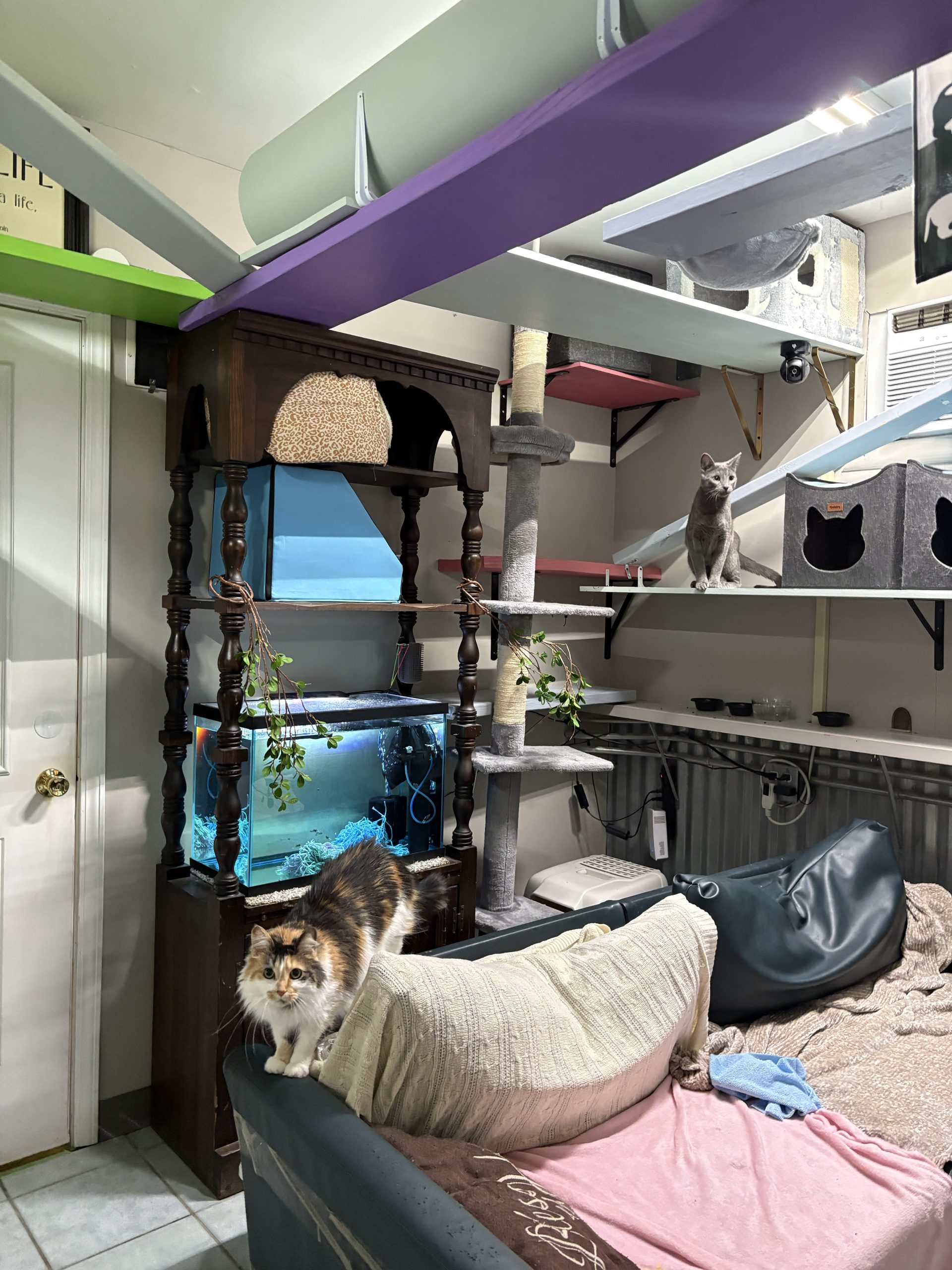
Credit: catboardingdetroit.com
Frequently Asked Questions
How Much Space Does A Cat Need Indoors?
Cats need at least 18 square feet of dedicated space indoors. This includes areas for eating, sleeping, and playing. Adequate space helps reduce stress and encourages natural behaviors like climbing and exploring.
Can Small Apartments Comfortably House Cats?
Yes, cats can adapt to small apartments if enriched properly. Provide vertical spaces, scratching posts, and interactive toys. Regular playtime and cozy resting spots make smaller areas comfortable for cats.
Does Cat Breed Affect Space Requirements?
Some cat breeds, like Bengals, need more space due to high energy. Other breeds, such as Persians, are more sedentary and need less room. Tailor your space based on your cat’s breed and activity level.
How To Optimize Limited Space For A Cat?
Use vertical climbing shelves and window perches to maximize space. Rotate toys and create cozy hiding spots. This enriches your cat’s environment and compensates for limited floor space.
Conclusion
Cats need enough space to move, play, and rest comfortably. A small area can work, but more room helps cats stay happy and healthy. Vertical spaces like shelves or cat trees add extra room without taking floor space. Remember, cats love cozy spots and places to hide.
Giving your cat space to explore keeps them active and reduces stress. Think about your cat’s personality and energy level when choosing their space. A happy cat makes a happy home. Simple changes can improve your cat’s life a lot.
