


If you have a cat, you want to keep it safe and healthy. One important way to do that is through vaccinations.
But how often do cats really need a rabies vaccine? You might be wondering if it’s a yearly thing or just once in a lifetime. The answer isn’t always simple, and missing this crucial shot can put your furry friend at risk.
Keep reading to find out exactly when and why your cat needs the rabies vaccine, so you can protect them the right way.
Importance Of Rabies Vaccination
Rabies vaccination is a crucial part of keeping your cat healthy and safe. This deadly virus affects the brain and is almost always fatal once symptoms appear. Vaccinating your cat not only protects them but also safeguards your family and community.
Protecting Your Cat From A Fatal Disease
Rabies attacks the nervous system and can lead to severe symptoms like paralysis and aggression. Once a cat shows signs of rabies, treatment is impossible. Vaccination is the only way to prevent this devastating outcome.
Think about how much your cat depends on you for its well-being. A simple vaccine can save their life and avoid a painful illness.
Preventing The Spread To Humans And Other Animals
Rabies is zoonotic, meaning it can spread from animals to humans. Cats often have outdoor access and may encounter wild animals carrying the virus. Vaccinating your cat reduces the risk of transmission to your family and neighbors.
Would you want to risk your loved ones’ safety over something preventable? A vaccinated cat lowers that risk significantly.
Meeting Legal Requirements
Many areas require cats to be vaccinated against rabies by law. This is to protect public health and control outbreaks. Keeping your cat’s vaccination up to date ensures you comply with these rules.
Failing to vaccinate can lead to fines or quarantine orders. It’s easier to stay ahead and avoid legal headaches.
Contributing To Community Health
Vaccinated cats help create herd immunity, reducing the overall presence of rabies in your neighborhood. This protects stray and wild animals too, limiting the virus’s ability to spread.
When your cat is vaccinated, you play a part in a larger effort to keep the entire community safe. Isn’t that a responsibility worth taking?

Credit: weareallaboutcats.com
Rabies Vaccine Schedule For Cats
Rabies is a deadly disease that affects cats and humans alike. Vaccinating your cat against rabies protects their health and ensures public safety. Understanding the rabies vaccine schedule helps pet owners keep their cats safe and healthy.
Initial Vaccination
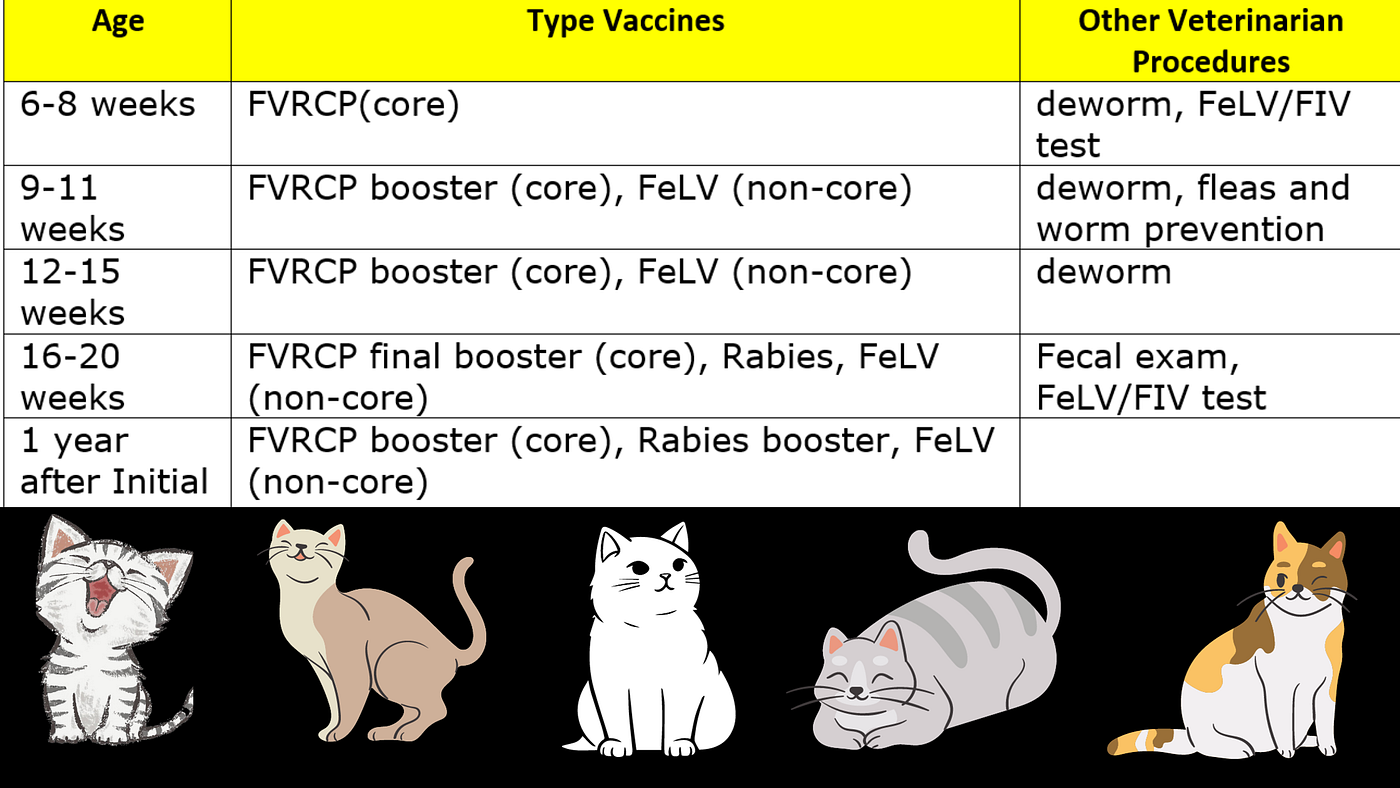
The first rabies vaccine is usually given when a kitten is about 12 weeks old. This initial shot helps build immunity against the rabies virus. Veterinarians may adjust the timing based on the kitten’s health and local laws. It’s important to complete this first vaccination on time to start protection early.
Booster Shots
After the initial vaccine, cats need booster shots to maintain immunity. The first booster is given one year after the initial shot. Then, boosters are typically given every one to three years, depending on the vaccine type and local regulations. Regular boosters keep your cat protected throughout their life.
State And Local Laws
Understanding state and local laws is crucial when deciding how often your cat needs a rabies vaccine. These laws are designed to protect both pets and people from the dangers of rabies, but they can vary widely depending on where you live. Knowing the specific requirements in your area ensures you keep your cat safe and avoid legal trouble.
Mandatory Vaccination Laws
Most states require cats to have a rabies vaccine by a certain age, often around 3 to 4 months old. Some local areas may even demand proof of vaccination before you can register your cat or let it roam outdoors.
Failing to comply can result in fines or restrictions on your pet’s activities. Have you checked your city or county’s animal control website lately? They usually provide clear guidelines on mandatory vaccinations.
Frequency Requirements
How often you need to vaccinate your cat depends on local rules and the type of vaccine used. Some states allow a rabies vaccine every three years, while others require it annually.
It helps to keep a vaccination record handy and ask your vet about the best schedule to follow. Are you keeping track of your cat’s vaccine dates, or could this be an area to improve your pet care routine?
Signs Of Rabies In Cats
Recognizing the signs of rabies in cats is crucial for their safety and yours. Rabies affects the nervous system and can cause noticeable changes in behavior and physical health. Staying alert to these signs can help you act quickly and protect your feline friend.
Behavioral Changes
One of the earliest signs of rabies in cats is a sudden shift in behavior. Your usually friendly cat might become unusually aggressive or irritable without any clear reason.
Alternatively, some cats may become very shy or withdrawn, avoiding interaction even with their favorite humans. You might notice your cat pacing restlessly or showing signs of confusion and disorientation.
Have you ever seen a calm cat suddenly snap or hide for hours? These changes can be red flags for rabies and should never be ignored.
Physical Symptoms
Physical signs often follow behavioral changes and can include excessive drooling or foaming at the mouth. This happens because rabies affects the muscles used for swallowing, making it hard for your cat to keep saliva inside.
Other symptoms include difficulty walking, staggering, or even paralysis in the later stages. You might also see seizures or muscle spasms, which are serious indicators of the disease.
Noticing these symptoms early can make a huge difference in your cat’s outcome. If you spot any of these signs, contact your vet immediately to discuss next steps.
Safety And Side Effects
Vaccinating cats against rabies is crucial for their health and safety. Like any vaccine, rabies shots may cause side effects. Understanding these helps pet owners stay calm and act wisely. Safety is a priority, so knowing what to expect after vaccination is important.
Common Side Effects
- Mild swelling or soreness at the injection site
- Low fever lasting one or two days
- Temporary tiredness or reduced appetite
- Sneezing or coughing in rare cases
These reactions usually go away quickly without treatment. They show the cat’s immune system is responding to the vaccine.
When To Contact A Vet
- Severe swelling or lumps at the injection site
- Difficulty breathing or wheezing
- Repeated vomiting or diarrhea
- Unusual behavior like weakness or collapse
- Any signs lasting more than 48 hours
Immediate vet care is vital for these symptoms. Early action can prevent serious health issues in cats.
Credit: medium.com
Choosing The Right Veterinarian
Choosing the right veterinarian is crucial for your cat’s health, especially when it comes to important vaccines like rabies. The veterinarian you pick should not only have the right skills but also make you feel confident and informed about your cat’s care. How can you tell if a vet is the best fit for your furry friend?
Experience And Qualifications
Look for a veterinarian with solid experience in feline care. A vet who has handled many cats will understand their unique needs better. Check if they have specific training or certifications related to infectious diseases and vaccinations.
Ask about their approach to rabies vaccination schedules. Do they follow the latest guidelines? A knowledgeable vet will explain why your cat needs the vaccine at certain intervals and answer your questions clearly.
Client Reviews
Reading reviews from other cat owners gives you insight into a vet’s reputation. Look for comments about how the vet handles vaccinations and communicates with pet owners.
Positive reviews often mention a vet’s patience and thoroughness during visits. If you see many clients praising the vet’s care and professionalism, it’s a good sign you’re in capable hands.
Cost Of Rabies Vaccination
Understanding the cost of rabies vaccination for your cat is essential before scheduling an appointment. The price can vary widely depending on several factors. Knowing what influences the cost can help you plan better and avoid surprises.
Factors Affecting Cost
The cost of a rabies vaccine depends on where you live and the type of veterinary clinic you choose. Urban areas with higher living costs usually charge more than rural locations.
Another factor is whether the vaccine is given during a routine check-up or as a separate visit. Some clinics include it in a wellness package, which can be more affordable.
Additional fees such as office visits, administration charges, or local licensing fees may also increase the total cost. Don’t forget to ask your vet for a detailed breakdown before the appointment.
Budgeting Tips
Look for low-cost vaccination clinics or community pet health events in your area. These can significantly reduce your expenses without compromising your cat’s health.
Consider scheduling the rabies vaccine alongside other vaccinations or regular check-ups. Combining services often lowers overall costs and saves time.
Ask your vet if they offer payment plans or discounts for multiple pets. Sometimes, simple questions can unlock savings you didn’t expect.
Have you checked if your pet insurance covers vaccinations? It might be worth reviewing your policy to avoid out-of-pocket costs.
Credit: www.diamondpet.com
Special Considerations For Indoor Cats
Indoor cats live in a safer environment than outdoor cats. They face less risk of catching rabies from wild animals. Still, rabies vaccination remains important for their health. Assessing the risks and following vaccination guidelines help keep indoor cats protected.
Risk Assessment
Indoor cats rarely meet wild animals that carry rabies. The chances of exposure are low but not zero. Accidental escapes or visits from bats or rodents can happen. Some indoor cats live near wooded areas or farms. These factors increase rabies risk slightly.
Regular check-ups help monitor any risk changes. Owners should watch for contact with other animals. A safe indoor environment reduces risk. Yet, no environment is completely free from rabies threat.
Vaccination Recommendations
Most veterinarians advise vaccinating indoor cats against rabies. The vaccine protects cats even if they escape briefly. Vaccination schedules vary by region and law. Some places require rabies shots every year. Others allow three-year vaccination intervals.
Consult your vet about the best plan for your cat. Keep vaccination records updated and accessible. Rabies vaccines are safe and effective for indoor cats. They provide peace of mind and legal compliance.
Faqs About Cat Rabies Vaccine
Many cat owners have questions about the rabies vaccine. Understanding the basics helps keep cats safe and healthy. This section answers common questions about the cat rabies vaccine.
What Is The Rabies Vaccine For Cats?
The rabies vaccine protects cats from a deadly virus. Rabies affects the brain and can spread to humans. Vaccinating cats stops this disease from spreading.
How Often Do Cats Need The Rabies Vaccine?
Most cats get their first rabies shot at three months old. A booster shot is needed one year later. After that, shots are given every one to three years, depending on local laws and the vaccine type.
Is The Rabies Vaccine Safe For Cats?
The rabies vaccine is very safe. Some cats may have mild side effects like swelling or tiredness. Serious reactions are rare and usually happen soon after vaccination.
Can Indoor Cats Skip The Rabies Vaccine?
Indoor cats still need the rabies vaccine. Rabies can spread from wildlife or other animals. Many places require all cats to be vaccinated by law.
What Happens If My Cat Misses A Rabies Booster?
If a booster is missed, contact your vet quickly. The cat may need a new vaccine series. This keeps the cat protected and follows legal rules.
Are There Different Types Of Rabies Vaccines For Cats?
Yes, there are several types of rabies vaccines. Some protect for one year, others for three years. Your vet will choose the right vaccine for your cat.
Frequently Asked Questions
How Often Should Cats Get Rabies Vaccines?
Cats typically need rabies vaccines every 1 to 3 years. The schedule depends on local laws and vaccine type. Consult your vet for personalized advice to keep your cat protected and compliant with regulations.
Why Is Rabies Vaccination Important For Cats?
Rabies vaccination protects cats from a deadly virus that affects the brain. It also prevents transmission to humans and other animals. Vaccination is a crucial part of responsible pet ownership and public health.
Can Indoor Cats Skip Rabies Vaccines?
Even indoor cats should get rabies vaccines. The virus can spread through bats or accidental exposure. Vaccinating indoor cats ensures their safety and follows legal requirements in many areas.
What Are The Legal Requirements For Cat Rabies Vaccines?
Most regions legally require cats to have rabies vaccines. The laws vary by location but often mandate initial and booster shots. Check local regulations to ensure your cat is vaccinated and compliant.
Conclusion
Cats need rabies vaccines regularly to stay safe and healthy. Usually, vets recommend a vaccine every one to three years. This depends on your cat’s age, health, and local laws. Keeping up with shots helps protect your pet and people around.
Always check with your vet to know the right schedule. Protecting your cat is simple with timely vaccines. Stay informed and keep your furry friend safe from rabies risks.
