

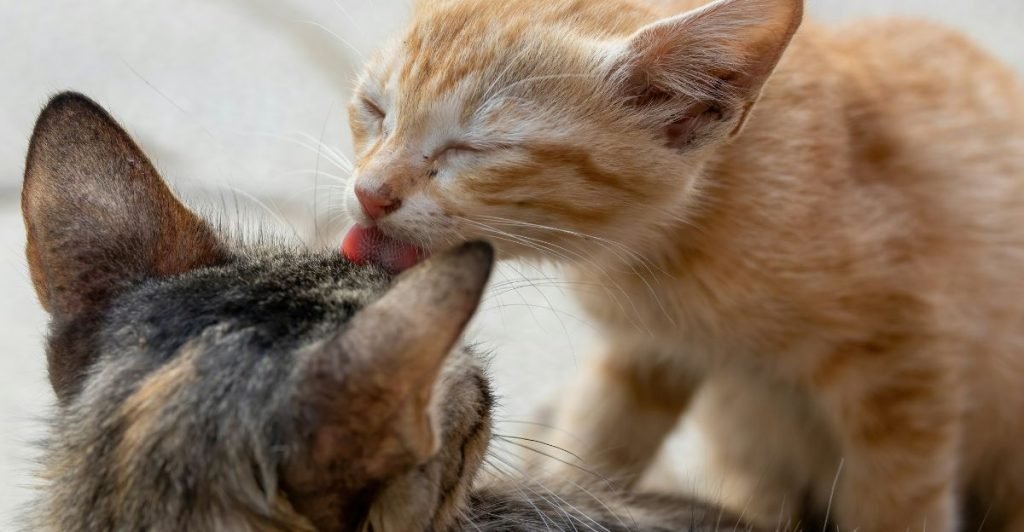
Have you ever watched cats licking each other and wondered why they do it? It’s more than just a cute moment.
When cats groom one another, they’re sending powerful messages you might not realize. Understanding this behavior can help you connect better with your furry friends and spot important signs about their mood and health. Keep reading to discover the surprising reasons behind this common cat habit and what it means for your pet’s happiness.
Social Bonding
Watching cats lick each other might seem like a simple grooming habit, but it’s actually a powerful way they build and maintain social bonds. This behavior goes beyond cleanliness—it strengthens trust and creates a sense of belonging within their group. Understanding why cats engage in this can help you see your feline friends’ relationships in a whole new light.
How Grooming Builds Trust
When cats lick each other, they are showing trust. They let their companions get close enough to groom sensitive areas like the head and neck. This act signals safety and comfort, which is essential for any strong friendship or family bond.
If your cats groom each other, it means they feel secure together. Have you noticed your cats avoiding grooming when stressed or uncomfortable? That’s a clear sign how important this behavior is for emotional connection.
Creating A Sense Of Community
Mutual grooming helps cats create a social group, almost like a little community. It’s not just about cleaning; it’s about sharing time and attention. This shared activity helps reduce tension and prevents conflicts.
Think about how your cats behave after a grooming session—they often rest calmly or play more peacefully. This shows the positive impact of their bonding ritual on their mood and relationship.
Maintaining Social Hierarchy
Licking can also reflect social ranks within a group of cats. Dominant cats sometimes groom others as a gentle reminder of their position. However, this is usually a peaceful way to keep order without aggression.
Have you seen one cat patiently licking another and the other accepting it quietly? That’s a subtle but clear social signal that keeps harmony in the group.
Grooming And Hygiene
Cats licking each other is a common sight in multi-cat households. This behavior plays a key role in their grooming and hygiene routine. It helps them stay clean and healthy.
Grooming each other removes dirt and loose fur. It also helps prevent parasites from spreading. Cats reach spots hard to clean by themselves, like the head and neck.
Beyond cleanliness, grooming builds trust and social bonds. It shows care and friendship among cats. This shared activity reduces stress and creates a calm environment.
Cleaning Hard-to-reach Areas
Cats use their tongues to clean places they cannot reach alone. Licking each other helps keep their fur smooth and free of debris. This is important for overall health and comfort.
Removing Parasites And Dirt
Grooming helps remove fleas, ticks, and dirt from the fur. Cats licking one another reduce the risk of skin problems. This natural cleaning method supports their immune system.
Maintaining Coat Health
The tongue spreads natural oils across the fur. These oils protect the skin and keep the coat shiny. Regular licking improves fur texture and prevents matting.
Strengthening Social Bonds
Mutual grooming creates strong social connections. It shows affection and builds trust between cats. This behavior helps reduce conflicts in a group.
Territorial Behavior
Cats use licking to show territorial behavior. This action helps them mark their space and communicate with others. It is a peaceful way to share territory without fighting. Licking spreads a cat’s unique scent on its fur and on other cats. This scent marks the group as one family or team. It reduces chances of conflict and builds trust among cats.
How Licking Marks Territory
Licking transfers scent glands located around a cat’s face and body. These scents create a familiar smell for other cats. When cats lick each other, they blend their scents. This shared scent tells outsiders that these cats belong together. It also signals that the area is claimed by the group.
Building Social Bonds Through Scent
Territorial licking is more than marking space. It strengthens social bonds between cats. Cats that live together lick each other often. This behavior shows acceptance and friendship. It helps cats feel safe and part of a group. Strong bonds reduce stress and promote harmony in the territory.
Preventing Conflicts With Scent Sharing
When cats share scents by licking, they avoid fights. The scent acts as a warning to strangers. It says, “This area is occupied.” Cats respect these scent markers and keep distance. This peaceful communication protects the cats and their home.
Credit: www.discovermagazine.com
Stress Relief
Cats often lick each other to manage stress, a behavior that goes beyond mere hygiene. This mutual grooming acts as a calming ritual, helping cats feel safe and connected. When your cats engage in this behavior, they’re not just cleaning—they’re sharing comfort.
How Grooming Reduces Anxiety
Licking triggers the release of endorphins, natural chemicals that ease tension and create a sense of well-being. You might notice your cat’s breathing slows and muscles relax during grooming sessions, signaling reduced anxiety.
Have you seen your cats pause and seem more at ease after licking each other? That’s the stress relief in action.
Social Bonding As A Stress Buffer
When cats groom each other, they strengthen social bonds that act like a support system. This connection helps them face stressful situations, like changes in their environment or the arrival of new pets.
Think about your cats during a thunderstorm—do they seek each other out more? Their grooming is likely a way to comfort each other and reduce fear.
Signs Your Cats Use Grooming To Cope
- Increased grooming during or after stressful events
- Mutual licking intensifies when a new animal or person enters the home
- Calm behavior following grooming sessions
Notice these signs? It’s your cats’ way of calming down together.
Motherly Instincts
Motherly instincts in cats go beyond just caring for their kittens. Licking plays a crucial role in this natural behavior, helping moms bond, clean, and protect their young. This instinct often carries over into adulthood, influencing how cats interact with each other.
How Licking Strengthens The Bond Between Mother And Kitten
When a mother cat licks her kittens, she’s not just cleaning them. She’s building trust and comfort, making the kittens feel safe and loved.
You might notice that kittens respond with purring or nuzzling during these moments, showing how important this connection is. It’s a silent communication of care and reassurance.
Licking As A Way To Keep Kittens Clean And Healthy
Mother cats lick their kittens to remove dirt and stimulate bodily functions like urination and defecation. This helps keep the babies clean and prevents infections.
This natural hygiene routine is vital in the early weeks when kittens can’t groom themselves. It’s a practical aspect of motherly care that ensures survival.
How Motherly Licking Helps Teach Social Skills
Through licking, mother cats teach kittens important social behaviors. It’s a way to show affection and establish boundaries.
As a cat owner, you might see adult cats licking each other in your home. This behavior often stems from those early lessons learned from mom.

Credit: www.moopetcover.com
Communication And Scent Marking
Cats use licking as a powerful tool for communication and scent marking. This behavior goes beyond simple grooming; it is a way for cats to connect and share information. When cats lick each other, they are creating a shared scent and sending clear social signals.
Building Bonds Through Shared Scents
When your cats lick each other, they mix their unique scents together. This creates a group scent that tells other cats, “We belong together.”
I once watched two cats in my neighborhood lick each other for several minutes. Afterward, they calmly rested side by side, showing how licking helped strengthen their relationship.
Have you noticed how calm your cats seem after grooming each other? That’s because the shared scent helps reduce tension and promotes trust.
Sending Social Signals
Licking also communicates social status and affection within a cat group. A dominant cat may lick a subordinate one to show control but also care.
Your cat might lick a new feline friend repeatedly, signaling acceptance and friendliness. This helps avoid fights and creates harmony.
Think about how your cats act after a licking session. Are they more relaxed or playful? That’s a sign their communication worked.
Marking Territory With Scent
Cats have scent glands in their saliva. When they lick each other, they leave behind their personal scent marks.
This shared scent acts like a territorial marker, telling other cats that the group is established and protected.
Next time your cats lick each other, consider that they might be quietly saying, “This space and these friends are mine.”
Establishing Hierarchy
When cats lick each other, it’s not just about keeping clean or showing affection. One key reason is to establish hierarchy within their group. This behavior helps maintain order and balance among feline companions, which is crucial for their social harmony.
Understanding Social Ranking Through Grooming
Grooming is a way cats communicate their social status. Usually, dominant cats lick those lower in the hierarchy more often. This signals control and care, reminding the group about their place without conflict.
If you watch closely, you’ll notice the dominant cat often chooses where to groom, focusing on less accessible spots like the head or neck. This reinforces their role as the leader or protector.
How Submission Shows In Grooming
Submissive cats accept grooming from dominant ones without resistance. Sometimes, they even return the favor but in a less intense way. This mutual grooming keeps peace and prevents fights over territory or resources.
Have you ever seen your cats grooming each other gently? That’s a sign they respect each other’s roles and feel secure in their positions.
The Role Of Mutual Grooming In Group Stability
Mutual grooming creates bonds that support group stability. It’s a silent agreement that everyone knows their place and follows the unwritten rules. This keeps your cats calmer and reduces stress in multi-cat households.
Pay attention to how your cats groom after a new cat joins the family. It’s their way of negotiating and fitting into the social ladder.
Health Benefits
When cats lick each other, it’s more than just a grooming habit—it’s a way they help keep each other healthy. This behavior has several health benefits that contribute to their physical and emotional well-being. Understanding these benefits can give you a new appreciation for the close bonds between your feline friends.
Improves Skin And Coat Health
Cat saliva contains enzymes that help clean the fur and skin. When cats lick each other, they remove dirt, loose hair, and parasites like fleas or ticks. This natural cleaning keeps their coats shiny and healthy.
Have you noticed your cats grooming each other after playing outside? This behavior helps reduce the chance of skin infections and irritations, which you might not see until it becomes a problem.
Reduces Stress And Anxiety
Licking releases endorphins in cats, which help them feel calm and happy. When cats groom each other, it can lower their stress levels and create a safe, comforting environment.
If your cats lick each other during a thunderstorm or when they feel nervous, it’s their way of providing reassurance. This social grooming acts like a natural stress relief method.
Strengthens Social Bonds
Health isn’t just about the body—it includes emotional well-being too. Cats licking each other reinforce trust and friendship within their group. This close connection supports a stable social structure, reducing conflicts and aggression.
Think about your cats: if they lick and groom each other often, it usually means they feel secure and bonded. This emotional health benefit is just as vital as the physical ones.
Helps With Healing Minor Wounds
Cat saliva has mild antibacterial properties that can help clean minor cuts or scratches. When cats lick each other’s wounds, they help prevent infections and speed up healing.
This natural first aid might surprise you, but it’s a real benefit your cats share with one another. Next time you see your cats licking a small scratch, remember they are helping each other recover.
Recognizing Abnormal Licking
Recognizing abnormal licking in cats is crucial for your pet’s health. While grooming each other is normal, excessive or aggressive licking can signal stress or health issues. Paying attention to these changes helps you act quickly and keep your cats comfortable.
Signs That Licking Has Become Excessive
Normal licking usually happens in short, gentle sessions. If you notice your cat licking another cat for long periods without stopping, it could be a red flag.
Look for bald patches or raw skin where licking occurs frequently. These physical signs often indicate that the licking has turned harmful rather than caring.
Behavioral Changes To Watch For
Does your cat seem anxious or restless before or after licking? Abnormal licking is often linked to stress or boredom.
Also, observe if the cat being licked tries to escape or shows signs of discomfort. This tells you the licking may not be welcomed and could be causing distress.
Health Issues Behind Abnormal Licking
Sometimes, cats lick excessively because of skin allergies, parasites, or pain. These health problems can make the skin itchy or sore, prompting more licking.
If you see swelling, redness, or unusual odors, a vet visit is necessary. Early treatment can prevent more serious complications.
When To Intervene And How
If licking causes injury or distress, it’s time to step in. Distract your cats with toys or separate them briefly to break the cycle.
You can also use calming sprays or pheromone diffusers to reduce anxiety. Remember, your goal is to keep both cats safe and comfortable.

Credit: www.youtube.com
Frequently Asked Questions
Why Do Cats Lick Each Other Frequently?
Cats lick each other to strengthen social bonds and show affection. This grooming behavior helps maintain group harmony and trust.
Does Licking Help Cats Reduce Stress?
Yes, mutual licking soothes cats and lowers stress levels. It creates a calm and secure environment for them.
Can Cats’ Licking Be A Sign Of Dominance?
Sometimes, licking can establish social hierarchy. Dominant cats may lick others to assert control gently.
How Does Licking Benefit A Cat’s Health?
Licking helps keep cats clean by removing dirt and loose fur. It also promotes better circulation and skin health.
Conclusion
Cats lick each other to show care and build trust. This behavior helps them stay clean and feel safe together. It also strengthens their bond and reduces stress. Watching cats groom each other reveals their close friendships. Understanding this helps us appreciate their social nature more.
Next time you see cats licking, remember it means friendship and comfort. Simple, natural, and important for their happiness.
