

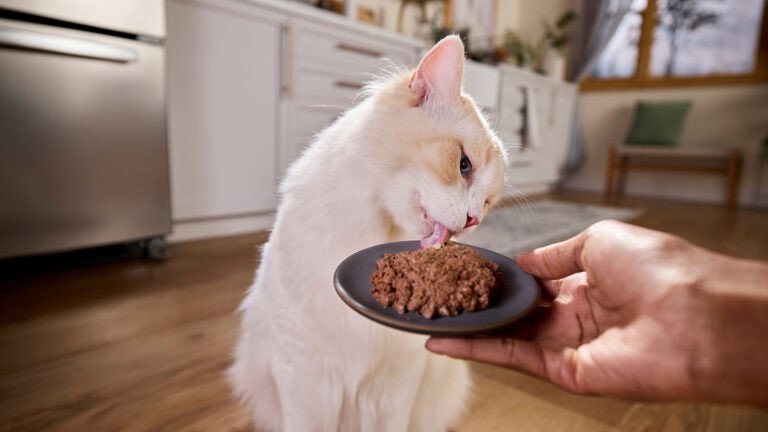
Have you ever wondered if your cat can safely eat rice? You might be surprised to learn that many pet owners face this question but aren’t sure what’s best for their furry friends.
Understanding whether rice is a good addition to your cat’s diet can help you keep your pet healthy and happy. You’ll discover the truth about cats and rice—what benefits it might offer, what risks to watch out for, and how to feed it properly if you choose to.
Keep reading to find out everything you need to know to make the best choice for your beloved cat.
Cats And Their Dietary Habits
Cats have unique dietary habits that set them apart from many other pets. Understanding what they naturally eat can help you decide what to offer them, including whether rice is a suitable option. Let’s look closer at what cats truly need and what foods they usually enjoy.
Nutritional Needs Of Cats
Cats are obligate carnivores, which means they need meat to survive. Their bodies require specific nutrients found mainly in animal tissues, like taurine, vitamin A, and certain fatty acids.
They don’t digest carbohydrates well, so foods high in grains or starches aren’t ideal. You might wonder if small amounts of rice could provide energy without harm. While rice isn’t toxic, it doesn’t offer the key nutrients cats need.
Common Foods Cats Consume
Most cats thrive on diets rich in proteins and fats. Commercial cat foods usually contain meat, fish, and animal by-products to meet these needs.
Occasionally, cats might nibble on vegetables or grains out of curiosity or when seeking fiber. For example, some cats enjoy a bit of cooked rice mixed into their meals, but it should never replace meat.
- Cooked chicken or turkey
- Fish like salmon or tuna (in moderation)
- Commercial cat food formulated for complete nutrition
- Small amounts of vegetables or grains as treats
Have you noticed your cat showing interest in your rice bowl? It’s natural to wonder if sharing is safe. Remember, rice can be a filler but not a substitute for their essential meat-based diet.

Credit: www.reddit.com
Rice In A Cat’s Diet
Rice often pops up in discussions about pet diets, including cats. You might wonder if it’s something your feline friend can safely nibble on or if it holds any real value in their meals. Understanding how rice fits into a cat’s diet can help you make better feeding choices.
Is Rice Safe For Cats?
Yes, rice is generally safe for cats in small amounts. Cats are obligate carnivores, so rice should never replace their main protein source. Plain, cooked rice without seasoning or additives can be a gentle filler during digestive upset or as a tiny treat.
Keep in mind, too much rice can cause digestive issues or add unnecessary calories. Always avoid rice mixed with onions, garlic, or spices, as these are harmful to cats. Have you ever noticed your cat’s reaction when trying a small spoonful of plain rice?
Nutritional Value Of Rice For Cats
Rice provides carbohydrates, which cats don’t need much of but can digest in moderation. It contains small amounts of protein, vitamins like B-complex, and minerals such as manganese and magnesium. However, rice lacks the essential amino acids and fats cats require for optimal health.
Think of rice as an occasional supplement rather than a staple. If your cat struggles with digestion or needs a bland diet, a bit of rice can be helpful. But relying on it regularly won’t meet their nutritional needs or keep them thriving.
Benefits Of Rice For Cats
Rice can be a surprising addition to your cat’s diet, offering more than just a filler. It brings some real benefits that support your cat’s overall well-being. Understanding these benefits helps you make better choices about what you feed your furry friend.
Digestive Health
Rice is gentle on your cat’s stomach. It can help soothe digestive issues like diarrhea or upset stomach. If your cat ever faces tummy troubles, a small amount of plain cooked rice might ease discomfort and improve digestion.
Have you noticed your cat struggling with digestion after certain meals? Adding rice occasionally could offer relief without harsh chemicals or medications. It acts as a natural binder, which can firm up stool and reduce irritation.
Energy Source
Cats need energy to stay active and playful, and rice provides a good source of carbohydrates. While cats mainly get energy from proteins and fats, rice adds a quick energy boost that’s easy to digest.
Think about the times your cat seems extra energetic after meals. Adding a bit of rice can help sustain that energy longer. It’s a simple way to keep your pet lively, especially for older cats who might need a gentle energy lift.
Credit: www.petmd.com
Risks Of Feeding Rice To Cats
Feeding rice to cats may seem harmless, but it carries some risks. Cats are obligate carnivores, meaning their bodies need meat to stay healthy. Rice does not provide the nutrients cats require. Giving rice too often or in large amounts can cause problems.
Potential Allergies
Cats can develop allergies to many foods, including rice. Allergic reactions can cause:
- Itchy skin
- Swelling
- Digestive upset
- Hair loss
Watch for signs of discomfort after feeding rice. Stop feeding it if allergies appear.
Overconsumption Concerns
Feeding too much rice can lead to digestive issues. Cats may experience:
- Diarrhea
- Constipation
- Stomach pain
Rice is high in carbohydrates but low in protein. Too much rice can cause weight gain and poor nutrition. Rice should never replace meat in a cat’s diet.
How To Introduce Rice To Cats
Introducing rice to your cat’s diet requires care and attention. Cats are obligate carnivores, so their main food comes from meat. Rice can be a small, occasional addition but must be prepared correctly. Start slowly to see how your cat reacts. Monitor for any signs of discomfort or allergies.
Preparing Rice For Cats
- Use plain white rice without salt or spices.
- Cook rice thoroughly until soft and mushy.
- Rinse rice to remove excess starch.
- Avoid adding butter, oil, or seasoning.
- Cool rice to room temperature before serving.
Serving Suggestions
- Mix a small amount of rice with your cat’s regular food.
- Start with one teaspoon and increase gradually if tolerated.
- Serve rice with cooked meat to balance nutrition.
- Observe your cat’s reaction for any digestive issues.
- Offer rice only as an occasional treat, not daily.
Alternatives To Rice For Cats
Cats need a balanced diet to stay healthy and happy. Rice is not harmful in small amounts but not a must-have food. Many other options provide better nutrition and energy for cats. These alternatives offer essential nutrients without filling your cat with empty calories. Explore some good choices to keep your cat’s meals tasty and nutritious.
Grains And Carbohydrates
Cats don’t need many carbohydrates, but some grains can be safe in moderation. Cooked oats and barley are gentle on their stomachs. Quinoa is another option, rich in protein and fiber. Always cook grains well and avoid adding salt or spices. Whole grains offer more nutrition than refined grains. Avoid corn and wheat as they may cause allergies for some cats.
Cat-friendly Treat Options
Treats can be part of a cat’s diet but choose wisely. Small pieces of cooked chicken or turkey are excellent protein treats. Boiled eggs offer good nutrition and are easy to digest. Fish like salmon or tuna, cooked and boneless, delight many cats. Commercial treats made especially for cats ensure safe ingredients. Avoid sugary or salty snacks designed for humans. Treats should be given in small amounts to avoid weight gain.
Veterinary Insights
Understanding whether cats can safely eat rice requires more than just home observations. Veterinary insights give you the facts backed by science and real-world experience. This knowledge helps you make smart choices about your cat’s diet and health.
Expert Opinions
Veterinarians agree that plain cooked rice is generally safe for cats in small amounts. It is often used as a bland food to help with digestive upset. However, rice should never replace a cat’s main diet because it lacks essential nutrients cats need.
Many vets warn against feeding rice with added spices, salt, or sauces. These can cause stomach irritation or toxicity. If your cat shows interest in rice, try a tiny bit plain and watch for any unusual reactions like vomiting or diarrhea.
One vet shared that a cat with mild tummy troubles improved after eating a mix of rice and boiled chicken. This suggests rice can be a helpful supplement during recovery but not a daily meal.
When To Consult A Vet
If your cat suddenly refuses its usual food and only wants rice, it might signal a health problem. Digestive issues, allergies, or dental pain could be reasons behind this change. Don’t ignore these signs; your vet can find the root cause.
Consult your vet if you notice:
- Repeated vomiting or diarrhea after eating rice
- Loss of appetite lasting more than a day
- Unexplained weight loss or lethargy
Asking your vet for advice before adding rice or any new food to your cat’s diet is always wise. They can guide you on safe portions and alternatives better suited to your cat’s nutritional needs. Have you ever tried giving your cat rice? What was your experience?
Credit: www.petmd.com
Frequently Asked Questions
Can Cats Safely Eat Rice?
Yes, cats can eat plain, cooked rice in small amounts. It is non-toxic but offers little nutritional value for them.
Is Rice Good For Cats’ Digestion?
Rice is easy to digest and can help soothe upset stomachs in cats. Use it sparingly as a bland diet.
Should Rice Be A Regular Part Of A Cat’s Diet?
No, rice lacks essential nutrients for cats. It should never replace a balanced, meat-based diet designed for felines.
Can Rice Cause Allergies Or Harm Cats?
Rice allergies in cats are rare but possible. Always monitor your cat for any adverse reactions after feeding rice.
Conclusion
Cats can eat rice in small amounts. Rice is not harmful but offers little nutrition. Avoid feeding rice too often or in large portions. Always check if your cat has allergies or stomach problems. Plain, cooked rice is the safest choice.
Rice should never replace your cat’s regular food. It can be a gentle filler during illness or upset stomach. Keep your cat’s diet balanced and healthy. Rice can be a simple treat, not a staple. Remember, your cat needs protein and nutrients from meat.
