

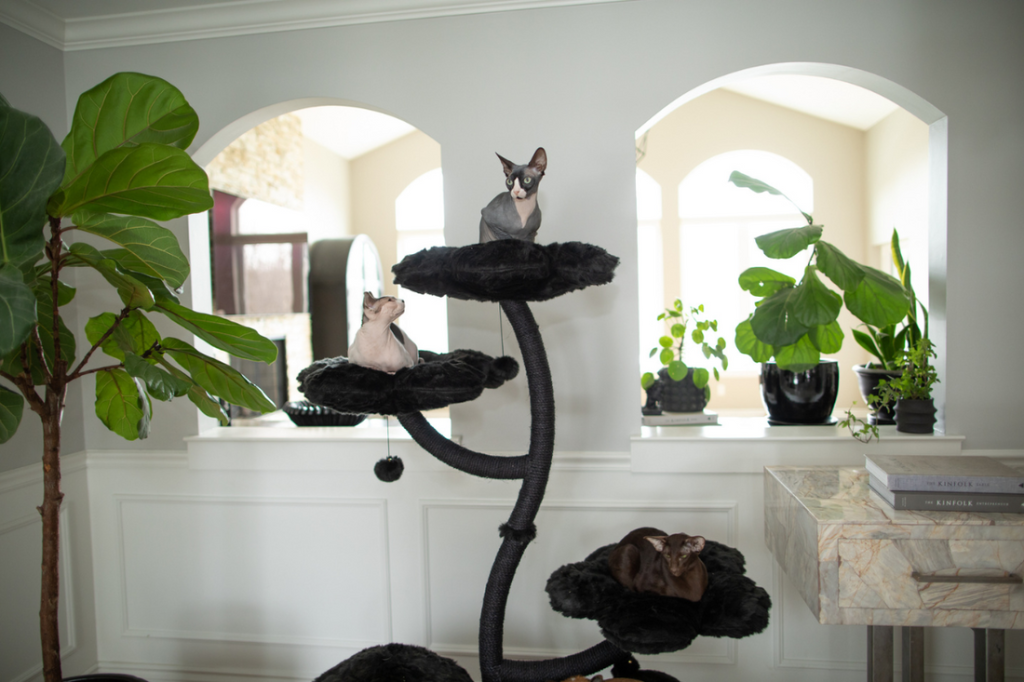
Are you wondering if your cat really needs a cat tree? You might think it’s just a fancy piece of furniture, but there’s more to it than meets the eye.
Your feline friend’s happiness and health could depend on having the right space to climb, scratch, and relax. Keep reading to discover why a cat tree might be exactly what your furry companion needs—and how it can transform your home and your cat’s daily life.

Credit: petproducts.com.cn
Benefits Of Cat Trees
Cat trees offer more than just a fun play area for your feline friend. They provide essential benefits that support your cat’s physical health, mental stimulation, and overall happiness. Understanding these benefits can help you decide if adding a cat tree to your home is the right choice for you and your pet.
Physical Exercise And Muscle Development
Cat trees encourage your cat to climb, jump, and explore. This activity helps build strong muscles and keeps your cat agile. If your cat spends most of the day indoors, a cat tree can be a great way to keep them active and prevent obesity.
Mental Stimulation And Stress Relief
Climbing and exploring different levels of a cat tree can challenge your cat’s mind. It gives them a sense of adventure right in your living room. Have you noticed how your cat seems more relaxed after spending time on their tree? That’s because it provides a safe space where they can unwind and reduce anxiety.
Safe Territory And Personal Space
Cats love to have their own territory, and a cat tree offers just that. It allows them to observe their surroundings from a high vantage point, which makes them feel secure. If you have multiple cats, a cat tree can help reduce conflicts by giving each cat their own space to retreat to.
Protecting Your Furniture
Scratching is a natural behavior for cats, but it can be frustrating when they target your furniture. Cat trees come with built-in scratching posts that satisfy this need. Providing a proper place to scratch helps save your couch and carpets from damage.
Improved Bonding Opportunities
Spending time with your cat on the cat tree can deepen your bond. You can play together using toys attached to the tree or simply watch your cat enjoy their space. Have you tried interacting with your cat at their favorite spot? It often leads to more trust and affection.

Credit: pawsitive-purrpose.com
Promoting Physical Activity
Keeping your cat active is essential for their health and happiness. Physical activity helps prevent obesity, reduces stress, and keeps their muscles strong. A cat tree offers a perfect space that encourages your feline friend to move, jump, and climb throughout the day.
How Cat Trees Encourage Movement
Cat trees are designed with multiple levels and platforms that invite your cat to explore. Each jump from one level to another gives them a mini workout. You’ll notice your cat stretching and flexing their muscles more often, which is great for joint health.
Improving Agility And Coordination
Climbing up and down a cat tree challenges your cat’s balance and coordination. This kind of activity sharpens their reflexes and keeps their mind engaged. Cats that use a tree regularly tend to be more agile and confident in their movements.
Creating A Safe Space For Play
A cat tree offers a dedicated area where your cat can play without worrying about household dangers. You can add toys or treats to encourage play sessions. This setup motivates your cat to stay active while feeling secure and entertained.
What Happens Without Enough Activity?
Have you noticed your cat sleeping more and showing less interest in moving? Lack of exercise can lead to weight gain and health issues. Providing a cat tree gives them a fun way to stay active, which benefits their overall wellbeing.
Encouraging Natural Behaviors
Encouraging your cat’s natural behaviors is key to their happiness and health. A cat tree offers the perfect space for them to climb, scratch, and explore. These activities help satisfy instincts that indoor cats may struggle to express otherwise.
Providing A Safe Climbing Space
Cats love to climb high and observe their surroundings. A cat tree gives them a secure place to do this without risking injury or damage to your furniture.
Imagine your cat happily perched above, watching the room below. This not only entertains them but reduces stress and boredom.
Promoting Scratching Behavior
Scratching is a natural way for cats to mark territory and keep their claws healthy. A cat tree with built-in scratching posts redirects this urge away from your sofa or curtains.
Having a designated spot to scratch can save you frustration and protect your home while keeping your cat content.
Encouraging Play And Exercise
Climbing, jumping, and exploring a cat tree engage your cat’s body and mind. This helps prevent obesity and keeps them agile.
Think about how your cat’s energy changes after a good play session on the tree – calmer, happier, and less likely to get into trouble.
Offering Privacy And Comfort
Cats often seek quiet spots to rest or hide. Many cat trees include cozy cubbies or platforms that provide this privacy.
Giving your cat a personal retreat can improve their sense of security and reduce anxiety.
Providing Safe Scratching Options
Providing safe scratching options is essential to keep both your cat and your home happy. Cats have a natural urge to scratch, which helps them shed old claw layers and mark their territory. Without proper outlets, they may turn to your furniture or walls, causing damage and stress for you and your pet.
Offering a dedicated place for scratching protects your belongings and satisfies your cat’s instincts. But how do you ensure that the scratching options you provide are safe and appealing?
Choosing The Right Materials For Scratching
Not all scratching surfaces are created equal. Cats prefer materials that give a good grip and resist wear, such as sisal rope, cardboard, or rough wood. Soft or slippery surfaces often fail to attract them.
When shopping for scratching posts or pads, look for sturdy bases that won’t tip over. A shaky post can scare your cat away or cause injury. Think about your cat’s size and strength to pick the right option.
Placing Scratching Posts Strategically
Where you put scratching posts matters as much as what they’re made of. Cats like to scratch in places they frequent or where they feel comfortable. Common spots include near their sleeping area, by windows, or next to favorite resting places.
Try placing posts near furniture your cat usually targets. This can redirect their scratching and save your couch or curtains. Have you noticed your cat favoring one corner or room? Start there.
Encouraging Your Cat To Use Scratching Options
Even the best scratching post is useless if your cat ignores it. Attract your cat by rubbing catnip on the post or dangling toys near it. Praise and treat your cat when they use the post to reinforce the behavior.
Patience is key. Some cats take time to develop new habits. If your cat scratches elsewhere, gently move them to the post instead of punishing. Have you tried mimicking their scratching motion to show them how it’s done?
Offering Elevated Resting Spots
Cats enjoy high places. Elevated resting spots satisfy this natural need. Cat trees provide safe, cozy areas above ground level. These spots let cats observe their surroundings. They feel secure and calm while resting above the floor.
Offering elevated spots helps reduce stress in cats. It creates a private space away from noise and activity. Cats can relax peacefully without disturbance. It also helps shy or nervous cats feel safe.
Why Cats Love High Places
High places give cats a better view. They can watch over their territory easily. This behavior comes from their wild ancestors. They climbed trees to avoid predators and hunt.
How Elevated Spots Improve Cat Behavior
- Reduce anxiety by providing safe zones
- Help cats feel in control of their space
- Encourage exercise through climbing
- Prevent boredom with new environments
Choosing The Right Elevated Spot
Look for sturdy platforms with soft bedding. Multiple levels offer variety and fun. Consider spots near windows for natural light. Make sure the cat tree fits your room size.
Enhancing Mental Stimulation
Cats need mental stimulation to stay happy and healthy. A cat tree offers a perfect way to keep their minds active. It challenges their curiosity and natural instincts. This helps prevent boredom and destructive behaviors. Mental exercise supports their overall well-being and reduces stress.
Encouraging Natural Instincts
Cat trees allow cats to climb, scratch, and explore. These activities mimic hunting and climbing in the wild. They satisfy a cat’s need to use their senses. This mental engagement is key to a content cat.
Variety Of Levels And Textures
Different platforms and surfaces on cat trees keep cats interested. Soft cushions, rough posts, and cozy hideouts provide diverse experiences. This variety stimulates their brain and senses continually.
Creating A Safe Space For Exploration
Cat trees give cats a secure place to explore freely. They feel confident testing new heights and routes. This freedom promotes mental growth and reduces anxiety.
Interactive Play Opportunities
Many cat trees include hanging toys or dangling ropes. These features encourage active play and problem-solving. Interactive play enhances a cat’s focus and sharpens reflexes.
Reducing Anxiety And Stress
Cats often feel anxious and stressed in busy homes or new places. A cat tree offers a safe space that helps calm them. It acts like a private retreat where cats can relax and watch their surroundings without feeling threatened.
Stress can cause health problems in cats. Giving them a dedicated spot to climb and rest reduces their worries. It also provides a sense of control over their environment, which lowers anxiety.
Safe Space For Hiding
Cat trees have enclosed areas where cats hide. These spots give them peace and quiet. Hiding helps cats feel secure and less stressed.
Vertical Territory
Cats love to climb high places. A cat tree lets them reach elevated spots. This vertical space helps cats feel safe and in charge.
Physical Activity To Release Stress
Climbing and jumping on a cat tree burns energy. Physical exercise lowers stress hormones. It keeps cats calm and happy.
Observation Posts
High perches serve as lookout points. Cats watch their environment from above. This reduces fear of surprises and stress.

Credit: www.reddit.com
Improving Multi-cat Households
Multi-cat households can be lively and fun but also challenging. Cats need their own space to feel safe and calm. Cat trees offer vertical space that helps reduce conflicts among cats. These structures give each cat a place to climb, rest, and watch without bothering others.
Providing a cat tree supports natural behaviors like climbing and scratching. This helps keep cats happy and less stressed in busy homes. More space means fewer fights and more peaceful moments.
Creating Personal Territories
Cat trees help define personal space for each cat. Vertical levels let cats spread out without feeling crowded. Each cat can choose a spot to relax away from others. This reduces tension and territorial disputes in shared areas.
Encouraging Healthy Play And Exercise
Multiple cats need outlets for energy and play. Cat trees offer climbing and jumping opportunities. This keeps cats active and healthy. Playtime on cat trees also improves social bonds among cats. It lowers boredom and destructive behavior.
Reducing Stress And Aggression
Stress causes many problems in multi-cat homes. Cat trees provide hiding spots and high perches. Cats feel safer when they can observe from above. Safe spaces help reduce aggression and anxiety. A calmer environment improves all cats’ well-being.
Facilitating Better Social Interaction
Cat trees encourage positive interactions among cats. Shared play areas promote friendly behavior. Cats learn to respect each other’s space on different levels. This helps build harmony in the household.
Choosing The Right Cat Tree
Choosing the right cat tree can transform your cat’s daily routine. It’s more than just a piece of furniture; it’s a place where your cat can climb, scratch, and rest safely. Picking a cat tree that fits both your space and your cat’s personality is key to keeping them happy and active.
Consider Your Cat’s Size And Activity Level
Your cat’s size matters a lot when selecting a cat tree. Small cats do well with compact trees that have cozy hideouts, while larger or more active cats need taller, sturdier trees with multiple platforms. Think about how much your cat likes to jump and climb—does your cat prefer lounging, or do they love to explore every level?
Look For Durable And Safe Materials
Durability is crucial. Cat trees made from solid wood and covered with high-quality sisal rope for scratching tend to last longer. Avoid flimsy particleboard or plastic that can break easily and might hurt your cat. Safety features, like secure platforms and rounded edges, protect your cat from accidents.
Match The Tree To Your Home’s Space And Style
Where will you place the cat tree? Measure your available space carefully to avoid buying a tree that won’t fit or blocks pathways. Also, consider your home’s decor—many cat trees come in neutral colors or modern designs that blend well with your furniture. Would a wall-mounted or corner cat tree work better for your room?
Think About Extra Features Your Cat Might Enjoy
Some cat trees offer hammocks, hanging toys, or even built-in scratching posts. If your cat is playful, these extras can keep them entertained for hours. Older cats might appreciate padded platforms or easy-to-climb ramps. What does your cat enjoy most—playing, scratching, or napping?
Factors To Consider
Choosing the right cat tree depends on several important factors. These elements help ensure your cat enjoys the tree and stays safe. Consider the cat’s personality, size, and habits before making a decision. Also, think about the available space in your home and how the tree fits with your decor. Each factor plays a role in picking the perfect cat tree for your furry friend.
Cat’s Size And Age
Small kittens need a different tree than adult cats. Older cats might prefer lower platforms to avoid jumping high. Large cats require sturdy trees that support their weight. Choose a cat tree that matches your cat’s size and age for comfort and safety.
Available Space At Home
Measure the space where you plan to place the cat tree. Some trees are tall and wide, needing more room. Others are compact and fit in smaller areas. Pick a tree that fits well without crowding your space.
Cat’s Activity Level
Active cats enjoy climbing, jumping, and scratching. They benefit from taller trees with multiple levels and scratching posts. Less active cats prefer simpler trees with cozy resting spots. Match the tree to your cat’s energy level for better use.
Material And Durability
Look for materials that are safe and durable. Cats like scratching rough surfaces like sisal rope. Soft fabrics offer comfort but may wear out faster. A strong, well-made tree lasts longer and keeps your cat happy.
Ease Of Cleaning
Choose a cat tree that is easy to clean. Removable cushions or washable covers help maintain hygiene. Avoid trees with hard-to-reach corners where dirt can build up. Clean trees keep your home fresh and your cat healthy.
Frequently Asked Questions
Do Cats Really Need A Cat Tree At Home?
Cats benefit greatly from cat trees as they provide climbing, scratching, and resting spaces. These structures satisfy cats’ natural instincts and help reduce furniture damage. A cat tree also offers mental stimulation and physical exercise, promoting overall health and happiness.
How Does A Cat Tree Improve My Cat’s Health?
A cat tree encourages climbing and jumping, which boosts muscle strength and agility. It also helps cats stay active, reducing obesity risks. Scratching posts on cat trees maintain claw health and prevent destructive scratching of household items.
Can A Cat Tree Prevent Destructive Behavior?
Yes, cat trees provide a designated place for scratching and playing. This helps redirect cats’ natural behaviors away from furniture. Providing enrichment through a cat tree reduces boredom and stress, leading to fewer behavioral problems.
What Size Cat Tree Is Best For My Cat?
Choose a cat tree that fits your cat’s size and activity level. Larger cats need sturdy, spacious platforms. Multi-level trees with various features offer more stimulation. Always ensure stability to keep your cat safe during play.
Conclusion
Cats enjoy climbing and scratching. A cat tree offers a safe place for these activities. It helps keep cats active and healthy. Cat trees also give cats a cozy spot to rest. They reduce furniture damage by directing scratching. Choosing the right cat tree depends on your cat’s size and habits.
Providing one shows care for your pet’s needs. A cat tree can make your home more cat-friendly. It supports your cat’s natural behavior every day. Consider a cat tree to keep your cat happy.
