

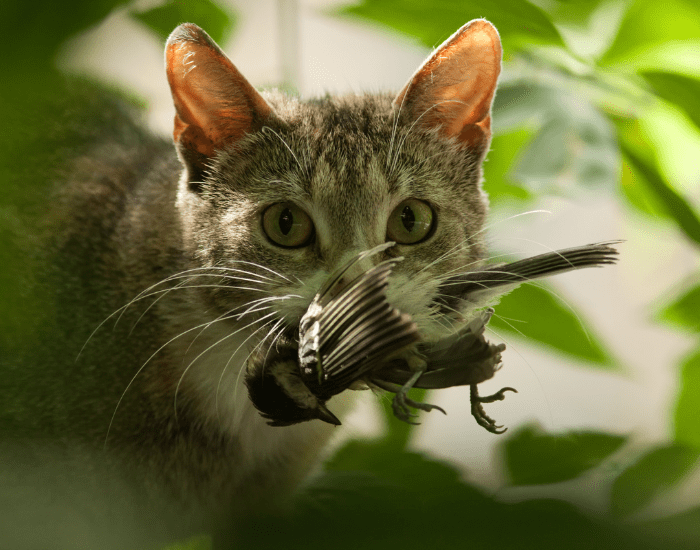
Have you ever wondered if your house cat is secretly hunting birds outside? It’s a question many cat owners ask but don’t always get a clear answer to.
Understanding whether your furry friend eats birds can help you protect local wildlife and keep your pet safe. You’ll discover surprising facts about your cat’s natural instincts and what you can do to balance their hunting urges with care for the environment.
Keep reading to find out the truth behind this common curiosity.

Credit: www.telegraph.co.uk
Natural Instincts Of Cats
Cats are natural hunters, and their instincts play a huge role in their behavior around birds and other small animals. Even well-fed house cats often show signs of their wild ancestry through hunting actions. Understanding these instincts helps you see why your feline friend might chase birds, even if they don’t need to eat them for survival.
Hunting Behavior
Hunting is more than just food gathering for cats—it’s a deeply ingrained behavior. You may notice your cat stalking a bird outside the window or pouncing on a toy with intense focus. These actions mimic the hunting process, involving watching, stalking, chasing, and capturing.
Even if your cat is not hungry, this behavior can appear regularly. It’s their way to practice and refine skills that kept their ancestors alive. Does your cat ever bring you “gifts” like birds or small animals? That’s a direct result of this hunting instinct.
Predatory Drive
The predatory drive in cats is hardwired into their brains. This drive pushes them to seek out moving objects to chase and capture. It explains why birds fluttering by can instantly grab your cat’s attention, triggering a chase response.
You might wonder if this means your house cat will always eat birds. Not necessarily. Sometimes, cats hunt for sport or practice rather than food. Recognizing this can help you manage your cat’s behavior and protect local wildlife.
- Provide stimulating toys that mimic prey to satisfy the hunting urge.
- Use bird feeders placed out of reach to keep birds safe.
- Consider supervised outdoor time or enclosed “catios” to reduce hunting chances.
How do you balance your cat’s natural instincts with protecting birds in your neighborhood? Share your experiences—you might inspire others to find a healthy middle ground.
Impact On Bird Populations
House cats hunting birds is a common issue affecting wild bird populations. Cats are natural predators and can catch birds easily. This hunting reduces the number of birds living near homes and gardens. The impact goes beyond just a few birds disappearing. It affects the balance of nature and local ecosystems.
Decline In Bird Species
Many bird species face threats from cat predation. Small birds like sparrows and finches are especially vulnerable. Cats can kill large numbers of these birds quickly. This leads to a decline in their populations over time.
Birds that nest on the ground or low bushes are at higher risk. Their nests and chicks become easy targets for cats. In some areas, repeated cat attacks have caused local bird species to vanish.
Ecological Consequences
Birds play important roles in ecosystems. They help control insects and spread plant seeds. Fewer birds can lead to an increase in pests. This affects plant health and crop growth.
Birds also serve as food for other wildlife. Their decline disrupts food chains and natural balance. This can cause unexpected changes in the local environment.
Protecting bird populations means protecting whole ecosystems. Reducing cat hunting near bird habitats is crucial. Simple actions can help save many bird lives and keep nature healthy.
Factors Influencing Predation
Several factors influence whether house cats hunt birds. These elements affect their natural hunting instincts and behavior. Understanding these factors helps explain why some cats catch birds while others do not. The key influences include the cat’s outdoor access, feeding habits, and breed tendencies.
Outdoor Access
Cats with regular outdoor access are more likely to encounter birds. The outdoors provides a natural hunting ground full of birds and small animals. Cats confined indoors have fewer chances to hunt live prey. Outdoor cats can roam freely and chase birds in gardens, parks, or yards. This access greatly increases the likelihood of predation on birds.
Feeding Habits
Well-fed cats may hunt less often, but hunger can trigger hunting behavior. Cats are natural hunters, and even fed cats may chase birds for fun or practice. Food availability influences hunting frequency. Cats that receive balanced meals might still hunt to satisfy their instincts. Hunger combined with opportunity often leads to bird predation.
Cat Breed Tendencies
Some cat breeds have stronger hunting instincts than others. Breeds like Siamese, Bengal, and Abyssinian tend to be more active hunters. These cats have high energy and sharp predatory skills. Other breeds may be more laid-back and less interested in hunting. Breed traits play a role in how often cats target birds.
Credit: www.iflscience.com
Mitigation Strategies
Mitigation strategies can reduce the impact of house cats on bird populations. Cats are natural hunters, but owners can take steps to protect local wildlife. Balancing a cat’s needs and the environment is key.
Keeping Cats Indoors
Keeping cats indoors limits their access to birds. Indoor cats live longer and stay safer from traffic or predators. Create a comfortable indoor space with toys and cozy spots. Regular playtime satisfies hunting instincts inside the home.
Use Of Cat Collars
Cat collars with bells warn birds of a cat’s presence. Brightly colored collars increase visibility to birds and other animals. Breakaway collars keep cats safe by preventing choking. Collars reduce successful hunting by alerting nearby wildlife.
Providing Enrichment
Enrichment keeps cats busy and less focused on hunting birds. Use toys that mimic prey, like feather wands or small balls. Puzzle feeders challenge cats and provide mental stimulation. Rotate toys often to maintain interest and reduce boredom.
Ethical Considerations
House cats hunting birds is a natural behavior, but it raises important ethical questions. Protecting wildlife and caring for pets can sometimes clash. Understanding these concerns helps create a better balance between cat welfare and nature.
Balancing Cat Welfare And Wildlife Protection
Cats are hunters by nature. They need mental and physical stimulation to stay healthy. At the same time, birds and small animals face risks from cats. Protecting wildlife means preventing unnecessary harm to these creatures.
Finding a balance means allowing cats to express natural behaviors safely. This can reduce harm to local wildlife and keep cats happy.
Owner Responsibilities
Cat owners play a key role in managing this balance. They must provide proper care and control outdoor access. Simple actions can reduce bird deaths caused by cats:
- Supervise outdoor time
- Use cat collars with bells
- Provide indoor play and hunting toys
- Build outdoor enclosures or catios
These steps protect birds and keep cats engaged. Responsible ownership respects both animal welfare and nature.

Credit: wamiz.co.uk
Frequently Asked Questions
Do House Cats Naturally Hunt Birds?
Yes, house cats have a natural hunting instinct. They often chase and catch birds, especially if allowed outdoors.
Can Indoor Cats Eat Birds Too?
Indoor cats rarely eat birds since they lack outdoor access. However, some may catch birds if they enter the home.
Are Birds A Common Part Of A Cat’s Diet?
Birds can be part of a cat’s diet, especially for outdoor cats. But commercial cat food usually meets their nutritional needs.
How Can I Protect Birds From My Cat?
Keep cats indoors or use cat enclosures. Also, avoid letting cats roam during bird nesting seasons to reduce hunting risks.
Conclusion
House cats do sometimes eat birds, driven by natural hunting instincts. This behavior is common, even for indoor cats who go outside. Bird owners should be aware and take steps to protect wildlife. Providing toys and feeding cats well can reduce hunting urges.
Understanding this helps keep both cats and birds safe. Watching your cat closely can prevent unwanted surprises. Caring for pets means knowing their nature and needs.
