


Are you wondering if your cat really needs wet food every day? You want to give your furry friend the best care, but with so many opinions out there, it’s hard to know what’s right.
Wet food can seem messy and expensive, but does it offer benefits your cat can’t get from dry food alone? Understanding the truth about wet food can help you make smarter choices for your cat’s health and happiness. Keep reading, and you’ll discover what your cat truly needs to thrive.

Credit: thelittlecarnivore.com
Nutritional Needs Of Cats
Cats have specific nutritional needs that differ from other pets. Their diet must provide essential nutrients for energy, growth, and health. Understanding these needs helps in choosing the right food. Cats are obligate carnivores. They rely mainly on meat for their nutrients.
Meeting these needs supports a cat’s immune system, coat, and muscle tone. Nutrients like protein, fats, vitamins, and minerals play vital roles. Water intake is also crucial for their wellbeing.
Protein Requirements For Cats
Protein is the main energy source for cats. It supports muscle building and repair. Cats need high-quality animal protein. Plant proteins do not meet all their requirements.
Essential amino acids like taurine and arginine come only from animal sources. Lack of these can cause serious health problems. Protein also helps in enzyme production and hormone balance.
Role Of Fats In A Cat’s Diet
Fats provide concentrated energy. They help absorb fat-soluble vitamins A, D, E, and K. Omega-3 and omega-6 fatty acids keep the skin and coat healthy. They support brain and eye development too.
Fat also contributes to flavor and palatability in cat food. An adequate amount is necessary but too much can lead to weight gain.
Importance Of Hydration And Water Content
Cats naturally have a low thirst drive. They get most water from their prey in the wild. Wet food contains high moisture, helping to prevent dehydration. Dry food has very little water.
Proper hydration supports kidney function and urinary tract health. Cats eating mostly dry food need extra water sources. Offering wet food daily helps maintain good hydration levels.
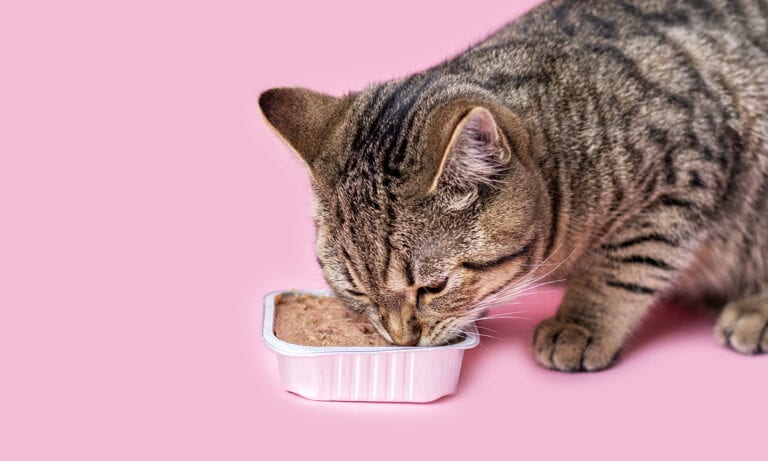
Credit: rhecontainer.com
Benefits Of Wet Food
Wet food offers several benefits for cats that dry food cannot match. It helps keep cats healthy by supporting their hydration, providing essential nutrients, and aiding weight control. Feeding wet food regularly can improve your cat’s overall well-being.
Hydration Support
Cats naturally drink little water. Wet food contains high moisture levels, which helps keep cats hydrated. Proper hydration supports kidney function and urinary health. It reduces the risk of urinary tract problems common in cats.
Nutrient Density
Wet food contains more protein and fewer fillers than dry food. It delivers essential vitamins and minerals in a form cats can easily digest. This helps maintain strong muscles and a healthy immune system. Nutrient-rich meals support energy and vitality every day.
Weight Management
Wet food is lower in carbohydrates and calories than most dry foods. It helps cats feel full with fewer calories, which supports healthy weight. Controlling weight reduces risks of diabetes and joint problems. Feeding wet food can promote a lean, active body.
Potential Drawbacks Of Wet Food
Wet food offers many benefits for cats, but it’s important to consider some potential drawbacks before making it a daily staple. Understanding these challenges can help you make better choices for your pet’s health and your household routine. Let’s look at a few key points that might affect your decision.
Cost Considerations
Wet food generally costs more than dry food. Feeding your cat wet food every day can add up quickly, especially if you have multiple cats.
You might find yourself spending a significant chunk of your budget on daily cans or pouches. Have you thought about how this fits into your long-term budget for pet care?
Sometimes, balancing wet and dry food can help manage expenses without sacrificing your cat’s hydration needs.
Storage Challenges
Once opened, wet food must be refrigerated and used within a day or two. This means you need enough fridge space and proper containers to keep the food fresh.
If you’ve ever had to throw away spoiled wet food, you know it can be frustrating and wasteful. Do you have a system to manage opened cans or pouches efficiently?
Also, storing multiple cans or pouches can become cumbersome, especially in smaller kitchens.
Dental Health Concerns
Wet food lacks the abrasive texture that dry food provides, which helps reduce plaque buildup on your cat’s teeth.
Feeding wet food exclusively might increase the risk of dental problems over time. Have you noticed any changes in your cat’s breath or chewing habits?
To support dental health, consider adding regular tooth brushing or dental treats to your cat’s routine if wet food is the main diet.
Dry Food Vs Wet Food
Cats need balanced nutrition to stay healthy. Choosing between dry and wet food is a common question for cat owners. Both types offer unique benefits and challenges. Understanding their differences helps in making the right choice for your pet.
Comparative Analysis
Dry food has low moisture content, about 10%. It is convenient and easy to store. Dry food helps keep teeth clean by reducing plaque buildup. It tends to be more affordable and lasts longer once opened.
Wet food contains up to 80% moisture. This high water content helps keep cats hydrated. Wet food usually has a stronger aroma and taste, appealing to picky eaters. It can be higher in protein and lower in carbohydrates than dry food.
Dry food has more carbohydrates, which can affect weight if overfed. Wet food mimics a cat’s natural diet better due to moisture and protein levels. Both types provide essential nutrients but in different forms.
Suitability For Different Lifestyles
Dry food suits busy owners who want quick feeding and less cleanup. It allows cats to nibble throughout the day without spoiling. Ideal for multi-cat households due to ease of sharing and storage.
Wet food fits cats needing extra hydration or with dental problems. It works well for cats who eat less or are older and less active. Wet food requires refrigeration after opening and must be served fresh.
Consider your cat’s preferences, health, and your daily routine. Some owners mix both to balance benefits and keep meals interesting. Each cat’s needs differ, so observe reactions to find the best choice.
Creating A Balanced Diet
Creating a balanced diet for your cat is essential for their health and happiness. Cats have unique nutritional needs that require careful attention to both wet and dry food options. Balancing these foods can help prevent common issues like dehydration, obesity, and nutrient deficiencies.
Combining Wet And Dry Food
Mixing wet and dry food gives your cat the best of both worlds. Wet food provides hydration and is often more palatable, while dry food helps maintain dental health and is convenient to store.
Try feeding wet food during one meal and dry food during another. This approach keeps your cat interested and ensures they get moisture from their diet. You can also mix small amounts of wet food into dry kibble to add flavor and moisture.
Have you noticed your cat eating less dry food when you add wet food? This can be a sign to adjust their portions to keep their calorie intake balanced.
Adjusting Portions
Portion control is key to avoid overfeeding and weight gain. Cats’ calorie needs vary based on age, activity level, and health.
Start by reading the feeding guidelines on your cat’s food packaging, but be ready to adjust based on your cat’s weight and behavior. If your cat gains weight quickly, reduce portions slightly and monitor their energy levels.
Consider using a measuring cup for accuracy rather than free feeding. This helps you track exactly how much your cat eats and prevents accidental overeating.

Credit: www.youtube.com
Signs Of Nutritional Deficiency
Recognizing signs of nutritional deficiency in cats is vital for their health. Deficiencies can affect their behavior and physical condition. Early detection helps prevent serious health problems. Cats may show subtle or obvious symptoms depending on the nutrient lacking. Observing changes closely ensures timely care.
Behavioral Changes
Changes in behavior often signal nutritional issues. Cats may become less active or more irritable. Loss of appetite is common in deficient cats. Some may hide or avoid interaction. Sudden restlessness or aggression can also appear. These shifts show the body is struggling to function well.
Physical Indicators
Physical signs reveal deeper health problems caused by poor nutrition. Look for dull, dry fur or excessive shedding. Weight loss or muscle weakness is a red flag. Pale gums or slow wound healing point to deficiencies. Cats may develop bad breath or swollen joints. These signs require immediate attention to diet and health.
Consulting A Veterinarian
Consulting a veterinarian is key when deciding if your cat needs wet food every day. Each cat has unique health needs that can change over time. A professional can guide you to make choices that support your cat’s well-being effectively.
Personalized Diet Plans
Your cat’s diet should match its age, weight, activity level, and any medical conditions. Vets create personalized diet plans that balance wet and dry food according to these factors. They can recommend specific brands or ingredients that suit your cat’s digestion and nutritional needs.
I once struggled to find the right diet for my cat with kidney issues. After consulting a vet, we adjusted her wet food intake and saw a clear improvement in her energy and coat. This shows how tailored advice can make a real difference.
Regular Health Assessments
Routine check-ups allow your vet to monitor how your cat responds to its diet. They check for signs of dehydration, weight changes, and other health markers related to nutrition. These assessments help catch problems early and tweak food choices before issues become serious.
Have you noticed subtle changes in your cat’s behavior or appetite? Sharing these with your vet during visits can lead to better dietary recommendations. Don’t wait for obvious symptoms—regular vet visits keep your cat’s diet on the right track.
Tips For Feeding Wet Food
Feeding wet food to your cat can improve hydration and add variety to their diet. However, knowing how to introduce and serve it effectively makes a big difference. Here are practical tips to help you feed wet food in a way your cat will enjoy and benefit from.
Transitioning Diets
Suddenly switching your cat’s food can upset their stomach or make them refuse the new diet. Start by mixing a small amount of wet food with their regular dry food.
Gradually increase the wet food portion over 7 to 10 days. Watch your cat’s reaction closely—are they eating well or showing signs of discomfort?
If your cat is picky, try warming the wet food slightly to enhance its aroma. This can make it more appealing and easier to accept.
Serving Suggestions
Serve wet food in a shallow dish to make it easy for your cat to access. Avoid deep bowls that can be uncomfortable for their whiskers.
Feed smaller, frequent meals rather than one large portion to keep the food fresh and enticing. Cats often prefer eating multiple times a day.
- Keep wet food refrigerated and only leave it out for about 20-30 minutes.
- Try adding a small amount of warm water or low-sodium broth to the wet food to increase moisture and flavor.
- Observe if your cat prefers pate, chunks in gravy, or minced styles; variety can keep mealtime exciting.
Have you noticed your cat’s eating habits change with different textures? Paying attention to these details helps you tailor their meals perfectly.
Frequently Asked Questions
Do Cats Need Wet Food Every Day?
Cats benefit from daily wet food as it provides hydration and essential nutrients. Wet food supports urinary health and prevents dehydration. However, some cats can thrive on a balanced dry food diet with added water. Consult your vet for personalized feeding advice.
Can Wet Food Improve A Cat’s Hydration?
Yes, wet food contains high moisture, aiding hydration. Cats naturally have low thirst drives, so wet food helps maintain fluid balance. Proper hydration supports kidney and urinary tract health, reducing disease risk and promoting overall well-being.
Is Wet Food Better For Cats Than Dry Food?
Wet food offers higher moisture and often better protein quality than dry food. It can be easier to digest and helps prevent urinary issues. However, a balanced diet may include both types, depending on your cat’s needs and preferences.
How Much Wet Food Should I Feed My Cat Daily?
Typically, feed 3 to 5 ounces of wet food per 10 pounds of cat weight daily. Adjust portions based on your cat’s age, activity, and health. Always follow feeding guidelines on packaging and vet recommendations.
Conclusion
Cats benefit from wet food for hydration and nutrition. It helps keep their urinary tract healthy. Feeding wet food daily supports weight control and digestion. Some cats may prefer dry food occasionally. Balance is key to meet your cat’s needs.
Always watch your cat’s health and behavior closely. Consult a vet for personalized feeding advice. Wet food can be a good part of their diet. Choose quality products with real ingredients. Your cat will thank you with purrs and energy.
