

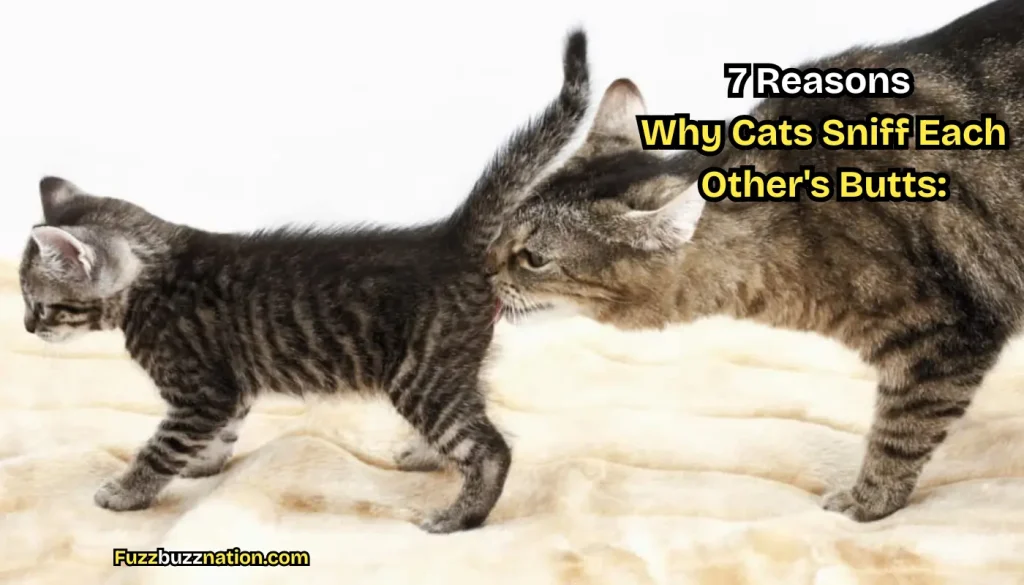
Have you ever wondered why cats sniff each other’s butts? It might seem strange or even a little funny to you.
But for your cat, this behavior is a powerful way to communicate. When you understand why they do it, you’ll see how important this simple act is for their social life. Keep reading, and you’ll discover the surprising reasons behind this curious habit—and what it tells you about your furry friend’s world.
The Social Behavior Of Cats
Cats have a unique way of communicating that often surprises us. One behavior that stands out is their habit of sniffing each other’s butts. This might seem odd or even gross to you, but it’s a vital part of their social interaction. Understanding this behavior gives you a glimpse into their world and how they connect with each other.
The Role Of Scent In Feline Communication
Cats rely heavily on their sense of smell to gather information. Their scent glands, located around their bodies, produce distinct chemical signals. When cats sniff each other’s rear ends, they pick up details about age, health, mood, and even reproductive status.
Have you noticed how your cat reacts differently to various cats? This sniffing helps them decide if they want to be friends, avoid conflict, or even mate. It’s like reading a detailed profile without a word being spoken.
How This Behavior Builds Cat Relationships
Sniffing is more than just gathering facts; it’s about building trust and social bonds. Cats living together use this behavior to establish hierarchy and confirm group membership. It’s their way of saying, “I recognize you” or “You belong here.”
Think about a time your cat approached a new feline guest. That quick sniff could determine if they’ll become companions or competitors. This interaction helps reduce tension and promotes peaceful coexistence.
What You Can Learn From Your Cat’s Social Habits
Observing your cat’s sniffing habits can reveal a lot about their social comfort. If your cat avoids sniffing or is overly aggressive, it might indicate stress or discomfort. You can use these signs to better manage introductions or changes in your pet’s environment.
Next time you see cats sniffing, ask yourself: What message are they sending? Understanding this can improve how you support your cat’s social life and wellbeing.
Scent Communication Explained
Cats rely heavily on their sense of smell to understand the world around them. This is especially true when they greet each other by sniffing each other’s butts. While it may seem odd to us, this behavior is a key part of how cats communicate and gather important information.
Scent Glands And What They Tell
Cats have scent glands located around their anus. These glands produce unique chemical signals that carry detailed information about the cat’s identity. When one cat sniffs another’s rear, it learns about the other’s age, sex, health, and mood.
Think about it like reading a personal profile. Instead of asking questions, cats simply smell. This quick “scan” helps them decide if the other cat is a friend, a stranger, or a potential mate.
How Cats Use Scent To Establish Social Bonds
Sniffing is not just about gathering facts; it also helps build trust between cats. When cats in the same household greet each other this way, they confirm their social status and strengthen their bond.
You might notice that cats who are familiar with each other will often sniff and then rub their heads or bodies together. This behavior exchanges scents, creating a shared group smell that feels safe and comforting.
What You Can Learn From Your Cat’s Behavior
Watching your cats interact through scent can tell you a lot about their relationship. If they avoid sniffing or show signs of stress during these encounters, it might mean tension or discomfort.
Encouraging calm, positive introductions can help cats feel more secure. Letting them explore each other’s scent gradually can reduce conflicts and build a peaceful home environment.
Next time you see your cats sniffing each other’s butts, remember it’s their way of saying “hello” and “I know you.” Does this change how you view your feline friends’ social skills?
Understanding The Jacobson’s Organ
Understanding why cats sniff each other’s butts leads us to a fascinating part of their anatomy called the Jacobson’s organ. This special sensory organ helps cats gather detailed information from scents that other animals, including humans, can’t detect. It plays a key role in how cats communicate and recognize each other.
The Location And Function Of The Jacobson’s Organ
The Jacobson’s organ, also known as the vomeronasal organ, sits inside a cat’s mouth, near the roof. When a cat sniffs another cat’s rear, it draws in scent particles and transfers them to this organ. This allows the cat to analyze chemical signals in much greater detail than just smelling through the nose.
How Cats Use The Jacobson’s Organ To Communicate
Cats use this organ to pick up pheromones, which are chemical messages left by other cats. These messages can tell a cat about the other’s identity, health, mood, and reproductive status. So, sniffing each other’s butts isn’t just curiosity—it’s a vital social handshake that shares important information.
Why This Behavior Seems Odd To Humans
You might find this behavior strange or unpleasant, but for cats, it’s like reading a detailed profile page. Humans rely mostly on visual cues and speech, but cats depend on scent. Understanding this can help you appreciate how cats interact and why they need to perform this behavior to feel safe and connected.

Credit: www.youtube.com
Chemical Signals And Their Importance
Cats use chemical signals to communicate in ways you might not expect. These signals are mainly found in the scent glands located around their bodies, especially near the anus. When cats sniff each other’s butts, they’re actually gathering a wealth of information packed into these chemical messages.
These chemical signals tell cats about each other’s identity, health, and emotional state. Think of it as a cat’s version of a detailed business card. This helps them decide if another cat is a friend, a stranger, or a potential rival.
Chemical Composition Of Scent Glands
Each cat’s scent glands produce a unique mix of chemicals. These include pheromones and other odor molecules that carry specific information. The combination is so distinctive that cats can recognize individuals just by their smell.
Have you noticed how your cat reacts differently to various feline visitors? This is because the chemical makeup varies from cat to cat, allowing them to distinguish friend from foe easily.
Information Conveyed Through Chemical Signals
- Identity:Cats learn who they’re dealing with.
- Reproductive status:Signals can indicate if a cat is in heat or neutered.
- Health and diet:Changes in scent may reveal illness or recent meals.
- Emotional state:Stress or calmness can be communicated through scent.
Next time you see cats sniffing each other, remember they are exchanging valuable data. This behavior is crucial for maintaining social order and avoiding unnecessary fights.
Why You Should Appreciate This Behavior
Understanding this natural communication helps you respect your cat’s social habits. If your cat seems shy or aggressive around new cats, it might be due to unfamiliar chemical signals. Giving your cat time to ‘read’ these signals can ease tension and help them feel safe.
Have you ever wondered why cats sometimes seem obsessed with sniffing? It’s their way of making sense of the world and the feline community around them.
Establishing Hierarchies And Friendships
When cats sniff each other’s butts, they are doing much more than just exchanging scents. This behavior plays a key role in how they establish social order and build friendships within their groups. Understanding this helps you see your feline friends in a new light and appreciate their complex social lives.
How Sniffing Helps Cats Know Their Place
Cats use the unique scents found in their anal glands to gather important information. This tells them who is dominant and who is submissive without fighting. By sniffing, your cat quickly learns where they stand in the social hierarchy.
Have you noticed that new cats in your home often get sniffed more? This is their way of figuring out if the newcomer is a friend or a rival. It’s a quick and peaceful way to avoid unnecessary conflict.
Building Trust And Friendships Through Scent
Sniffing isn’t just about power—it’s also about bonding. When cats sniff each other regularly, they share their unique smells, which helps them feel connected. This creates a sense of trust and comfort between them.
Think about how your cats behave after a sniff session. They often groom or rest near each other, showing they feel safe together. You can encourage this behavior by providing shared spaces and calm environments for your cats.
Recognizing Familiar Scents To Reduce Stress
Familiar smells help cats feel secure in their environment. When they sniff each other, they reinforce their knowledge of who belongs in their group. This lowers anxiety and makes group living easier.
If you introduce a new cat, give your pets time to exchange scents slowly. Using a cloth to transfer smells before face-to-face meetings can ease tensions. This simple step often prevents stress and aggression.

Credit: www.youtube.com
Territorial Marking Through Scent
Cats use scent as a powerful tool to communicate, especially when it comes to marking their territory. This behavior is deeply rooted in their instincts. When cats sniff each other’s butts, they are not being rude—they are exchanging crucial information about identity and boundaries.
How Scent Defines Territory
Cats have scent glands located around their anus. These glands release unique chemical signals that act like an ID card. When one cat sniffs another’s rear, it gathers detailed info about the other cat’s health, mood, and territorial claims.
Think about your neighborhood. You recognize people not only by sight but also by their habits and voices. For cats, scent is their way of recognizing who belongs where. This helps avoid unnecessary fights and keeps peace in their shared space.
The Role Of Scent In Social Hierarchy
Sniffing helps cats understand social rankings within their group. A dominant cat’s scent marks an area, signaling others to keep their distance or show respect. When cats meet, sniffing is a non-aggressive way to establish who’s in charge.
You might notice your cats sniff each other more when a new cat enters their home. This is their way of updating the social order without conflict. It’s like a handshake that says, “Who are you and where do you fit in?”
Practical Tips For Cat Owners
- Allow cats to meet and sniff at their own pace. Rushing this process can cause stress.
- Provide plenty of space and separate resources like litter boxes and feeding areas to reduce territorial tension.
- Observe their sniffing behaviors to gauge comfort levels and social dynamics.
Have you ever watched your cats sniff each other and wondered what they’re really learning? Understanding this can help you create a calmer, happier environment for your furry friends.
Comparison With Other Animal Behaviors
Animals use different ways to communicate and learn about each other. Cats sniff each other’s butts to gather important information. This behavior is not unique to cats. Other animals also use their sense of smell to understand their surroundings and social groups. Comparing these behaviors helps us see why cats do this and how it fits into the animal kingdom.
Dogs And Their Sniffing Habits
Dogs sniff each other to learn about identity and mood. They often sniff faces, paws, and the rear. The scent tells dogs about health, diet, and feelings. This behavior helps dogs decide if another dog is a friend or a threat. It also aids in social bonding and communication.
Rabbits And Grooming Smells
Rabbits use smell to recognize family and group members. They groom each other and sniff to confirm bonds. This helps keep peace and order in their groups. The scent signals emotional states and social rank. It is a gentle way to say, “You belong here.”
Wild Animals And Scent Marking
Many wild animals mark territory with scent glands. Wolves, bears, and big cats leave scent marks on trees or the ground. These marks warn others to stay away. Animals also sniff these marks to learn about neighbors. This behavior prevents fights and helps animals coexist.
Primates And Facial Recognition
Primates rely more on sight and sound than smell. They use facial expressions and calls to communicate. Sniffing is less common but still used in close contact. Some primates sniff wounds or babies to check health. Their social bonds depend on grooming and touch more than scent.
Myths And Misunderstandings
Many people find the way cats sniff each other’s butts both funny and a bit puzzling. This behavior often sparks myths and misunderstandings that can cloud your view of what’s really going on. Clearing up these false ideas helps you appreciate the natural and important social communication happening between cats.
Not A Gross Or Rude Habit
Some believe cats sniffing each other’s rear ends is simply a gross or rude act. Actually, it’s a vital way for cats to gather information about one another. Their sense of smell is incredibly sharp, and this sniffing helps them recognize friends, strangers, or even potential threats.
It’s Not Just About Hygiene
People often assume cats sniff butts to check cleanliness. That’s a misunderstanding. Cats are more interested in the unique scent markers that reveal details like health, mood, and identity—information a quick sniff can deliver instantly.
Sniffing Isn’t Always About Greeting
While it’s a common greeting, butt sniffing doesn’t only happen when cats meet. Cats may use this behavior to reaffirm social bonds or check on familiar companions. It’s a continuous social dialogue, not a one-time event.
Doesn’t Mean Cats Lack Manners
We might judge this behavior through a human lens and think cats lack manners. But cats have their own social rules. This sniffing is polite and respectful within their world, showing curiosity and trust instead of rudeness.
Can You Teach Your Cat To Avoid It?
Many cat owners wonder if they should stop this behavior. Trying to prevent it may cause confusion or stress for your cat. Instead, understanding what your cat communicates through sniffing helps you support their social needs better.
How Humans Can Interpret Feline Behavior
Understanding why cats sniff each other’s butts can feel strange at first, but it’s a key part of how they communicate. As a cat owner, interpreting this behavior can help you read your feline’s mood and social signals better. Let’s break down what this means for you and your furry friends.
What Cat Butt Sniffing Means In Their World
Cats use scent to gather detailed information about each other. When they sniff another cat’s rear, they’re checking identity, health, and emotional state.
This behavior is like a personal ID check. It tells them if the other cat is friend, foe, or something in between.
How To Recognize Comfort Or Stress In Your Cat
If your cat approaches another and sniffs without hesitation, it usually signals curiosity or calmness. But if they back away or puff up afterward, it might mean discomfort or stress.
Watch the body language closely. Relaxed ears and slow blinking mean all is well. Tense muscles and a twitching tail hint at anxiety.
Using This Knowledge To Improve Cat Interactions
Let your cats meet and sniff at their own pace. Don’t rush or force introductions. This respect for their natural communication helps avoid fights.
If you notice one cat avoiding the other’s scent, consider giving them separate spaces. This simple action reduces stress and promotes harmony.
What Your Cat’s Social Sniffing Says About Their Health
Cats often pick up on subtle changes in smell that indicate illness. If one cat suddenly avoids another, it might sense sickness or injury.
Pay attention to unusual sniffing or avoidance behaviors. They could be early signs your cat needs a vet visit.

Credit: www.youtube.com
Frequently Asked Questions
Why Do Cats Sniff Each Other’s Butts?
Cats sniff each other’s butts to gather important social and health information. This behavior helps them identify one another and understand their emotional state. Their scent glands release unique chemical signals that convey messages about territory, reproductive status, and overall well-being.
How Does Butt Sniffing Benefit Cat Communication?
Butt sniffing allows cats to exchange detailed information quickly. It helps them recognize friends, strangers, or potential threats. This scent exchange supports social bonding and reduces conflicts by clarifying intentions and emotional states between cats.
Is Butt Sniffing Normal Cat Behavior?
Yes, butt sniffing is a natural and common behavior among cats. It is an essential part of their social interactions and communication. This instinctive action helps maintain harmony and understanding within feline communities.
Can Cats Learn About Each Other Through Scent?
Absolutely. Cats have a highly developed sense of smell. They use it to learn about another cat’s identity, health, and mood. This helps them decide how to interact and whether to approach or avoid.
Conclusion
Cats sniff each other’s butts to learn important information. This behavior helps them know who is friendly or new. It’s a natural way to communicate without words. Cats use their strong sense of smell to gather clues. This simple act builds trust and keeps their social group safe.
Next time you see cats doing this, remember it’s normal. It shows how cats understand and connect with each other. Their world is full of scents and signals we don’t always see. This small habit plays a big role in cat life.
