

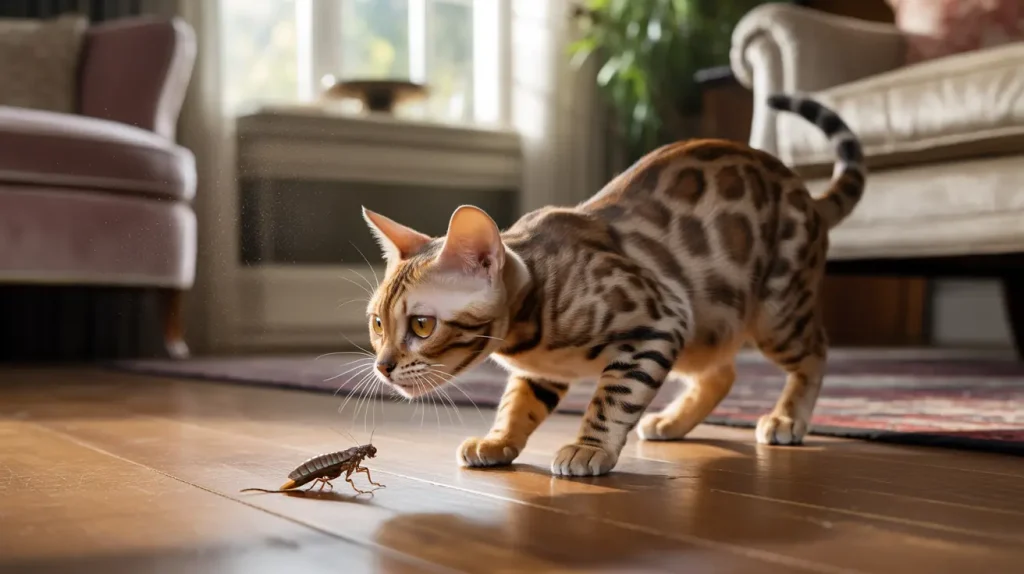
Have you ever caught your cat stalking a quick little roach scurrying across the floor? You might be wondering, “Do cats actually eat roaches?” It’s a question that many pet owners ask because it’s both a bit gross and fascinating.
Understanding whether your feline friend sees roaches as a snack can tell you a lot about their natural instincts and what to expect around your home. Keep reading to discover the truth about cats and roaches—and what it means for you and your pet’s health.
Cats As Natural Predators
Cats have an incredible natural talent for hunting. This skill isn’t just about survival—it’s deeply rooted in their DNA. Understanding how cats act as natural predators helps you see why they might chase after roaches or other small creatures in your home.
Instinctual Behavior
Cats are born hunters. Even the most pampered house cats carry strong hunting instincts that push them to stalk, chase, and catch moving objects.
Have you noticed your cat suddenly pouncing on a tiny bug or a flickering shadow? That’s their instinct kicking in. This behavior helps keep their reflexes sharp and provides mental stimulation.
When a cat spots a roach scuttling across the floor, their natural response is often to chase it. It’s not just play—it’s a deep-seated drive to capture prey.
Common Prey For Cats
Cats usually target small, fast-moving creatures. This includes:
- Insects like flies and roaches
- Small rodents such as mice
- Birds and lizards, if accessible
Roaches, being quick and erratic, can trigger a cat’s hunting reflex. If your cat catches a roach, it’s following its natural predator role rather than simply playing.
Have you ever seen your cat proudly presenting a “gift”? That’s often their way of showing off their hunting success. It’s a reminder of their wild nature living inside your home.

Credit: www.reddit.com
Roaches In A Cat’s Diet
Cats are natural hunters, and their diet often includes small prey. Roaches sometimes become part of this diet. Understanding the role of roaches in a cat’s diet helps pet owners care better for their feline friends.
Are Roaches Safe To Eat?
Roaches are generally safe for cats to eat in small amounts. Cats catch and eat insects like roaches instinctively. Most roaches do not carry diseases harmful to cats. Yet, some roaches might have been exposed to pesticides or harmful chemicals. These chemicals can be dangerous if ingested.
It is best to keep your home free of pesticides. This reduces risks if your cat eats a roach. Also, avoid letting your cat eat roaches found in dirty or contaminated areas. Clean environments lower the chance of health issues.
Nutritional Value Of Roaches
Roaches contain nutrients that cats need. They are a source of protein, which supports muscle growth and energy. Roaches also have fats that provide calories for active cats. Some roaches contain vitamins and minerals like iron and calcium.
The nutritional content may vary based on the roach species. In nature, cats benefit from the extra nutrients insects provide. However, roaches should not replace a balanced cat food diet. They can be a small, occasional treat or supplement.
Health Risks And Concerns
Allowing your cat to eat roaches might seem harmless at first glance, but there are hidden health risks you should consider. These insects can carry parasites and harmful chemicals that may put your feline friend in danger. Understanding these concerns helps you make safer choices for your pet’s well-being.
Potential Parasites
Roaches often harbor parasites like tapeworms and roundworms. When your cat eats an infected roach, these parasites can transfer to them, causing digestive issues and discomfort.
Some parasites may not show symptoms immediately but can lead to severe health problems over time. Have you noticed your cat scratching more or losing weight unexpectedly? These could be signs of parasitic infection.
Toxic Chemicals And Pesticides
Roaches frequently crawl through areas treated with pesticides and insecticides. Eating these roaches exposes your cat to toxic chemicals, which can lead to poisoning or long-term health issues.
Even if you don’t use chemicals yourself, roaches can come from neighbors or public spaces with heavy pesticide use. What precautions do you take to keep your pet safe from these hidden dangers?
Behavioral Insights
Cats show unique behaviors around roaches. Understanding these actions helps explain why cats interact with roaches in certain ways. Their behavior varies between hunting instincts and actual eating. Observing your cat closely reveals whether they see roaches as food or just toys.
Hunting Vs. Eating
Cats are natural hunters. They often chase roaches out of instinct. Sometimes, cats catch roaches but do not eat them. The hunt satisfies their need to stalk and pounce. Eating depends on the cat’s interest and hunger level. Some cats eat roaches as a snack. Others only play and release them later.
Playfulness Or Hunger?
Play and hunger influence cat behavior differently. A playful cat bats at roaches gently, like a game. A hungry cat may bite and eat the roach quickly. Cats often use hunting to keep their mind active. Play helps reduce boredom and stress. Hunger drives cats to consume insects for nutrition. Watching your cat’s body language helps identify their motive.
Preventing Roach Consumption
Preventing cats from eating roaches helps keep them safe and healthy. Roaches can carry germs that might harm your pet. Stopping your cat from catching these pests starts with controlling the environment and guiding their behavior.
Environmental Control
Keep your home clean to reduce roach attraction. Store food in sealed containers. Take out trash regularly. Fix leaks to remove water sources roaches need. Use roach traps or natural repellents to lower their numbers. Close cracks and holes where roaches can enter. A tidy space makes roaches less common and your cat less tempted.
Training And Supervision
Watch your cat closely in places where roaches appear. Use gentle commands like “no” to stop them from chasing insects. Offer toys or treats to distract your cat from pests. Reward good behavior to encourage listening. Teaching your cat helps reduce roach eating and keeps them safe.

Credit: www.reddit.com
Alternatives To Hunting
Cats love to hunt. It is part of their natural behavior. But hunting roaches is not always safe or healthy. There are better ways to keep your cat active and happy. Providing alternatives to hunting helps protect your pet’s health. It also keeps your home clean and pest-free.
Safe Toys And Games
Toys can satisfy your cat’s hunting instincts. Choose toys that move or make noise to catch their attention. Feather wands, laser pointers, and small balls work well. Rotate toys often to keep your cat interested. Games like hide-and-seek with toys add fun and exercise. Playtime helps reduce boredom and stops your cat from chasing roaches.
Dietary Supplements
Some cats hunt due to nutritional needs. Supplements can help meet those needs. Omega-3 fatty acids support skin and coat health. Taurine is essential for heart and eye function. Talk to your vet about adding supplements to your cat’s diet. Proper nutrition reduces the urge to hunt insects like roaches.

Credit: www.reddit.com
Frequently Asked Questions
Do Cats Naturally Eat Roaches?
Yes, cats often hunt and eat roaches as part of their natural predatory behavior. It satisfies their hunting instincts.
Are Roaches Safe For Cats To Eat?
Roaches are generally safe, but they can carry pesticides or bacteria. Monitor your cat for any illness after eating.
Why Do Cats Catch Roaches Indoors?
Cats catch roaches indoors due to their hunting instinct and roaches’ movement, providing a fun and stimulating activity.
Can Eating Roaches Harm My Cat?
Occasionally eating roaches is usually harmless, but frequent consumption may expose cats to parasites or toxins.
Conclusion
Cats often chase and eat roaches as part of their natural hunting instinct. This behavior helps keep your home free from pests. While roaches are not the healthiest snack, cats usually eat them safely. Watch your cat to ensure they don’t eat too many.
A balanced diet is still important for your pet’s health. Knowing this habit can help you understand your cat better. It shows how curious and playful cats can be. Keep your home clean to reduce roach encounters. Cats and roaches—a natural, if unusual, connection.
