


Are you wondering if your house cat really needs injections? It’s a question many cat owners ask but often feel unsure about.
You want what’s best for your furry friend, but the idea of needles can be scary. Understanding why injections might be important can help you make the right choice for your cat’s health. Keep reading to learn what injections can do for your cat and why they could be a key part of keeping your pet safe and happy.
Importance Of Vaccinations For House Cats
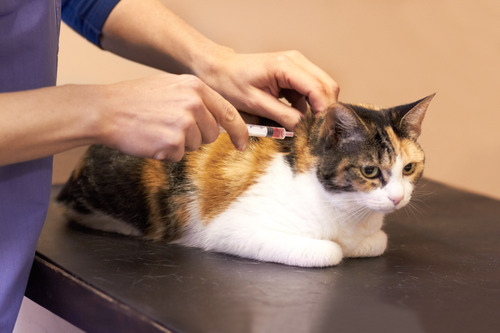
Vaccinations are a key part of keeping your house cat healthy. Even if your cat never goes outside, they can still be exposed to diseases brought in on your clothes or other pets. Vaccinations help protect your cat from serious illnesses that can be costly or even life-threatening.
Many cat owners assume indoor cats don’t need shots, but that’s not true. I once skipped vaccinating my indoor cat, thinking she was safe. When she unexpectedly fell ill, it turned out to be a preventable disease. That experience taught me how crucial vaccinations are, no matter where your cat lives.
Protecting Against Common Cat Diseases
Vaccines shield your cat from diseases like feline leukemia, calicivirus, and rabies. These illnesses can spread quickly and cause severe symptoms or death. Vaccinated cats are less likely to get sick and less likely to pass diseases to others.
How Vaccinations Support Your Cat’s Immune System
Vaccines work by training your cat’s immune system to recognize and fight specific germs. This helps your cat build strong defenses without actually getting sick. It’s like giving your cat’s body a practice run to stay ready for real threats.
Risks Of Skipping Vaccinations For Indoor Cats
Even indoor cats face risks from unvaccinated visitors or accidental escapes. Skipping vaccines can leave your cat vulnerable to infections that are hard to treat. Are you willing to take that chance with your feline friend’s health?
Consulting Your Vet For A Vaccination Plan
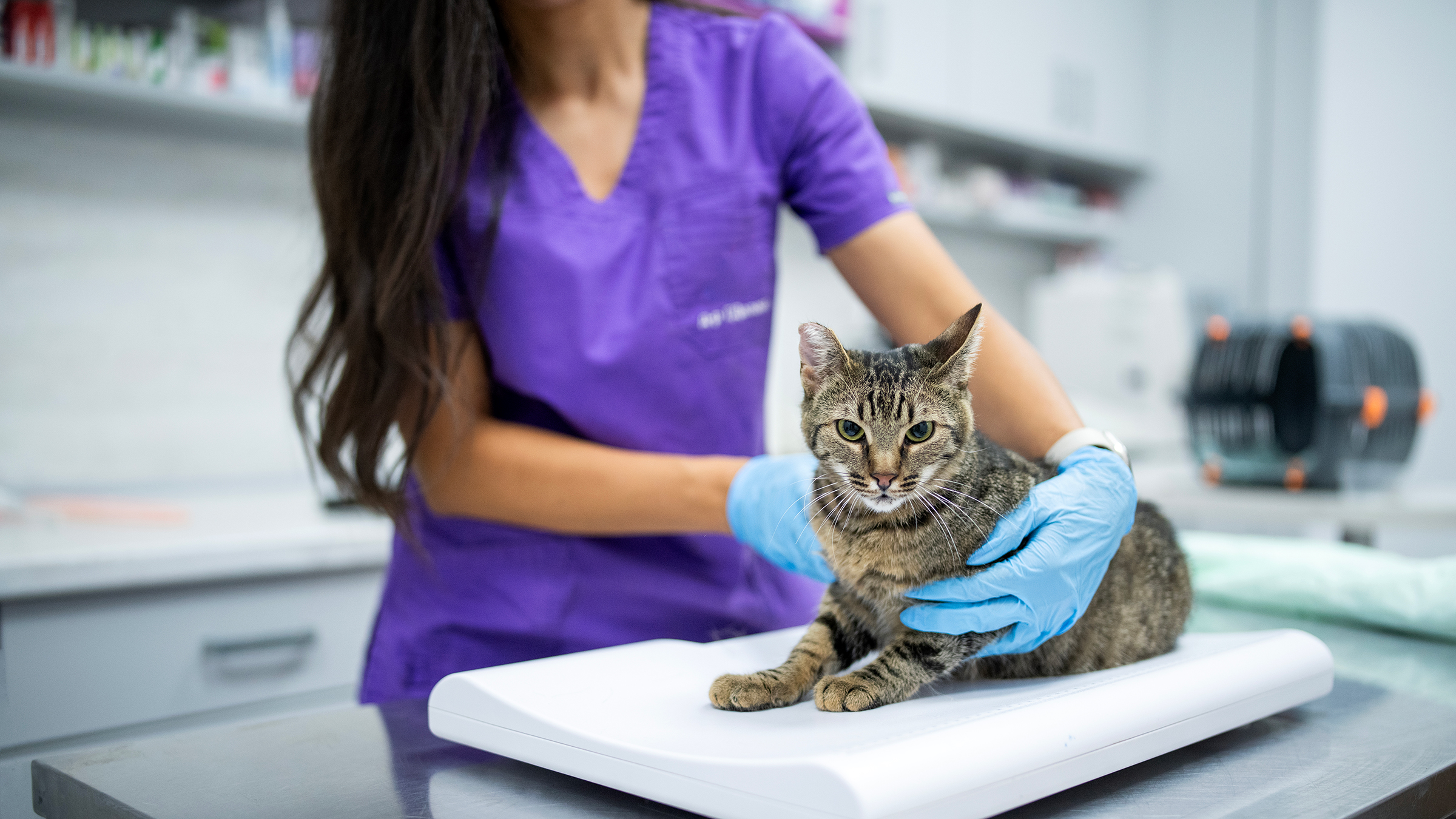
Your veterinarian knows the best schedule and types of vaccines for your cat’s lifestyle and health. Regular check-ups ensure your cat’s protection stays up to date. Don’t hesitate to ask your vet questions to feel confident about your cat’s vaccination needs.
Credit: triangleanimalclinic.com
Common Vaccines For Cats
Vaccinations protect house cats from many dangerous diseases. Vets recommend certain vaccines that every cat should get. These vaccines help keep cats healthy and safe. Understanding the common vaccines helps pet owners make informed choices for their cats’ care.
Core Vaccines
Core vaccines protect cats from serious, widespread diseases. These vaccines are essential for all cats, regardless of lifestyle.
- Feline Panleukopenia (FPV):A virus causing severe illness and death in cats.
- Feline Herpesvirus-1 (FHV-1):Causes respiratory infections and eye problems.
- Feline Calicivirus (FCV):Another virus that leads to respiratory issues and mouth ulcers.
- Rabies:A fatal disease that can spread to humans and animals.
These vaccines are critical for every cat’s health. Most vets require them by law, especially the rabies vaccine.
Non-core Vaccines
Non-core vaccines protect against diseases that affect cats in specific situations. These vaccines depend on the cat’s lifestyle and risk factors.
- Feline Leukemia Virus (FeLV):Recommended for cats that go outdoors or live with infected cats.
- Bordetella:Protects against a bacteria causing respiratory illness, mainly in crowded places.
- Chlamydophila Felis:Prevents eye infections and respiratory disease in multi-cat homes.
Discuss with a vet which non-core vaccines suit your cat best. This ensures protection without unnecessary shots.
Risks Of Skipping Vaccinations
Skipping vaccinations for house cats puts their health at serious risk. Vaccines protect cats from deadly diseases. Without vaccines, cats can catch infections that spread quickly and cause severe illness or death.
Unvaccinated cats may become carriers of diseases. They can infect other pets and even humans. This creates a dangerous environment at home and in the community.
Increased Vulnerability To Common Diseases
Cats without vaccinations are more likely to catch common viruses. Diseases like feline distemper and respiratory infections are highly contagious. These illnesses weaken the cat’s immune system and can lead to long hospital stays.
Higher Medical Costs And Treatments
Treating vaccine-preventable diseases is expensive. Veterinary visits, medicines, and hospital stays add up quickly. Prevention through vaccination is much cheaper than treating illness later.
Risk To Other Pets And Humans
Diseases can spread from unvaccinated cats to other animals. Some infections can even pass to people, especially children and elderly family members. Vaccinating cats helps protect the entire household.
Legal And Boarding Restrictions
Many places require proof of vaccination for cats. Boarding facilities, groomers, and pet sitters often refuse unvaccinated pets. Skipping vaccines can limit your options for care and social activities for your cat.

Credit: millsanimalhospital.com
Vaccination Schedule For Cats
Vaccinations protect cats from many dangerous diseases. A proper vaccination schedule keeps cats healthy throughout life. Both kittens and adult cats need specific vaccines at different times. Following the right timeline helps build strong immunity. Veterinarians recommend regular shots to maintain protection over the years.
Kitten Vaccination Timeline
Kittens need several vaccines starting at a young age. The first shots begin around six to eight weeks old. These vaccines protect against diseases like feline distemper and respiratory infections.
- 6-8 weeks: First vaccine dose
- 10-12 weeks: Second dose
- 14-16 weeks: Final kitten vaccine
After the last dose, kittens gain strong immunity. A booster shot may follow later to ensure continued protection.
Adult Cat Booster Shots
Adult cats require booster shots to keep immunity strong. These vaccines are usually given every year or every three years, depending on the vaccine type. Regular boosters help prevent common cat illnesses. Your vet will advise on the right booster schedule for your cat’s health and lifestyle.
Potential Side Effects
House cats may need injections for vaccines or treatments. Like any medical procedure, these injections can cause side effects. Knowing potential reactions helps cat owners stay alert and care better for their pets. Most side effects are mild, but some can be serious. Understanding both types is important.
Mild Reactions
- Swelling or redness at the injection site
- Temporary soreness or tenderness
- Lethargy or slight tiredness for a day
- Reduced appetite for a short time
- Mild fever that resolves quickly
These mild reactions usually disappear within 24 to 48 hours. They show the cat’s immune system is responding. Owners can help by giving extra water and rest.
Serious Complications
- Severe swelling or hard lumps at injection area
- Difficulty breathing or wheezing
- Repeated vomiting or diarrhea
- Excessive drooling or pale gums
- Collapse or seizures
These signs need urgent veterinary care. Serious complications are rare but possible. Quick action can prevent worse outcomes.
Cost Considerations
Understanding the costs of cat injections helps pet owners plan better. Vaccinations protect cats from many diseases. Budgeting for these shots is important. Prices vary based on the vaccine type and location. Some injections are yearly, others need boosters.
Average Costs Of Vaccinations
Typical cat vaccinations range from $15 to $50 each. Core vaccines, like rabies and distemper, cost around $20 to $40. Non-core vaccines may be more expensive. A full vaccination series can total $75 to $150. Vet fees and clinic charges also affect the price. Some clinics offer package deals for multiple vaccines.
Affordable Options
- Local animal shelters often provide low-cost vaccinations.
- Community clinics sometimes hold vaccine events with reduced prices.
- Pet insurance can help cover vaccination costs.
- Ask your vet about payment plans or discounts.
- Keep track of vaccination schedules to avoid extra visits.
Consulting With A Veterinarian
Consulting with a veterinarian is essential to understand whether your house cat needs injections and which ones are necessary. Each cat has unique health needs based on age, lifestyle, and medical history. Talking directly with a professional helps you get accurate information tailored to your cat’s well-being.
Customized Vaccination Plans
Your veterinarian will create a vaccination plan that fits your cat’s specific situation. Indoor cats may require fewer shots than those that go outside frequently. Factors like age, breed, and existing health conditions influence the type and timing of vaccines.
For instance, kittens often need a series of vaccines to build immunity early on. Older cats might only need booster shots. Your vet can explain the risks and benefits of each vaccine, helping you avoid unnecessary injections.
Addressing Concerns And Questions
It’s normal to have questions about vaccine safety and side effects. Your vet can clarify common worries, such as allergic reactions or the timing between doses. Don’t hesitate to ask about alternatives or what signs to watch for after vaccination.
Have you ever wondered if some injections could be skipped or delayed? Discussing these concerns openly ensures your cat’s health is prioritized without added stress. Remember, your vet is your partner in making the best choices for your feline friend.
Credit: www.goodrx.com
Myths And Misconceptions
Many pet owners believe false ideas about cat vaccinations. These myths can lead to poor health choices for cats. Understanding the truth helps keep cats safe and healthy. Clearing up these myths is important for every cat owner.
Indoor Cats And Vaccinations
Some think indoor cats do not need vaccines. They believe these cats do not face any risks. But indoor cats can still catch diseases. Viruses can enter through open doors or visitors. Vaccinations protect cats from serious illnesses. Regular shots help keep indoor cats safe and strong.
Natural Immunity Claims
Some say cats develop enough natural immunity. They think vaccines are unnecessary. Natural immunity alone may not protect against all diseases. Vaccines boost the cat’s ability to fight infections. They prepare the immune system for harmful germs. Relying only on natural immunity is risky for cats.
Frequently Asked Questions
Do House Cats Need Vaccinations Regularly?
Yes, house cats require regular vaccinations to prevent common diseases. Vaccines protect against feline viruses like rabies and feline distemper. Regular shots ensure cats remain healthy and reduce risks of infections, even for indoor cats.
What Types Of Injections Do Indoor Cats Need?
Indoor cats typically need core vaccines, such as rabies, feline herpesvirus, calicivirus, and panleukopenia. These vaccines protect cats from serious diseases. Your vet will recommend a vaccination schedule based on your cat’s lifestyle and health status.
How Often Should House Cats Get Injections?
House cats usually receive vaccinations yearly or every three years, depending on the vaccine type. Your veterinarian will advise the best schedule for your cat’s health. Staying up-to-date helps maintain immunity against dangerous diseases.
Are Injections Safe For House Cats?
Yes, injections are generally safe for house cats. Mild side effects like swelling or lethargy may occur but disappear quickly. Vaccinations are essential to protect cats from life-threatening illnesses and ensure long-term health.
Conclusion
Cats need injections to stay healthy and avoid serious diseases. Vaccines protect them from illnesses like rabies and feline distemper. Regular shots also help your cat live a longer, happier life. Talk to your vet about the right vaccines and schedule.
Keeping up with injections is a simple step to care for your furry friend. It shows love and helps prevent health problems before they start. Safe, healthy cats make happy homes.
