

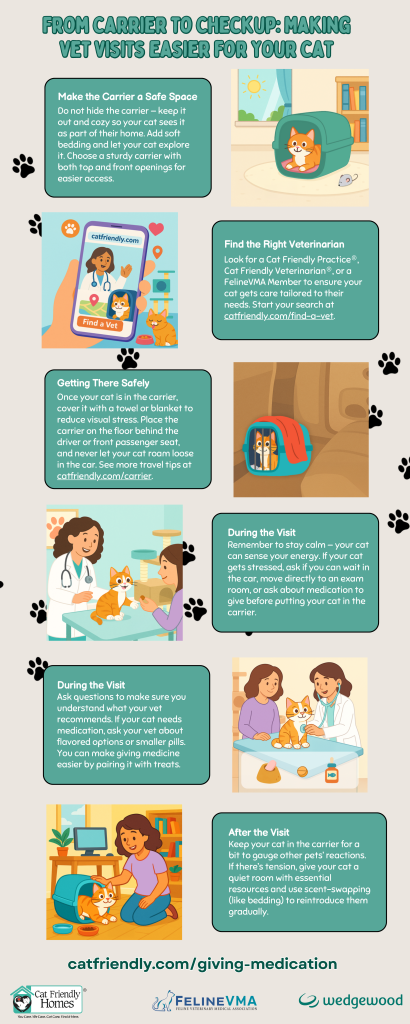
If you have a cat, you want to keep it healthy and happy. But do you know what medications your cat really needs?
Understanding the right medicines can protect your furry friend from common illnesses and keep them feeling their best. You’ll discover essential meds every cat owner should know about. By the end, you’ll feel confident about caring for your cat’s health and spotting when it’s time to visit the vet.
Keep reading—your cat’s well-being depends on it!
Common Vaccinations
Vaccinations are essential to keep your cat healthy and protected from dangerous diseases. Knowing which vaccines your cat needs can prevent serious illnesses and save you costly vet bills. Let’s break down the common vaccinations into two main groups: core and non-core vaccines.
Core Vaccines
Core vaccines protect against diseases that are widespread and often deadly. These vaccines are recommended for all cats, regardless of their lifestyle.
- Feline Panleukopenia (FPV):Also called feline distemper, this disease can be fatal. The vaccine is very effective and widely given.
- Feline Herpesvirus (FHV-1) and Calicivirus (FCV):These cause respiratory infections. Vaccination reduces the severity and spread.
- Rabies:Required by law in many areas. Rabies is almost always fatal and can be transmitted to humans.
These vaccines typically start when kittens are 6 to 8 weeks old, with boosters until about 16 weeks. You might wonder, how often does my adult cat need boosters? Usually, annual or triennial boosters keep immunity strong, but your vet can tailor this based on your cat’s risk.
Non-core Vaccines
Non-core vaccines are given based on your cat’s lifestyle and environment. They protect against less common but still serious diseases.
- Feline Leukemia Virus (FeLV):Recommended for cats that go outdoors or live with other cats. FeLV can cause cancer and immune problems.
- Bordetella:Causes respiratory illness, mainly in cats in shelters or boarding facilities.
- Chlamydia felis:A bacterial infection causing eye problems, common in multi-cat households.
Think about your cat’s daily routine. Does your cat interact with other cats, or spend time outside? These questions help you decide if non-core vaccines are necessary.
I once had a cat who loved to explore the neighborhood. Skipping the FeLV vaccine felt risky after a friend’s cat got sick. That experience taught me vaccines aren’t just routine—they’re a vital part of responsible pet care.
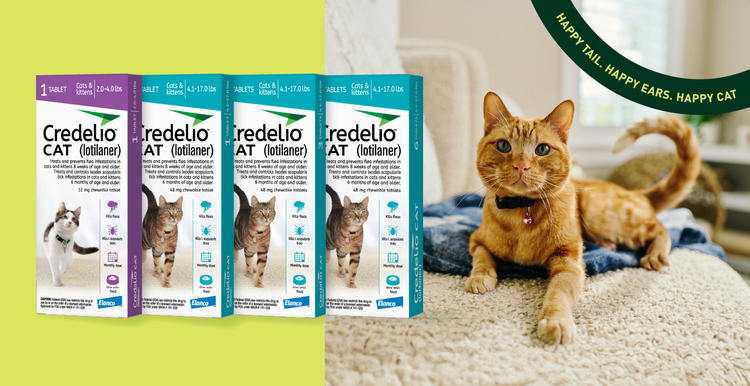
Credit: my.elanco.com
Parasite Prevention
Parasite prevention is essential for keeping your cat healthy and comfortable. Parasites like fleas, ticks, and worms can cause serious health problems if left untreated. Regular medication and preventive care help protect your furry friend from these unwanted guests.
Flea And Tick Control
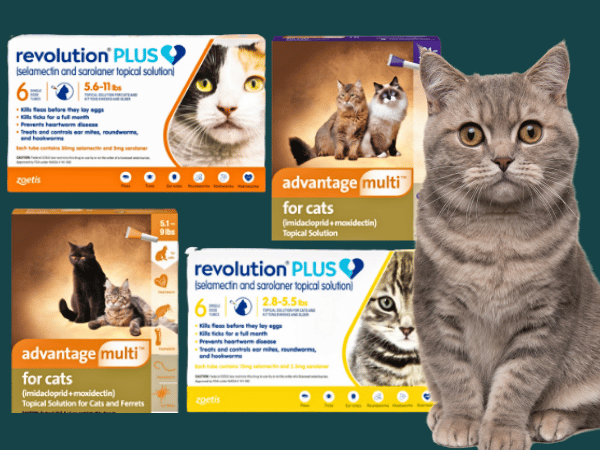
Fleas and ticks don’t just cause itching—they can transmit diseases to your cat. Using a vet-recommended flea and tick control product is crucial year-round, even if your cat stays indoors.
Topical treatments, collars, and oral medications are popular options. Each has its pros and cons, so consider your cat’s lifestyle and preferences. For example, topical solutions are easy to apply but must be kept dry for a certain period.
Have you noticed your cat scratching more than usual? That might be a sign to check for fleas or ticks immediately.
Worm Treatments
Worms can cause weight loss, diarrhea, and a dull coat in cats. Regular deworming is necessary, especially if your cat spends time outdoors or hunts small animals.
Common worm medications target roundworms, tapeworms, and hookworms. These treatments come in tablets, liquids, or injections, depending on your vet’s advice.
Keeping a schedule for worm treatments can be tricky, but setting reminders helps ensure your cat stays protected. When was the last time you checked your cat for worms?
Antibiotics
Antibiotics play a crucial role in treating bacterial infections in cats. They help fight harmful bacteria that can cause illnesses ranging from minor skin infections to serious internal conditions. Understanding when and how to use antibiotics ensures your cat recovers safely and avoids unnecessary medication.
When They Are Needed
You might wonder if your cat really needs antibiotics or if the illness will clear up on its own. Antibiotics are necessary when your cat has a confirmed bacterial infection, such as:
- Wounds that show signs of infection (redness, swelling, pus)
- Urinary tract infections causing frequent or painful urination
- Respiratory infections with coughing or nasal discharge
- Ear infections that do not improve with cleaning alone
Always seek veterinary advice before starting antibiotics. Using them without proper diagnosis can lead to resistance, making future infections harder to treat.
Potential Side Effects
While antibiotics save lives, they can also cause side effects in your cat. The most common issues include:
- Digestive upset such as vomiting or diarrhea
- Loss of appetite or lethargy
- Allergic reactions, which might show as itching or swelling
Keeping a close eye on your cat during treatment helps you catch side effects early. Have you noticed changes in your cat’s behavior after starting medication? If so, contact your vet immediately to adjust the treatment plan.
Credit: www.splootvets.com
Pain Management
Pain management is essential for a cat’s health and happiness. Cats often hide pain, making it hard to notice. Proper medication helps reduce discomfort and improves their quality of life. Understanding the right pain relievers and treatments can make a big difference for your feline friend.
Common Pain Relievers
Not all human pain medications are safe for cats. Vets usually prescribe specific drugs to avoid harm. Some common pain relievers for cats include:
- Carprofen – a non-steroidal anti-inflammatory drug (NSAID) that helps reduce pain and swelling.
- Meloxicam – another NSAID used for short-term pain relief.
- Buprenorphine – a mild opioid for moderate to severe pain.
Always follow the vet’s instructions carefully. Never give cats over-the-counter human painkillers like aspirin or ibuprofen.
Chronic Pain Solutions
Chronic pain needs ongoing care and special treatment plans. Conditions like arthritis require more than just painkillers. Some options include:
- Physical therapy and gentle exercise to maintain movement.
- Supplements such as omega-3 fatty acids to support joint health.
- Long-acting pain medications prescribed by a vet.
Regular check-ups help monitor the cat’s condition and adjust medications. Managing chronic pain improves a cat’s daily comfort and activity level.
Behavioral Medications
Behavioral medications can make a significant difference in your cat’s quality of life. These drugs help manage issues that are not physical but emotional or psychological. Addressing behavioral problems with the right medication often prevents further stress for both you and your cat.
Anxiety Treatments
Many cats suffer from anxiety, which can show up as hiding, excessive grooming, or even urinating outside the litter box. Medications like fluoxetineand buspironeare commonly prescribed to help calm anxious cats.
These medications adjust brain chemistry to reduce fear and stress. Alongside medication, creating a safe, quiet space can amplify their effectiveness. Have you noticed your cat reacting nervously to visitors or loud noises? Treating anxiety early can prevent these behaviors from worsening.
Aggression Control
Aggression in cats might stem from fear, territorial disputes, or pain. Drugs such as clomipramineor sertralinecan help reduce aggressive impulses by balancing neurotransmitters.
It’s important to pair medication with behavior modification techniques. For example, gradual socialization or environmental enrichment can support the calming effects of these drugs. Are you ready to tackle aggression with both medication and patience to see real progress?

Credit: www.petmd.com
Dietary Supplements
Dietary supplements can play a key role in supporting your cat’s health, especially when their regular diet might not cover all nutritional bases. They are not a replacement for a balanced diet but can help fill gaps and address specific health concerns. Understanding which supplements are beneficial and when to use them can make a real difference in your cat’s well-being.
Nutritional Needs
Cats require a variety of nutrients like taurine, omega-3 fatty acids, vitamins, and minerals to stay healthy. Some commercial cat foods meet these needs well, but others might lack certain elements, especially if your cat has special health conditions. For example, older cats often need extra joint support, while kittens need more vitamins for growth.
Have you noticed your cat’s coat looking dull or their energy dropping? These can be signs that their diet needs a boost. Supplements can target these issues directly, but it’s important to know exactly what your cat is missing before adding anything new.
Common Supplements
- Taurine:Essential for heart health and vision. Most cat foods include taurine, but homemade diets often lack it.
- Omega-3 Fatty Acids:Help reduce inflammation and improve skin and coat condition. Fish oil supplements are popular choices.
- Probiotics:Support digestive health and can help with diarrhea or other gut issues.
- Glucosamine and Chondroitin:Commonly used to support joint health, especially in older or arthritic cats.
- Multivitamins:Useful when your cat’s diet is not varied enough or if your vet recommends extra nutrients.
Before giving your cat any supplement, ask yourself: Is this product safe? Does it address a specific need? Consulting your vet ensures your cat gets the right type and dose, avoiding unnecessary or harmful additions. Your cat’s health depends on informed choices, not guesswork.
Chronic Condition Treatments
Cats with chronic conditions require ongoing medication to stay healthy. These treatments help manage symptoms and improve quality of life. Regular veterinary visits ensure the right dosage and monitor progress. Understanding these medications helps cat owners provide better care.
Diabetes Management
Diabetes is common in older cats. Insulin injections are the main treatment. They help control blood sugar levels effectively. Your vet will teach you how to give injections safely at home.
Along with insulin, a special diet is important. It helps maintain steady glucose levels. Regular blood tests track the cat’s response to treatment. Consistency in medication and diet keeps diabetes under control.
Thyroid Disorder Medications
Hyperthyroidism affects many middle-aged and older cats. It causes weight loss and increased appetite. Medication like methimazole helps lower thyroid hormone levels.
This medicine comes in pill or topical form. Your vet will decide the best type and dose. Regular check-ups monitor hormone levels and adjust medication. Proper treatment reduces symptoms and improves life quality.
Emergency Medications
Emergency medications for cats are vital for quick responses to sudden health issues. These medicines help manage unexpected injuries or allergic reactions. Keeping them handy can prevent complications and save your cat’s life.
First Aid Essentials
First aid medications provide immediate care before veterinary help arrives. Common essentials include antiseptic sprays to clean wounds and pain relief approved for cats. Activated charcoal may help if your cat ingests toxins. Always store these medicines in a safe, accessible place. Knowing how to use each item correctly is crucial for your cat’s safety.
Allergy Medications
Allergy medications help control symptoms like itching, swelling, and sneezing. Antihistamines are often used to reduce allergic reactions in cats. Some cats may need corticosteroids for severe allergies. Consult your vet before giving any allergy medicine to your cat. Proper medication can ease discomfort and prevent serious issues.
Frequently Asked Questions
What Common Medications Do Cats Usually Need?
Cats often need flea preventatives, dewormers, and vaccines. Pain relievers or antibiotics may be prescribed for infections or injuries. Always consult a vet before giving any medication to ensure safety and proper dosage for your cat.
How Are Cat Medications Typically Administered?
Medications for cats come as pills, liquids, injections, or topical treatments. Oral pills can be hidden in food, while topical meds are applied to the skin. Follow your vet’s instructions carefully to ensure your cat receives the full benefit.
Can Cats Take Human Medications Safely?
No, many human medications are toxic to cats. Always avoid giving human drugs unless directed by a vet. Using human medications without guidance can cause serious health problems or be fatal for your cat.
Why Are Vaccinations Important For Cats?
Vaccinations protect cats from serious infectious diseases like rabies and feline distemper. Regular shots boost their immune system and prevent outbreaks. Keeping vaccinations up-to-date is essential for your cat’s long-term health and safety.
Conclusion
Cats need the right medications to stay healthy and happy. Always follow your vet’s advice for their care. Giving the correct medicine helps prevent illness and ease pain. Watch your cat closely for any side effects. Regular check-ups ensure your cat gets the best treatment.
Keep medicine out of reach to avoid accidents. Healthy cats live longer and enjoy life more. Taking care of your cat’s medicine needs shows you love them. Simple steps make a big difference in your cat’s well-being.
