

Have you noticed your cat scratching its ears more than usual or shaking its head nonstop? These signs might mean your furry friend has ear mites—a common but pesky problem.
Understanding how cats get ear mites is the first step to protecting your pet from discomfort and potential infections. You’ll discover exactly where these tiny invaders come from and how they spread, so you can keep your cat’s ears healthy and itch-free.
Keep reading to learn what every cat owner needs to know!

Credit: www.reddit.com
Ear Mites In Cats: An Overview
Ear mites are tiny parasites that commonly affect cats, causing discomfort and potential ear infections. Understanding how these pests find their way into your cat’s ears is crucial for prevention and early treatment. You might be surprised to learn how easily your cat can pick up these mites, often without you noticing until symptoms appear.
Ear mites are microscopic bugs that live in the ear canal of cats. They feed on earwax and oils inside the ear, which irritates the skin. This irritation often leads to itching, redness, and sometimes a dark discharge from the ear.
How Do Cats Catch Ear Mites?
Ear mites spread mainly through direct contact with other animals that are already infested. This means if your cat interacts with stray cats, dogs, or even other pets at the vet or shelter, the risk increases. The mites can also be picked up from contaminated bedding or grooming tools, making cleanliness essential.
Why Are Ear Mites More Common In Some Cats?
Cats that spend time outdoors or live in multi-pet households tend to get ear mites more often. Kittens and older cats with weaker immune systems are also more vulnerable. Have you noticed your cat scratching its ears more after visiting the park or a friend’s house? This could be a sign to check for mites.
Signs You Should Look For
- Frequent head shaking or scratching at the ears
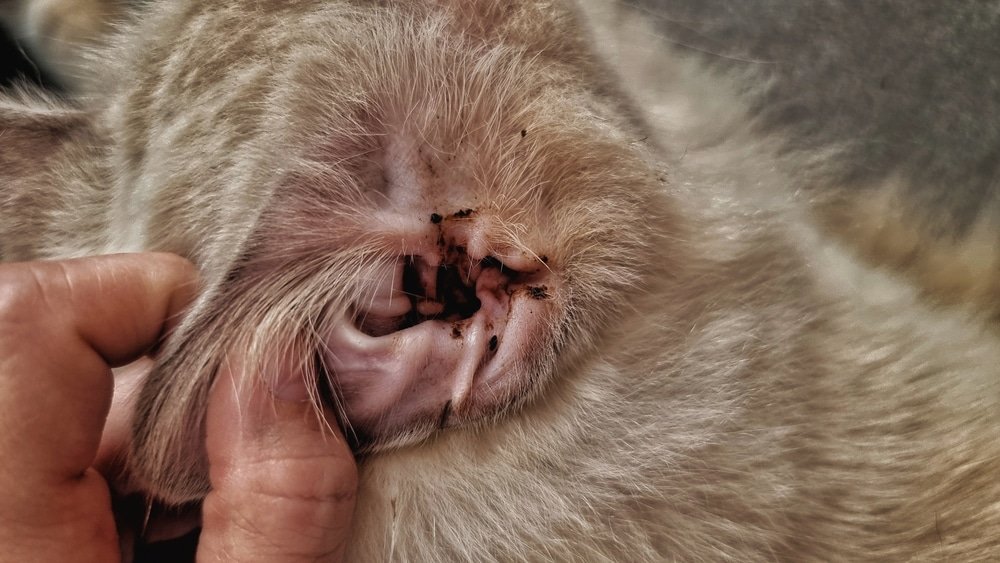
- Dark, crumbly discharge that looks like coffee grounds
- Inflamed or red ear canals
- Scabs or hair loss around the ears
Spotting these early can save your cat from long-term discomfort and complications.
What Are Ear Mites?
Ear mites are tiny parasites that live in a cat’s ear canal. They are very small and hard to see with the naked eye. These mites feed on the oils and skin debris inside the ear. They cause itching, irritation, and sometimes infection. Many cats get ear mites, especially kittens and outdoor cats.
Understanding what ear mites are helps recognize the problem early. This way, cats get fast treatment and relief.
What Do Ear Mites Look Like?
Ear mites are white or cream-colored and shaped like tiny spiders. They measure less than 1 millimeter. You usually cannot see them without a microscope. Their movement inside the ear causes intense itching for cats.
How Do Ear Mites Live?
Ear mites live only inside the ear canal. They lay eggs on the skin inside the ear. The eggs hatch into larvae, which grow into adult mites. This life cycle takes about three weeks. Mites need a warm, moist place to survive, making a cat’s ear perfect.
Are Ear Mites Contagious?
Yes, ear mites can easily spread between cats. They move by crawling from one ear to another. Contact with other animals or shared bedding spreads the mites. Ear mites can also infect dogs and other pets.
Common Symptoms Of Ear Mite Infestation
Recognizing the common symptoms of ear mite infestation in your cat is crucial for early treatment and relief. These tiny parasites cause discomfort that your cat can’t always express clearly. Paying close attention to changes in behavior and physical signs can help you identify the problem before it worsens.
Visible Dark Debris In The Ear Canal
One of the most obvious signs of ear mites is the presence of dark, crumbly debris in your cat’s ears. This debris often looks like coffee grounds and is actually a mix of mite waste and dried blood. If you notice this, it’s a strong indicator that ear mites could be the culprit.
Intense Scratching And Head Shaking
You might see your cat scratching its ears more frequently or shaking its head vigorously. This behavior is a response to the itching and irritation caused by the mites. If your cat’s scratching leads to redness or small wounds, it’s a sign the infestation is severe.
Redness And Swelling Of The Ear Canal
The skin inside your cat’s ear may become red and swollen due to constant irritation. This inflammation can make the ear canal painful and sensitive to touch. Have you ever noticed your cat pulling away when you try to check its ears? That could be due to this discomfort.
Unpleasant Odor From The Ears
A foul smell coming from your cat’s ears often accompanies an ear mite infestation. This odor results from the buildup of debris and possible secondary infections. If your cat’s ears smell bad, don’t ignore it—this symptom calls for immediate attention.
Behavioral Changes And Restlessness
Sometimes, ear mites affect your cat’s mood and energy levels. Your cat may become restless, irritable, or hide more often. Have you noticed your usually calm pet acting out of character? Ear discomfort can cause stress and anxiety, signaling that something is wrong.

Credit: www.happypet.care
Transmission Methods
Cats can catch ear mites through several ways. Understanding how these tiny pests spread helps protect your pet. Ear mites transfer quickly in close or shared spaces. They thrive in environments where many animals live together. Awareness of transmission routes is key to preventing infestations.
Direct Contact With Infected Animals
Ear mites spread mainly through direct contact. Cats grooming or playing together can easily pass mites. Kittens are especially vulnerable because they stay close to their mother. Even brief physical contact can transfer mites. Stray or outdoor cats often carry ear mites. Introducing a new cat to your home may increase risk.
Environmental Contaminants
Mites can survive briefly on surfaces like bedding or furniture. Shared blankets, cushions, or carriers might hold mites. These pests cling to fur and skin flakes left behind. Cleaning and disinfecting your cat’s environment reduces risks. Regular washing of bedding helps keep mites away. Outdoor areas with many animals can harbor mites too.
Surprising Causes Of Ear Mites
Ear mites are tiny parasites that cause discomfort and itching in your cat’s ears. While many people assume ear mites come only from direct contact with other cats, there are surprising ways your pet might pick them up. Understanding these lesser-known causes can help you protect your furry friend more effectively.
Contact With Wild Animals
You might not realize that wild animals can be a hidden source of ear mites for your cat. Stray cats, raccoons, and even squirrels can carry these parasites without showing obvious signs.
If your cat spends time outdoors or near wooded areas, they might come into contact with these animals or their nests. This interaction can easily transmit ear mites, even if your cat doesn’t engage in a direct fight or close grooming session.
Have you noticed your cat’s behavior change after a trip outside? It’s worth checking their ears for mites if they seem more irritated than usual.
Shared Grooming Tools
Shared grooming tools are another unexpected culprit behind ear mite infections. Brushes, combs, and even bedding that multiple pets use can harbor mites.
If you groom several pets with the same tools without cleaning them thoroughly, you risk spreading ear mites from one animal to another. This is especially common in multi-pet households or catteries.
To keep your pets safe, consider dedicating grooming tools to each animal or sanitizing them regularly. Could a simple change in your grooming routine prevent your cat’s next ear mite episode?
Preventing Ear Mite Infestations
Preventing ear mite infestations is essential for keeping your cat healthy. Ear mites cause discomfort and can lead to infections. Protecting your cat involves simple, regular care and smart choices.
Regular Ear Cleaning
Clean your cat’s ears often to remove dirt and wax. Use a vet-approved ear cleaner. Gently wipe the outer ear with a soft cloth or cotton ball. Avoid using cotton swabs deep inside the ear. Regular cleaning helps spot early signs of mites.
Isolation From Infected Animals
Keep your cat away from animals with ear mites. Mites spread easily through close contact. If you have a new pet, check its ears before introducing it. Avoid letting your cat share bedding or grooming tools with infected animals.
Use Of Preventative Products
Use vet-recommended products to prevent ear mites. These include drops, sprays, and spot-on treatments. Apply products as directed to keep mites away. Preventative care reduces the risk of infestation and saves vet visits.
Treatment Options For Affected Cats
Dealing with ear mites in your cat can be stressful, but knowing the right treatment options makes a big difference. Acting quickly and effectively helps prevent discomfort and further complications. Let’s look at how you can help your furry friend get relief and clear those pesky mites for good.
Veterinary Medications
Veterinary medications are the most reliable way to eliminate ear mites. Your vet will likely recommend prescription ear drops or topical treatments that target mites directly. These medications often contain ingredients like ivermectin or selamectin, which are highly effective in killing mites.
Sometimes, oral medications or injections may be necessary for severe infestations. Your vet might also clean your cat’s ears to remove debris and mites, speeding up recovery. Have you noticed your cat scratching more than usual? A quick visit to the vet can confirm the diagnosis and get your cat on the right treatment fast.
Home Remedies And Care
While veterinary treatment is crucial, you can support your cat’s recovery with gentle home care. Cleaning your cat’s ears with a vet-approved ear cleanser can help remove wax and debris. Avoid using cotton swabs deep inside the ear to prevent injury.
Some cat owners find that applying a small amount of natural oils, like coconut oil, around the ear canal entrance soothes irritation. However, these should never replace vet-prescribed treatments. Ensuring your cat’s environment is clean reduces the chance of re-infestation—wash bedding regularly and keep your cat’s living space tidy.
Have you tried any home care techniques with your cat before? Sharing your experience might help others navigate this common problem more confidently.

Credit: www.holistapet.com
Long-term Care And Monitoring
Long-term care and monitoring are crucial to ensure your cat stays free from ear mites and maintains good ear health. Even after treatment, ear mites can return if you don’t keep a close watch. Consistent attention to your cat’s ears helps catch any issues early before they become serious.
Regular Ear Inspections
Make it a habit to check your cat’s ears weekly. Look for signs like redness, dark debris, or excessive scratching. Early detection of any irritation can save your cat from discomfort and more complicated infections.
Maintaining A Clean Environment
Ear mites can spread through bedding and close contact with other pets. Wash your cat’s bedding and toys regularly to reduce the risk of reinfestation. You might be surprised how quickly mites can hide in soft fabrics.
Follow-up Vet Visits
Schedule follow-up appointments after treatment to ensure the mites are completely gone. Your vet might want to re-examine your cat’s ears to confirm the infection has cleared. Don’t skip these visits, even if your cat seems fine.
Monitor Your Cat’s Behavior
Watch for changes in your cat’s behavior such as head shaking or constant ear scratching. These signs often indicate discomfort or returning mites. Acting quickly when you notice these behaviors can prevent bigger problems.
Use Preventative Treatments
Ask your vet about monthly ear mite preventatives, especially if your cat goes outdoors or interacts with other animals. These treatments can reduce the chance of future infestations. Prevention is easier than dealing with a full-blown mite problem.
Frequently Asked Questions
How Do Cats Commonly Get Ear Mites?
Cats usually get ear mites through close contact with infected animals. Ear mites spread easily in shelters, kennels, and multi-pet homes. The mites transfer when cats groom each other or share bedding, making it important to isolate infected pets quickly to prevent spreading.
Can Outdoor Cats Catch Ear Mites More Often?
Yes, outdoor cats have a higher risk of ear mites. They encounter more stray or wild animals carrying mites. Exposure to dirt and debris also increases infection chances. Regular ear checks and prompt treatment help protect outdoor cats from ear mites.
Are Ear Mites Contagious To Humans Or Other Pets?
Ear mites mainly affect cats, dogs, and ferrets but rarely infect humans. They spread easily between pets through close contact. Prompt treatment and cleaning help stop transmission. Humans should avoid touching infected areas to prevent mild skin irritation.
What Symptoms Indicate Cats Have Ear Mites?
Common signs include frequent scratching, head shaking, and dark ear discharge. Cats may also show redness, inflammation, or a strong odor in ears. Early detection is key to effective treatment and prevents secondary infections or hearing issues.
Conclusion
Cats catch ear mites mainly through close contact with other animals. These tiny pests spread quickly in places where cats live together. Checking your cat’s ears often helps catch mites early. Treating ear mites fast prevents discomfort and infections. Clean your cat’s environment to stop mites from coming back.
Understanding how ear mites spread keeps your cat healthy and happy. Keep watching for signs and act quickly. Care and attention make all the difference.
