

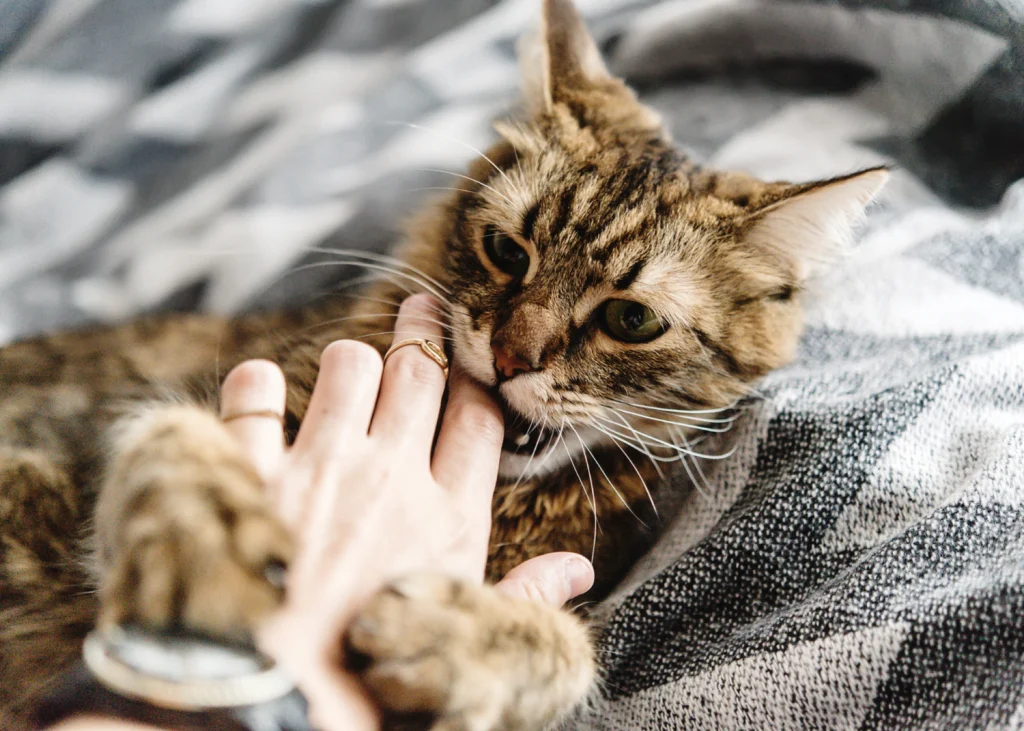
Have you ever wondered why your cat suddenly starts scratching or biting you? It can feel confusing and even a little painful when your furry friend turns playful moments into unexpected attacks.
But don’t worry—understanding why your cat behaves this way is key to building a stronger, happier bond. You’ll discover the surprising reasons behind your cat’s scratching and biting, and learn simple ways to keep both you and your pet safe and content.
Keep reading to unlock the secrets to a peaceful, loving relationship with your cat.
Credit: www.diamondpet.com
Cat Behavior Basics
Understanding cat behavior helps explain why cats scratch and bite. These actions are part of how cats interact with their world. Knowing the basics of cat behavior makes living with them easier. Cats use natural instincts and communication to express themselves. Recognizing these signals can improve your bond with your pet.
Instinctual Actions
Scratching and biting are natural behaviors for cats. Scratching helps cats keep their claws sharp and healthy. It also marks their territory with scent glands in their paws. Biting can be a way to explore or play. Sometimes, biting is a defense mechanism when cats feel scared.
These actions come from ancient survival skills. Wild cats scratch trees and bite prey. Domestic cats keep these instincts alive. Understanding this helps reduce unwanted biting or scratching.
Communication Methods
Cats use scratching and biting to communicate different feelings. Scratching might show excitement or stress. Biting can mean playfulness, fear, or irritation. Cats also use body language along with these behaviors.
- Tail position shows mood.
- Ear movements indicate alertness or discomfort.
- Vocal sounds add to communication.
Learning these signs helps you respond correctly. It prevents misunderstandings and builds trust. Cats often bite or scratch to send a clear message.
Reasons Cats Scratch
Cats scratch for many reasons. It is a natural and important behavior. Scratching helps cats communicate and keep their claws healthy. Understanding why cats scratch can help you handle this behavior better.
Territorial Marking
Cats use scratching to mark their territory. Their paws have scent glands that leave a smell behind. This scent tells other cats the area belongs to them. Scratching on furniture or walls sends a clear message. It is a way cats protect their space without fighting.
Claw Maintenance
Scratching helps cats keep their claws sharp and clean. It removes old claw layers. This action keeps their claws strong and ready for hunting or climbing. Scratching also helps cats stretch their muscles. It is a healthy exercise for their paws and legs.
Stress Relief
Scratching can calm a cat when it feels stressed or anxious. It releases pent-up energy and tension. This behavior helps cats feel safe and relaxed. Scratching surfaces provides a way to manage emotions without causing harm.
Why Cats Bite
Cats bite for several reasons. Understanding why helps improve your bond with them. Biting is part of their natural behavior. It can show playfulness, fear, or irritation. Recognizing these signs prevents unwanted scratches or bites.
Playful Interaction
Cats often bite during play. They use their mouth and paws to explore. Play biting mimics hunting behavior. It is gentle and usually not harmful. Watch their body language for cues. Ears forward and tail relaxed means fun. If bites get too hard, they may need a break.
Defensive Reaction
Cats bite to protect themselves. Fear or surprise can trigger this. They may feel threatened by sudden moves or loud noises. Defensive bites are quick and sharp. A cat may hiss or growl first. Giving space helps calm a scared cat. Avoid forcing interaction in these moments.
Overstimulation
Too much petting can cause biting. Cats have limits on touch tolerance. Signs include twitching tail or flattened ears. Overstimulation bites are sudden and may seem out of nowhere. Stop petting if your cat shows discomfort. Respect their signals to keep trust strong.
Identifying Problematic Behavior
Understanding why your cat scratches or bites is key to managing the behavior. Not all scratching or biting means aggression. Some actions are playful or a way to communicate. Spotting problem signs early helps prevent harm and keeps your bond strong.
Signs Of Aggression
- Hissing or growling loudly
- Flattened ears pressed against the head
- Tail twitching or puffed up
- Swatting with claws out
- Sudden biting that causes pain
- Staring with dilated pupils
- Body tense and ready to pounce
These signs show your cat feels threatened or angry. Recognizing them can stop attacks before they happen.
Triggers And Patterns
Watch for common triggers that start the behavior. Changes in environment, loud noises, or too much handling can upset cats.
- Being touched in sensitive spots like the belly
- Playing too rough or too long
- Other pets causing stress
- Sudden movements near the cat
- Feeling cornered or trapped
Notice when and where biting or scratching happens. Patterns help you avoid triggers and keep your cat calm.
Managing Scratching And Biting
Managing your cat’s scratching and biting can feel challenging, but it’s essential for a happy relationship. These behaviors often come from natural instincts or communication attempts, not just mischief. Understanding how to guide your cat gently can protect both you and your furry friend.
Training Techniques
Training your cat to reduce scratching and biting starts with clear and consistent signals. When your cat bites or scratches, immediately say “no” firmly, then withdraw attention for a moment. Cats respond well to consistent feedback and learn which behaviors get a reaction.
Using positive reinforcement works better than punishment. Praise or treat your cat when they use gentle paws or stop biting when asked. Have you noticed how your cat reacts differently when you respond calmly versus getting upset?
Providing Alternatives
Offering your cat suitable alternatives is key to redirecting their energy. Provide scratching posts or pads in areas your cat likes to scratch. Make these spots more appealing by rubbing catnip or placing them near their favorite resting places.
When your cat starts to bite during play, immediately offer a toy instead of your hand. Toys like feather wands or soft balls allow your cat to satisfy their hunting instincts safely. What toys does your cat prefer that keep them engaged and away from biting you?

Credit: www.reddit.com
Promoting Positive Behavior
Promoting positive behavior in cats helps create a happy home for both pets and owners. Cats scratch and bite for many reasons, such as play, stress, or attention. Guiding them to express these actions appropriately reduces frustration and prevents harm.
Training cats takes patience and clear communication. Rewarding good behavior and keeping a stable environment encourages cats to learn faster. These steps build trust and strengthen your bond.
Reward Systems
Rewarding your cat for gentle play builds good habits. Use treats, praise, or petting to show approval. This helps the cat know what is acceptable.
- Give a small treat immediately after calm behavior.
- Use a soft voice to praise your cat.
- Offer affection to reinforce positive actions.
Avoid punishment, as it can cause fear and worsen biting or scratching. Focus on rewarding, not scolding.
Consistent Environment
Cats thrive in a stable setting. Keep daily routines like feeding and playtime at regular hours. This reduces anxiety and unwanted behaviors.
- Provide scratching posts and toys to redirect energy.
- Set clear boundaries and stick to them.
- Limit sudden changes in the environment.
Consistency helps cats understand expectations. A calm space lowers stress and encourages good behavior.
When To Seek Professional Help
Persistent scratching and biting by your cat can cause concern. Sometimes, these behaviors signal deeper issues beyond playfulness. Knowing when to seek professional help is important for your cat’s well-being and your safety.
Behavioral Specialists
Behavioral specialists study animal actions and habits. They help identify causes of aggressive behavior like scratching or biting. These experts suggest training techniques to change bad habits. Their advice can improve your bond with your cat. They also teach ways to manage stress that triggers aggression.
Veterinarian Advice
Veterinarians check your cat’s health for problems causing aggression. Pain or illness often makes cats irritable or defensive. A vet exam rules out medical reasons behind biting or scratching. They may prescribe treatments or medicines to help calm your pet. Early veterinary help prevents worsening behavior and protects your cat’s health.

Credit: www.catschool.co
Frequently Asked Questions
Do Cats Naturally Scratch And Bite Humans?
Cats scratch and bite as natural behaviors. They use scratching to mark territory and sharpen claws. Biting can be playful or a warning. Understanding these instincts helps owners manage and redirect these actions safely.
Should I Encourage My Cat’s Scratching Habits?
Yes, but provide appropriate outlets like scratching posts. Encouraging scratching on designated items protects furniture and satisfies your cat’s needs. Redirecting scratching behavior is key to a happy pet and home.
How Can I Stop My Cat From Biting Me?
Avoid rough play that encourages biting. Use toys to engage your cat’s hunting instincts instead of your hands. Consistently discourage biting with a firm “no” and gentle redirection to toys.
Is Scratching A Sign Of Aggression In Cats?
Not always. Scratching can be playful or a way to relieve stress. Watch your cat’s body language to understand the context. Aggression usually involves other signs like hissing or growling.
Conclusion
Cats scratch and bite for many reasons. It can show play, stress, or need for attention. Understanding your cat helps reduce unwanted behavior. Offer toys and safe places for scratching. Teach gentle play with clear limits. Patience and care build a strong bond.
Remember, cats do not try to hurt you on purpose. Respect their feelings and needs always. This approach keeps both you and your cat happy.
